
The News, Culture and Practice of Sailing woodenboats
in Australia, New Zealand & The South Pacific.
SWS is a not-for-profit enterprise, created for and by the traditional maritime community. If you read and enjoy it, consider supporting us financially.
Click Here to Donate
Master Craftsman
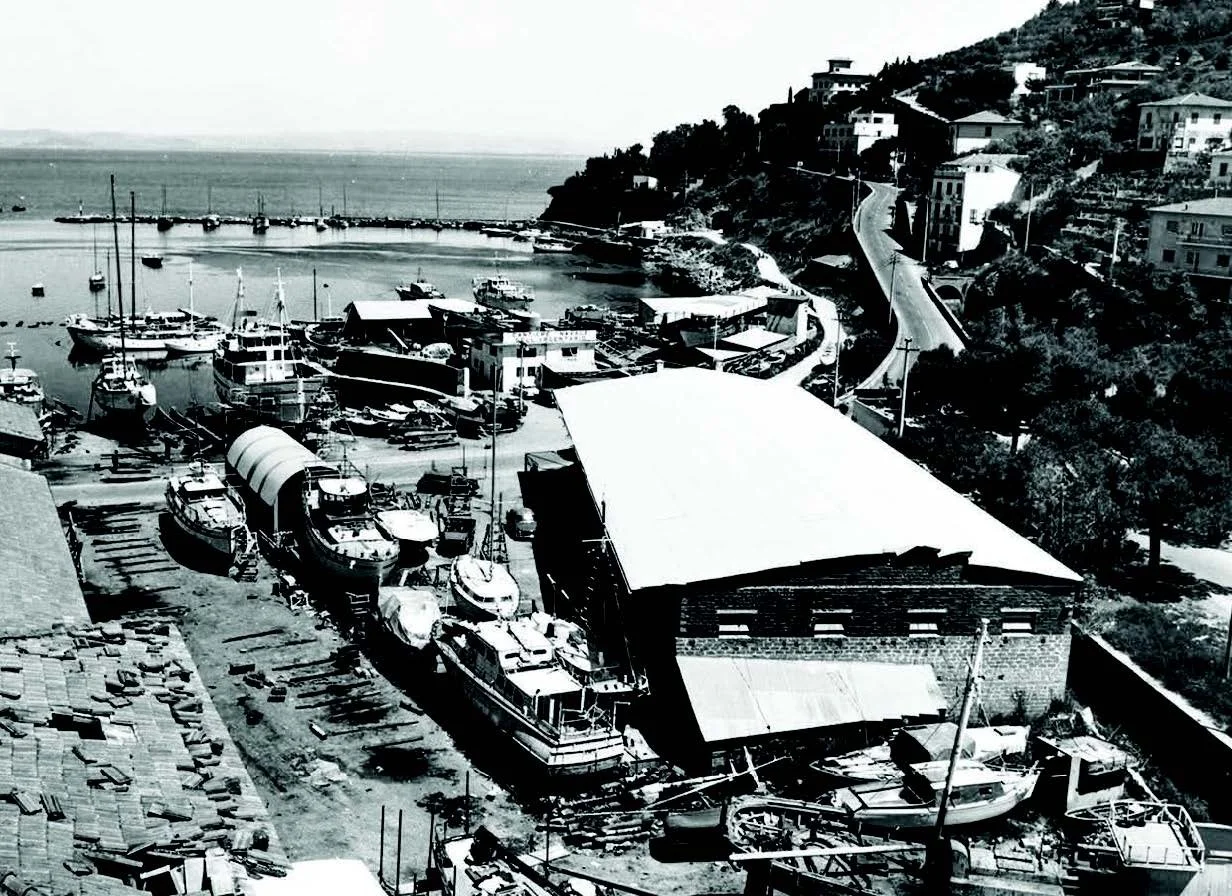
However, this remained a traditional artisanal shipyard until Patrizio Bertelli’s 1996 decision to have his tired wooden 12 Metre Nyala restored by his friend Federico Nardi, one of the yard’s co-owners, triggering the start of an explosion in classic restorations. In the years since then Argentario craftsmen have kept busy superbly restoring many of the sport’s most important yachts…
Utzon Updates
Jørn Utzon’s own house is currently for sale in a Danish forest. The house designed by the architect behind the Sydney Opera House, has come to market in Hellebæk, Denmark, where it stands in a clearing surrounded by forest. Built in 1951 as Utzon’s own home and workplace, it is now protected as a work of Danish modernism.
The Right Stuff
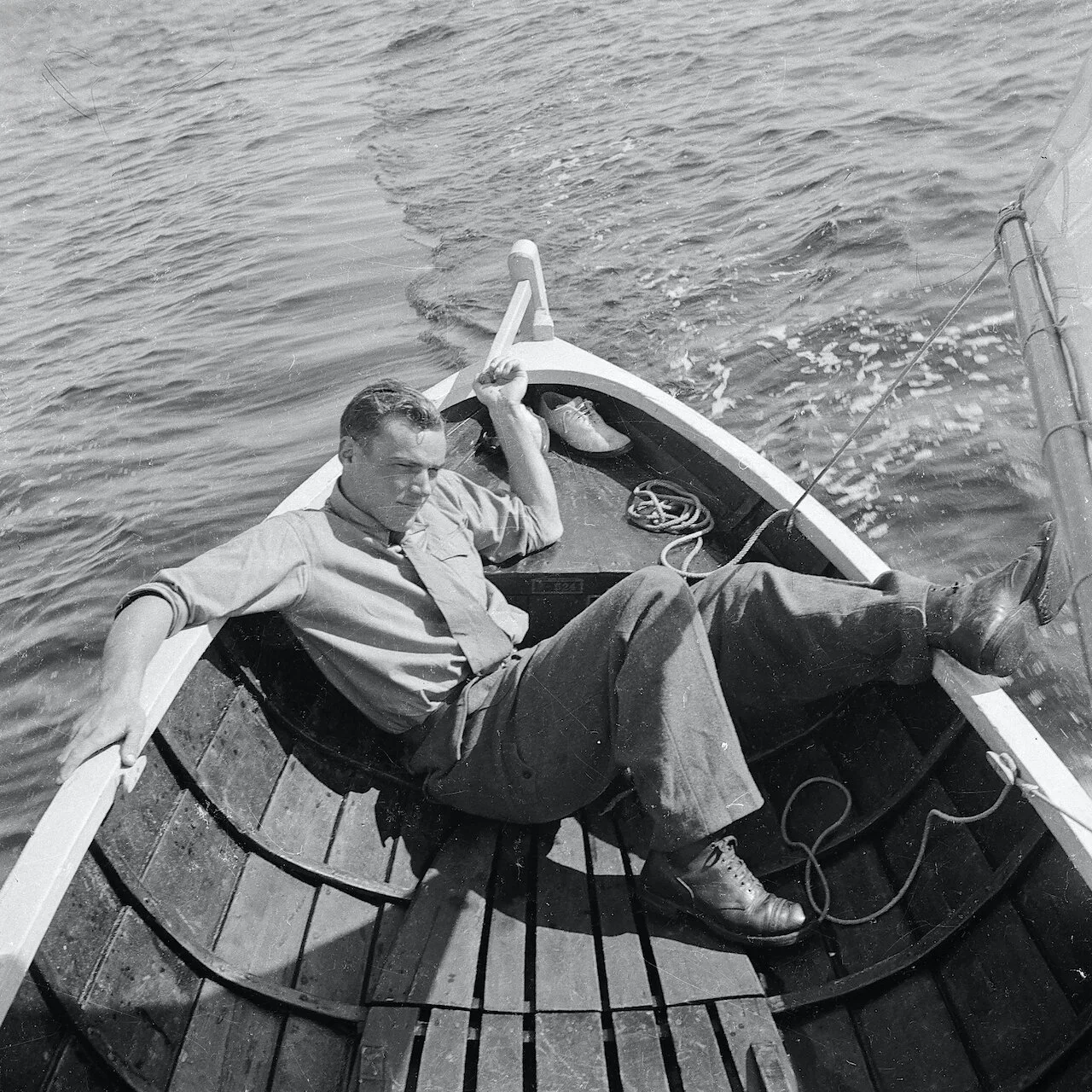
Many of those returning from the conflict of 1939-1945 were soon pursuing new activities where they could find some small element of the excitement (and dangers) of wartime service. So began modern – and for many years extraordinarily dangerous – motor racing, as did the idea to race small yachts for long distances, two-handed and later solo
Broke (but unbowed)
Wealth would have given him freedom to be his most creative self. As it was he had to make do with what he had, or indeed what he could beg and borrow from other people. There were times he and his first wife, Alma, had to live off rabbit, sour blackberries and whatever else they could hunt and gather; her teacher's income was often used to pay the workmen.
Kings Of The Hill– Part II
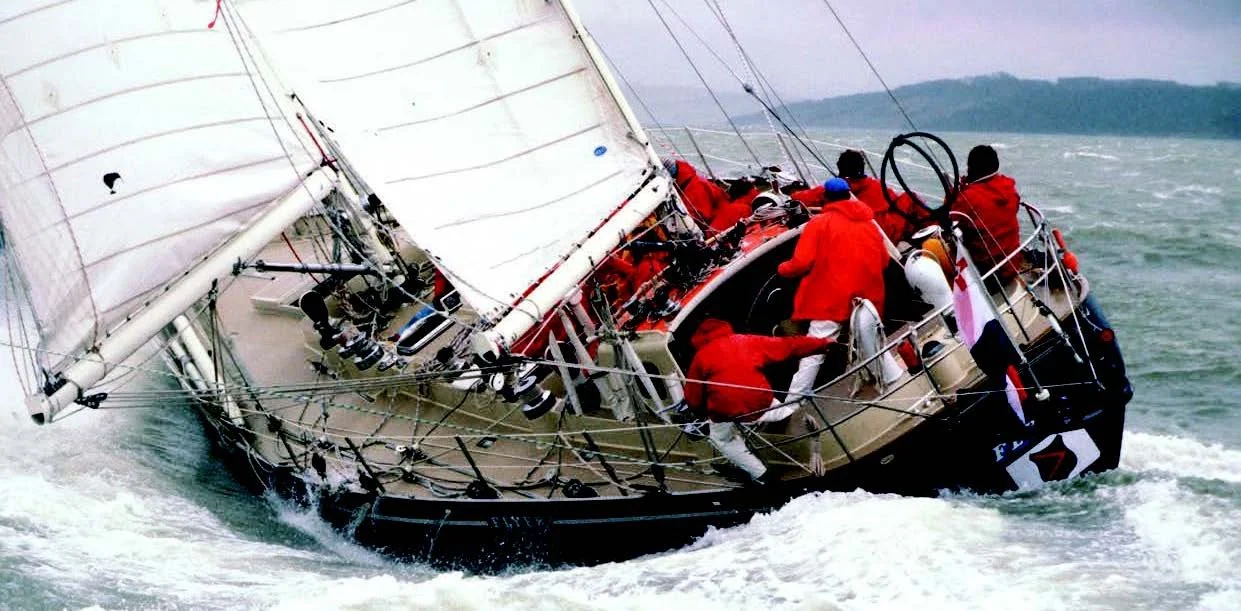
The differing but complementary roles that Olin and Rod had within S&S were another of their great strengths. Olin would muse over hull shapes, keels, rig proportions and their relationships with the appropriate rating systems while Rod oversaw the development of structures, deck layouts, rigging schedules and detailing.
Kings Of The Hill– Part I
In a sunny New York City on 20 October 1970 a team of FBI agents scoured the buildings on both sides of Manhattan’s Madison Avenue between 28th and 29th Streets. Questioning shopkeepers, janitors and secretaries, they gave special attention to the offices overlooking no79, a dull 16-storey building on the east side. From early the next morning uniformed police banned all parking on the block and kept pedestrians on the move. They vetted every entrant to no79.
A Spiritual Force
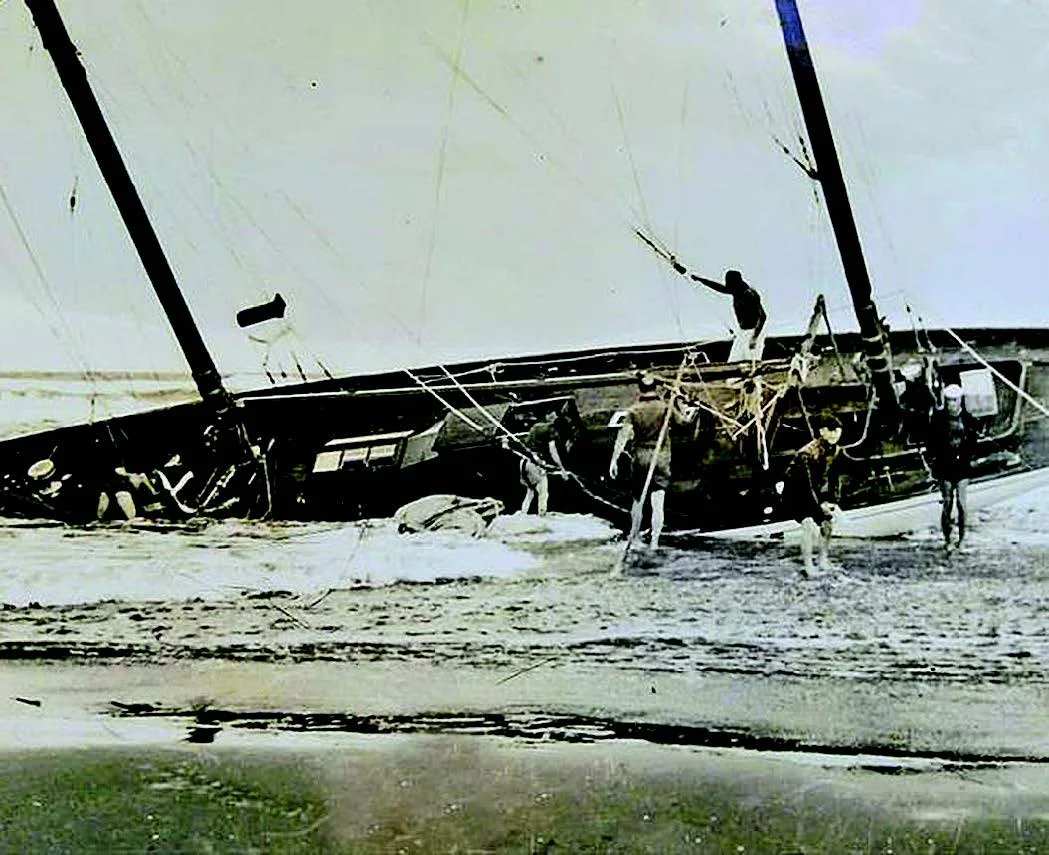
Fortunately, as the boat lay on her side on the beach, when the tide receded a lot of this equipment, including winches, instruments and even her recently fitted new engine, was recovered by the crew who camped on the beach for several days to save as much of their yacht as they could. They were cheerfully helped in their efforts by several hardworking gauchos from the nearby 'estancias' (ranches and farms).
Mercurial
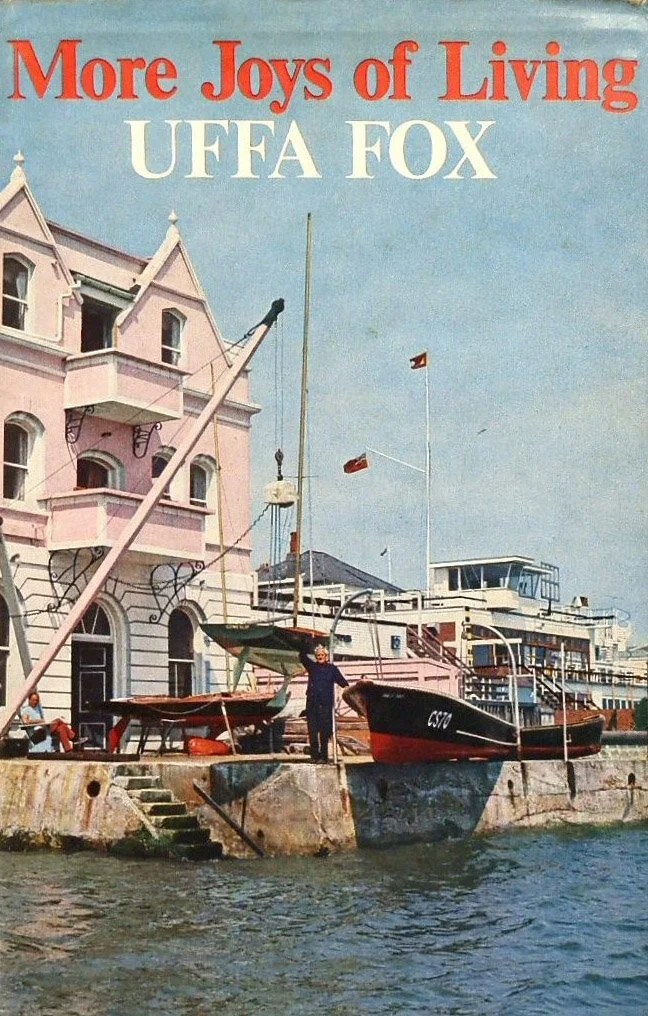
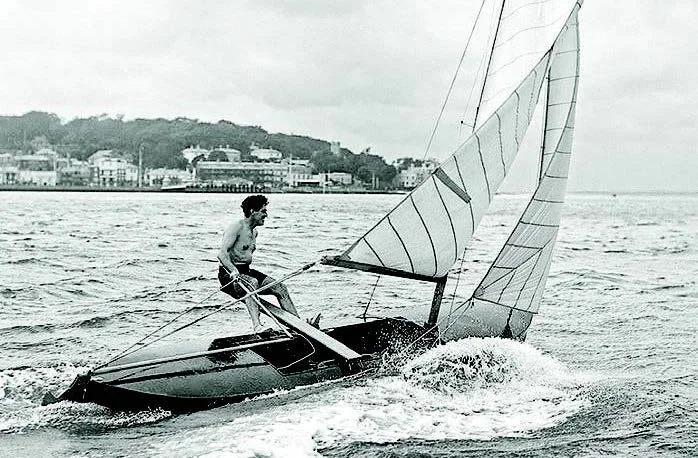
So Uffa Fox was not a particularly good businessman – undoubtedly had his commercial flair matched his inventive genius he would have ended his days a rich man. As it was, others made far more money out of Uffa's brain than he did himself. But it can be argued that this is characteristic of many highly creative people; things like managing money are simply a distraction from the free-thinking flow that can create great and original design art.
Ancient and Modern
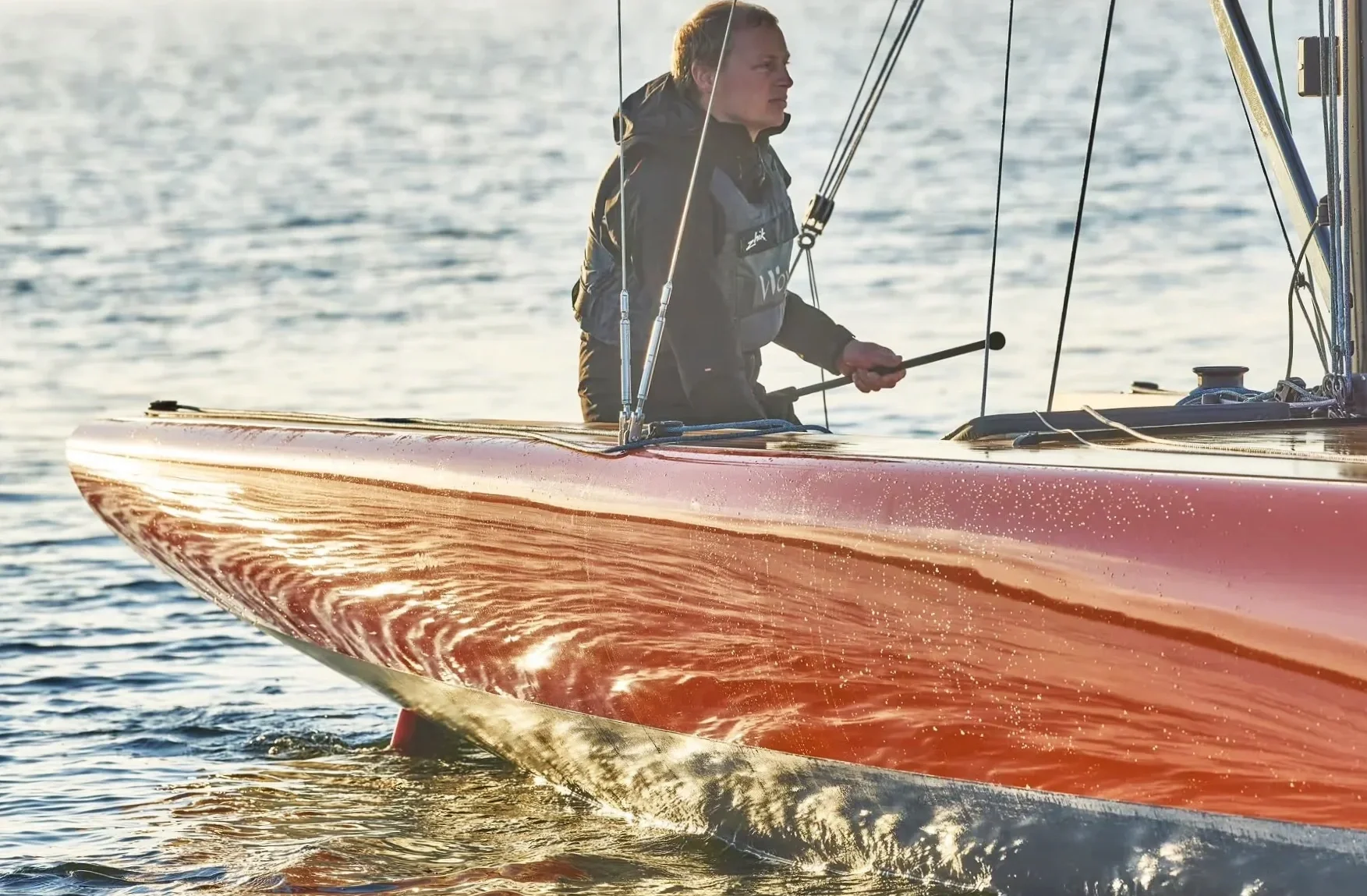
Any movement needs its purists; people who consider “epoxy” to be a dirty word, and are happy to rinse their cotton sails in seawater every time it rains. Most of us sit nearer the middle of the spectrum enjoying and admiring the best values and aesthetics of traditional looking craft, but appreciate a watertight hull and push button navigation more than a slavish devotion to outdated techniques.
“Boats Should Look Like Boats”
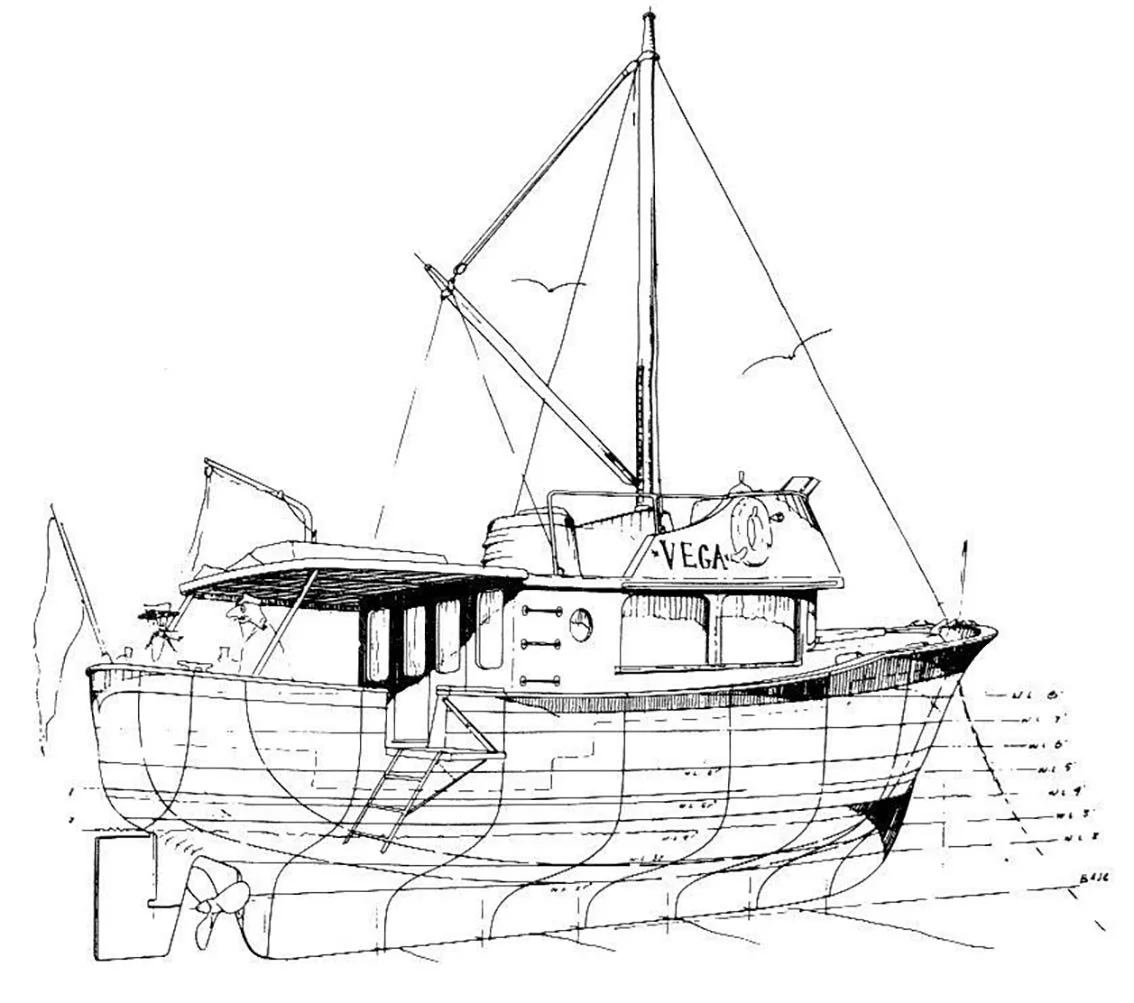
Personally, he was known as blunt, stubborn, and immensely productive. He worked fast, trusted his eye, and was not prone to second-guessing himself. Clients who wanted radical innovation often went elsewhere; clients who wanted a boat that would bring them home in ugly weather sought out Garden.
The House
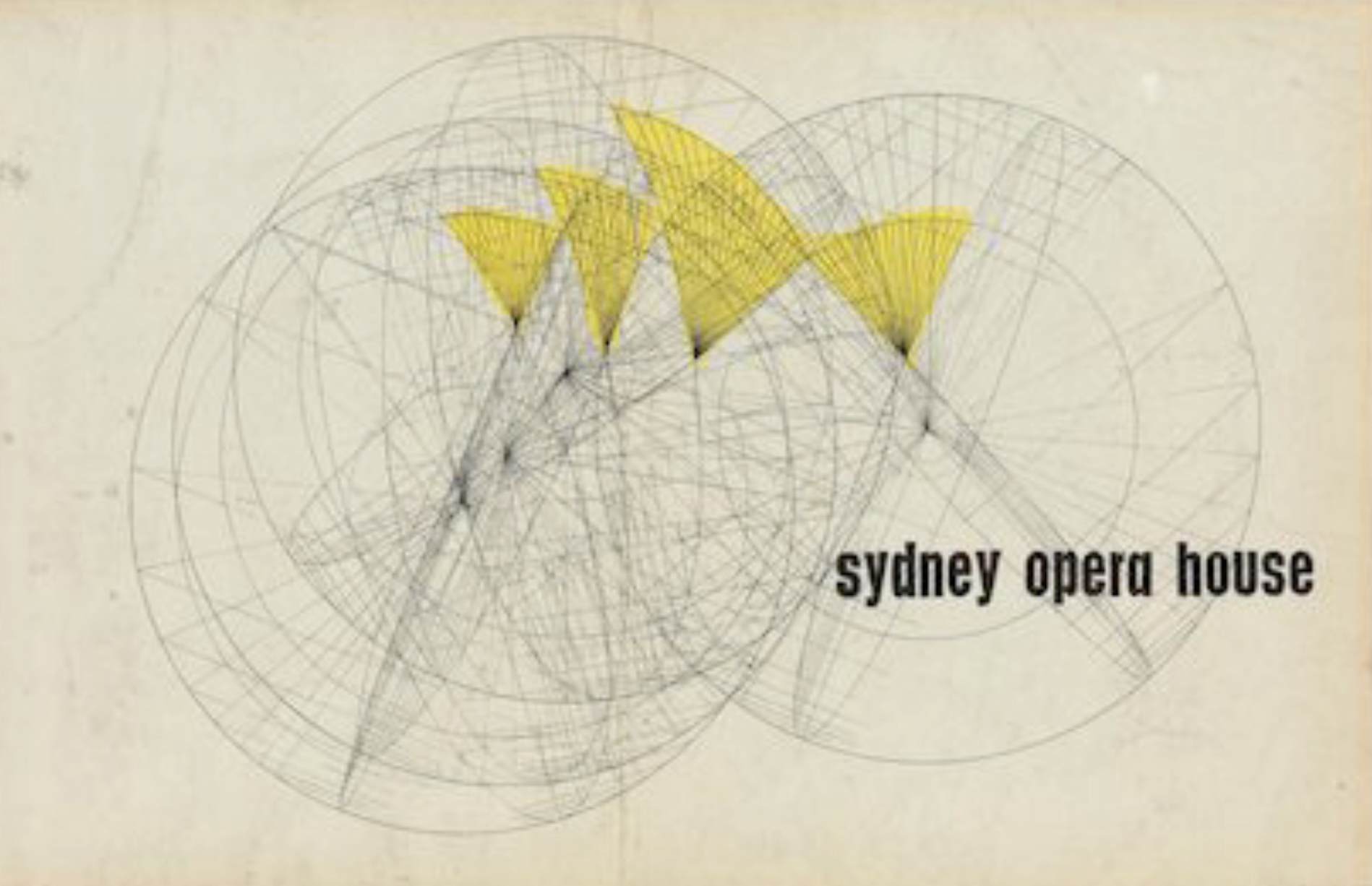
With a whole family of dedicated sailors, and his father famous for designing a distinct class of classic yachts developed from traditional hull forms, it should be no surprise that the ribs and shells of the Opera House share a strong geometric and functional connection with traditional Viking and Scandinavian boat forms.
Fidelity to the Demands of the Sea
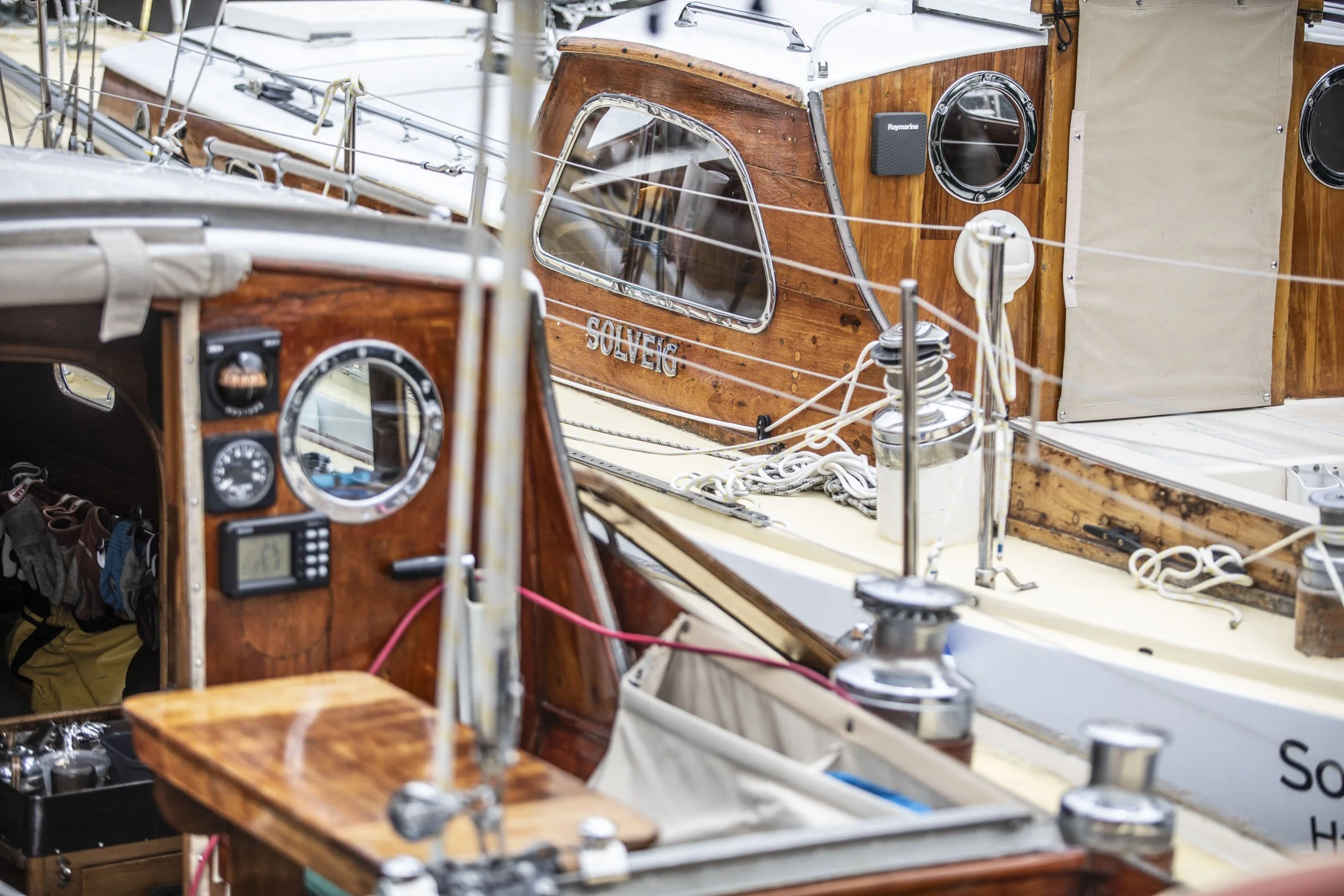
Halvorsen boats hold a special place in the hearts of many Australians. Halvorsens were renowned for their innovative design, quality vessels, and distinctive styling.
The Halvorsen Story-Centenary Celebrations
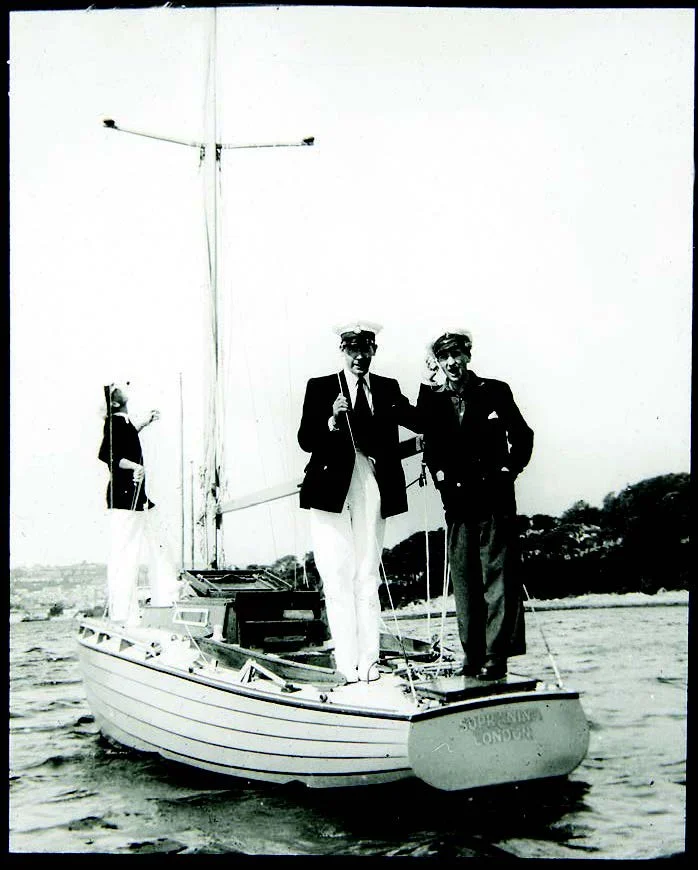
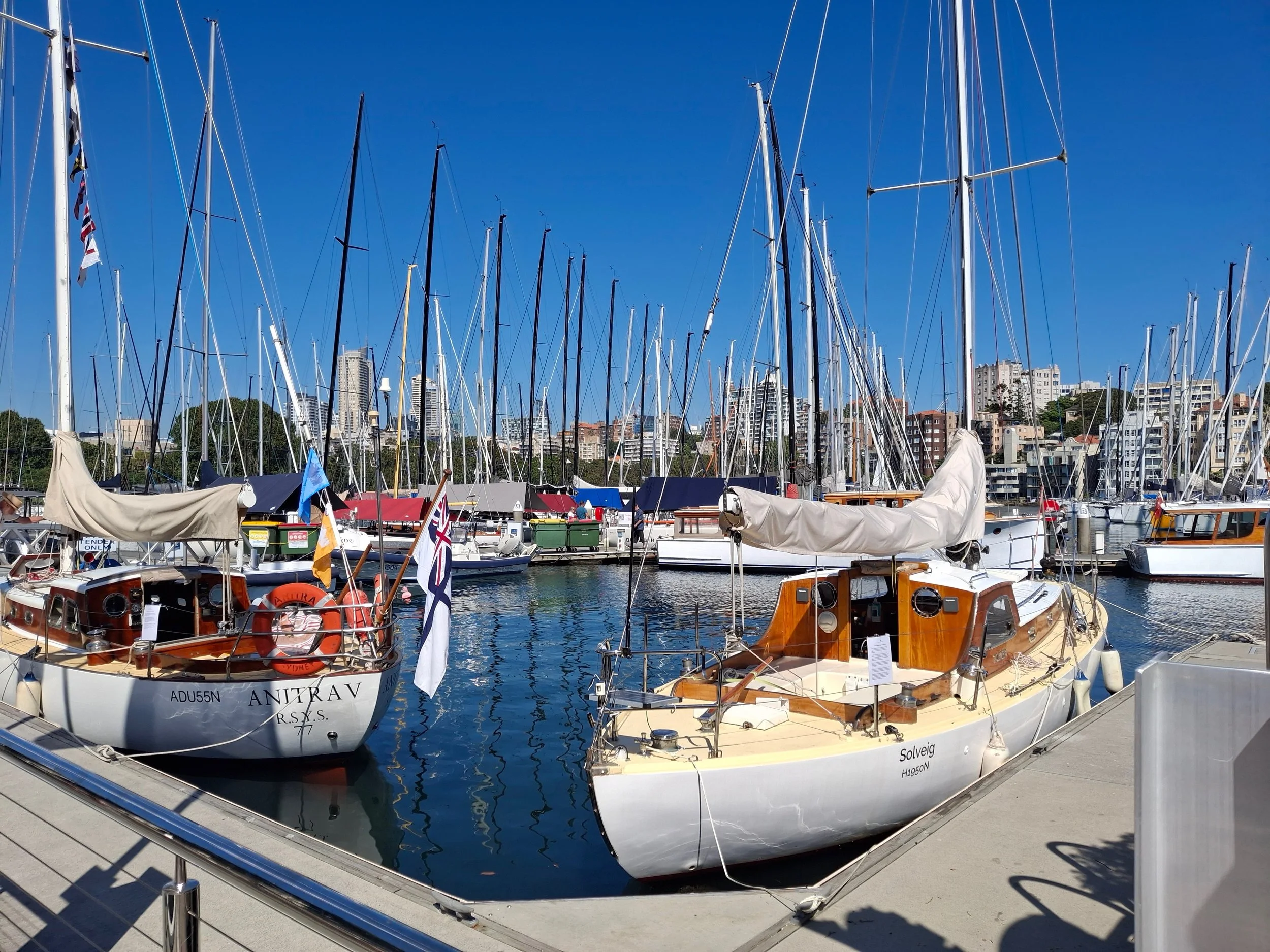
The Halvorsen brothers Magnus and Trygve competed in most of the Sydney Hobart Races from 1946 to 1965 in their own designed and built boats, and won the event on handicap five times with Solveig, Anitra V and Freya.
Classic Performance: an Alternative View
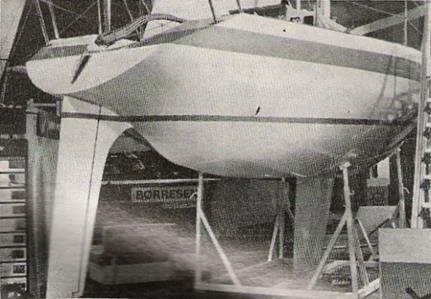
A very long time ago I was in the boatyard talking to a retired marine engineer who had hauled his 35 -foot long keel yacht out for maintenance. Knowing I was a budding naval architect he imparted what he though was wisdom to me. “Look at that boat” he said, puffing his pipe whilst pointing to the modern fin keel yacht hauled out next to his. “It’s completely unsound to separate the keel out like that and hang it from the hull with a few bolts. It’s much too radical a design for offshore sailing”. The boat in question was an S&S 34

Classic Performance - Part V
It appears that there is currently a clear choice for designers between either ‘modern’ or ‘traditional’ hull designs, which produce quite different handling characteristics. This provides a significant challenge for designers to adopt the significant benefits of both hull types, without inheriting any of the poor handling qualities.

Classic Performance - Part IV
A well-balanced hull however, retains a stable longitudinal position of CLR as it heels. This property is crucial to ensuring the balanced helm of a yacht. If the boat is also directionally stable, it is even possible for the hull balance to be matched to the turning effect of the heeled rig, enabling the boat to free-sail ‘hands free’ at any heel angle.
Classic Performance - Part III
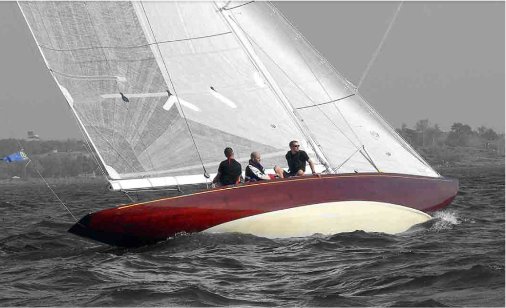
A boat is directionally stable when CLP is aft of LCG, even when the rudder is free to turn. It is said to be in a state of ‘stable equilibrium’. These craft with long keels or skegs aft tend to track straight ‘hands free’ without the need to hold the tiller and they also track straight under tow, but are directionally unstable and difficult to steer when moving backwards.
Classic Performance - Part II
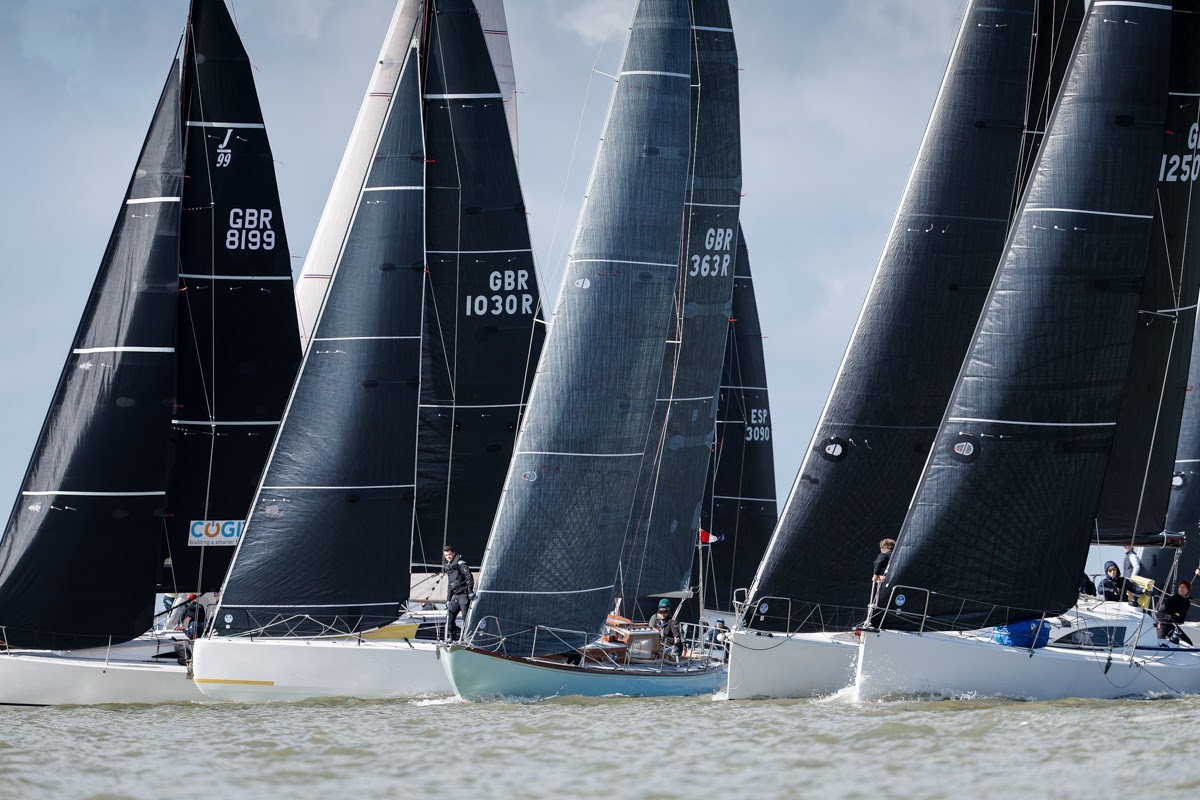
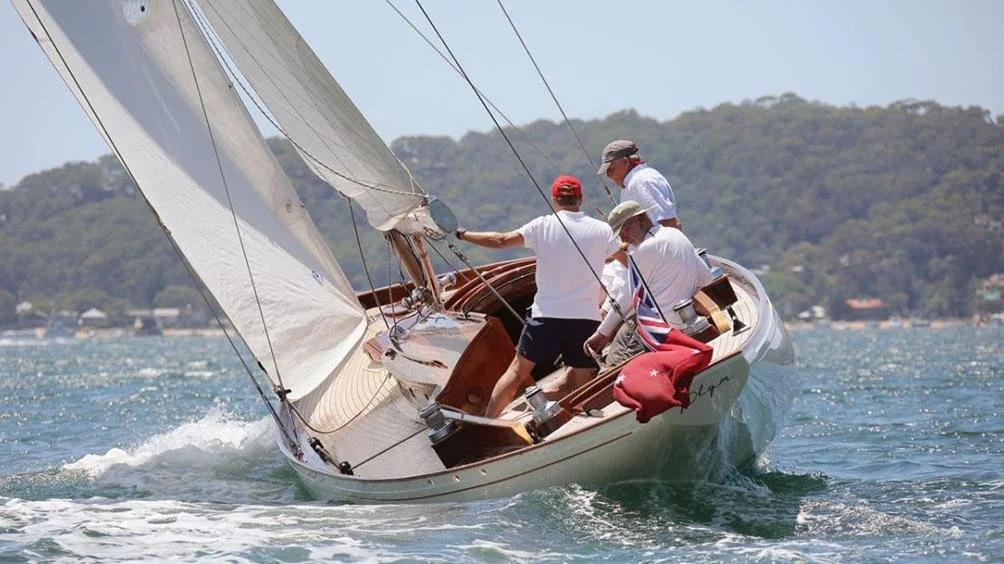
While witnessing these wonderful displays of classic yachts outperforming lighter modern boats with their longer waterlines, “something simply just does not ring true!” How can these classics win off scratch in mixed fleets, often against ‘significantly faster’ boats of more ‘flighty’ proportions and high tech construction and yet be considered slow and outdated.
Classic Performance Part 1
Consequently, winning races became a challenge to outsmart the rule maker as much as to produce a better boat. Unfair shapes with rule cheating ‘rating’ lumps and bumps, poor stability, structural failures and handling issues became the norm, as the design challenge was to find the fastest sailing configuration which would ‘appear slowest’ under the version of the rule applying at the time.
CARESS-A magnificent restoration
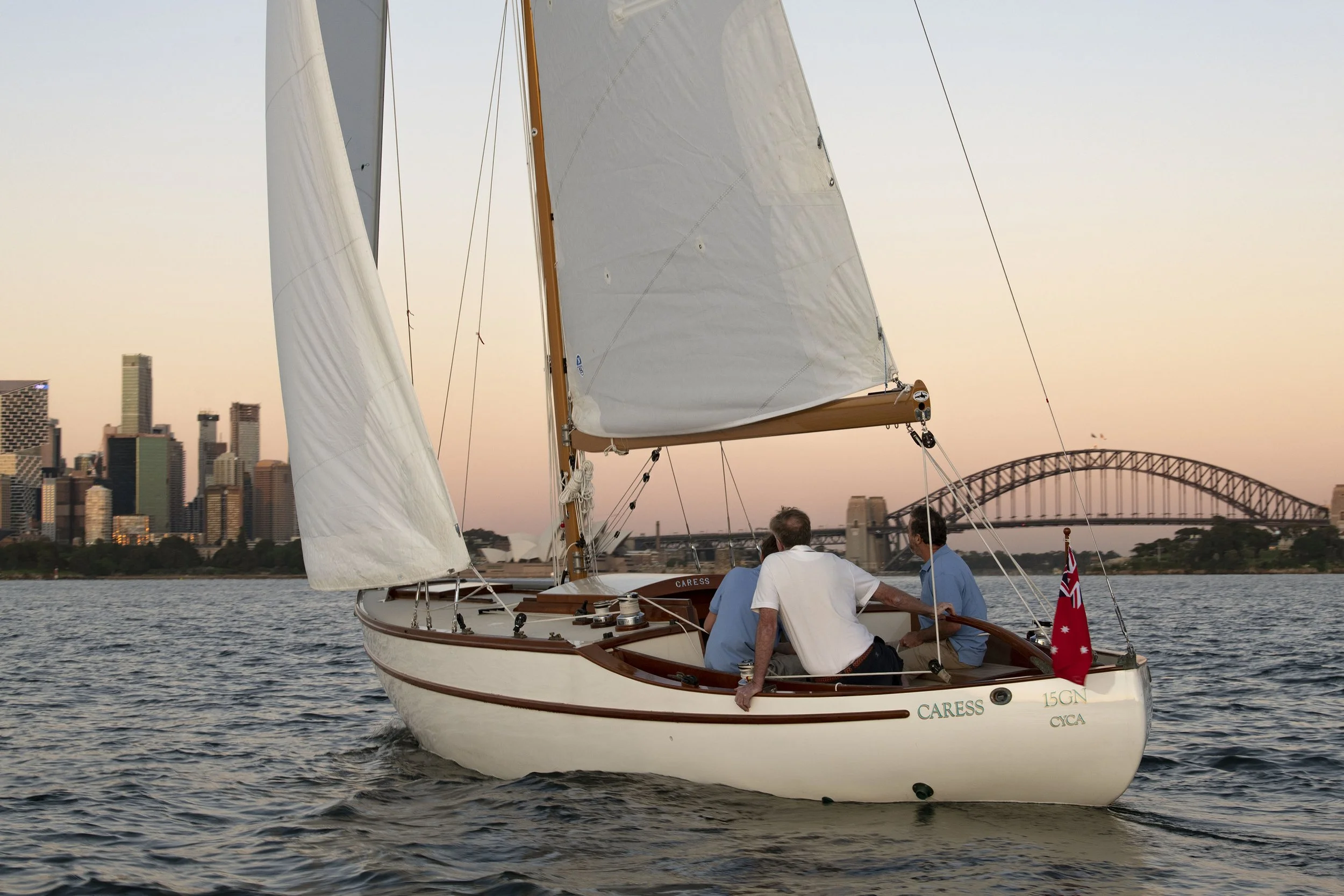
With her distinctive raised deck, pretty canoe stern and unique shear strake, CARESS is the epitome of a truly classic design from a past era.