
Ancient and Modern

Huon Pine Trees near the Pieman River, West Coat Tasmania
Much of the discussion these days amongst reputable shipwrights, is about the difficulties of finding a timber supply that’s both reliable and sustainable. With the reserves of quality boat building timber running low, and rules tightening as to which existing trees can be accessed, repairs, let alone new traditional builds, become a juggling act of swaps and favours, and off the record transactions. There are plans afoot to try to create a systematic and sustainable way to fulfilling the needs of traditional boat builders (and high end furniture makers) but its not going to happen tomorrow. As more and more projects are forced to source their new timber from overseas, we not only loose control of the accountability for the way the timber is harvested but we also loose the distinctive antipodean personality, that Huon, Celery Top and Kauri have given to our fleets for over 200 years.
Any movement needs its purists; people who consider “epoxy” to be a dirty word, and are happy to rinse their cotton sails in seawater every time it rains. Most of us sit nearer the middle of the spectrum enjoying and admiring the best values and aesthetics of traditional looking craft, but appreciate a watertight hull and push button navigation more than a slavish devotion to outdated techniques.
And then there’s the other end of the continuum where adventurous designers are exploring ways of combining timber with cutting edge construction techniques, to produce fast, low maintenance sailing craft. Here are three such examples.
THE WOY 26 by WOY YACHTS
GRODERSBY
GERMANY
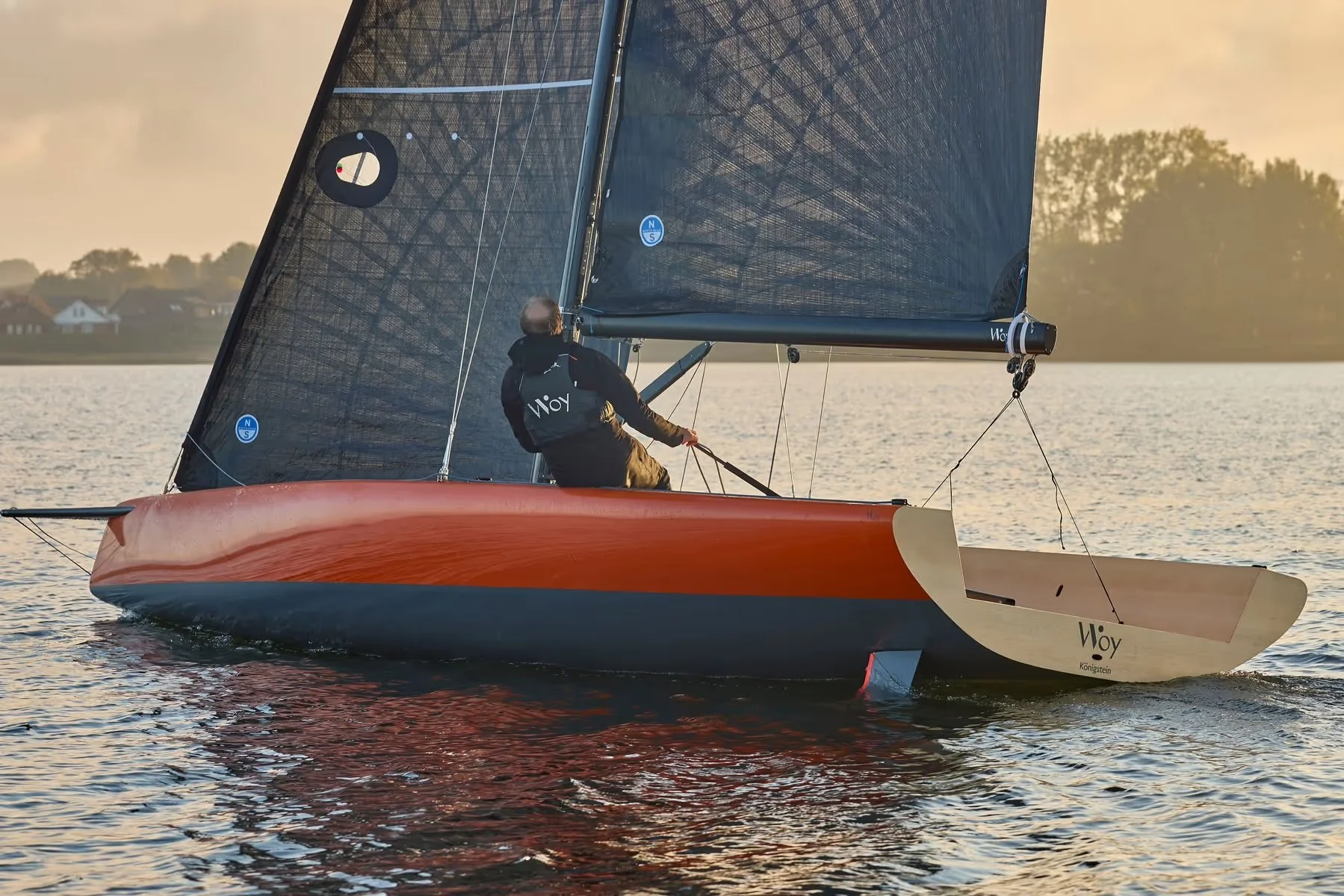
When I see pictures of this boat they make me want to go for a sail …..very, very much
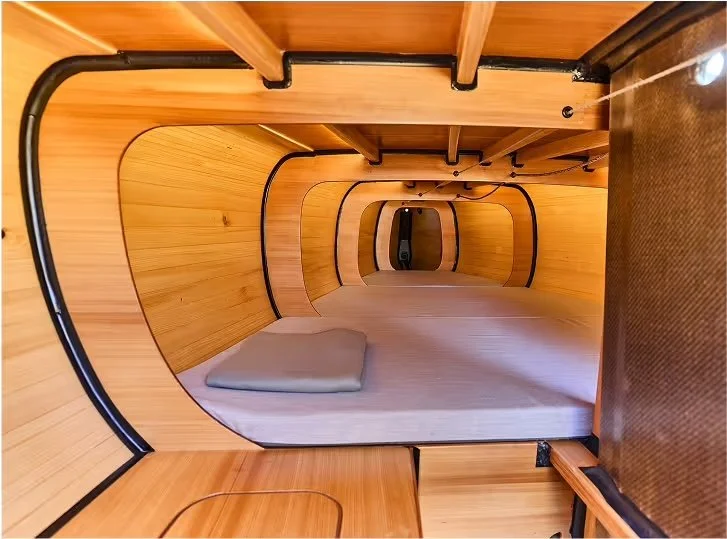
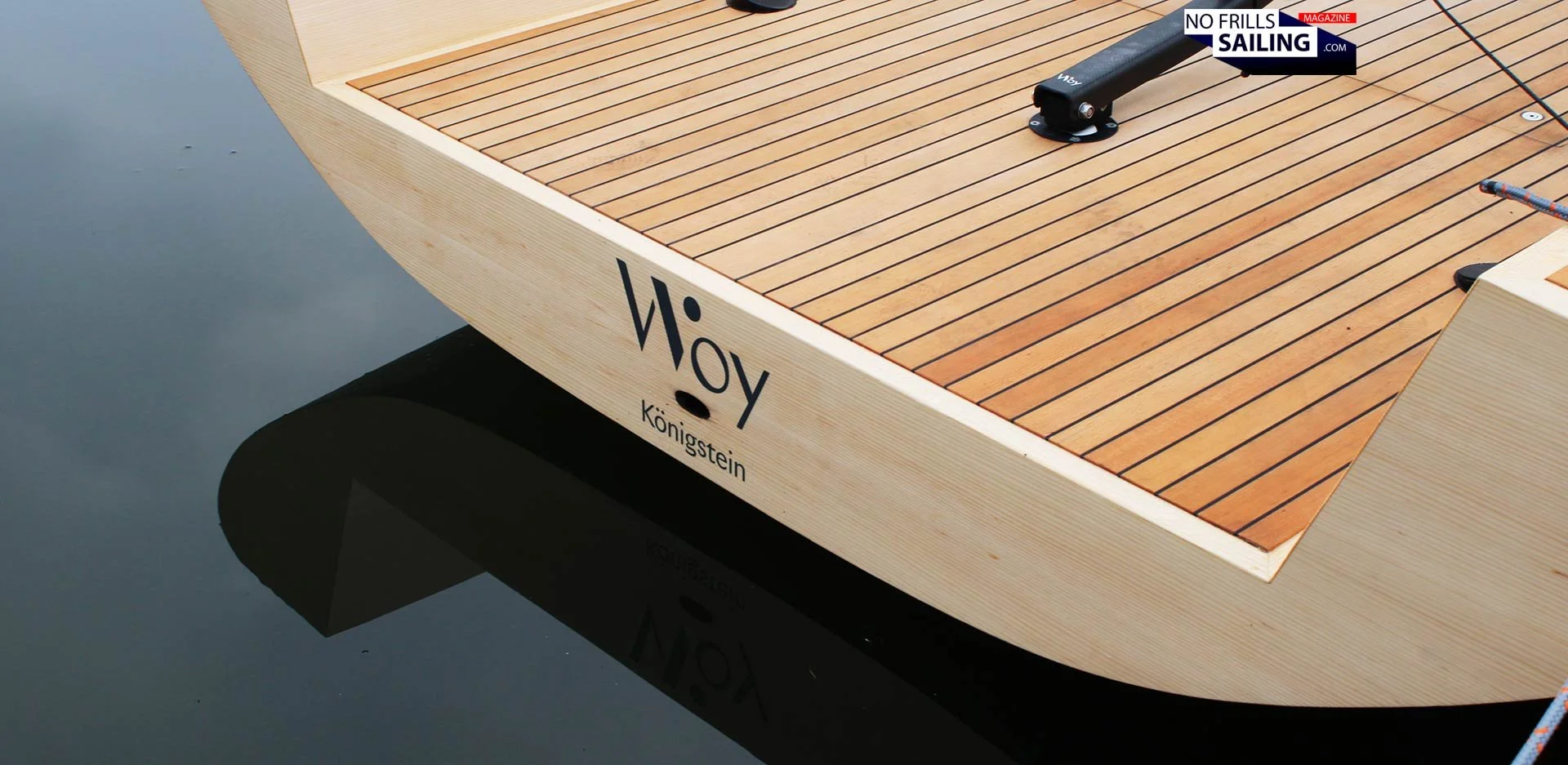
The dinghy-like hull gives no indication of its construction material from the outside. Looking across the deck, all you see is beautifully curved lines pine planking, smoothly rolling over into the gunwale. Below deck, is where you see the real timber structure. The outer hull is visible from the inside, as are the bulkheads, stringers, deck beams, and keel box. All wooden parts are clear-coated, hiding nothing.
The boat is powered by a lightweight carbon rig. The mast features streamlined spreaders, so no backstays. A self-tacking jib allows easy upwind sailing.
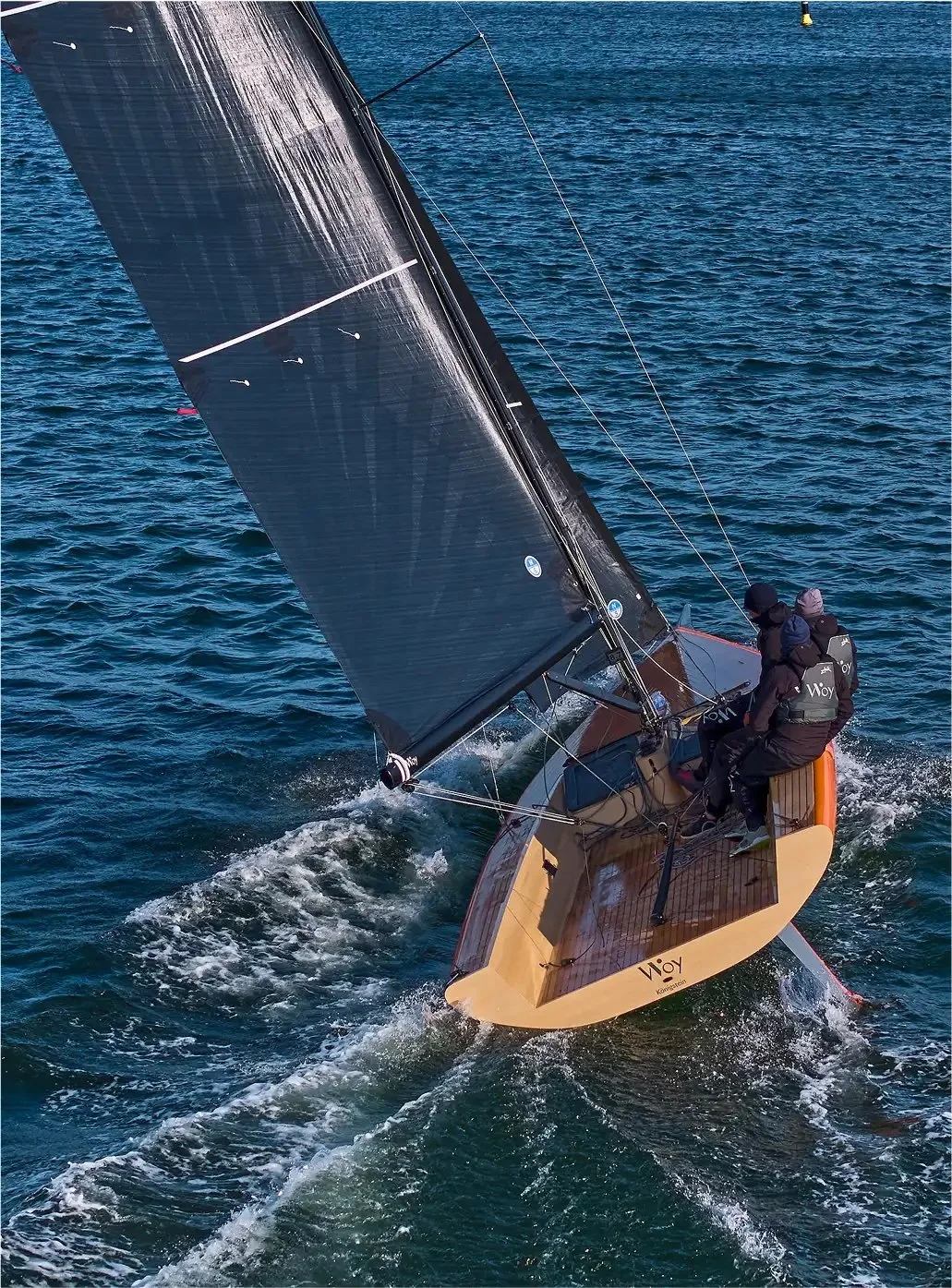
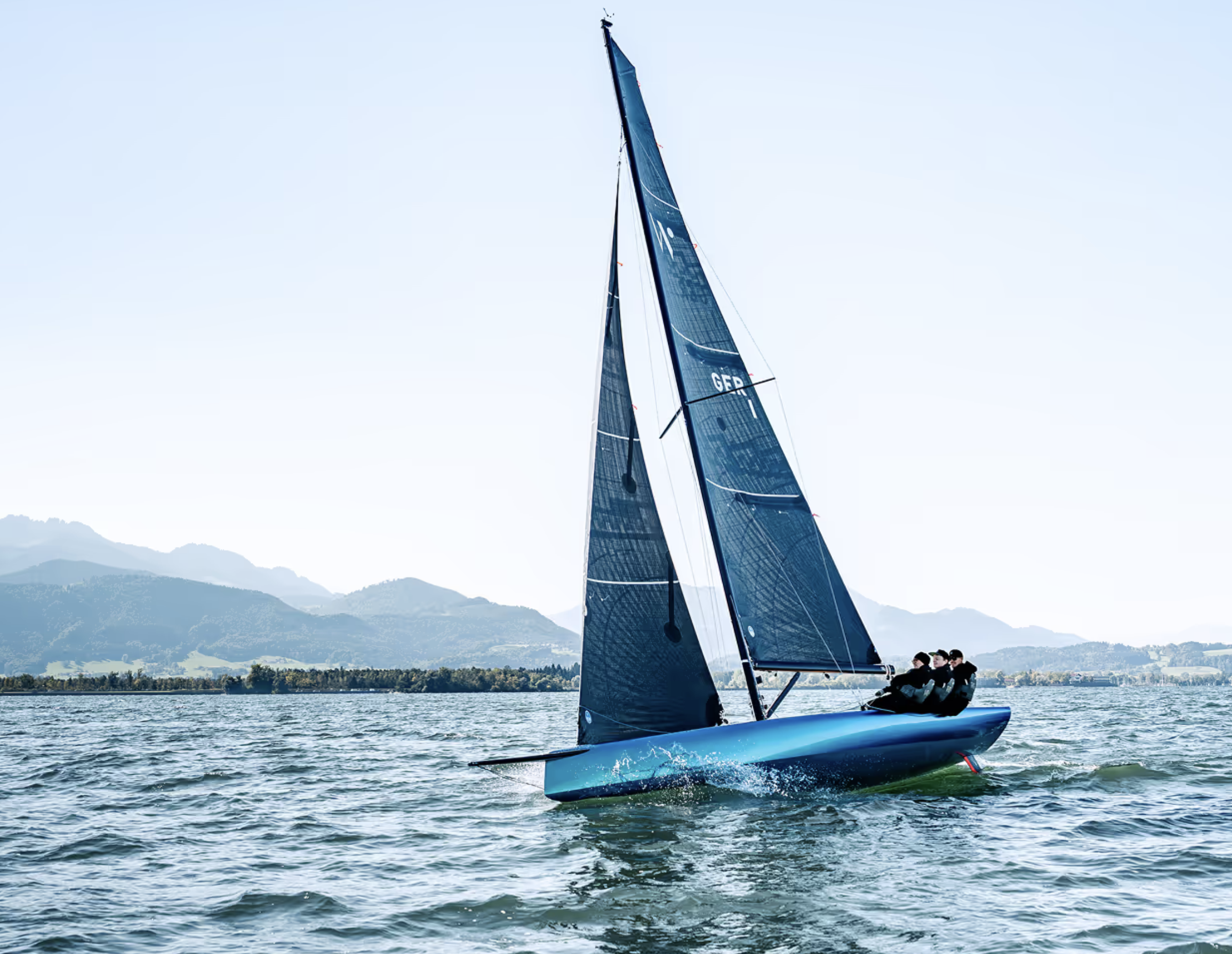
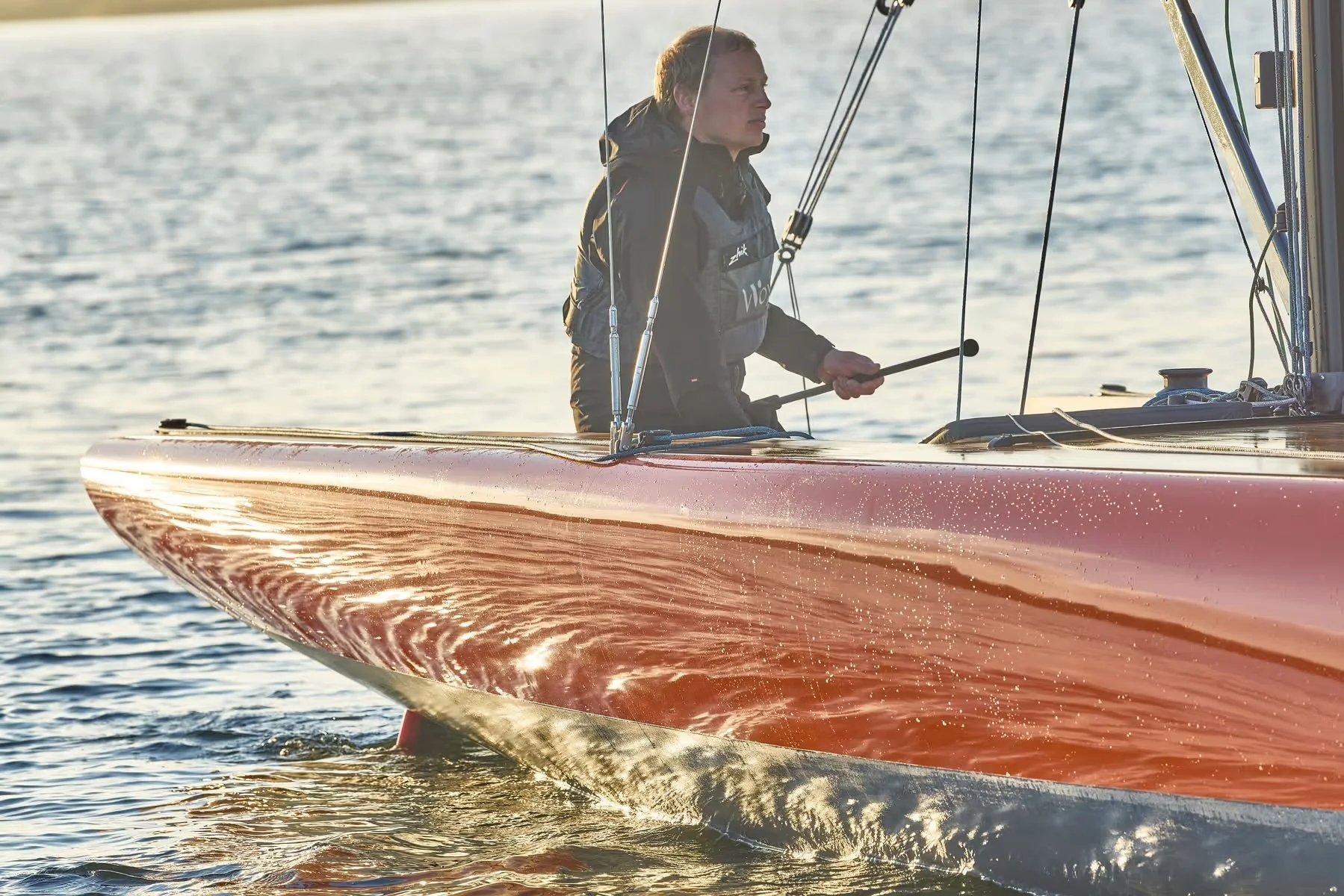
I also think the trailerable aspect of the design is important. A boat like this can’t really sail from venue to venue so having an alterative way to access diverse cruising grounds is important. Thanks to its light weight and a reducible draft to 1.10 m it’s easy to transport.
It’s easy to be cynical about “greenwashing” in marketing brochures, but I like the sentiment expressed in the “Woy Philosophy”
With the ambition to modernise wooden boatbuilding comes the responsibility of finding new solutions to old problems. Carefully selected softwood veneer possesses perfect properties for producing an extremely stable yet lightweight hull. This allows us to forgo the use of tropical hardwoods in the construction of our Woy boats, thus protecting the natural environment you want to experience with your Woy.
It’s pretty much the idea that I was trying to propose in my opening paragraph!
More information on what I think is an exciting wooden craft HERE.
And by the way you will need about 200,000euros which sounds like a lot but try building a quality plank on frame boat of similar size for that number!
TISON 48 by THOMAS TISON YACHT DESIGN
VILLEFRANCHE-SUR-MER
FRANCE
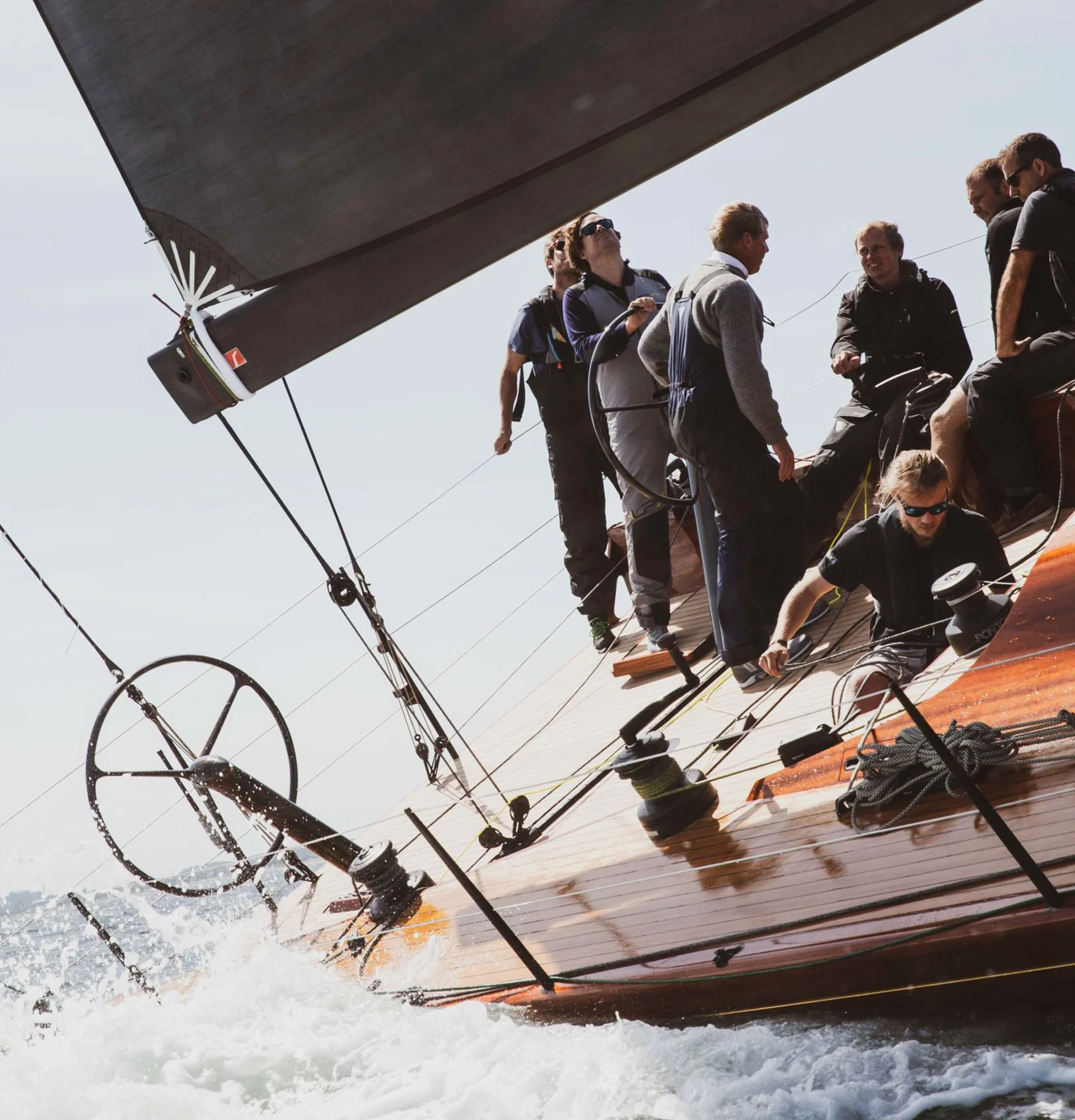
This boats been around for three or four years now but there’s some incredible technology built into her and finding a boat that combines varnished mahogany topsides with the numbers of a cutting edge Grand Prix racer is pretty special!
Elida is first and foremost a racing yacht, where an open plan interior was added comprised of: a chart table aft of the companion way with sliding navigator seat, aft cabins with pipecots which can be switched to real beds when cruising. The interior spares no luxury and decorated in a classic Herrefshoff style with galley, oven and including a heating system with a custom designed hand warmer by the companion way. The dual purpose approach can also be seen on deck with a clean and large cockpit to which backrests can be removed when racing and added for more protection when cruising.
The design combines engineered timber construction with high-tech materials including strategic use of carbon. Designer Thomas Tison, a structural engineer with an America’s Cup and aerospace background, created a custom laminate for the boat that he tested at Airbus’s engineering facility.
The result is a hull shell that weighs only 1,000kg, yet will withstand similar forestay loads to a TP52. This allows for a very hefty keel bulb, with a 45% ballast ratio, while keeping overall displacement low. The hydraulic lifting keel has an unusually deep maximum draught of 3.20m, so the boat is less reliant than most on form stability.
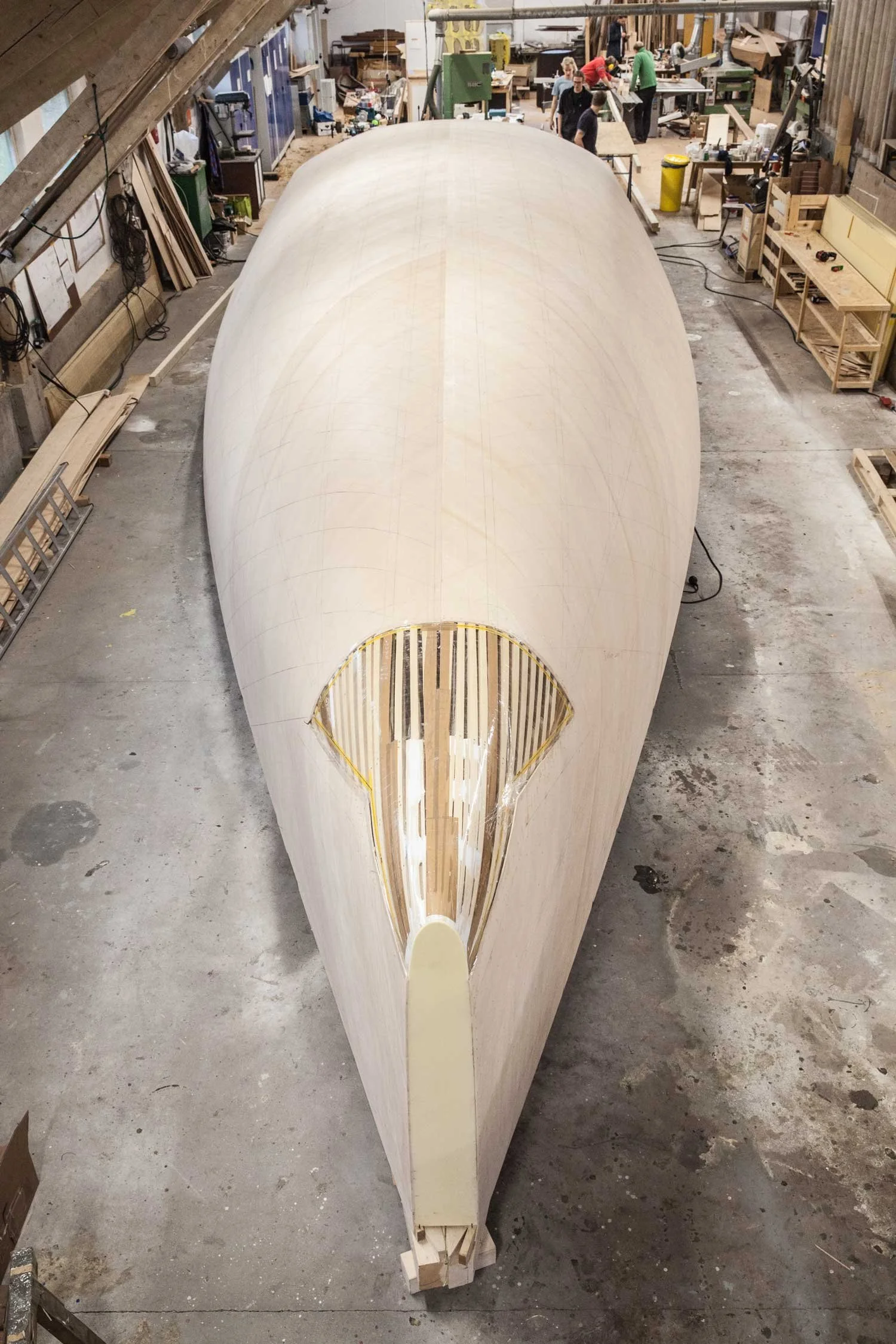
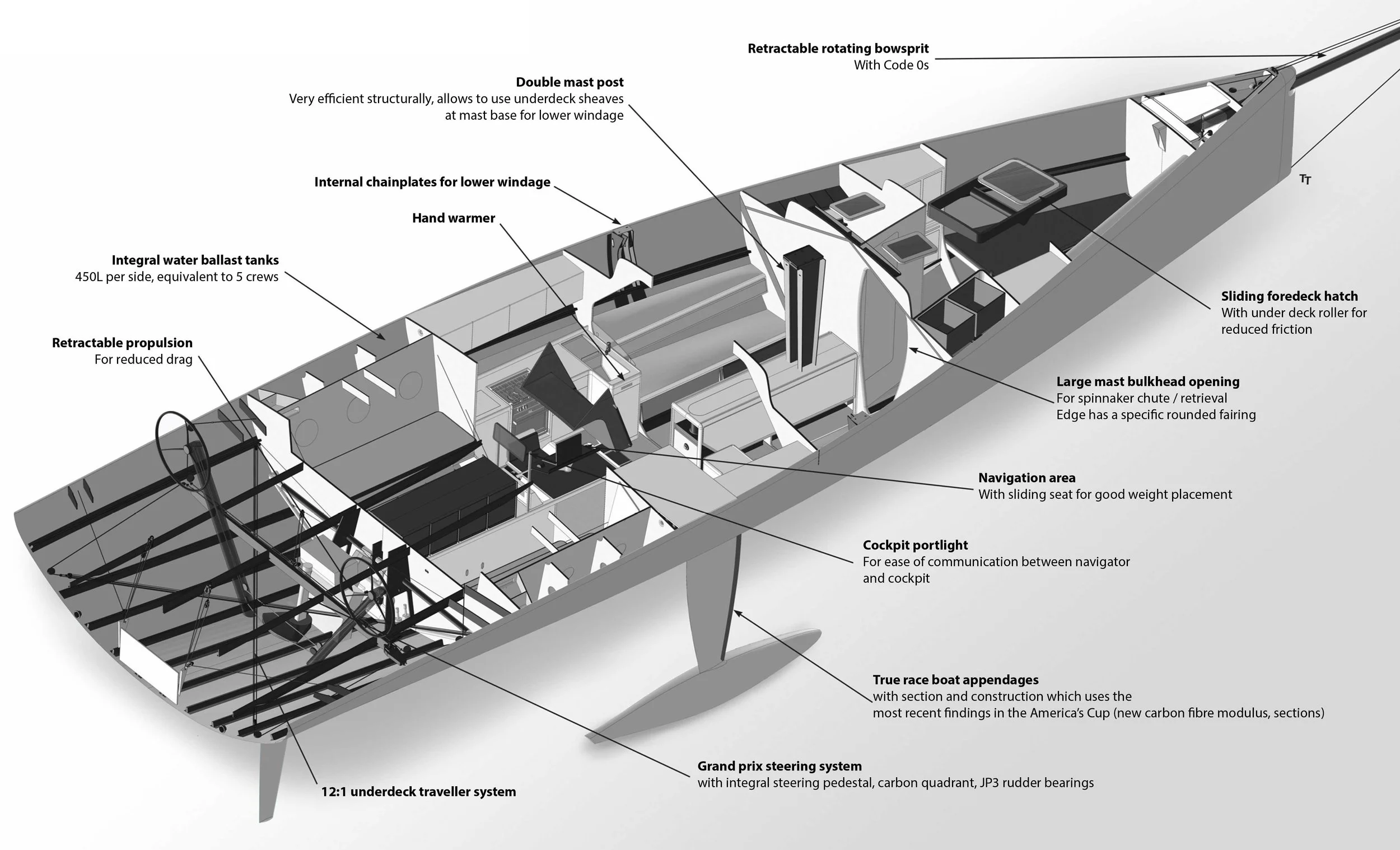
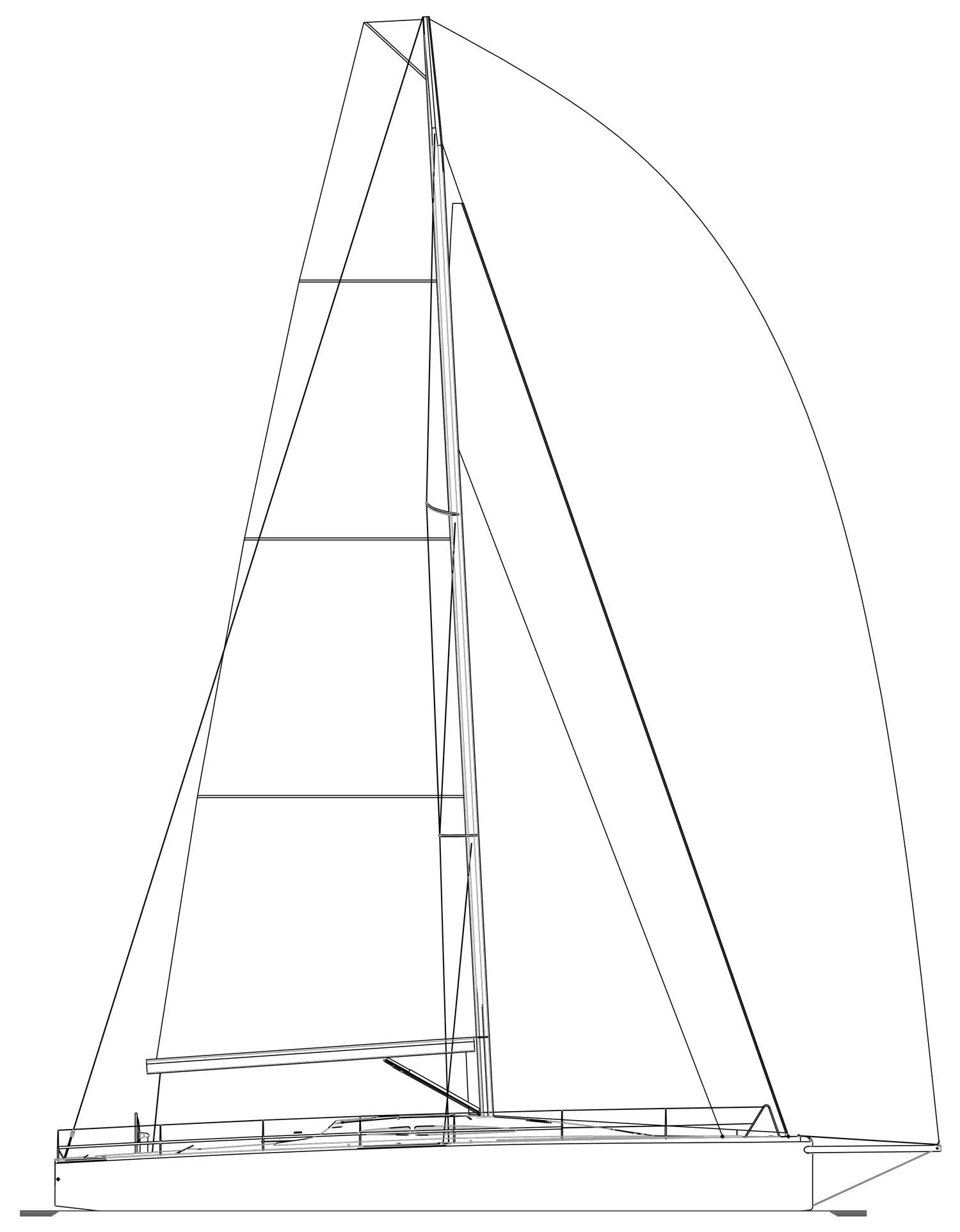
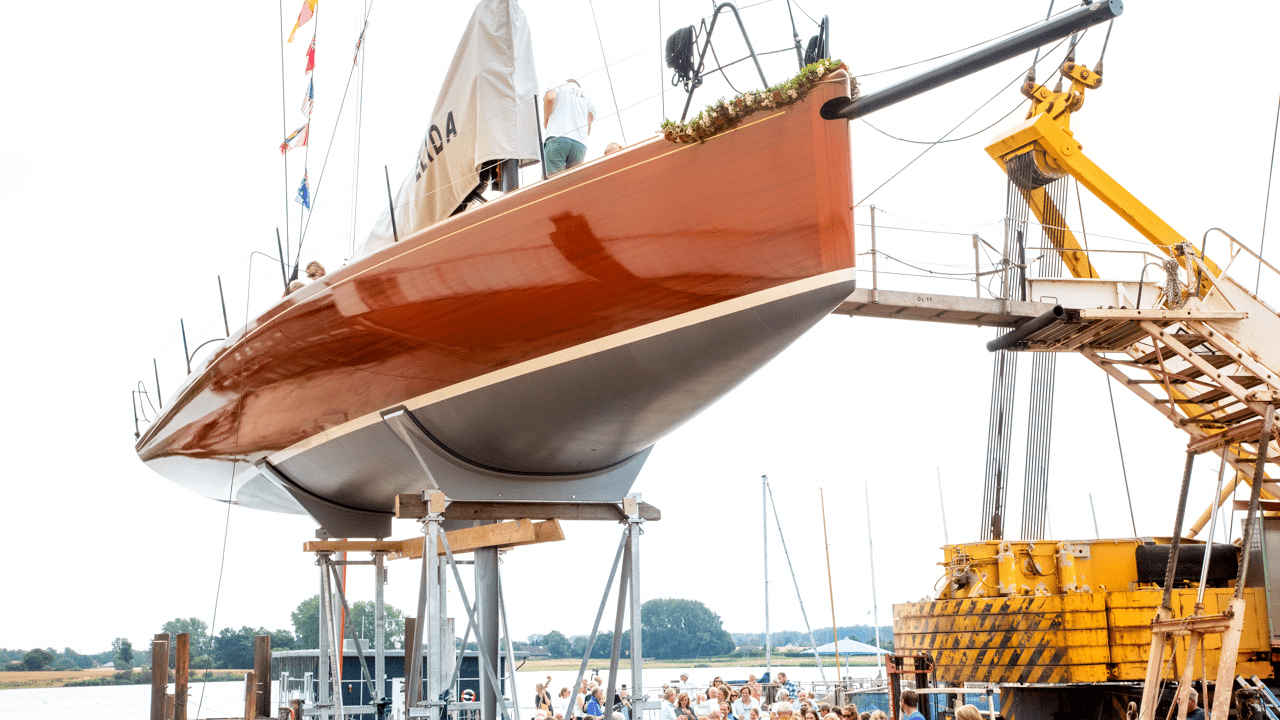
The construction method seems to be the key to the extreme light weight of the hull
According to their website there are four key elements
4 layers of wood glued together with our specific epoxy based structural adhesive
precise specification of wood layers and vaccum bagging for an even and reliable bond between layers
wood is sealed from air all around with an outer carbon fibre layer for extra protection
our Exoskin itself is laminated comprising of global composite reinforcements calculated to meet modern standards of stiffness and strength
In addition, the hull is faired by sanding, thus using no fairing paste and saving weight for an additional level of refinement.
And Tisons “Environmental Statement” in regards to the use of wood in the constuction process is pretty convincing
Reducing the amount of additional CO2 in the air is now an objective across all main continents. With today’s composite materials, petrol is extracted from the ground and CO2 is released in the atmosphere when transformed into plastics, resin, fibers and all other by-products.
By storing CO2 instead of releasing it in the air, growing trees and storing CO2 in everyday objects has a net effect in the reduction of emissions which far outweighs the CO2 emitted during its transport and transformation. This, combined with using less carbon fiber in the construction of our yachts has a real quantifiable effect.
Third party analysis by specialist Nepsen E6 has shown that our method reduces CO2 emissions during the construction by 21% compared to a full carbon fiber construction and we hope to keep improving on this result in the near future. International targets are currently for a reduction of 45% by the year 2030 and choosing the Exoskin construction method is a step towards achieving this goal.
LOA: 14.75m / 48ft 5in
Beam: 4.45m / 14ft 7in
Draught: 2.50-3.20m / 8ft 2in to 10ft 6in
Displacement: 7,760kg / 17,100lb
More information HERE
The LM46 by KEVIN DIBLEY and LYMAN MORSE
MAINE
USA
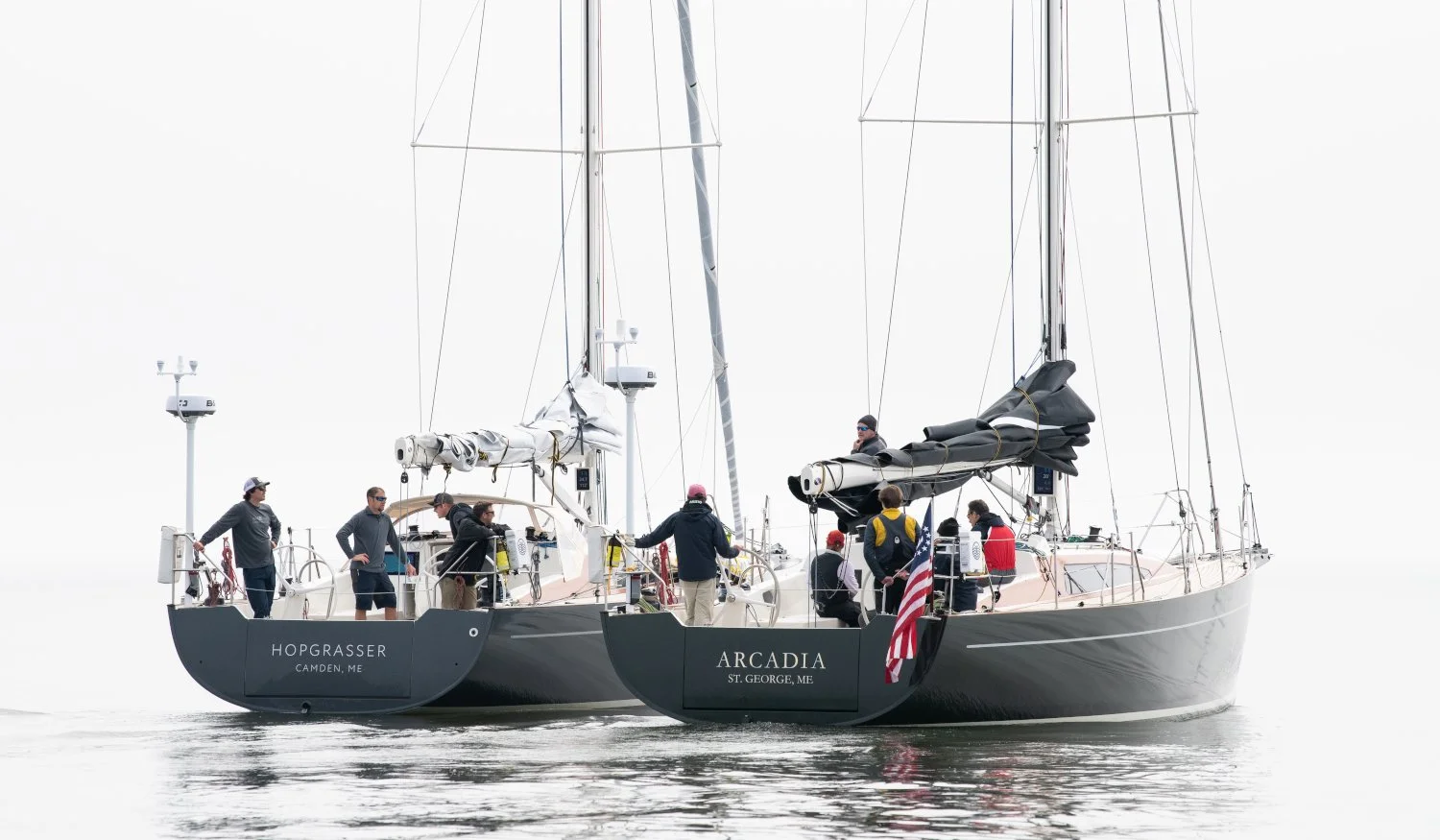
The Lyman Morse website describes her like this
A high-performance, bespoke sailing yacht that will reconnect you to what matters. With a low-maintenance, cold-molded hull that offers the unmatched, comfortable motion and ambiance of a wooden boat with the 10-knot-plus speeds of a modern performance yacht, you and your family will form a bond with the LM46 that will last generations.
OK, it sounds a little breathless but the sentiments are alighing well with my personal values!
While a similar length to the TISON this yacht is far more of a cruiser/racer than a racer/cruiser. But given the design pedigree from Kiwi, Kevin Dibley and the big sail plan (swept-back spreaders and 1,183 square feet of sail, including a squaretop main) and light construction methods, you are going to win a few races along the way! Make no mistake… This is no docile, classic wooden boat. And I like this, from the website
Comfort doesn’t come from jamming every shoreside amenity into your boat, it comes from the reassuring motion of a Douglas Fir/Western Red Cedar hull sliding quietly through the water, the knowledge that you have everything you need aboard (and nothing more),
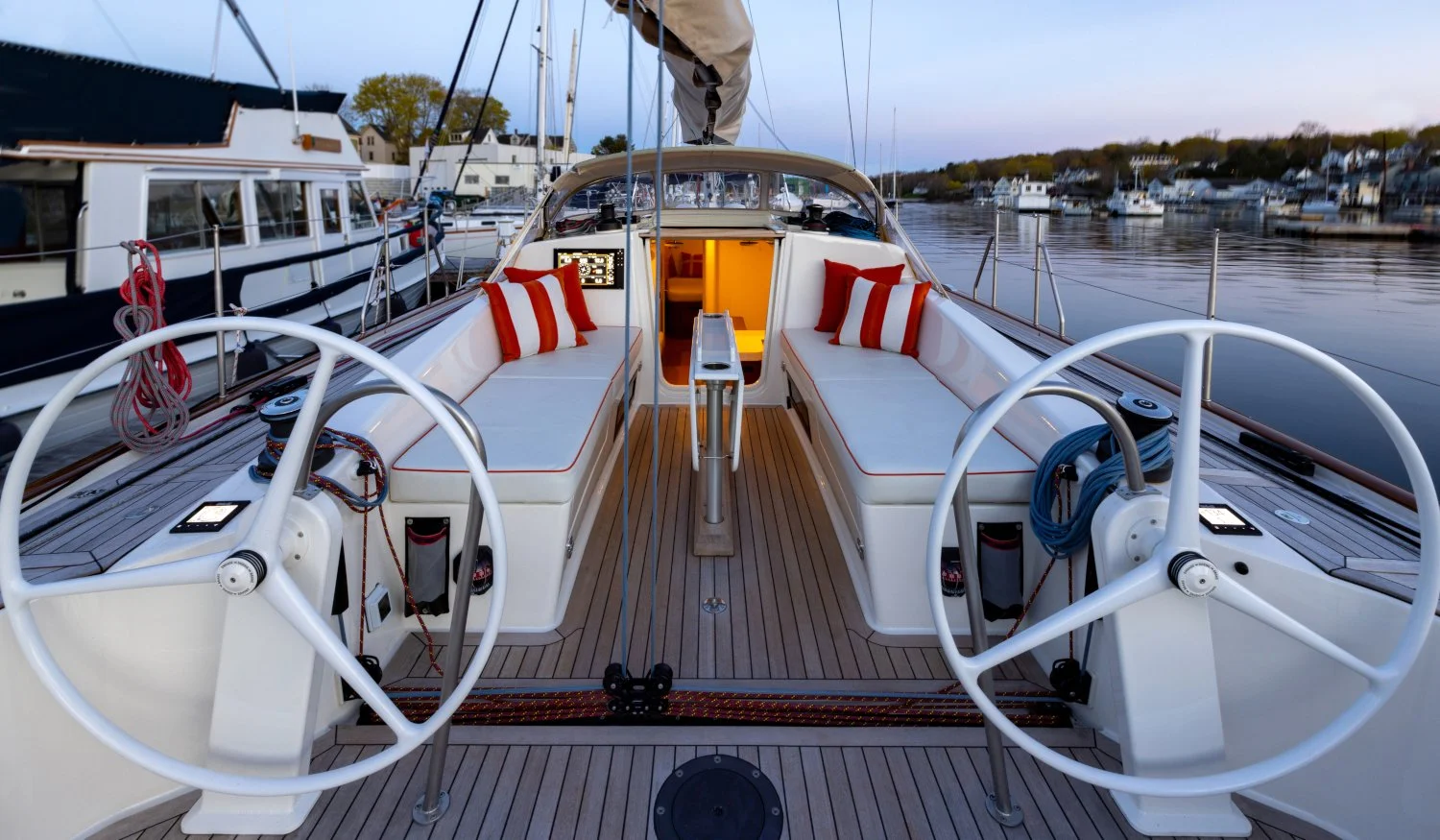
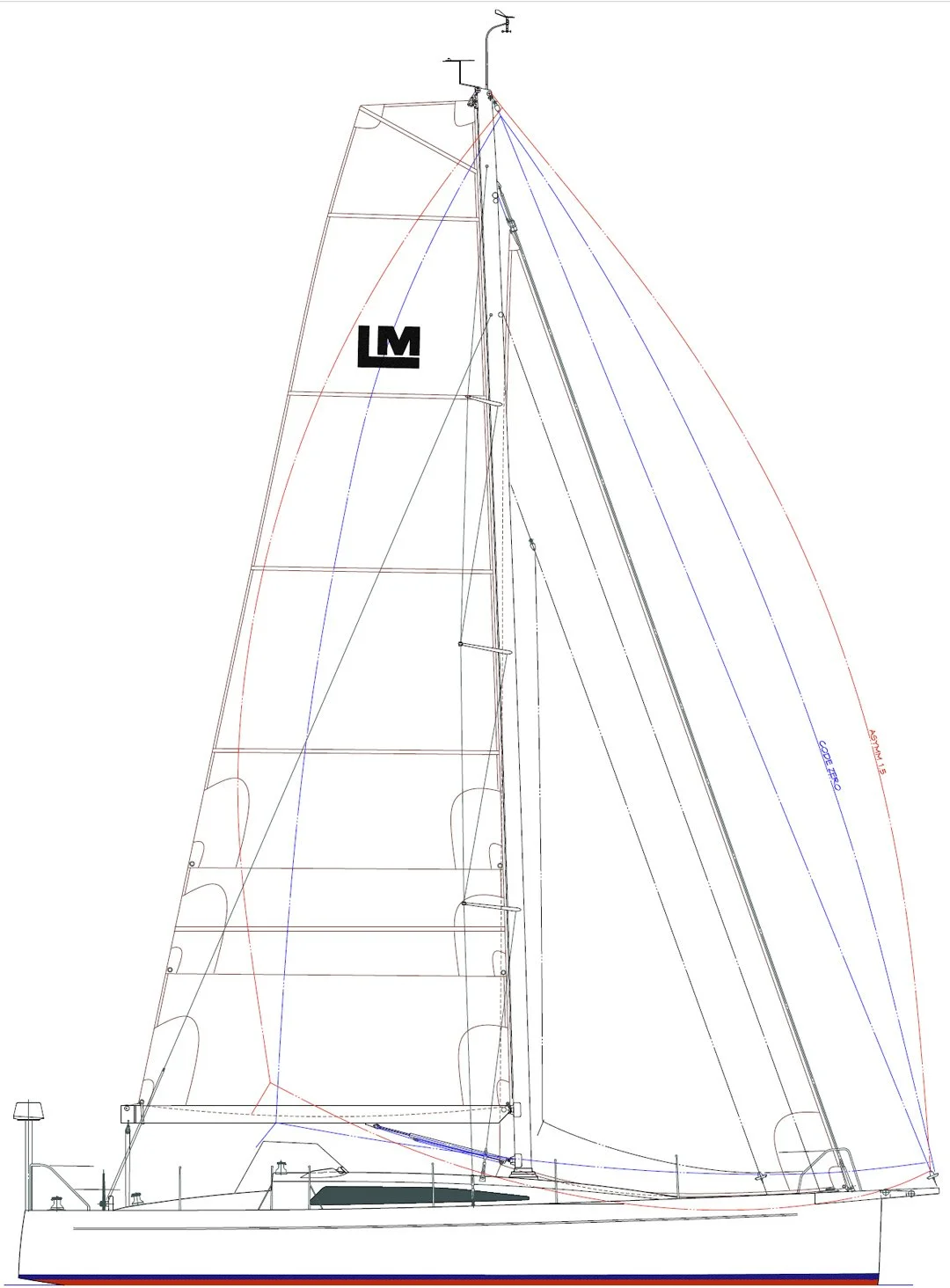
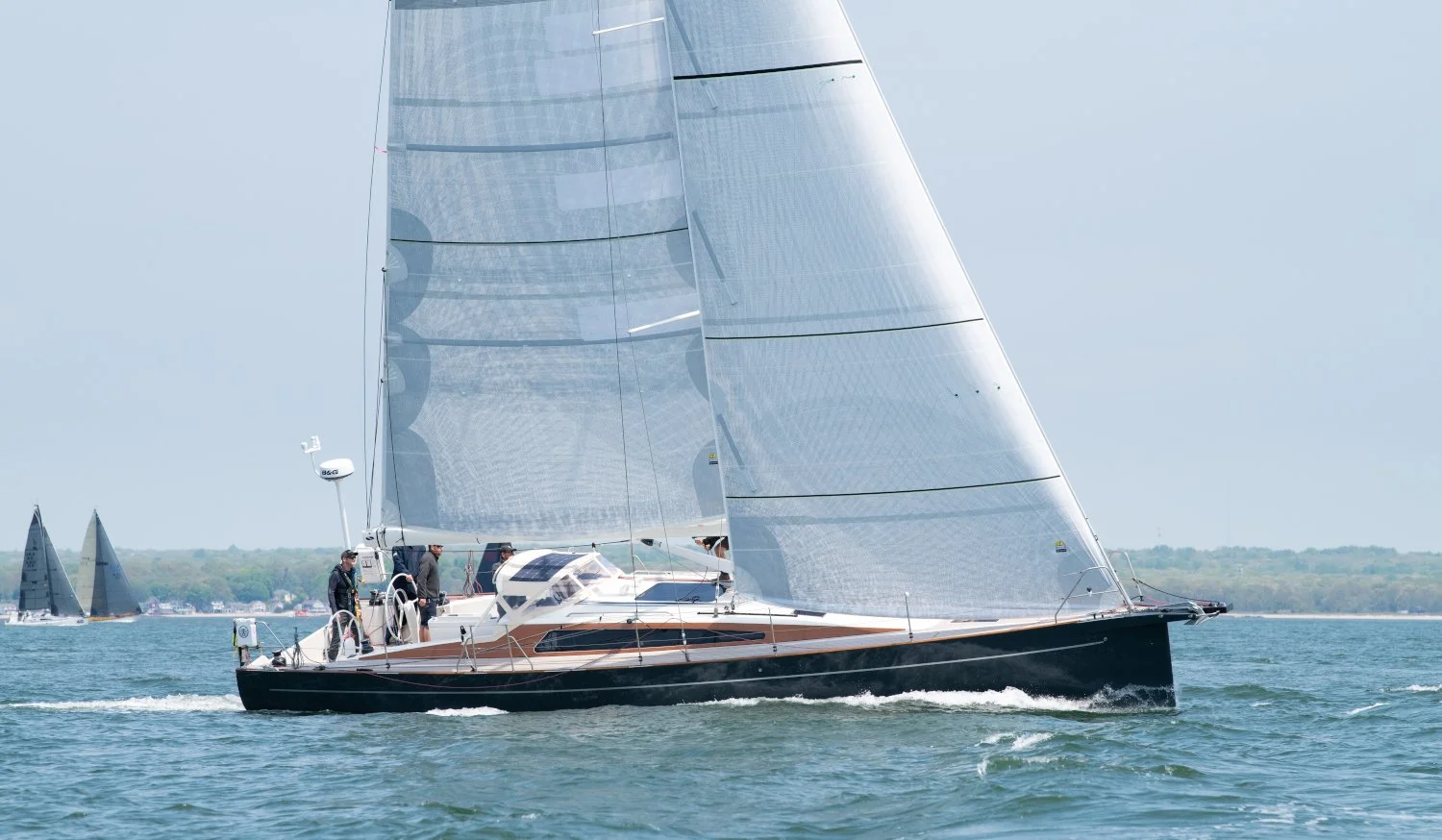
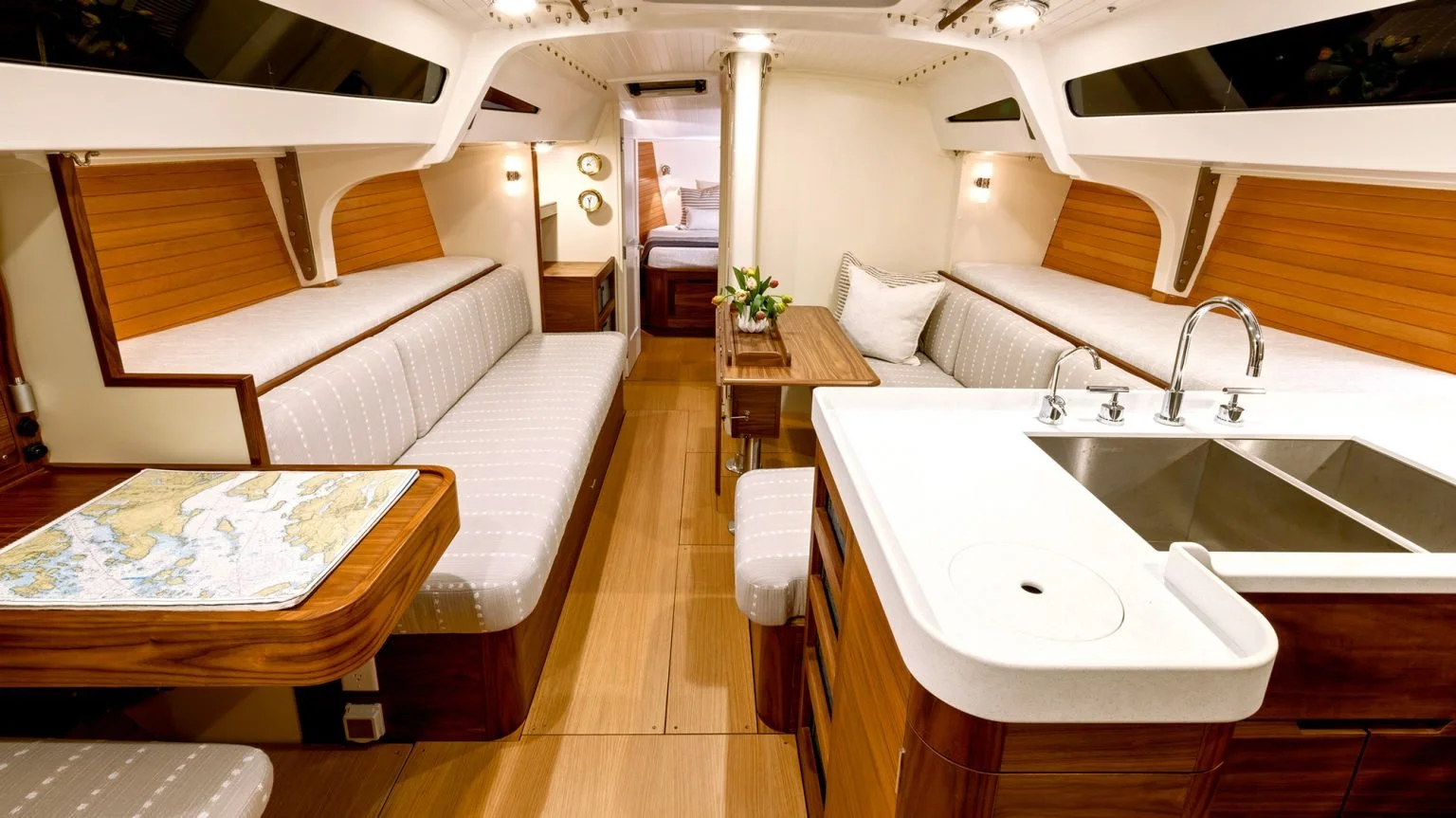
In a recent review in Cruising world Magazine the boat Herb McCormick described like this…
The LM46 is not inexpensive, but it epitomizes what my wise old sailing mate Alvah Simon referred to as “heirloom quality,” something so fine and lasting that it might be passed along in one’s family for years and generations to come. Those are high aspirations, certainly. But in the case of Hopgrasser and her sisterships, they’re attainable ones as well.
More information HERE
While I suspect many of our readers will turn their noses up at the look and construction of the three boats above, I can’t help thinking that Bob Dylan knew a thing or two.
The wooden boat world should remain a broad church, referring back to the values of traditional sailing rather than just the physicalities.
And you would be a wowser not to want to go for a sail on one!