
The News, Culture and Practice of Sailing woodenboats
in Australia, New Zealand & The South Pacific.
SWS is a not-for-profit enterprise, created for and by the traditional maritime community. If you read and enjoy it, consider supporting us financially.
Click Here to Donate
Staying Upright- Part Two
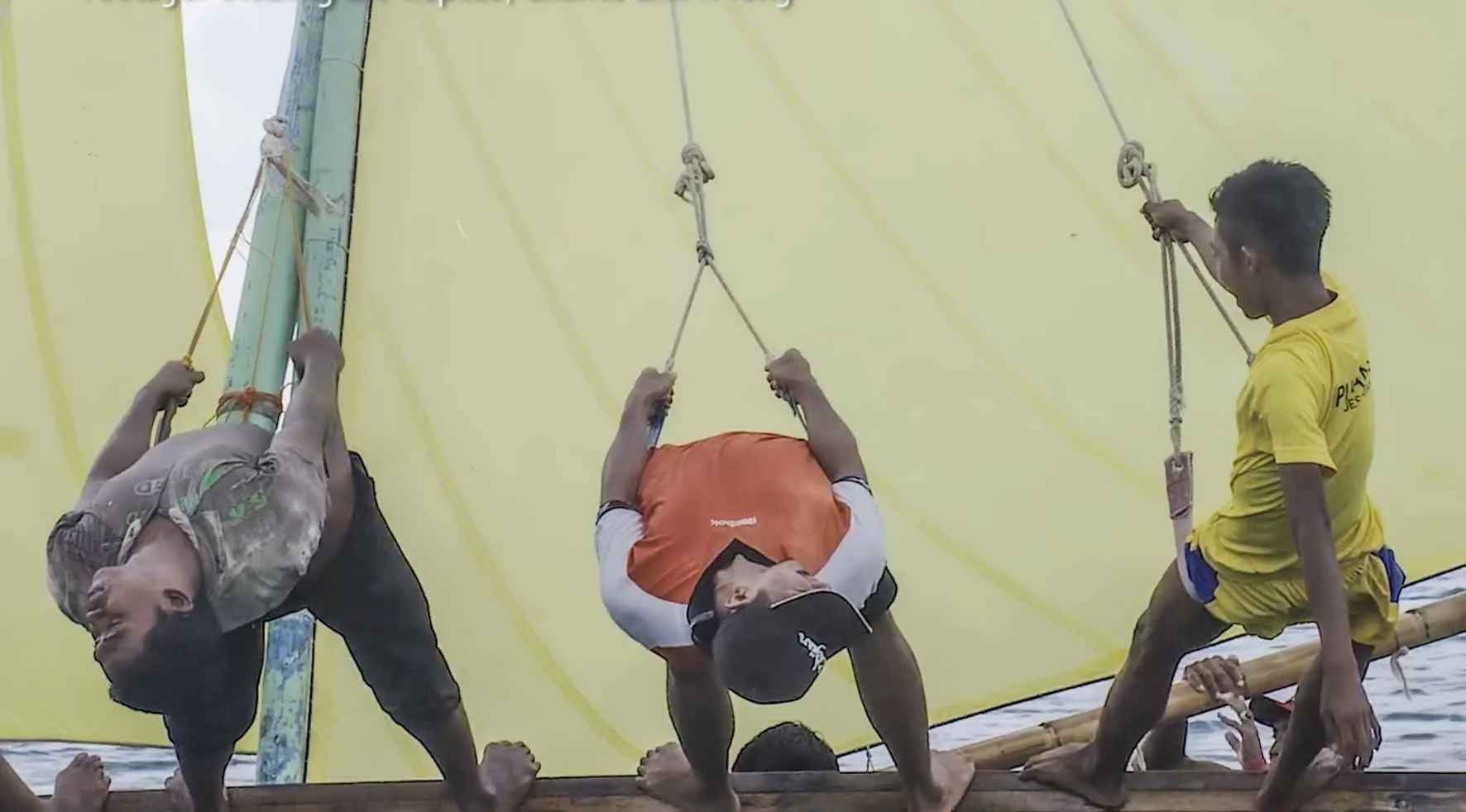
Yet the trapeze's journey from experimental curiosity to universal standard, spans not just decades but centuries - with roots that reach back far beyond the yacht clubs of Europe — to the traditional waterways of Southeast Asia and the competitive sailing scene of New Zealand between the wars.
'Overloaded' Haitian Sloops Don't Get Enough Credit
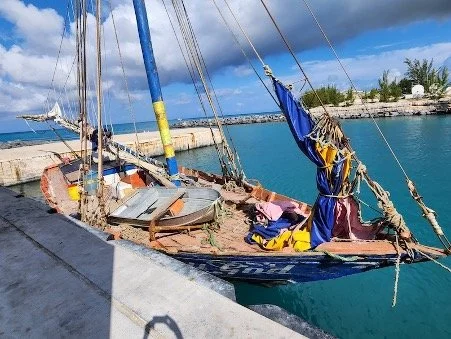
Plying a small corner of the Western Hemisphere, Haitian sailing craft must surely represent one of the simplest and most successful designs in history, having changed little since their presumed introduction to Haiti by French colonizers in the early 18th century.

Classic Performance - Part IV
A well-balanced hull however, retains a stable longitudinal position of CLR as it heels. This property is crucial to ensuring the balanced helm of a yacht. If the boat is also directionally stable, it is even possible for the hull balance to be matched to the turning effect of the heeled rig, enabling the boat to free-sail ‘hands free’ at any heel angle.
Classic Performance - Part III
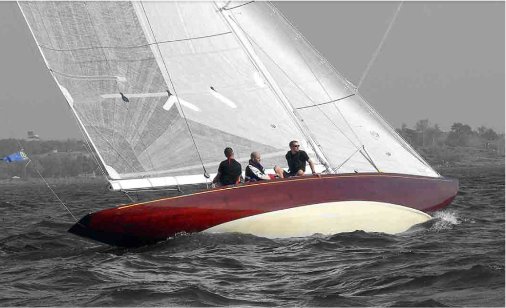
A boat is directionally stable when CLP is aft of LCG, even when the rudder is free to turn. It is said to be in a state of ‘stable equilibrium’. These craft with long keels or skegs aft tend to track straight ‘hands free’ without the need to hold the tiller and they also track straight under tow, but are directionally unstable and difficult to steer when moving backwards.