
Wooden Boats Making World Headlines
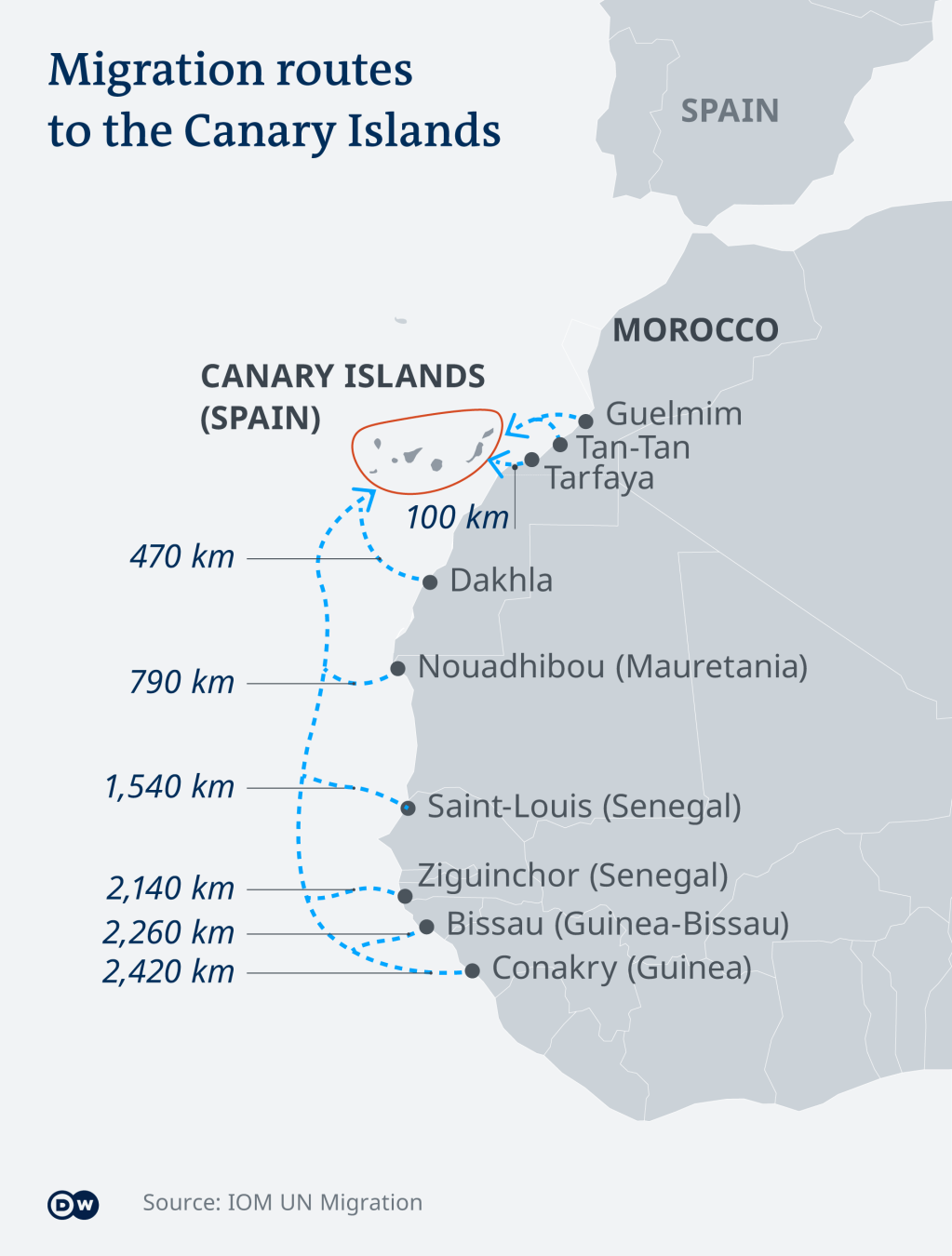
I know that these aren’t the sort of wooden boat stories that you came to this site to hear about, but its easy to sweep this news under the carpet as we worry about cricket’s ball tampering fiasco and where we are going to buy perfume if David Jones collapses.
Spain’s general election, taking place this Sunday, is finely balanced between the Socialist-led government under Pedro Sánchez and Alberto Núñez Feijóo's conservative People's Party. You can guess whose hand this news plays into. Apologies for the computer generated Voice Over.
Ode to the people of the sea: voyages like none other
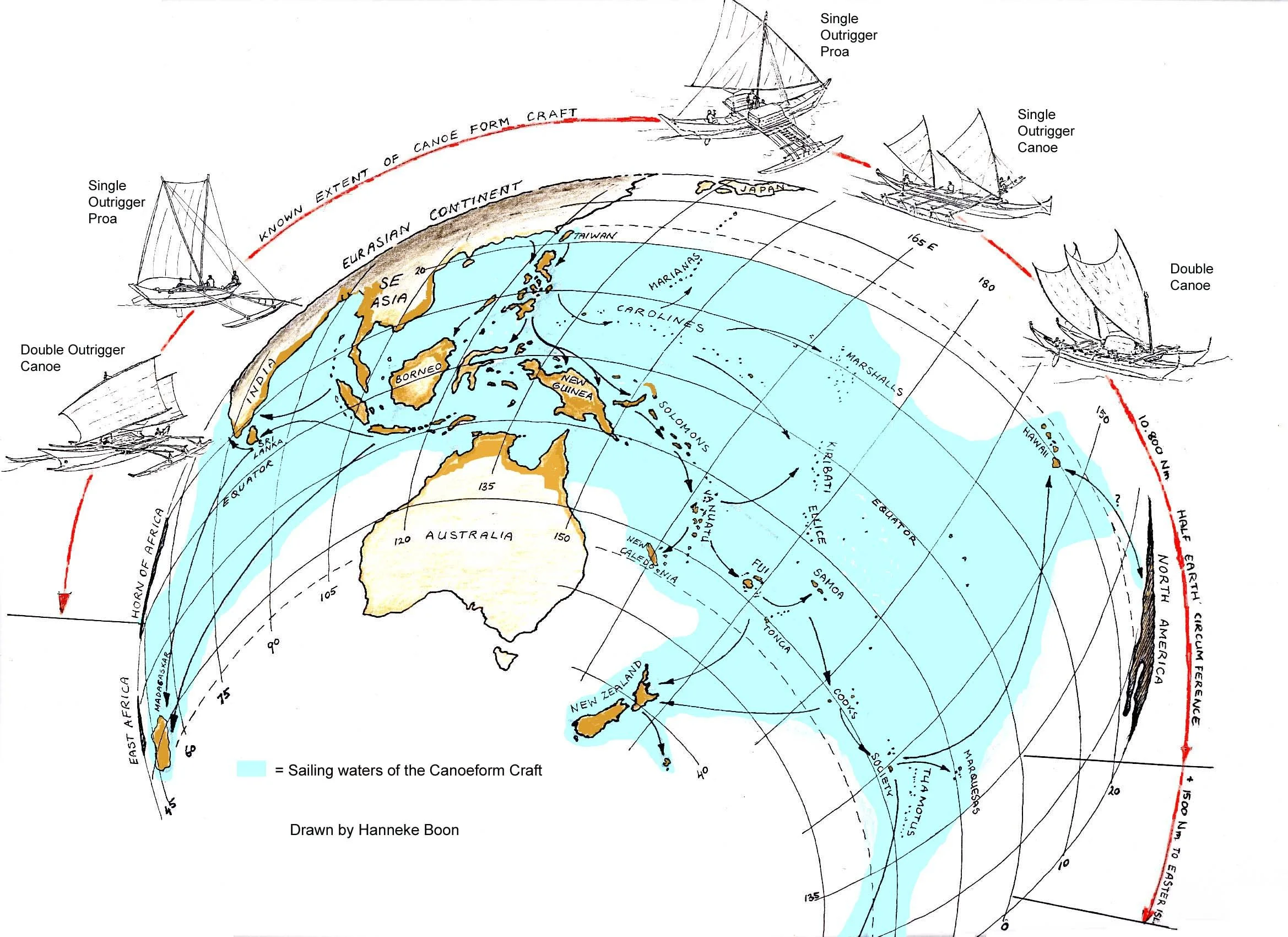
Another great story in SeaVoice this time by Hanneke Boon, best known as a boat designer, builder, sailor and artist. She joined the catamaran pioneer James Wharram in 1973 and became his co-designer. Together with Ruth Wharram, they developed Polynesian-style catamarans, and sold more than 10,000 sets of plans for boats ranging from 13ft to over 60ft. Her artistic and practical input helped make Wharram's concepts more accessible to the public.
“James Wharram was the British pioneer of ocean sailing multihulls. As a young man in the 1940s he spent many hours in Manchester Central library reading books about boats and sailing voyages. The book that inspired him deeply was ‘The Voyage of the Kaimiloa’ by French sailor and ethnologist Eric de Bisschop, who after years of exploring the Pacific on a Chinese Junk, built a double canoe in Hawaii and in 1939 sailed it half way round the world to France, demonstrating that such an ethnic craft was capable of long ocean voyages.”
Winner announced of the 17th Pantaenius Yacht Racing Image Award
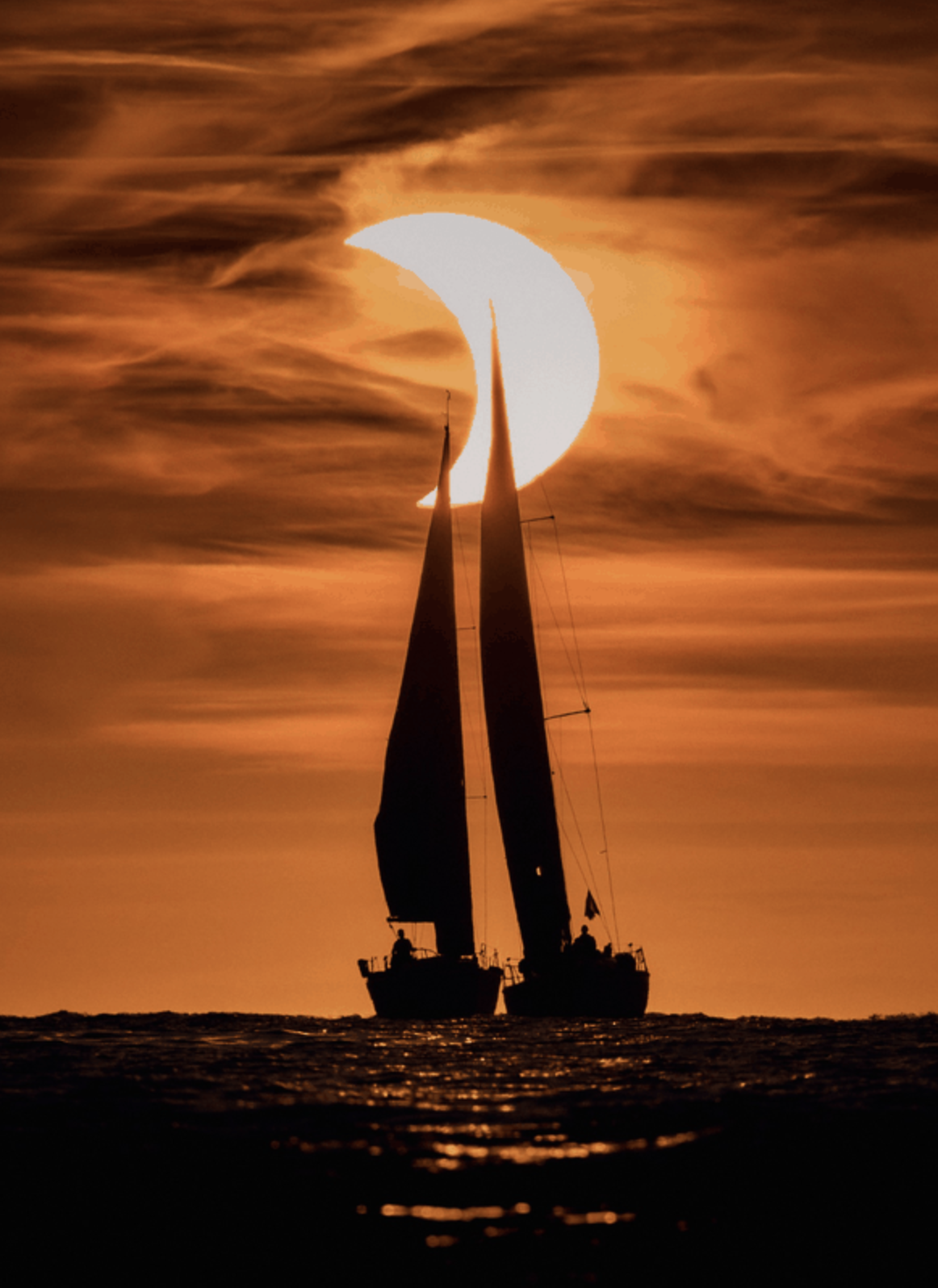
Polish photographer Szymon Sikora has won the Pantaenius Yacht Racing Image Award 2026, the leading international photography competition dedicated to the sport of sailing.
His winning image was selected by an international jury from a record number of entries submitted by 152 photographers representing 30 countries. Szymon Sikora’s photograph was taken during the Offshore Power Race in Kolobrzeg, Poland. It captures two racing boats silhouetted against this summer’s extraordinary solar eclipse, highlighting a different dimension of yacht racing: the beauty and fragility of the natural elements that provide the backdrop to our sport and make it so unique.
Sikora finishes ahead of New Zealand photographer Georgia Schofield, who takes second place, and France’s Martin Keruzoré, who finishes third.
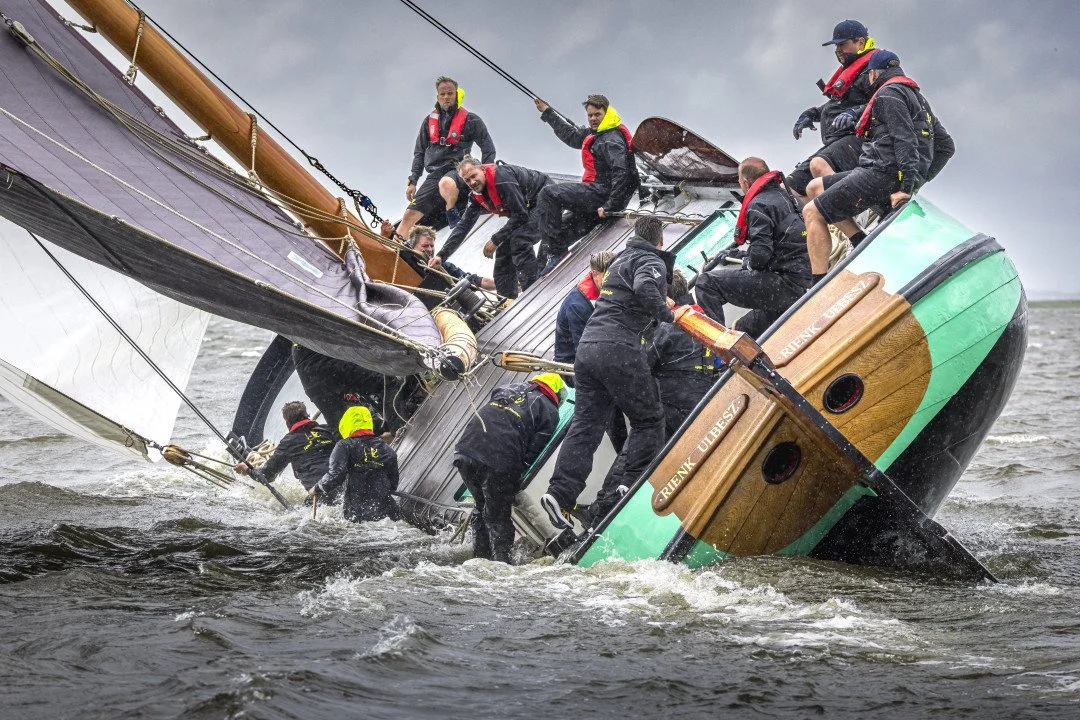
Personally…. I think the winning image is a bit cheesy. My choice would have been Tom Coehoorn’s photograph of the Rienk Ulbesz
Professional Problems
Following last week’s article entitled Amateur Dramatics, I liked this thought provoking comment from Master Shipwright, Offshore ledgend and friend of SWS, Peter Kerr. He’s got a point!
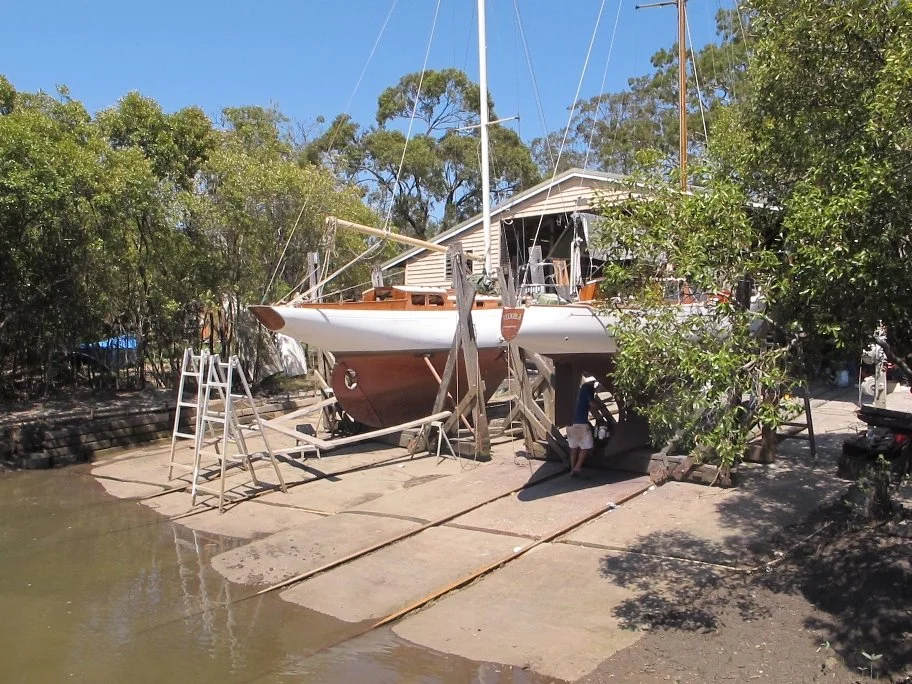
Although I regard myself as a Corinthian sailor as I have never have been paid to sail. My profession as a boatbuilder, fixing stuffed old boats and prepping the odd boat for racing puts me in the professional class, which I find very odd as lawyers who know the rules backward and enforce them on the course are not. Doctors who look after injured sailors on board, Youtube heros, who post their daily sailing adventures are not and people who have the time to race several days a week are not, while the poor old shipwright who spends 50 hours a week hanging off a sander and finds time to sail every other week, is regarded as a pro.
It’s an odd world we live in.
Peter Kerr
Deagon Slipways
How Many Lives has this Sailor Ruined?
Speaking as an ex-wooden boat owner whose love affair with a 43ft, 70 year old beauty, almost cost him his marriage, I enjoyed this piece from Peter Swanson’s Loose Cannon Substack Page
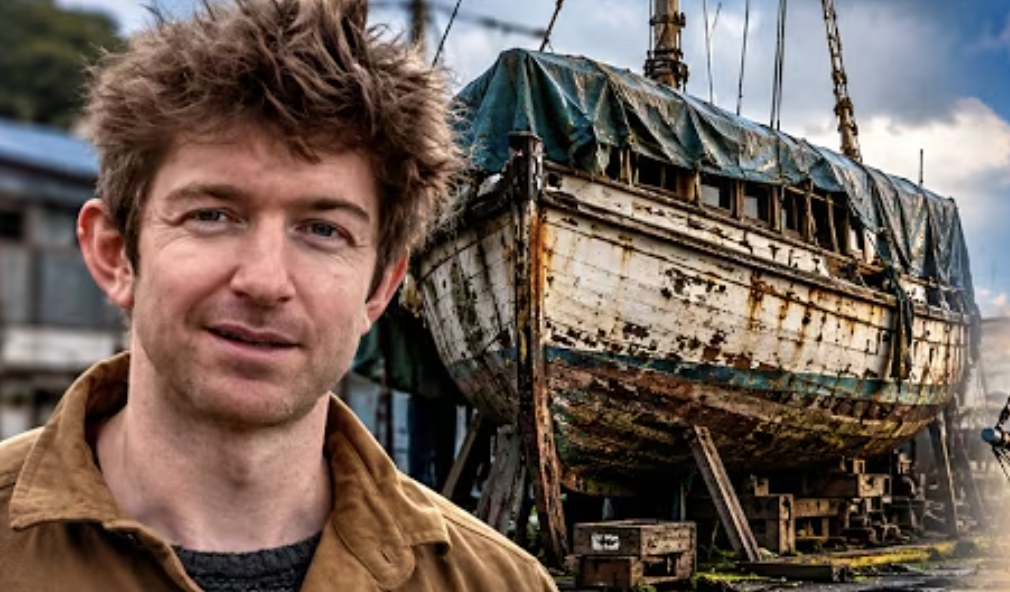
When Leo appears, his hair looking like he just pulled his tongue out of a toaster, and delivers his standard intro (“Hi, my name is Leo, and I’m a boatbuilder and a sailor”), it’s a Pavlovian trigger for fans to tune out their static lives and become immersed in another steam-bent, scarf-jointed, sawdust- and varnish-scented, half-hour escape.
The problem is not with viewers like me, who have been innoculated against the siren call of wooden-boat involvement. I did my time and got out by the grace of Allah, having half-learned a host of obsolete skills. Others were not so lucky, and I fear that Leo may be leading a new parade of dreamers down a destructive path.
For uninitiated young Americans, ownership of wooden boats has always been a bankruptcy-inducing, relationship-wrecking, soul-sucking endeavor.¹ With thousands of these old boats still extant in the graveyard sections of American’s boatyards, projects can be had for almost nothing in initial expense.
‘When it Comes to Reefing at Sea, Technique Is Everything’
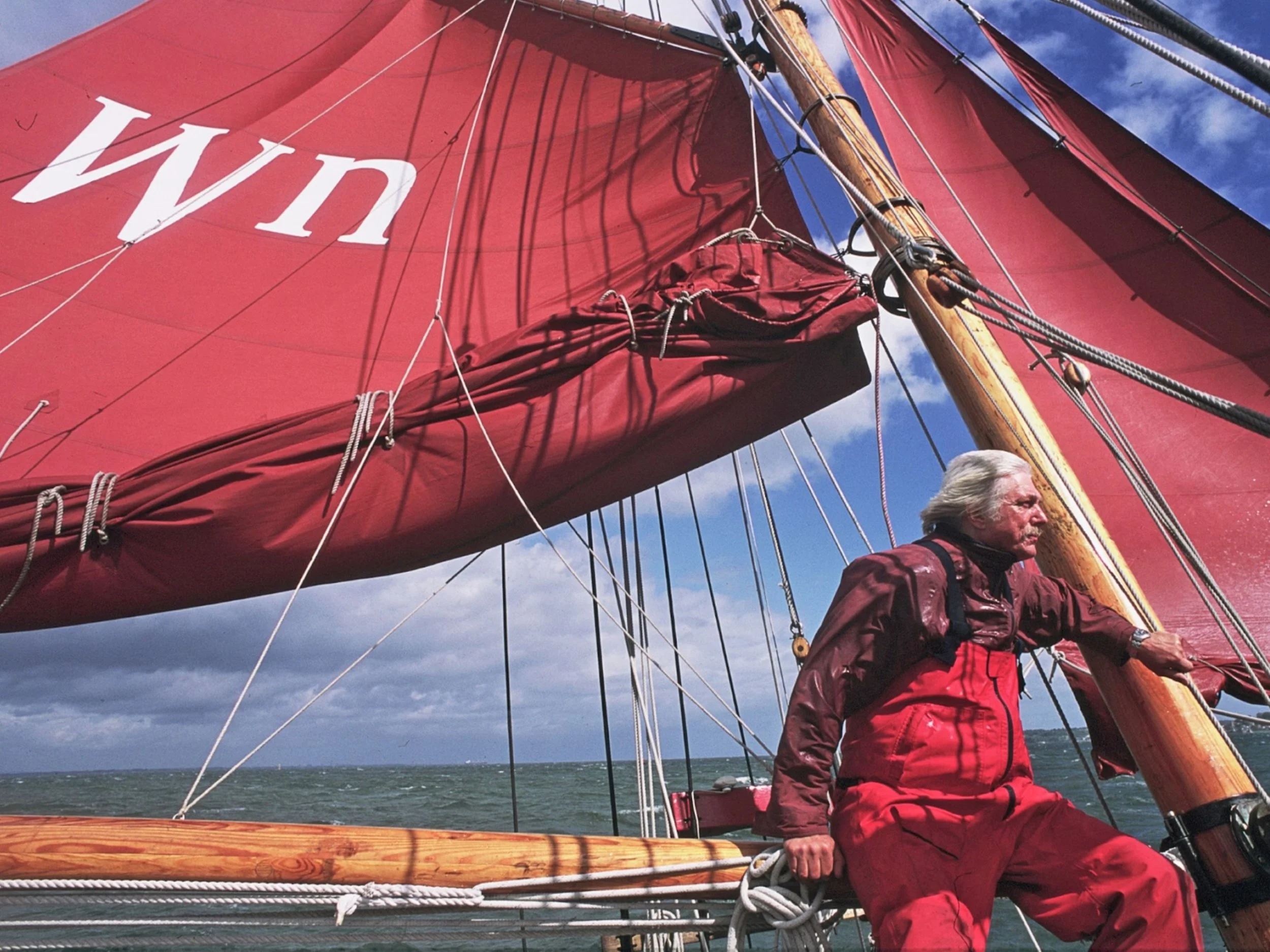
A free article in Classic Boat Magazine from the master… Whether your mainsail has three of four corners, it should be compusary reading
With its relatively long boom, the added spice of an extra spar and two halyards to contend with, gaff rig gives our quadrilateral brothers and sisters more to think about. The first time I reefed a gaffer at sea I couldn’t have made a worse mistake. I let the peak halyard away first, so when I tried to pull the throat down it just wouldn’t come. I swung on the luff with all my weight and nothing happened at all. I don’t recall how I got out of this dilemma, but somehow I survived to tell the tale. I had completely misunderstood the geometry.
Treated right, gaff rig is kind to both ship and crew; abuse it and it takes no prisoners. So long as the peak is kept well above the throat, the sail will always come down, but for reasons of spar length, likely lack of winches and, often, sheer area, there is still plenty to think about. If reefing the sail at sea is to be the matter of routine, a thought-through system is the key.