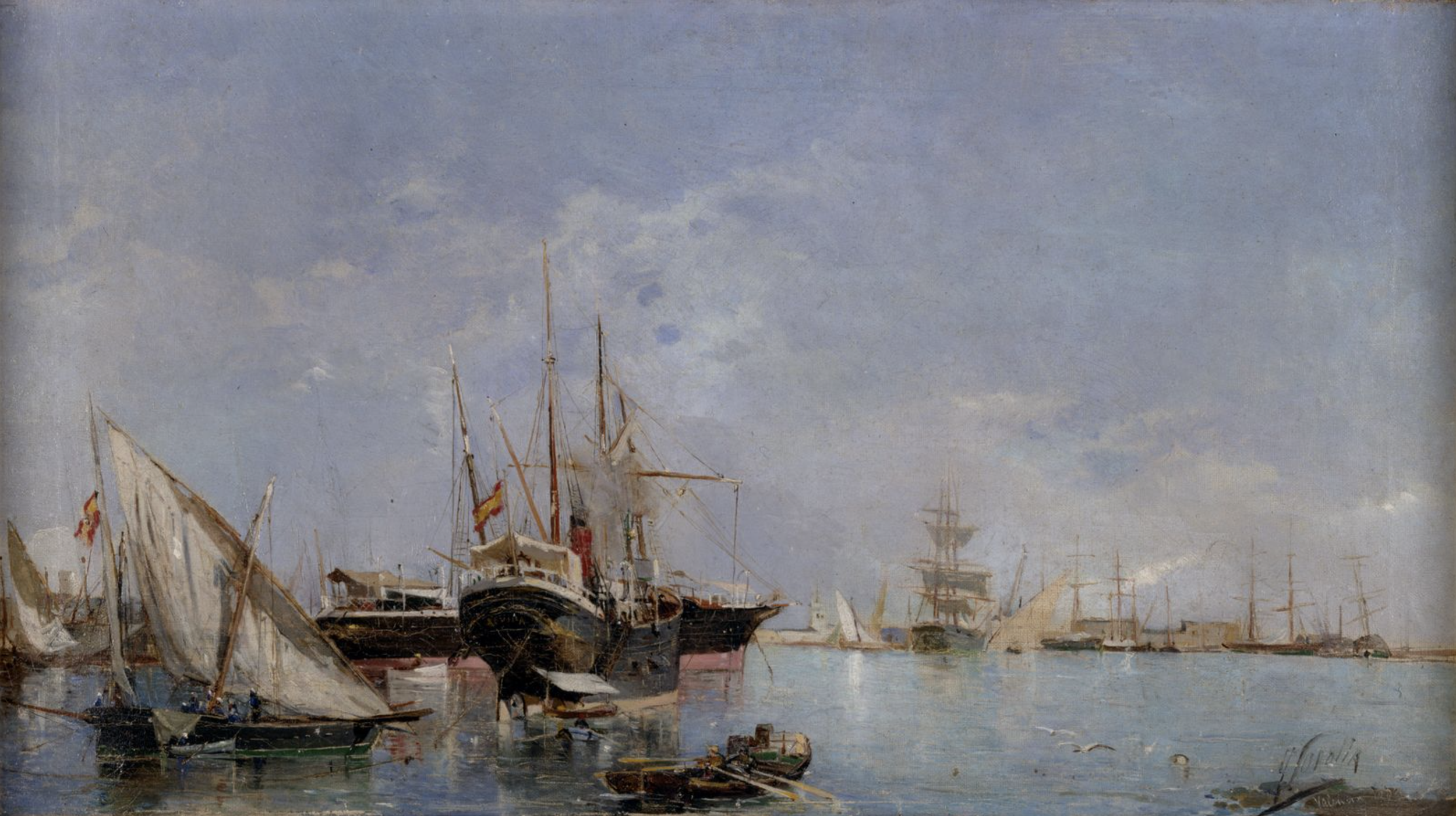
Joaquin Sorolla, Puerto de Valencia (1882)
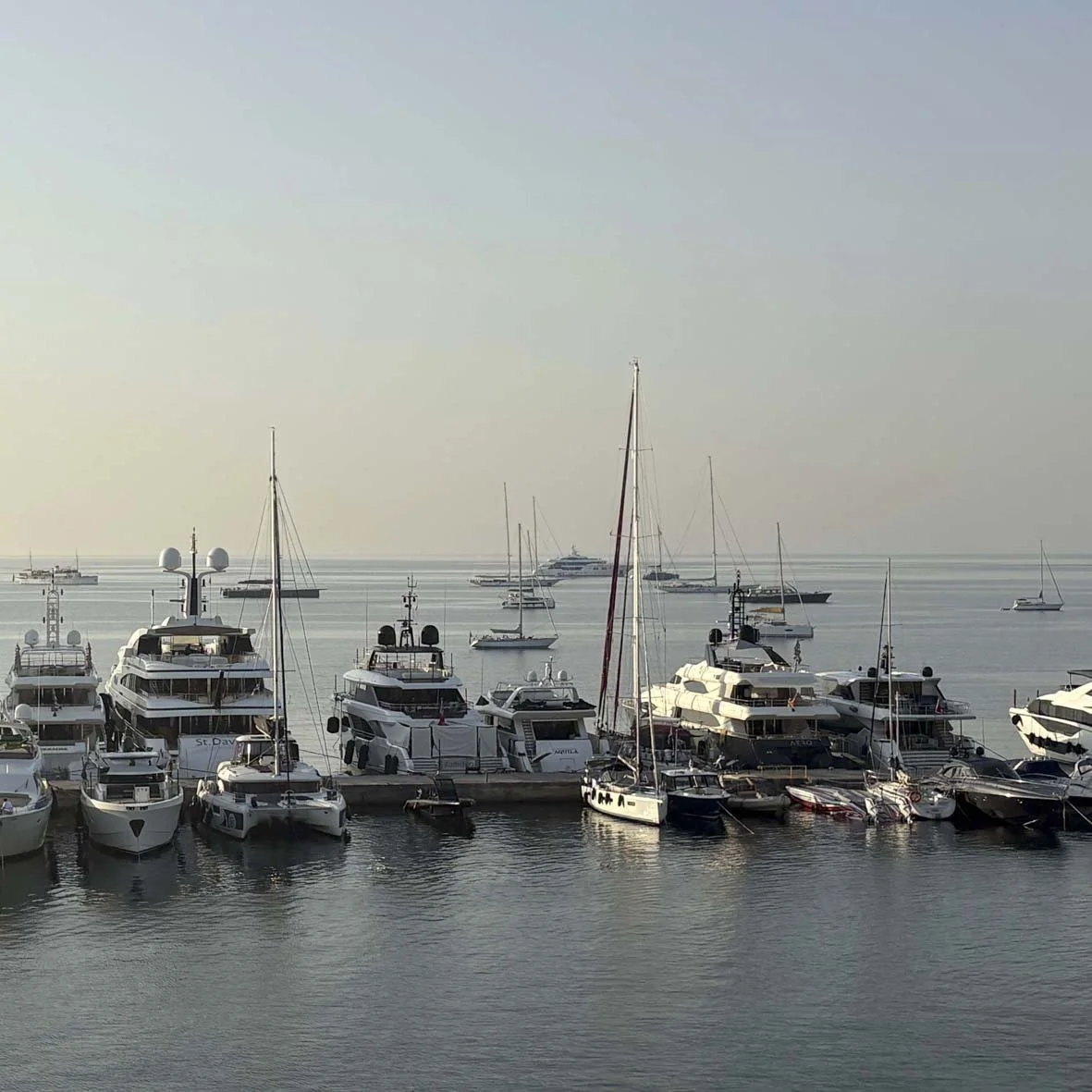
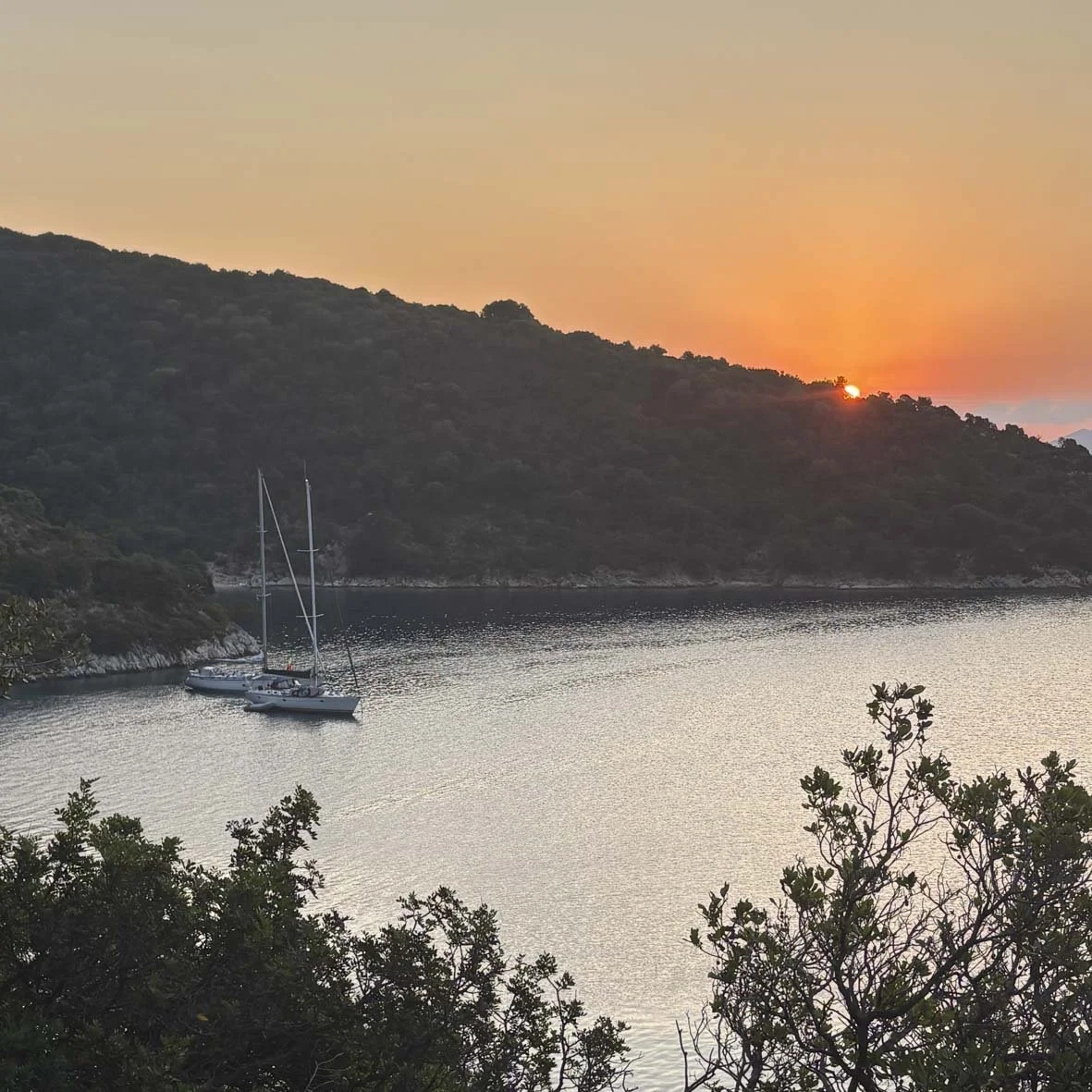
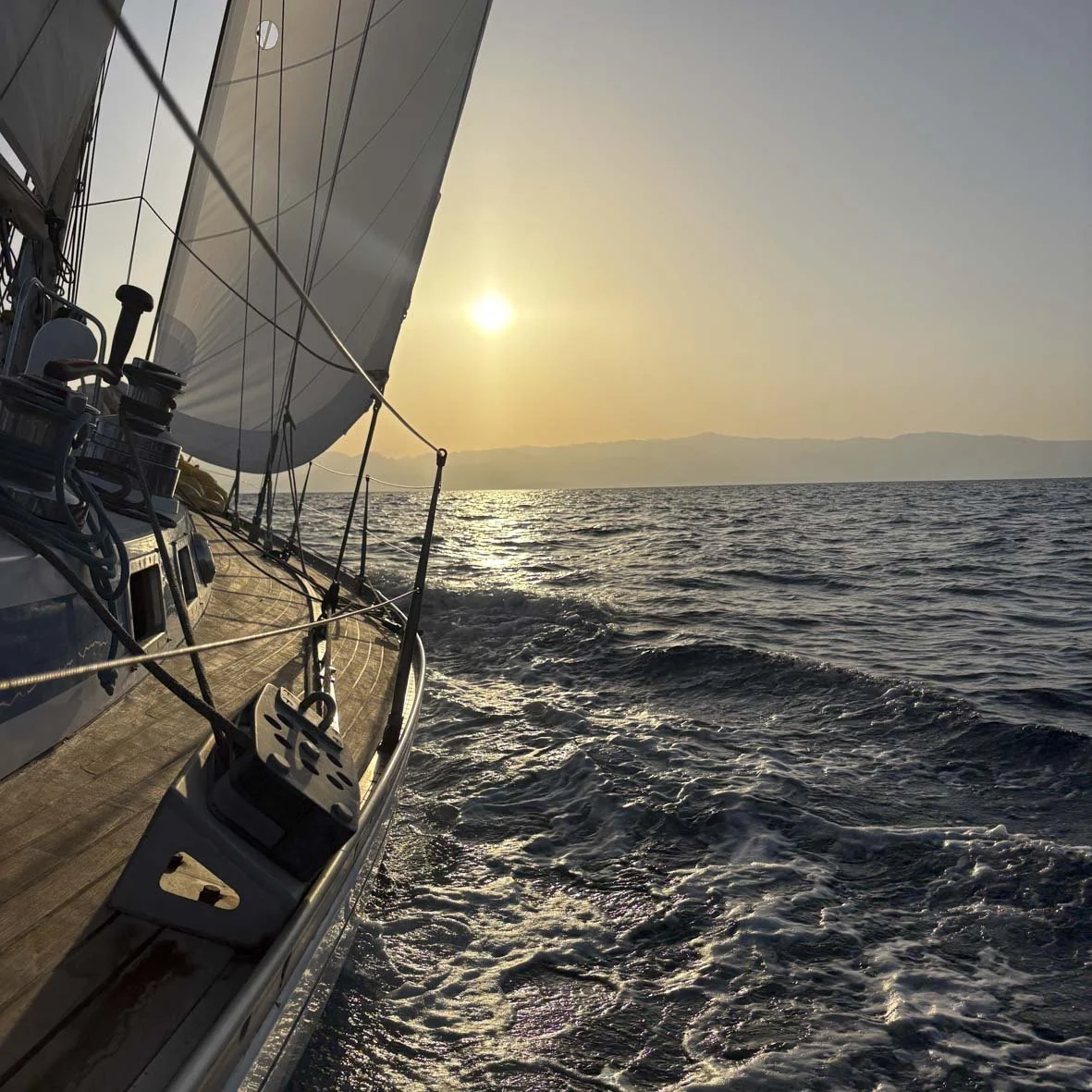
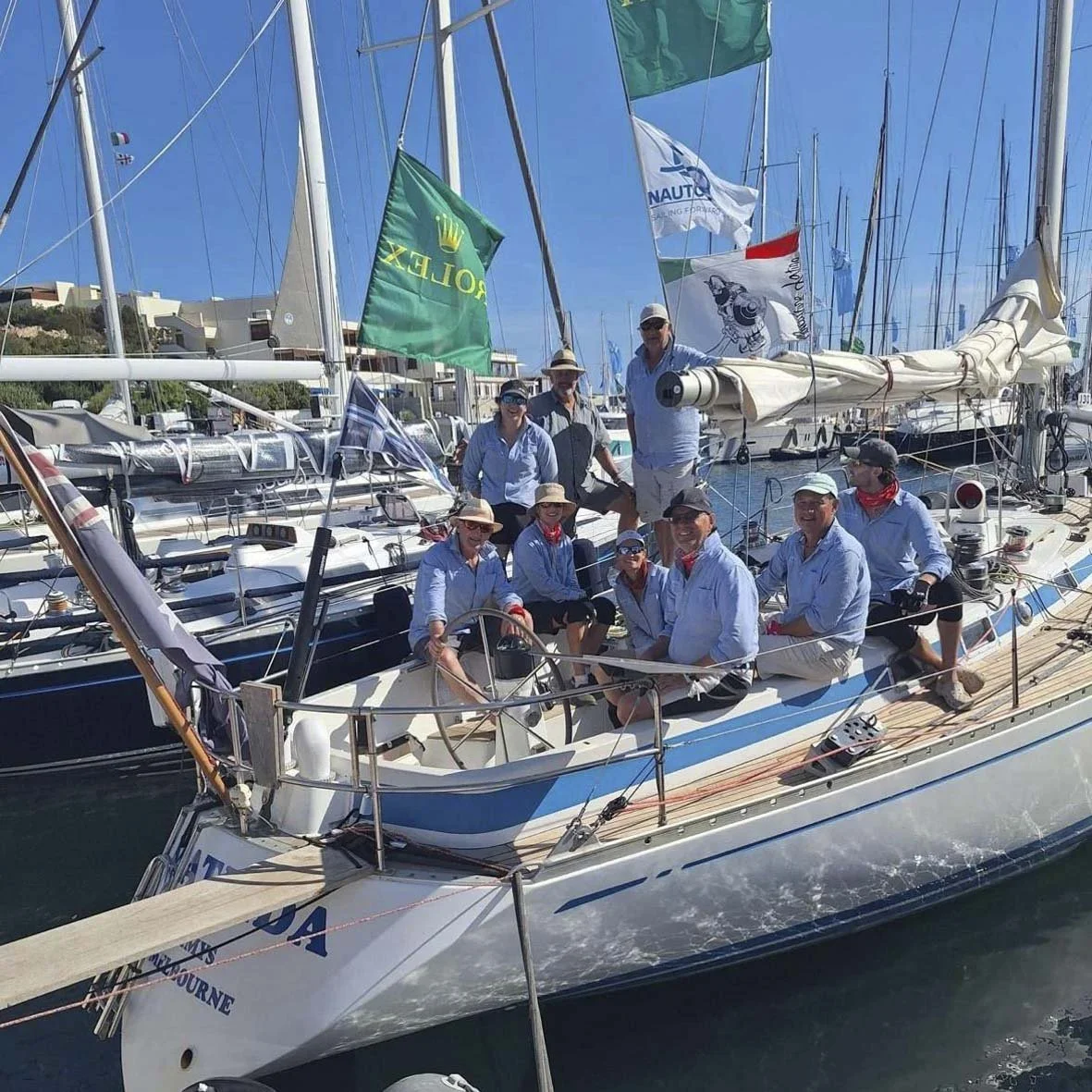
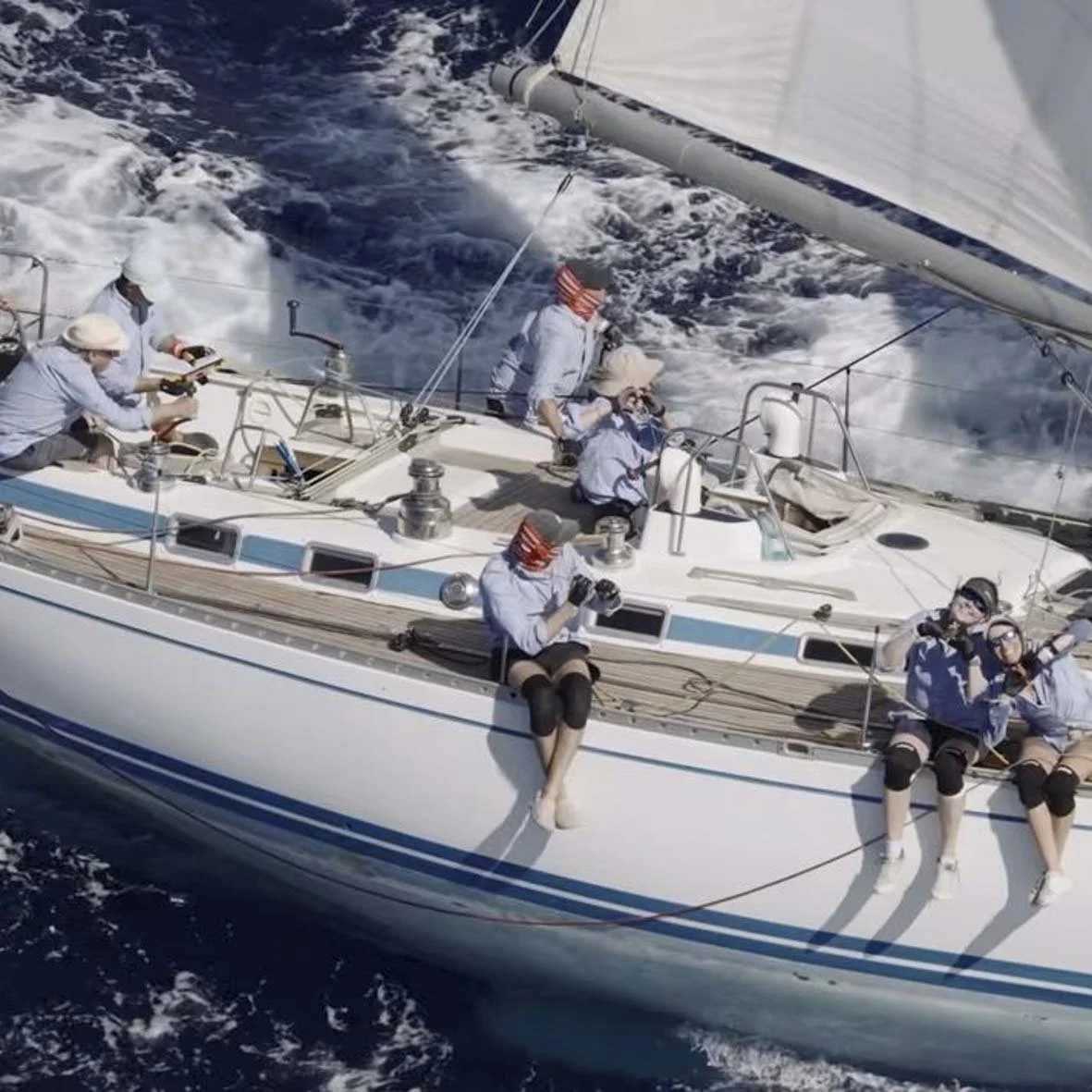
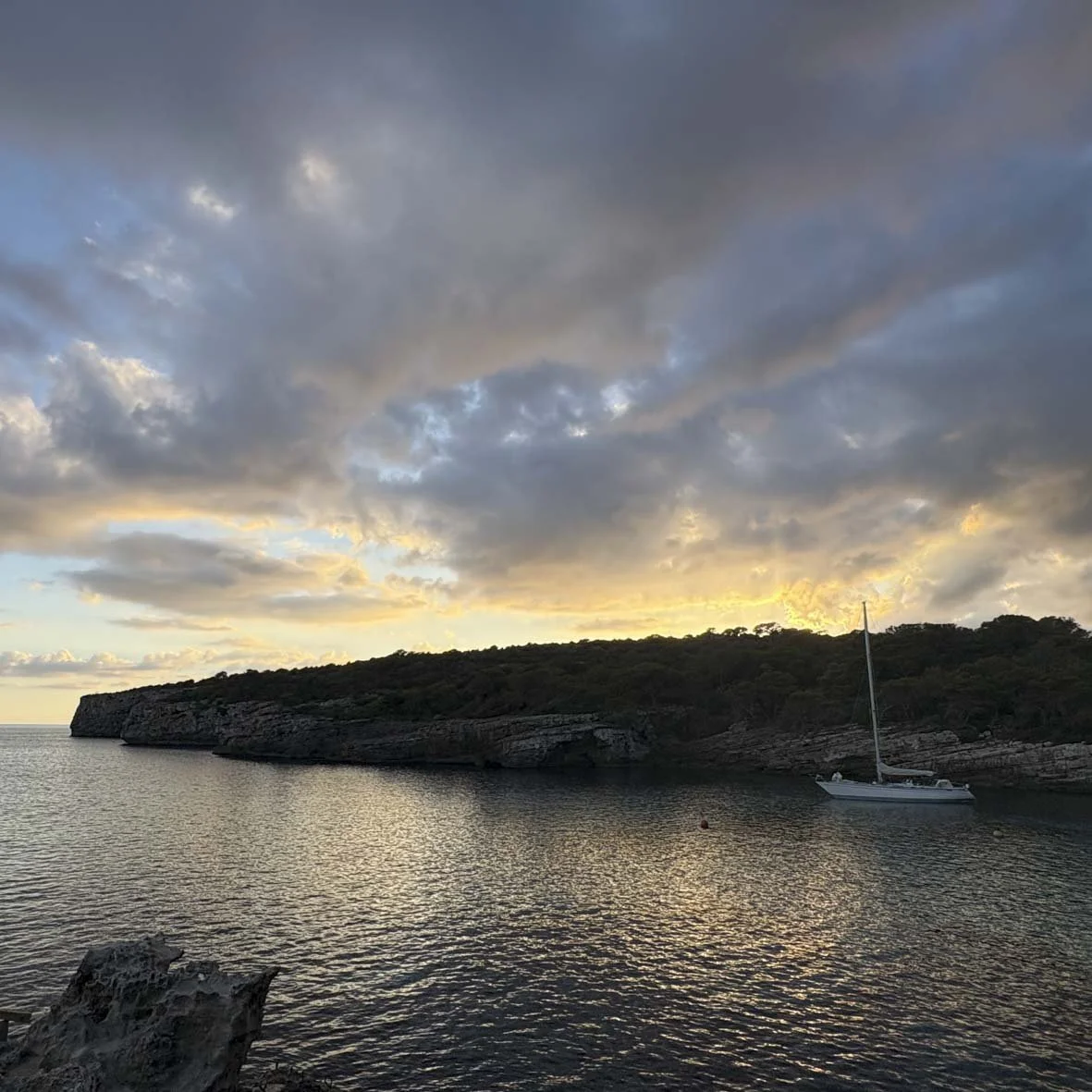
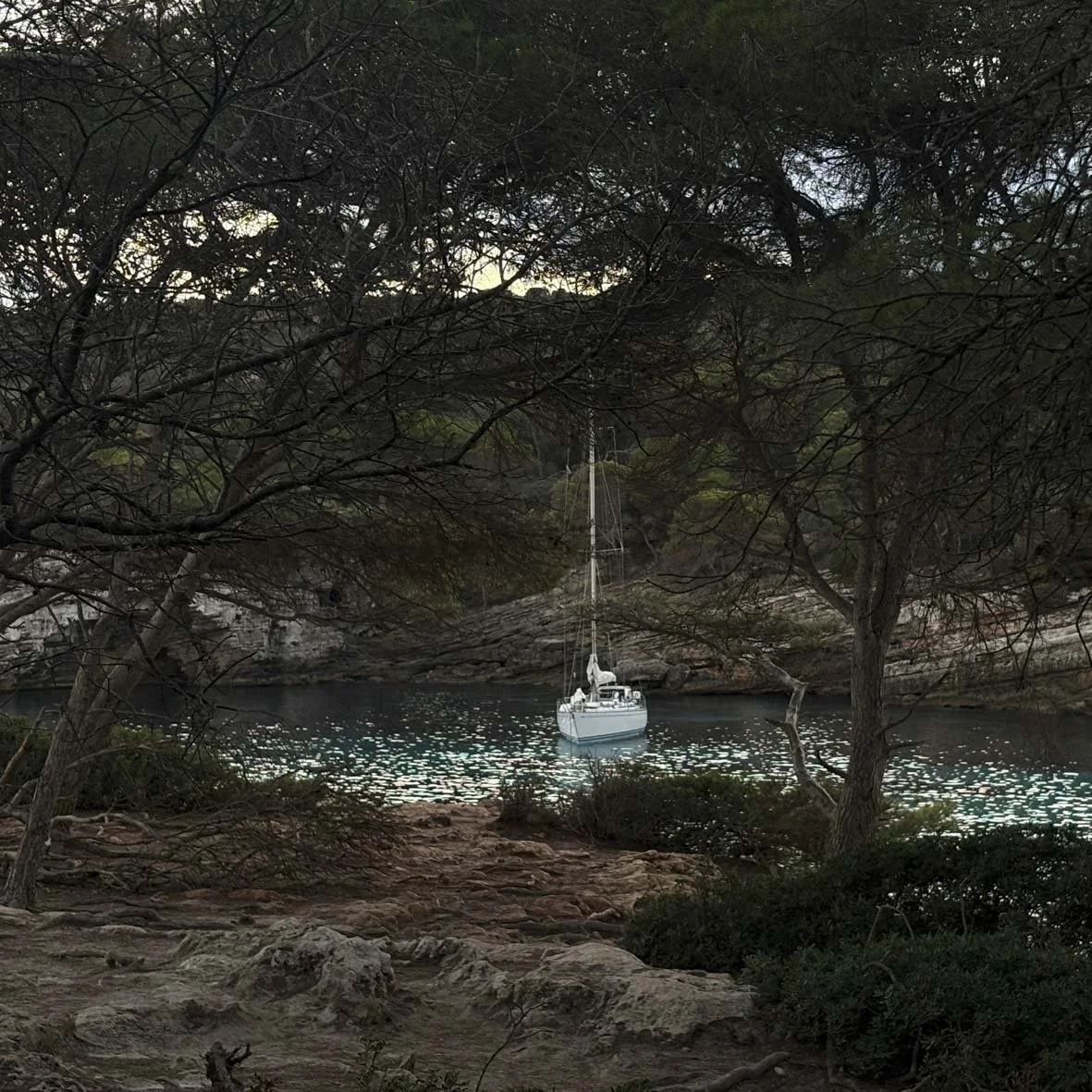
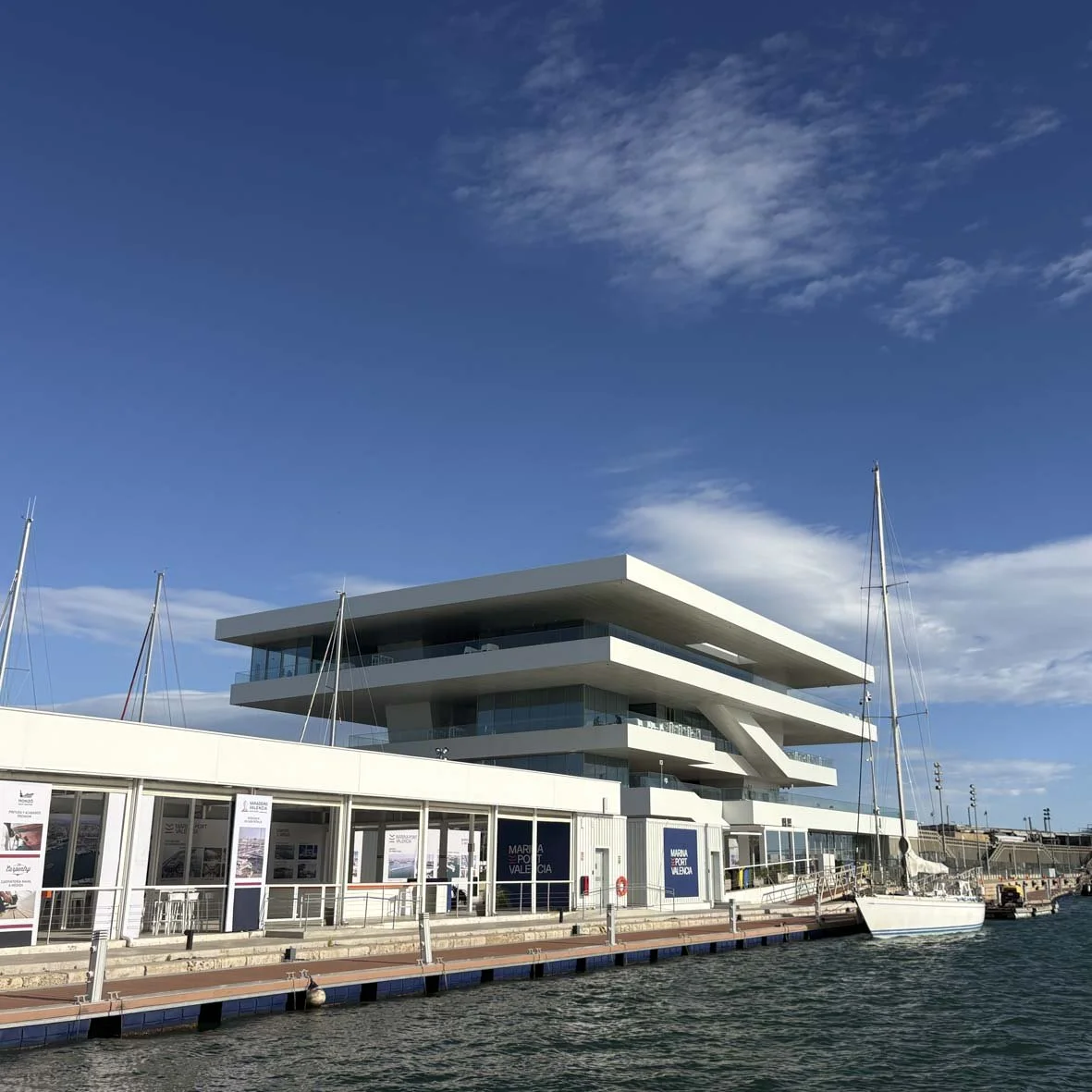
It’s almost two weeks since we arrived in Valencia, after 3000nm of summer cruising and racing. We are currently living on board MATILDA in the old port, a 20-minute cycle ride from the city centre. The ghost of Joaquin Sorolla hovers near by. And we are going to be here for the next three or four months.
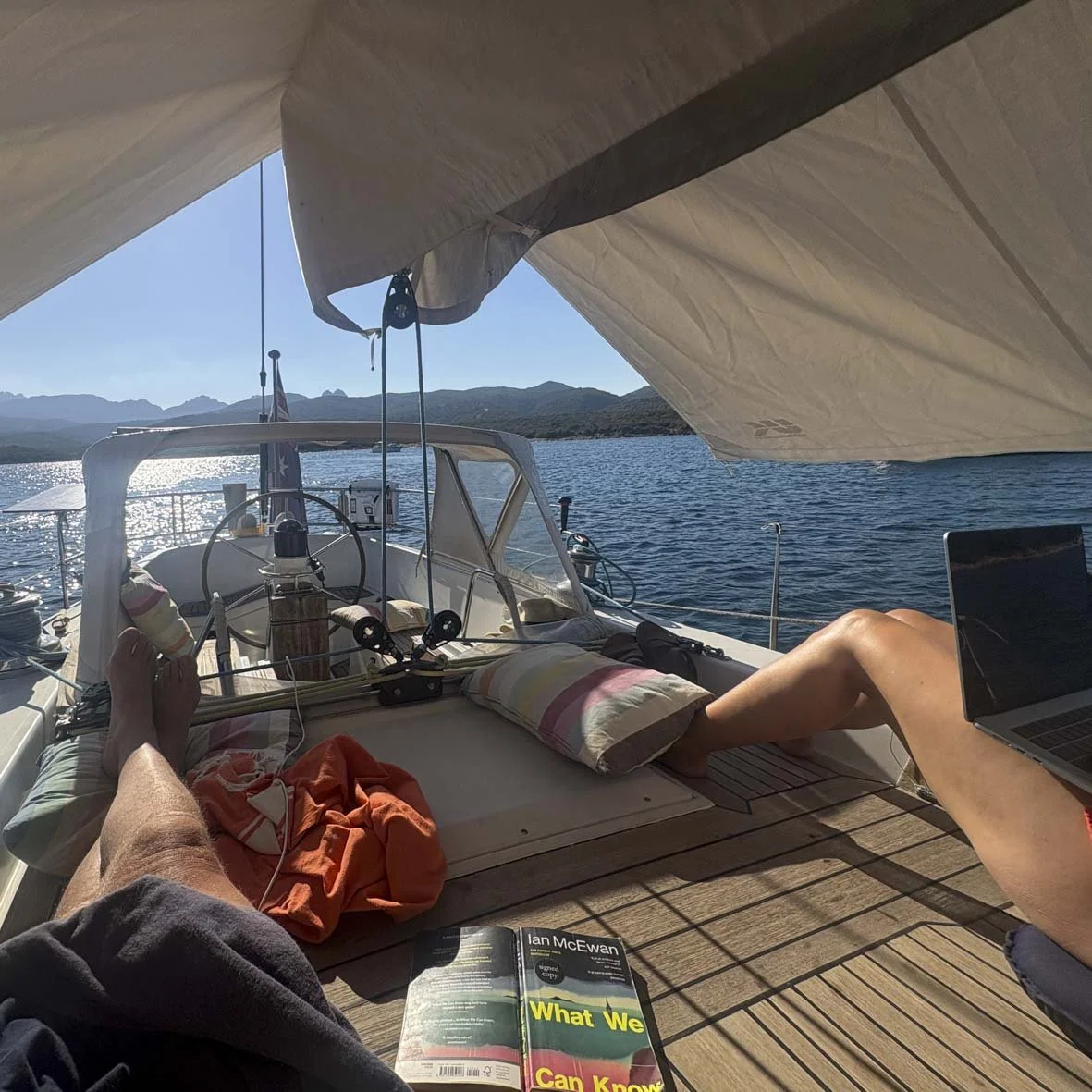
Family and friends ask “what are you going to do with your time there?” and my explanation always sounds like a justification! I’m going to do the photography and writing work that I choose to do, I’m going to consciously enjoy this beautiful city and most pressingly, I’m going to tackle the jobs list.
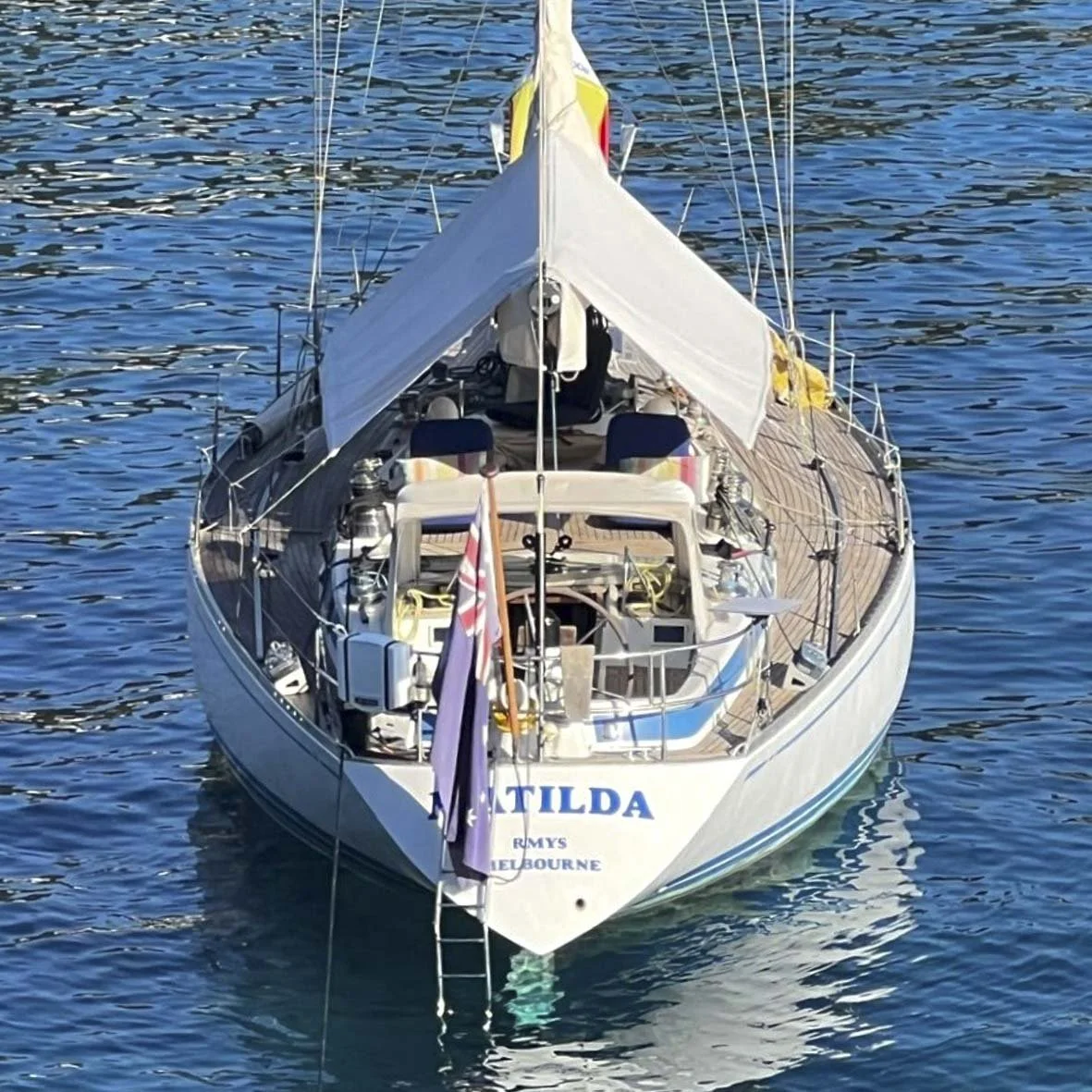
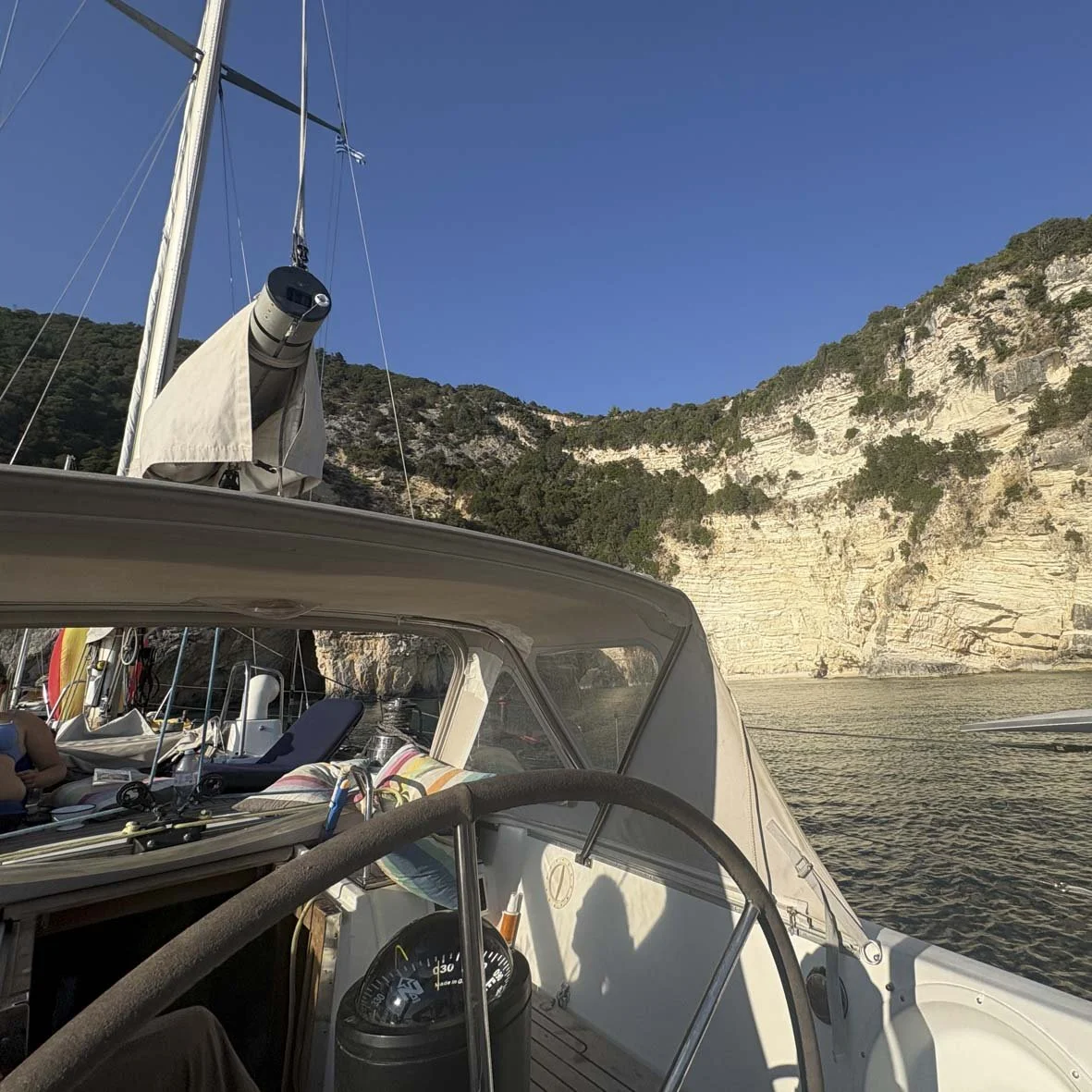
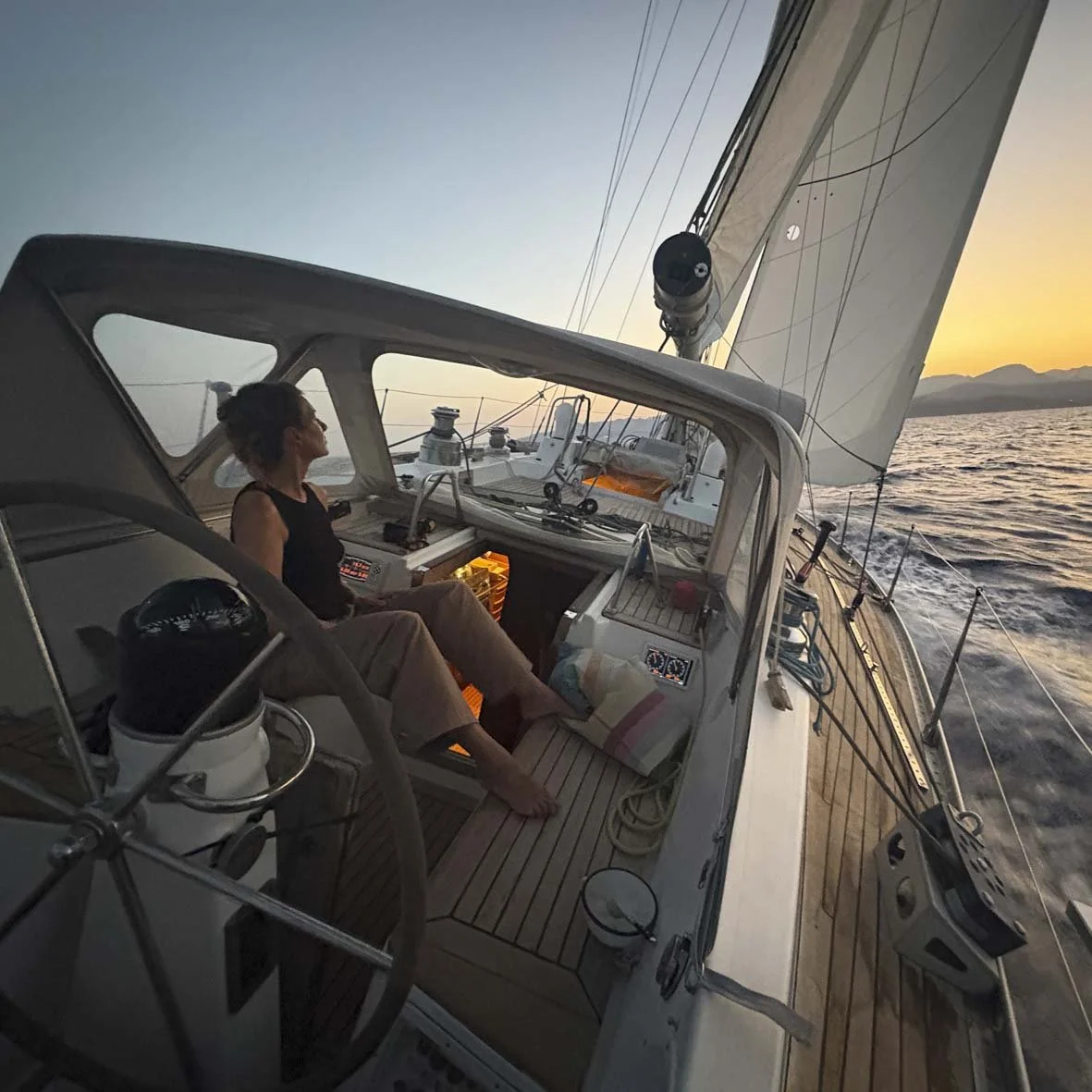
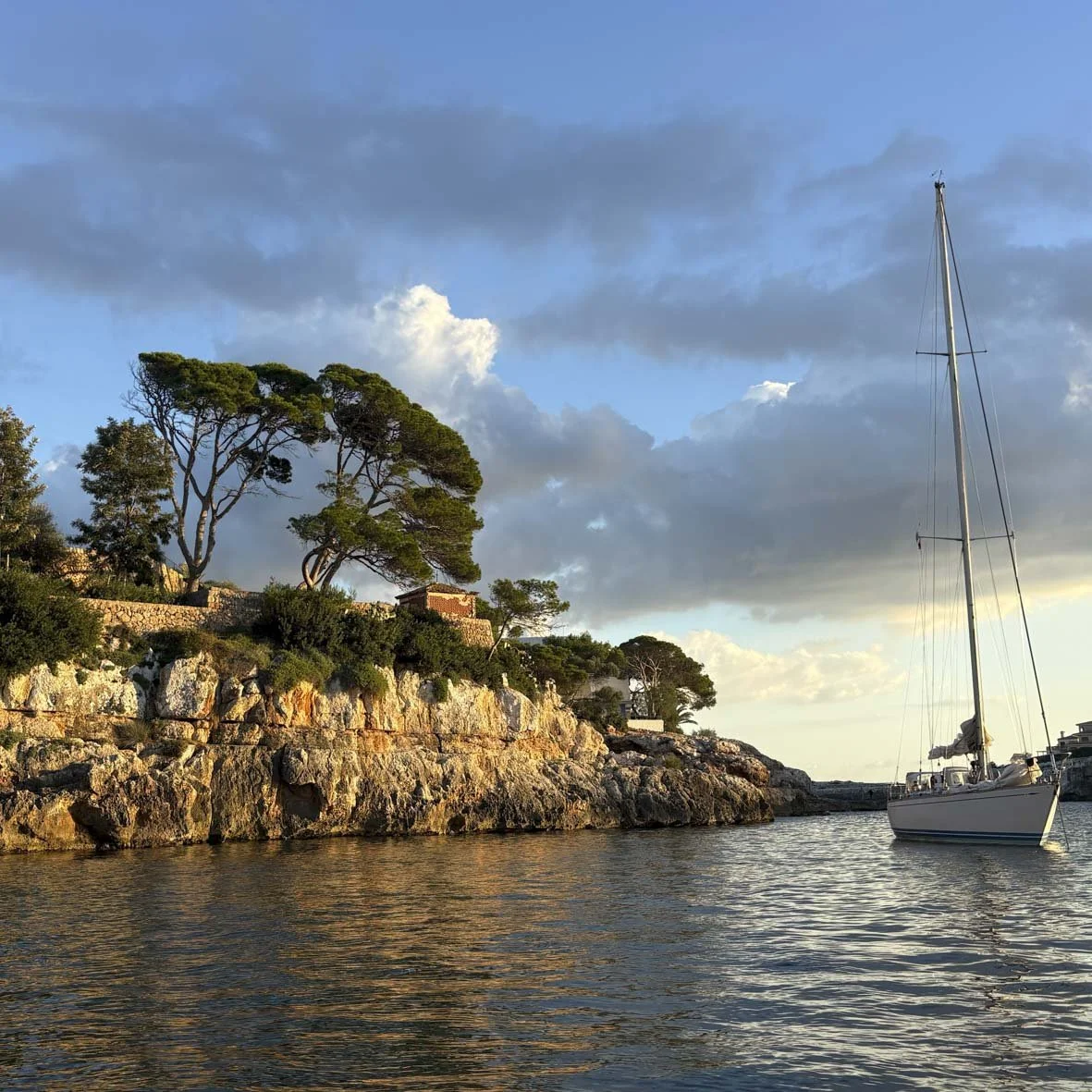
MATILDA is in great condition but she’s an old lady, soon turning fifty. Mediterranean miles may not be like ocean miles in terms of wear and tear, but the relentless sunshine, crowded harbours and fickle winds create their own type of problems, and so we thought it might be informative to outline some of the issues we will be addressing this winter.
And bear in mind, these fixes need to be made in a port where we have no pre-existing trade contacts and in a language that we are only now coming to grips with!
Item One- The Furler
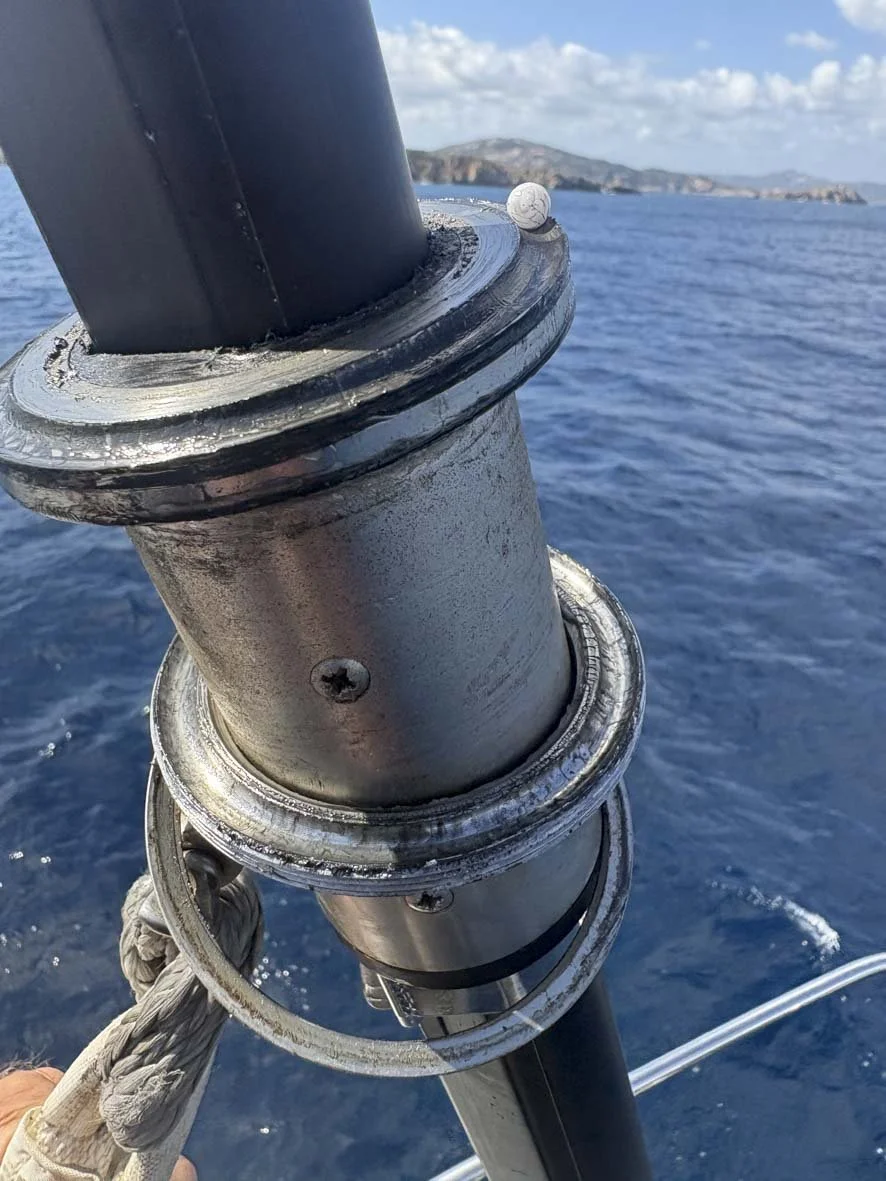
One ball bearing left. The others are in the Tyrrhenian Sea
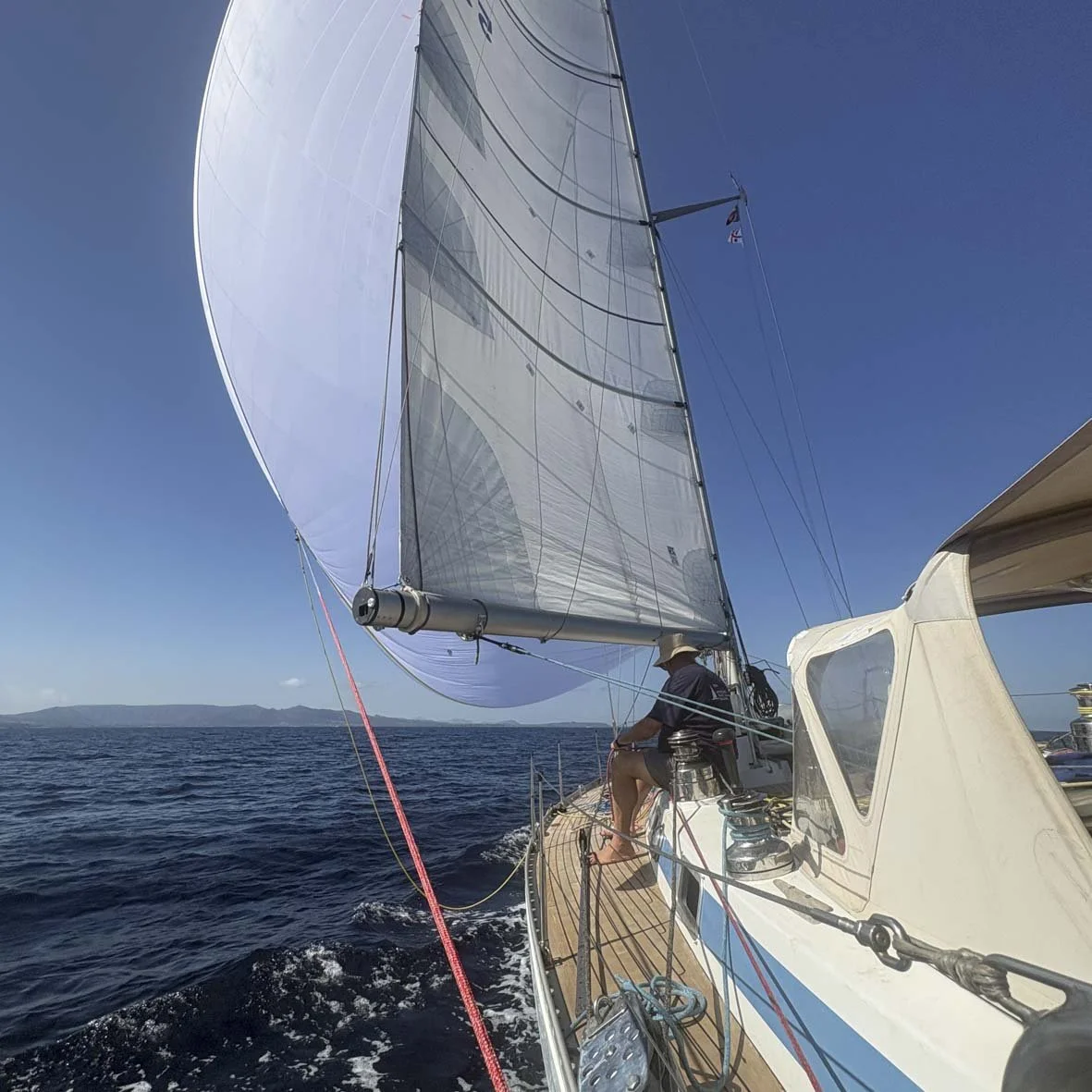
The week after we finished racing in Sardinia, we were cruising north towards the Madeleine Islands in a gentle 12 knot breeze when the unfurled genoa slid smoothly down the forestay and into the sea in front of us. After a vigorous battle, we dragged it from under the boat onto the fore deck and lashed it down. A quick glance revealed what had happened. The top swivel on the Reckmann furler had split into two pieces. One piece was still attached to the head of the sail, the other was attached to the halyard at the top of the mast. To remove the two pieces, it’s necessary to disconnect the forestay from the mast at the top and slide them off. This is something that I wasn’t really prepared to have a go at myself, so we spent the last month of cruising, slightly underpowered, relying on the main and staysail alone. Now that we are back in Valencia, the part needs to be removed, (by sending a rigger up the mast) the cause of the failure investigated, and a solution decided upon to make sure it doesn’t happen again. A replacement part is listed at over €2000 so we are going to have to look into refurbishment.
It’s one thing addressing this problem on a sunny day in Sardinia, it would be another while trade wind sailing in the middle of the night, mid Atlantic! Oh, and while up the mast we need to sew some new spreader end covers onto the top spreaders as we have three sails all at the sail maker for minor repairs all because of one recalcitrant split pin!
Item Two- Canvas Work
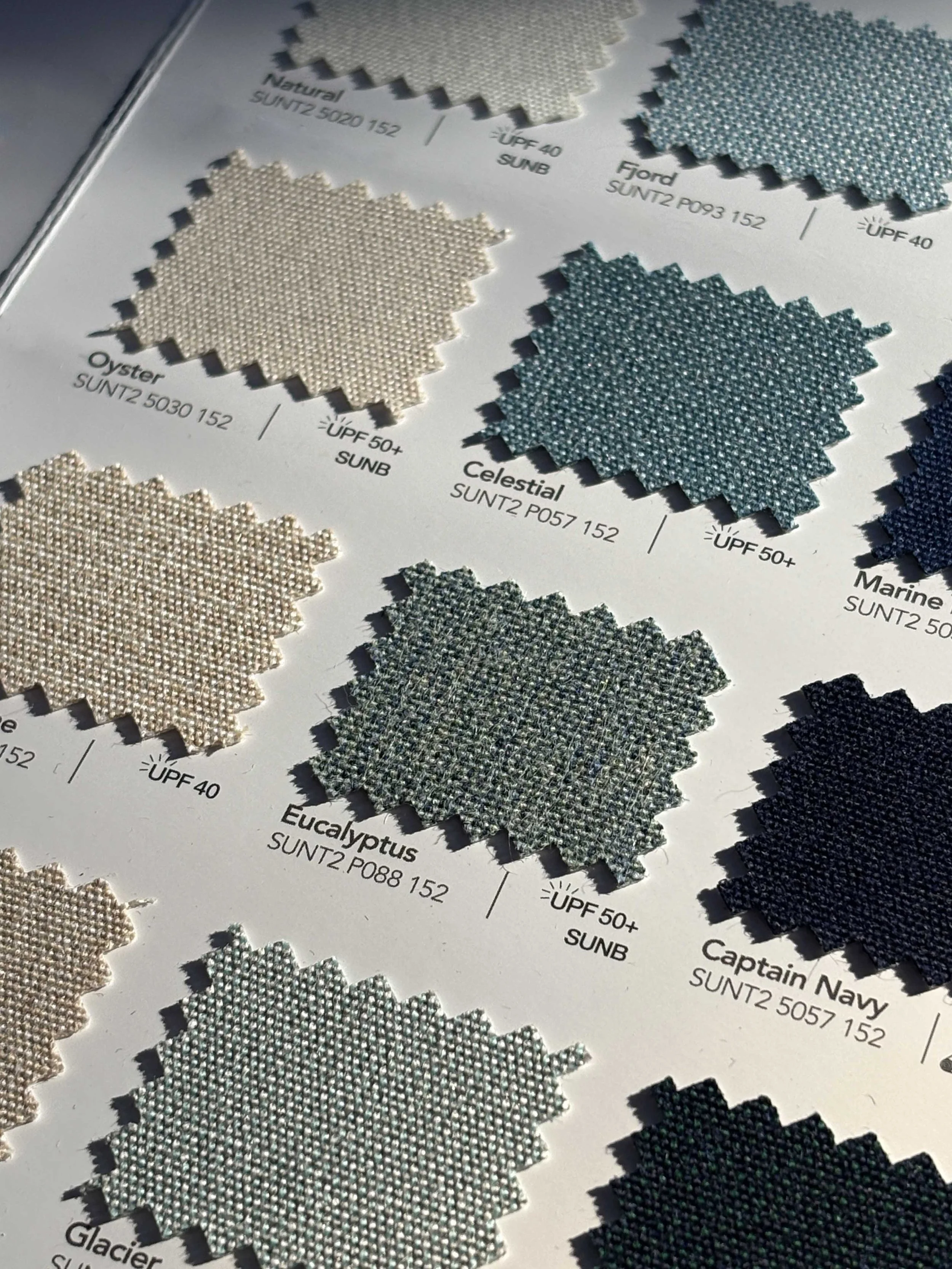
The way that S&S designed this series of Swans means that they idiosyncratically have dual companion ways. One descends to the aft or owners cabin, the others goes down directly into the saloon. Typically the forward entrance is protected by a small folding dodger preventing spray from going down the hatch and the aft dodger is more substantial and provides a snug refuge in the cockpit when on long passages. Aesthetically its important that both these canvas shelters are of the same fabric and so when it’s time to change one, it’s time to change them both. Around June, the first signs started appearing that the fabric was reaching the end of its life. Stitches were pulling out and within a few weeks the areas under tension were only held together with gaffer tape. Most fabrics used in marine awnings such as Sunbrella have a guarantee of five years, and so we were not surprised when we found out that our current dodgers were exactly that…five years old! We got a few quotes and there was a huge variation in the pricing for these two items, ranging from 10000GBP (!) to €3000. We have gone with a supplier locally in Valencia (not the cheapest but near that end of the range!) so that we can monitor the work and we know he is using quality fabric. Colour was also a big consideration. Too light and every greasy hand mark shows up…too dark and sitting under the fabric would be like being in a sauna.. We chose Oyster!
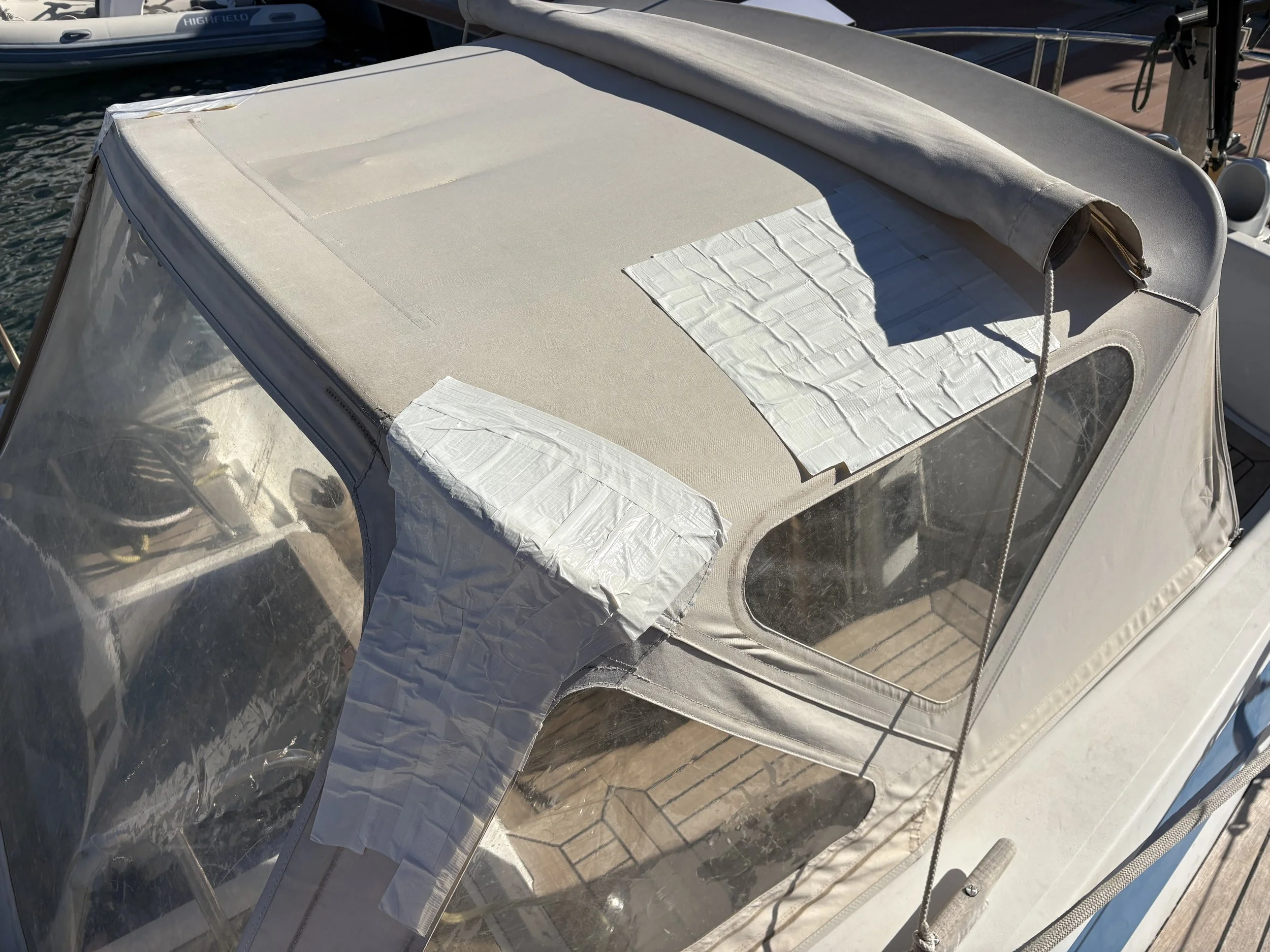
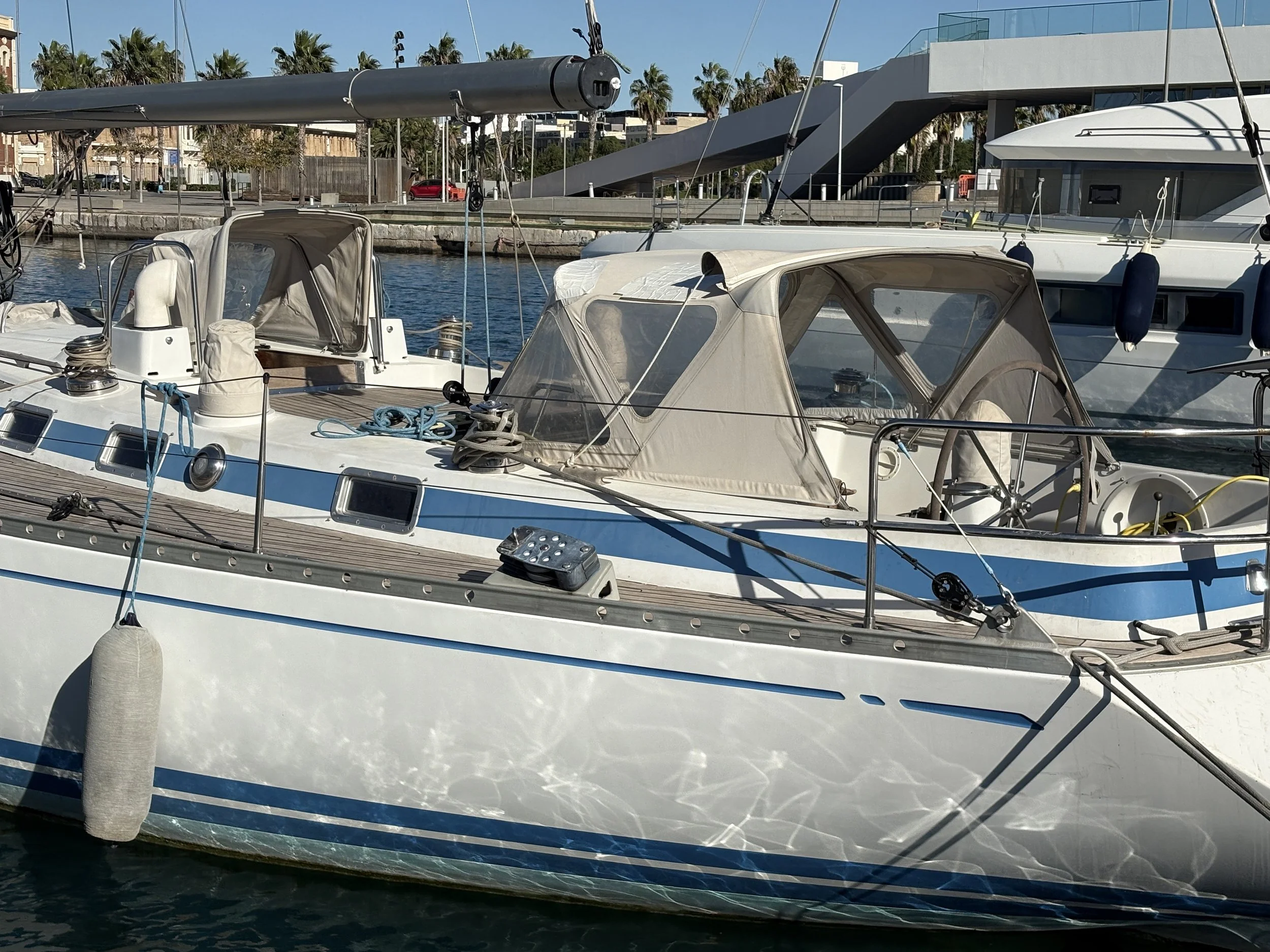
And while the Marine trimmer is making the new dodgers he might as well relace the broken zips on the Main sail cover!
Item Three- Antifouling
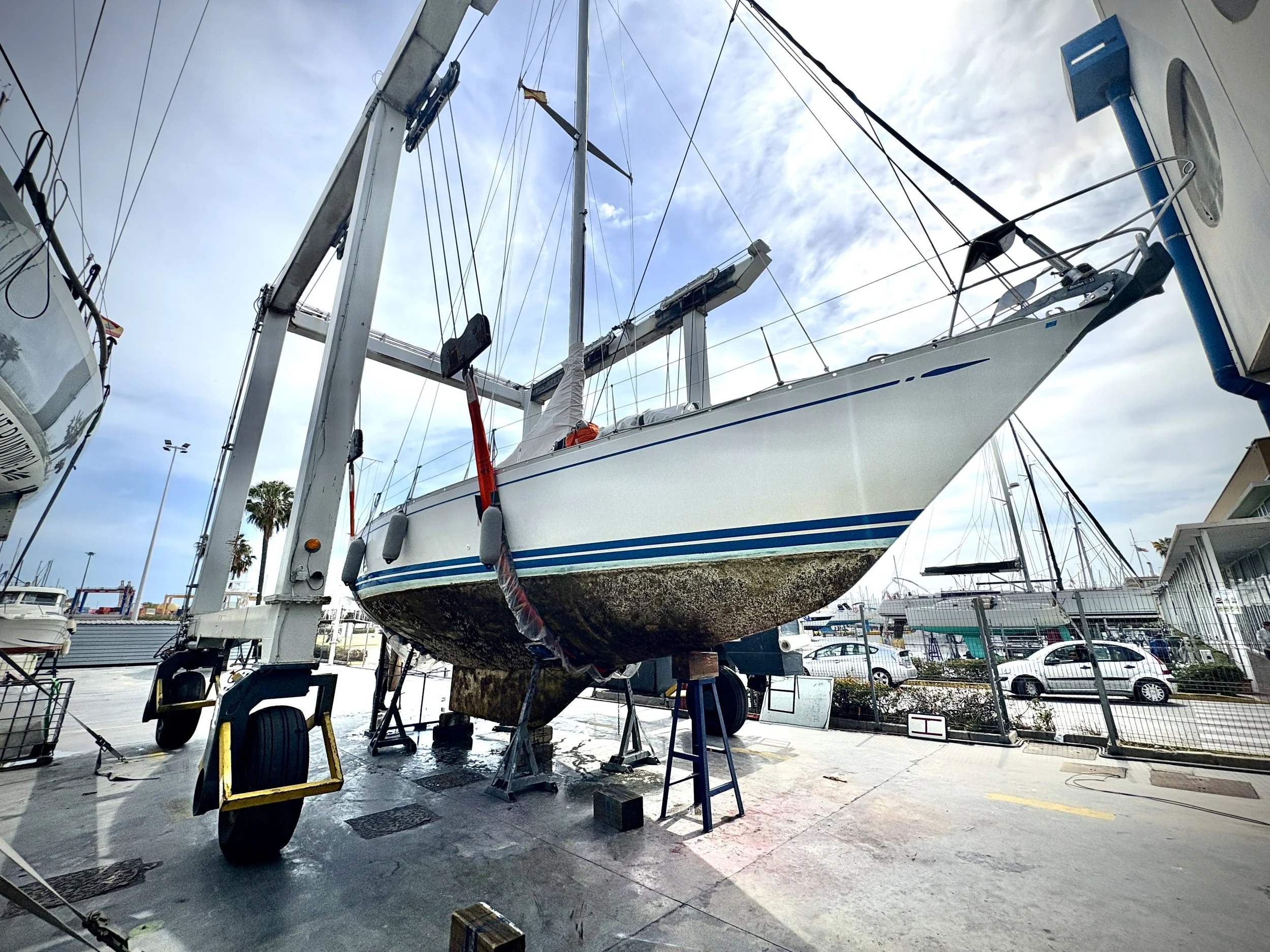
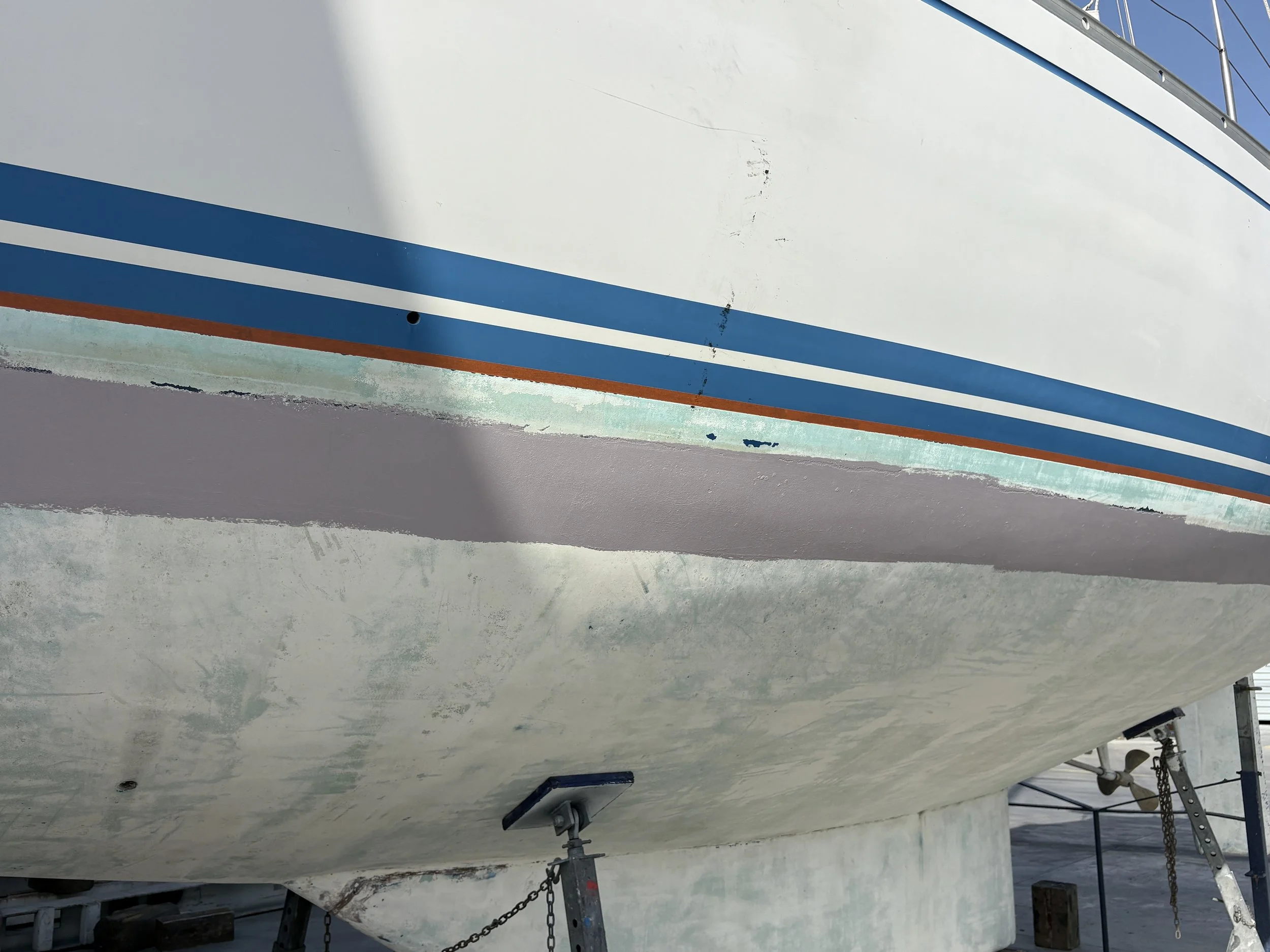
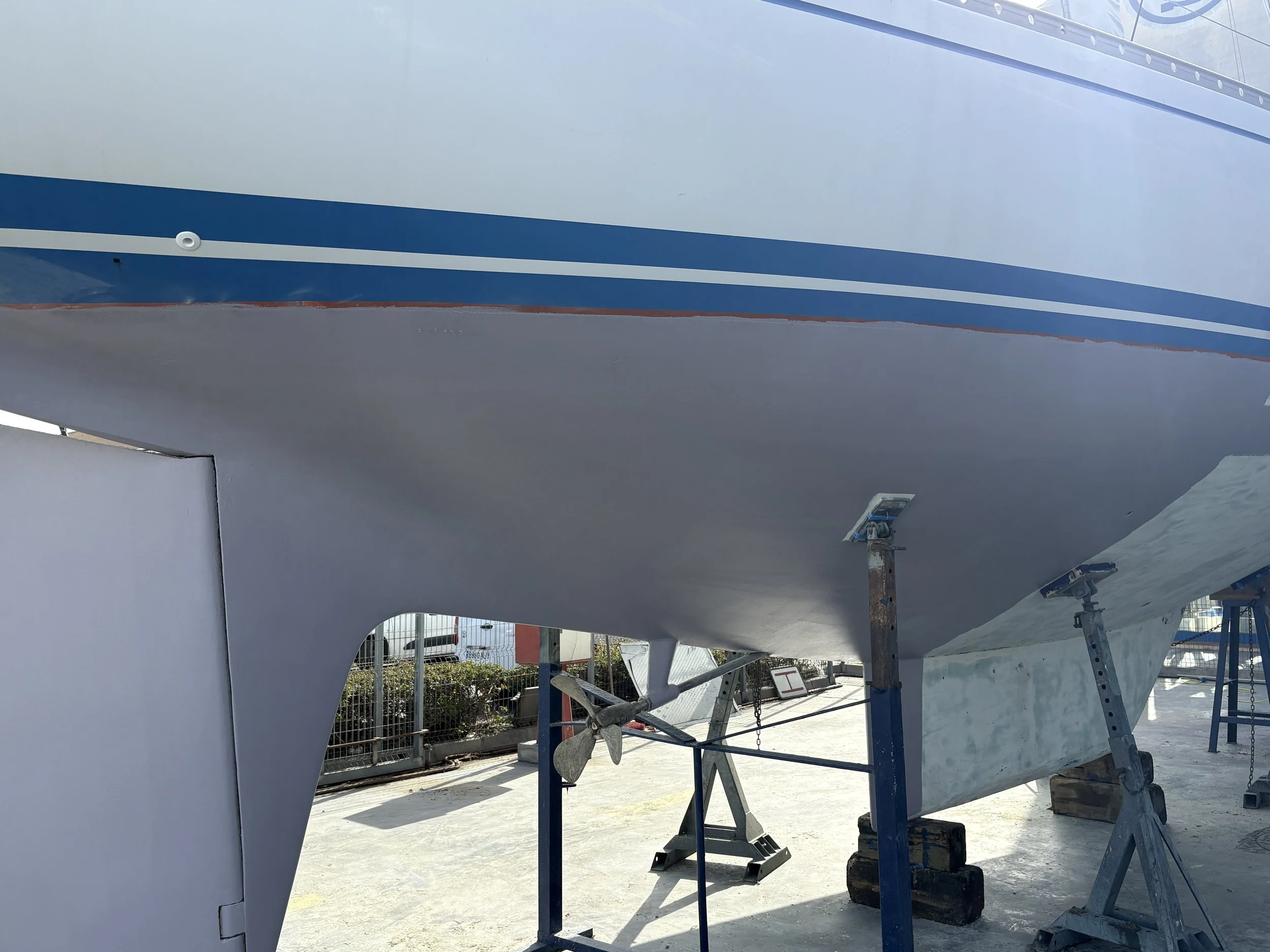
We were not impressed with the antifouling job done on MATILDA earlier this year. It was roughly applied, patchy and even splattered a little on the topsides. Three months into the season, there were already patches of the previous coat showing through. I don’t think we can blame the product, International Micron 350, but I think we can safely say that the application was amateurish. One of the issues we face is that most yards in Spain do not allow owners to work on their boats while they are out the water. Ostensibly its a “safety issue” but realiatically its a way of ensuring that the yard gets income not only from the lift and store but also from all work being done. Painting a boats underside is considered a labourers job and often given to a young and inexperienced apprentice. I would be keen to do the antifouling myself this year, but finding a haul-out facility that will allow it, is hard.
While out the water I need to arrange for Propspeed on the propellor, the three anodes to be changed the topsides polished and perhaps the most challenging of these jobs the seacocks to be serviced.
Item Four- Sea Cocks
MATILDA has seven major underwater through hull fittings.
Aft heads water in
Aft heads. water out
Forward heads water in
Forward heads water out
Galley Sink Drain
Salt Water Galley tap
Engine Water Intake
Water Maker Intake
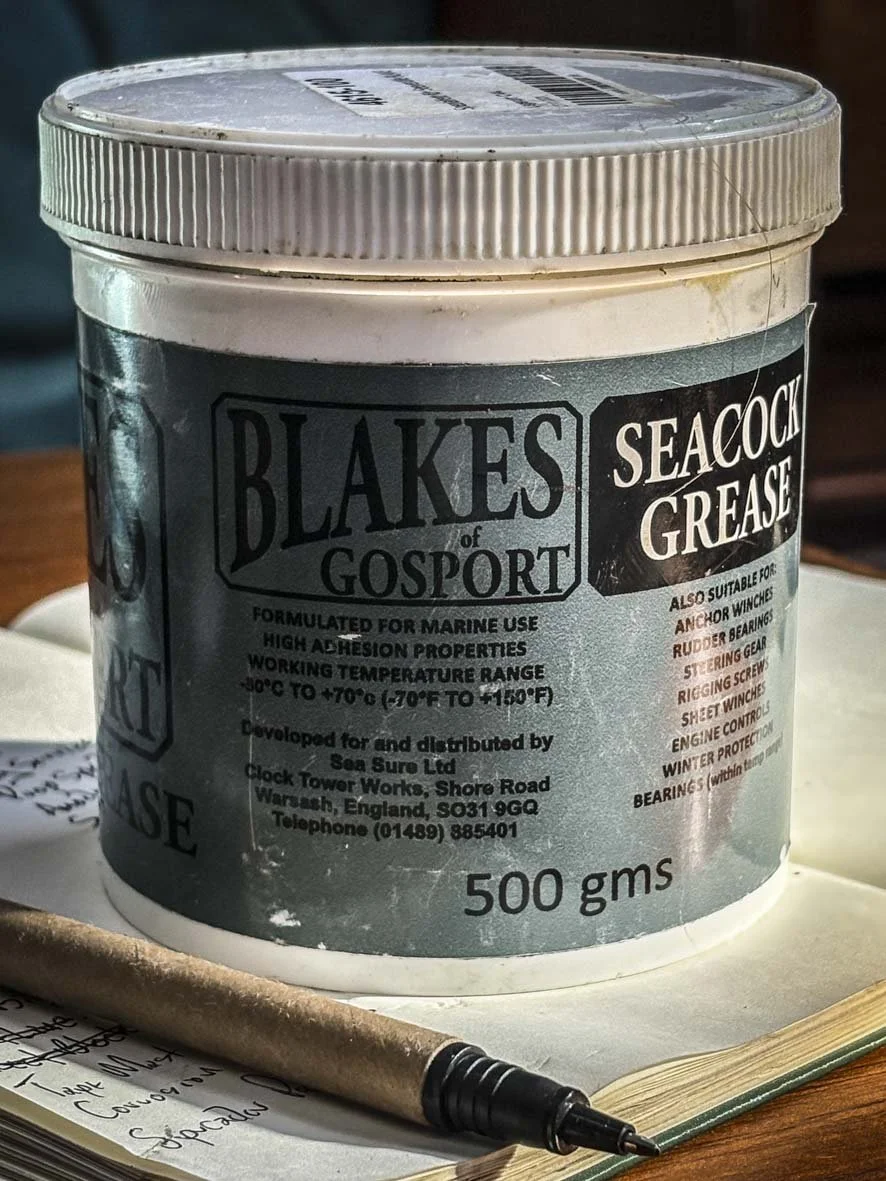
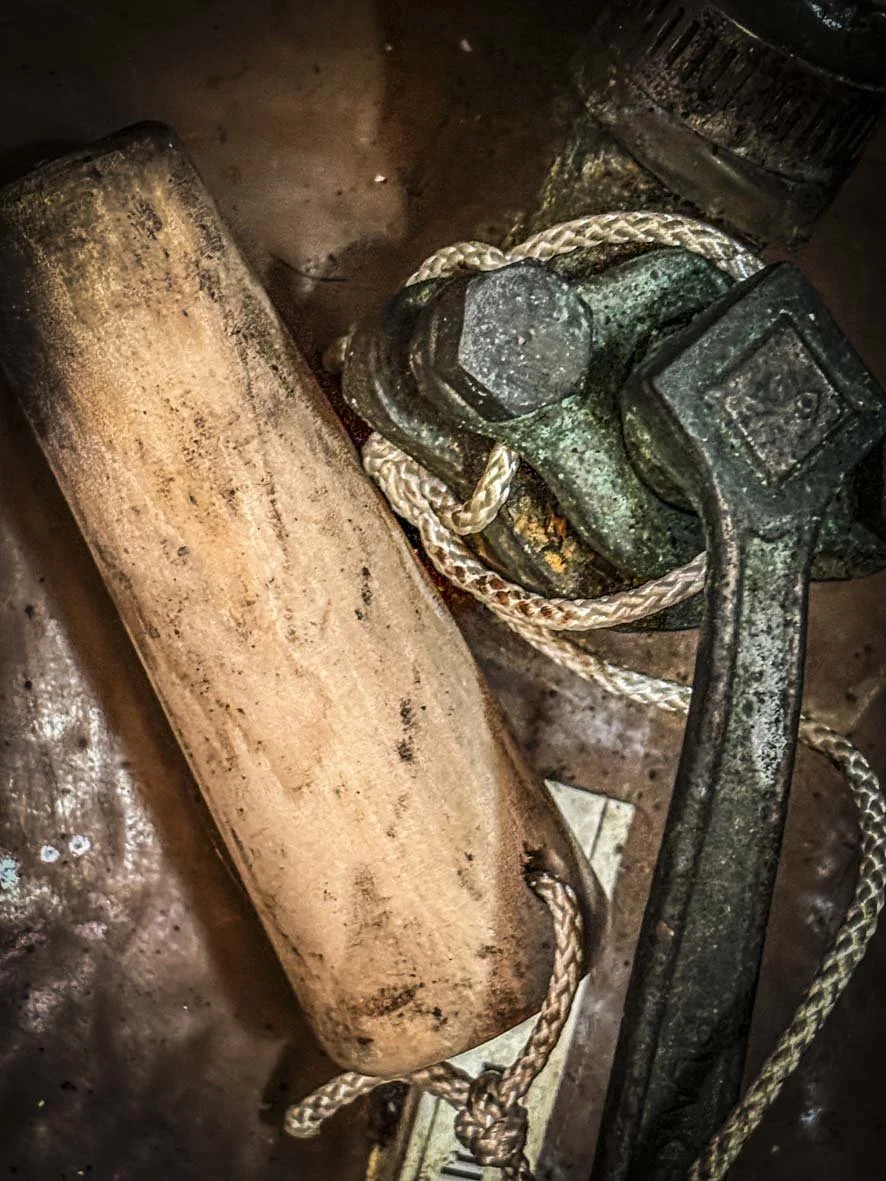
All these are quality bronze fittings and while none of them are leaking, many are becoming really stiff to operate, to such an extent that if required to close them in an emergency I would be struggling. NOT GOOD! So part of the schedule during the haul out will be set aside to pull them all apart, check them and grease them with the famous Blakes of Gosport Seacock Grease, and re-install. Sounds easy doesn’t it!
Item Five- Instrumentation
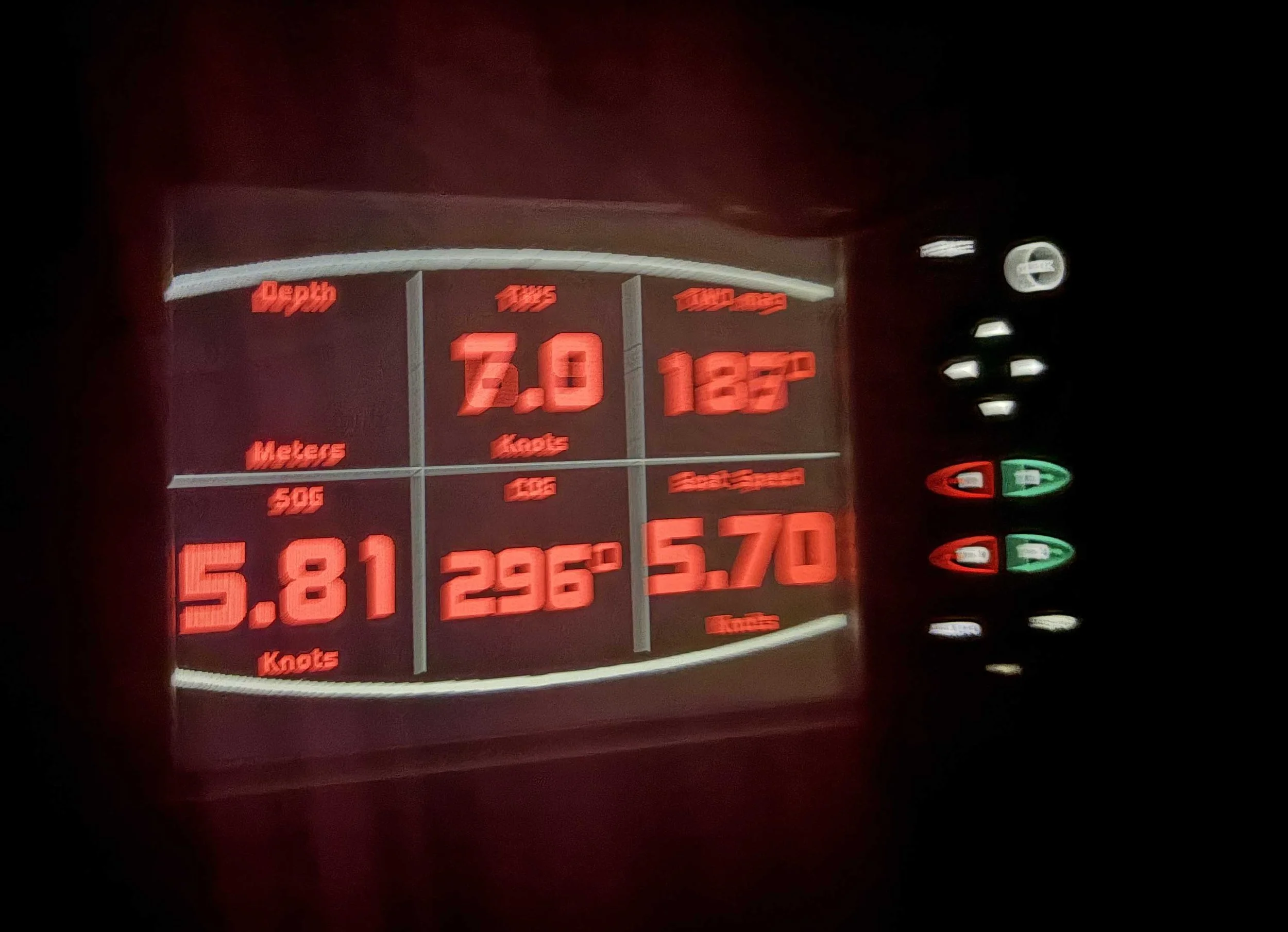
MATILDA is fitted with a French brand of instuments which are rarely found in Australia and New Zealand, but are the go to choice of the European off shore short handed fleet such as the IMOCAs. They are called NKE and i find them highly intuitive and simple to use. Thants until they go wrong and then finding a service agent, especially outside of France is hard. The issues we have are not major… the wind speed seems to be under-reading, I can’t seen to overlay AIS infomation onto my Navionics set up and the auto-pilot has occasinally started wandering when asked to make 10deg course changes. I can live with this stuff but I shouldn’t have to! So we are searching for a local electronics specialist, hopefully with a smattering of english who would be willing and able to get his/her head around the problems. Wish us luck!
Item Six- Engine Servicing
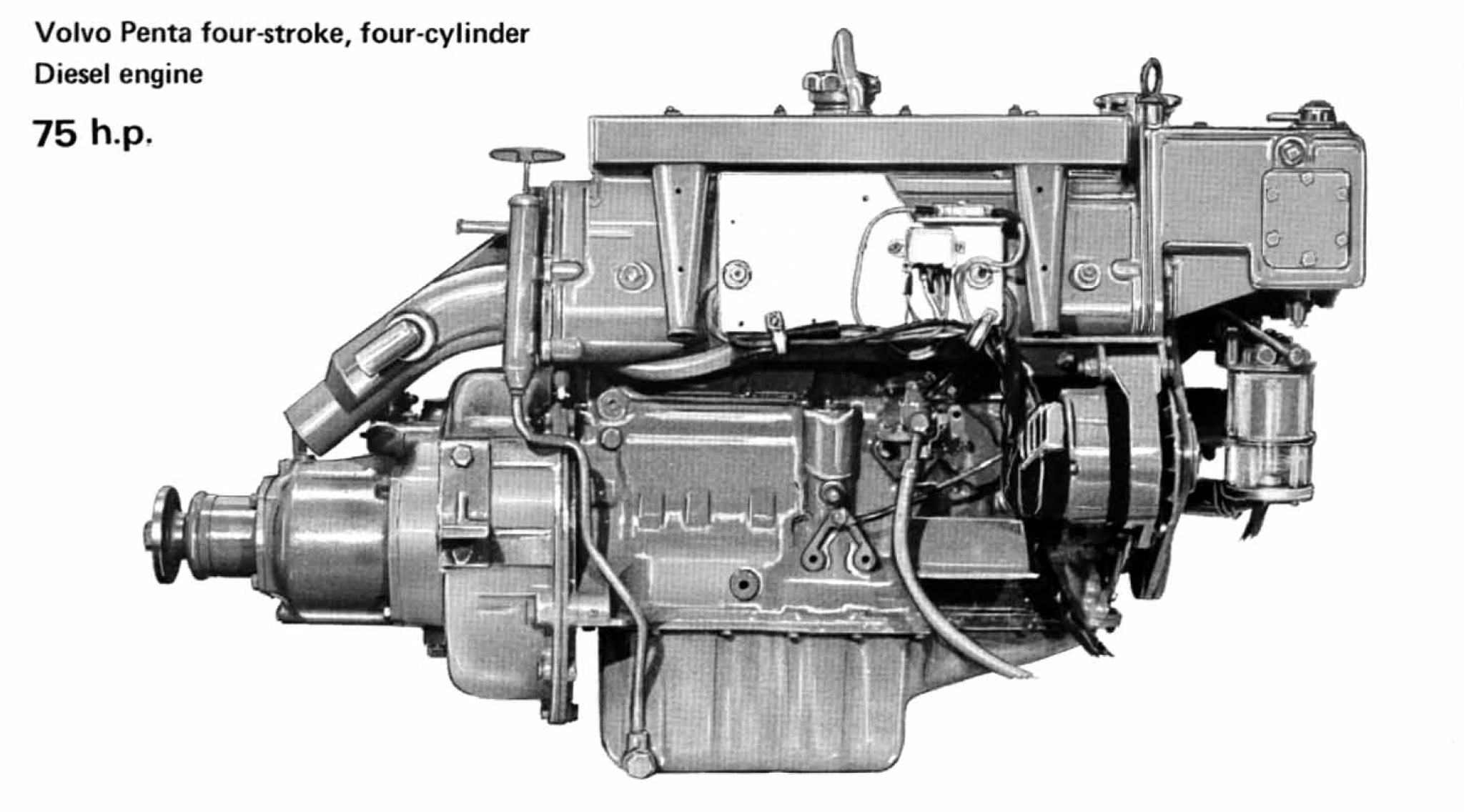
MATILDA has many new systems, but one of the originals is the Volvo MD21A engine. It’s been rebuilt a couple of times over its lifetime and to give it credit, it hasn’t let us down yet. But we treat it with great respect, never running it above 2000 revs even if it means we only get 5.5 knots in flat water. Its pretty smelly and leaks abit of oil and water, but when running purrs like a pussy cat. I realise it won’t go on for ever but I’m loath to get rid of it until I have to. So in the meantime we have to find a diesel mechanic who understands this and is happy to show a bit of empathy to an old and hard to access engine. There’s plenty of engineers out there, but finding one, again with the language barrier who gets the issues is something that we are going to nhave to work on.
Item Seven- Deck seams
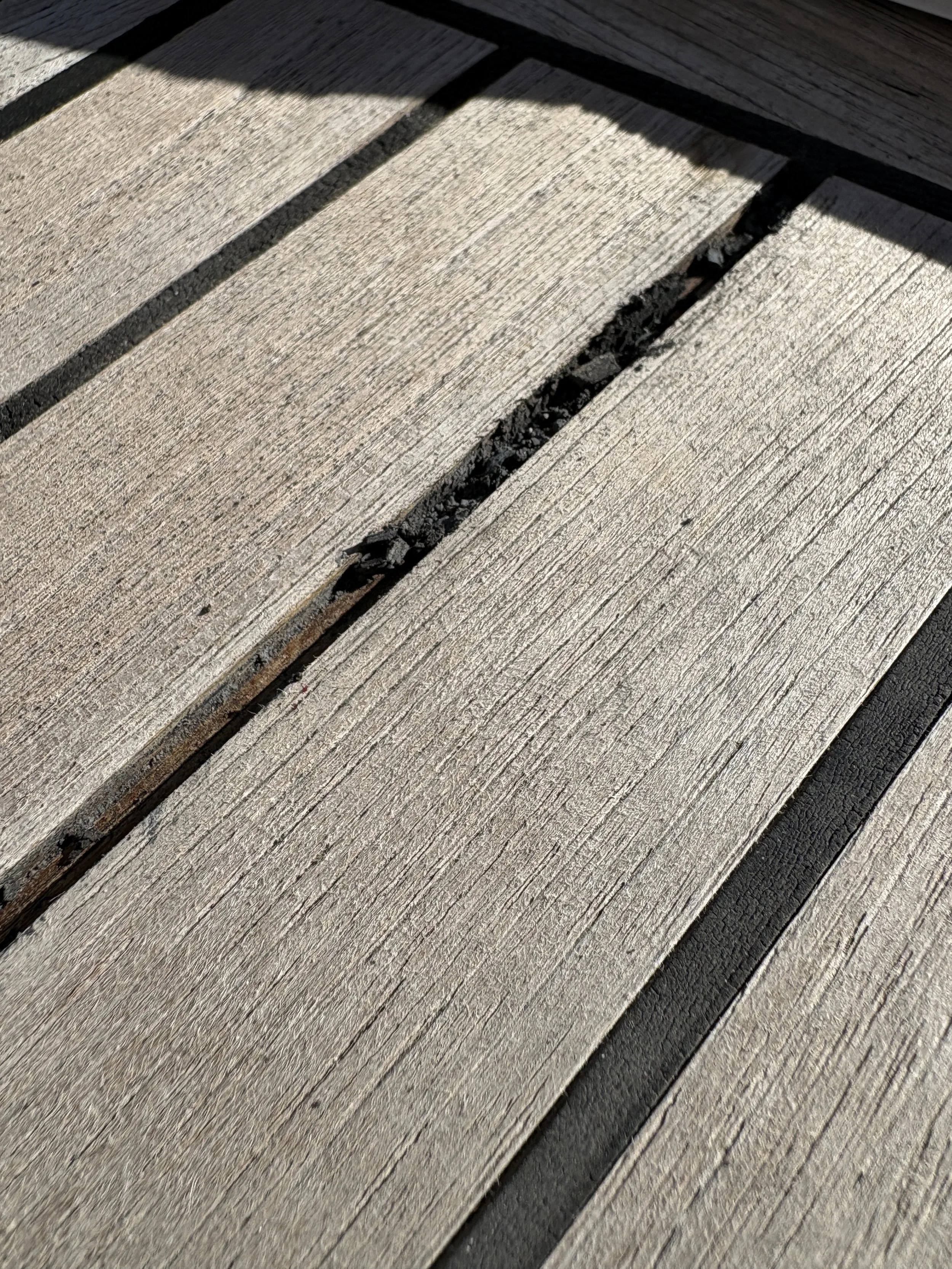
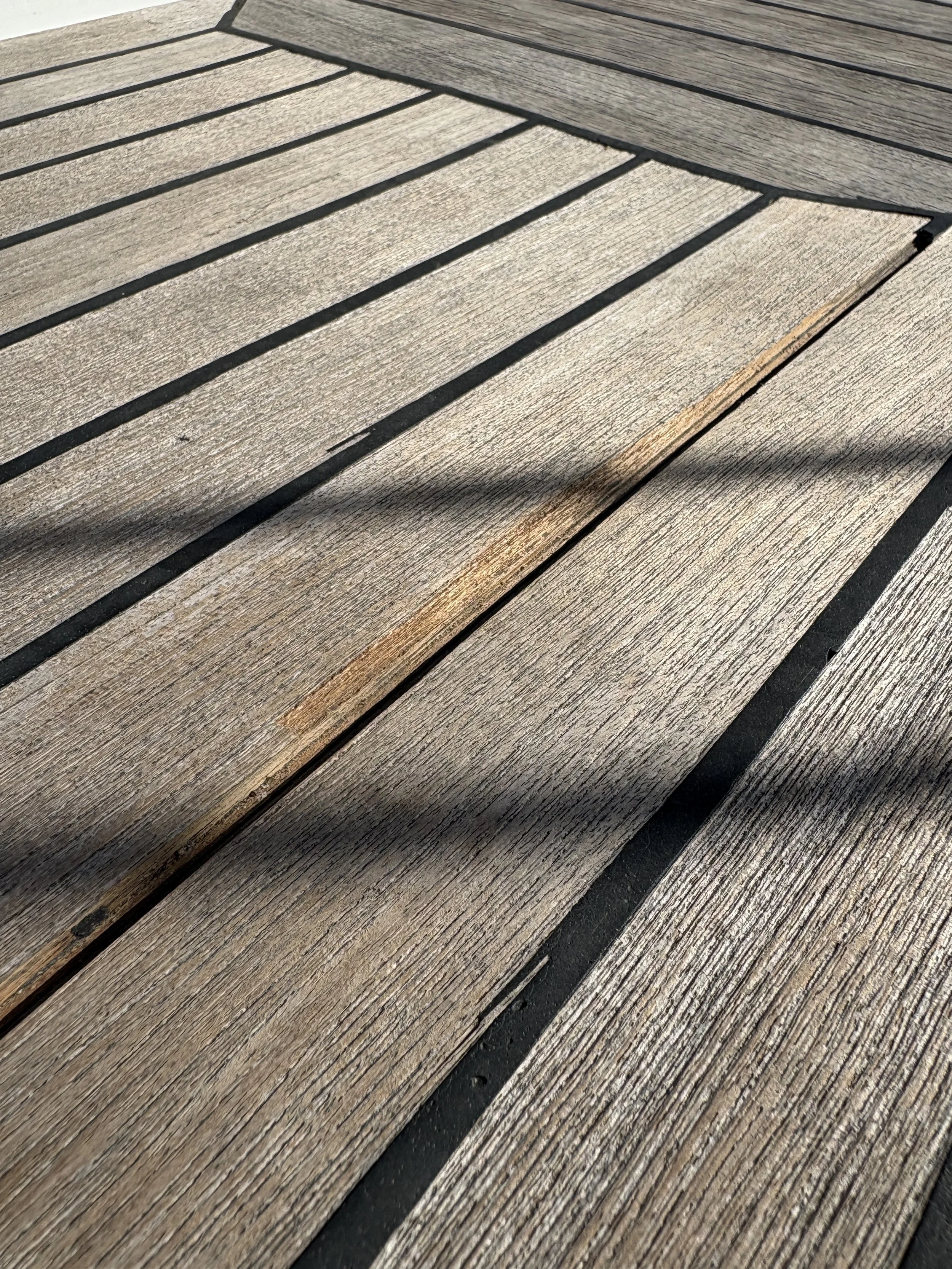
A few of the deck seams need re-caulking. This is one I’m going to address myself. . There are two issues. The original compound in patches has turned to powder. (Image one below) It comes out of the seam as a black dust. It’s easy to remove and prepare for a new injection. There are also some seams that come out in long solid strips as the previous owner had tried to fix problem one by injecting black epoxy rather than Sikka or the like.(Image two below) Not only is it harder that the surrounding timer and staring to produce ridges but when it does come out it often brings part of the teak with it.
Last winter a spend two weeks remedying the worst of it and this year it will be two days…so we are getting on top of it.
The process goes like this
Manually reef out the problematic areas with a tool designed to be the right width.
Sand the channels with paper over ply wood end, again to the right thickness.
Vacuum the channels and masking tape both sides.
Paint in Sikaflex DC primer.
Inject in Sikaflex DC Pro with a silicone gun leaving it slightly proud.
After about an hour remove the masking tape. Too soon and it runs, too late and removing the masking damages the seam.
Trim with blade or electric trimming tool
Give a very light sanding
I actually don’t mind this job. Good weather and quality kneepads help but its satisfying when you get a good result!
Miscellaneous
On top of these seven major items we have about another twenty things on the list that I have to address myself.
Thinks such as
Varnishing around the interior of hatches where they have been exposed to salt spray
Fitting a new mast boot
Cleaning the bilges
Running new reefing lines
Addressing corrosion around mast fittings
Fitting a fresh water foot pump
And the list goes on!
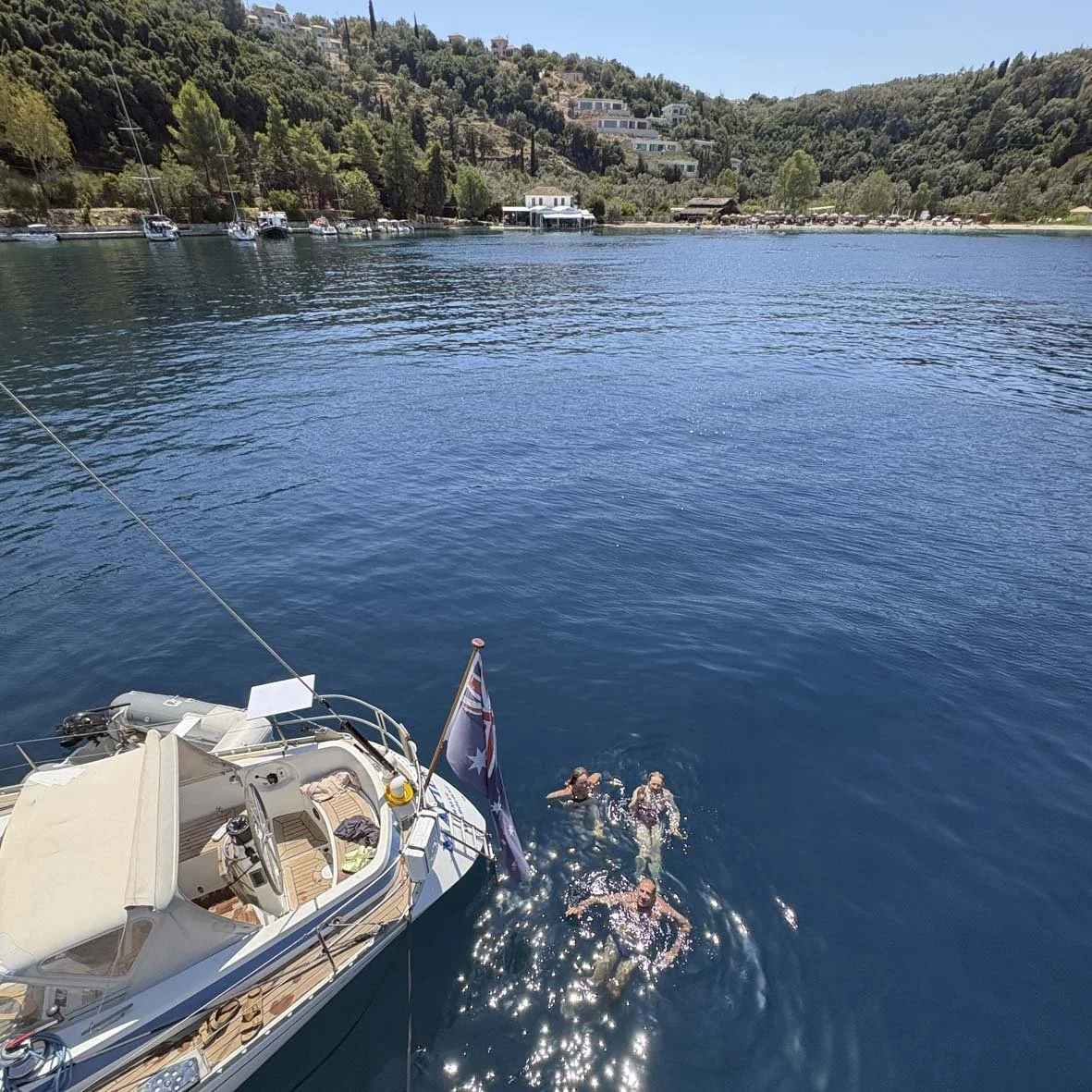
With an Atlantic crossing on the cards in the nearish future it’s important that these issues are addressed properly. And of course budget is a major consideration. Balancing getting things done well, and getting them done cheaply (or at least not being ripped off) is always a challenge. But every time things feel hard and living in a house seems like a good option, I think back to the bays, villages and cities we have visited aboard MATILDA over the last year. And we remind ourselves…we don’t have to do this… we choose to. What a privilege!