Over a decade ago, I sailed on and helmed a relatively competitive offshore 40ft race boat. The crew was cobbled together from two groups of friends, and although there was a fair amount of sailing experience on board, it wasn’t related to cutting edge of modern racing techniques, more to things like staying safe, looking after the boat and remembering to have fun.
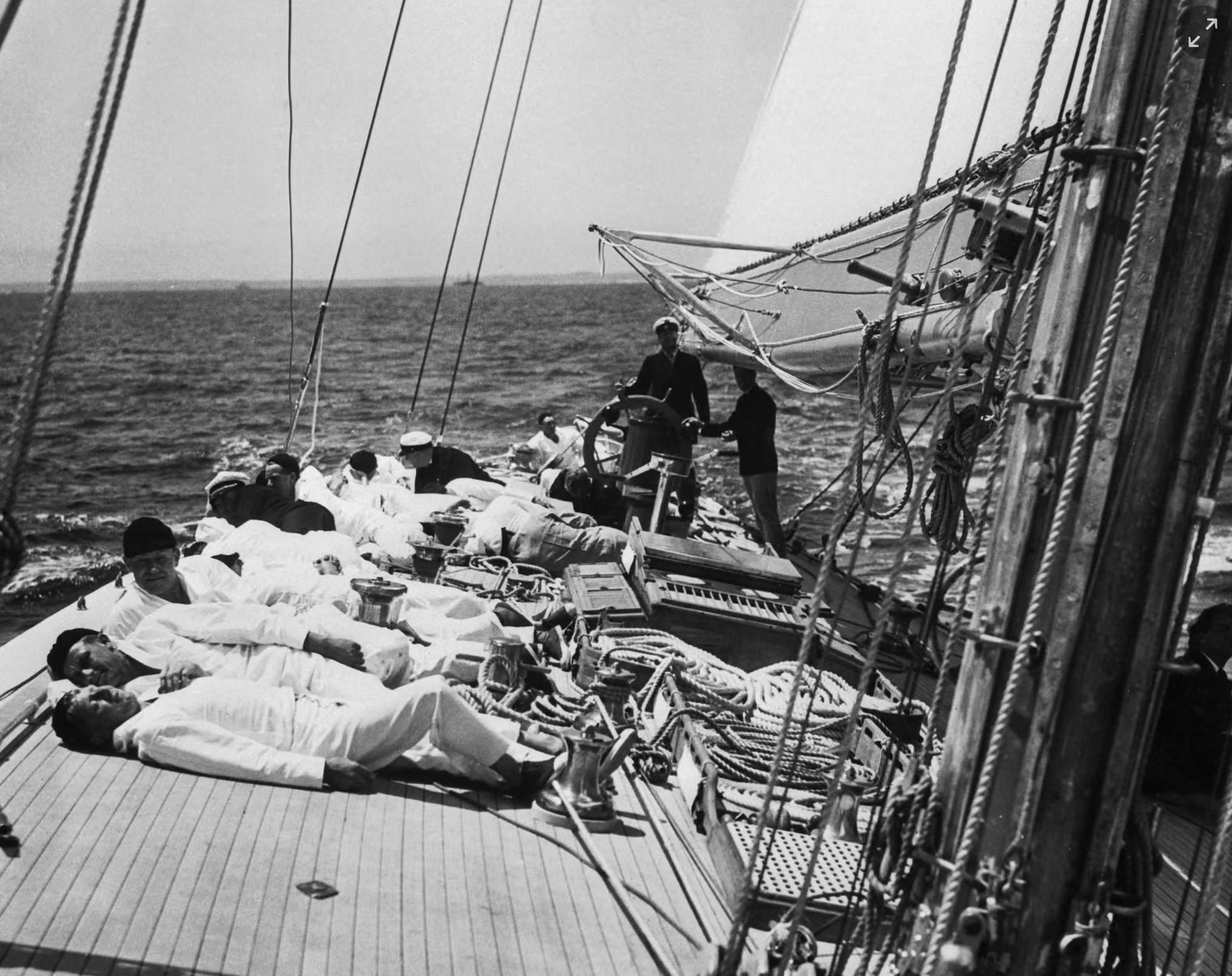
Soon after the purchase, the owner (who was new to sailing) quite rightly realised that to get the results that the boat was capable of, we would have to drastically improve the standard of crew work.
He had spent a lot of money on new sails, new instruments and rigging upgrades and so a few extra dollars to pay some pros to teach us better habits wasn’t such a big deal. It started off with the sailmaker racing regularly aboard, and I, for one, learned a lot. It wasn’t always fun, but the intensity lifted and standards rose. There was always a fine line between coaching and just making the boat go faster, in order to win, and a few times that line was crossed. And then we started getting other regular paid crew sailing with us in club races on the weekends. Again, it was nominally for the purpose of coaching, but in effect they were there to get the job done. And to be honest, despite being exceptional crewmen, (yes, they were always male) they were poor communicators and made it clear that sailing with us bozos was slightly beneath them… but the cheque book always opened at the end of the race… and “money doesn’t talk it swears”
So we started winning… a race… a regatta… a short offshore classic, and the more we won, the less we enjoyed it. The program started going off track. Within a year the boat was sold, and we all went our separate ways.
So, what’s the point of this little anecdote? It’s not saying professional sailing is less worthy. The skills required to sail boats like the TP52s in the Super Series or Match racing in the Congressional Cup, are not only jaw dropping in the effectiveness, but almost balletic. But the story does highlight the problems that can occur when sailors with two inherently different motivations assemble on one boat.
Which brings us to the word “Corinthian.”
Of course the term comes from the ancient Greek city of Corinth, but its use to describe amateur sportsmen is a Regency English invention. In antiquity, Corinth was a wealthy trading port with a name for luxury, sophistication, and loose living. The Greek verb korinthiazesthai (“to act like a Corinthian”) was a euphemism for debauchery and so over time, “Corinthian” came to suggest a man of leisure and means.
In early 19th-century England, “Corinthian” became slang for a fashionable, wealthy young man about town who enjoyed sport and high living. These Corinthians were gentleman sportsmen who boxed, drove coaches, and raced horses for the thrill of it rather than for money. The association with elite, leisure-class sport stuck. And what could be more elite or leisurely than racing sailing boats?
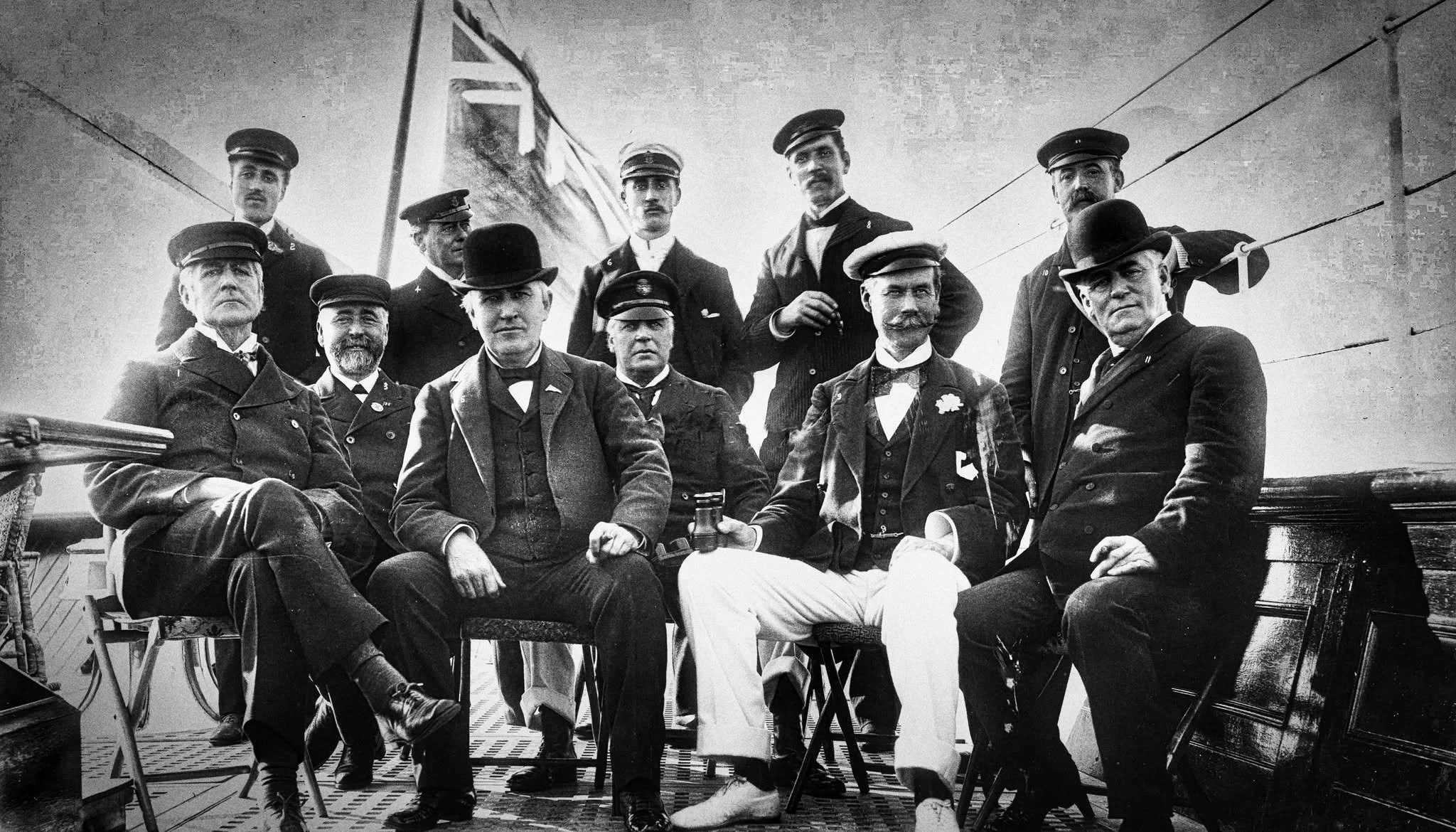
The Royal Corinthian Yacht Club was established in 1872 at Erith, on the Thames in Kent, by a group of amateur sailors. The name was chosen deliberately: “Corinthian” signalled that the club was for amateur yachtsmen who sailed their own boats and handled them personally, as opposed to wealthy owners who paid professional skippers and crews to do the work. In the Victorian yachting world that distinction mattered a great deal, since big-class racing was dominated by owners who hired professional hands.
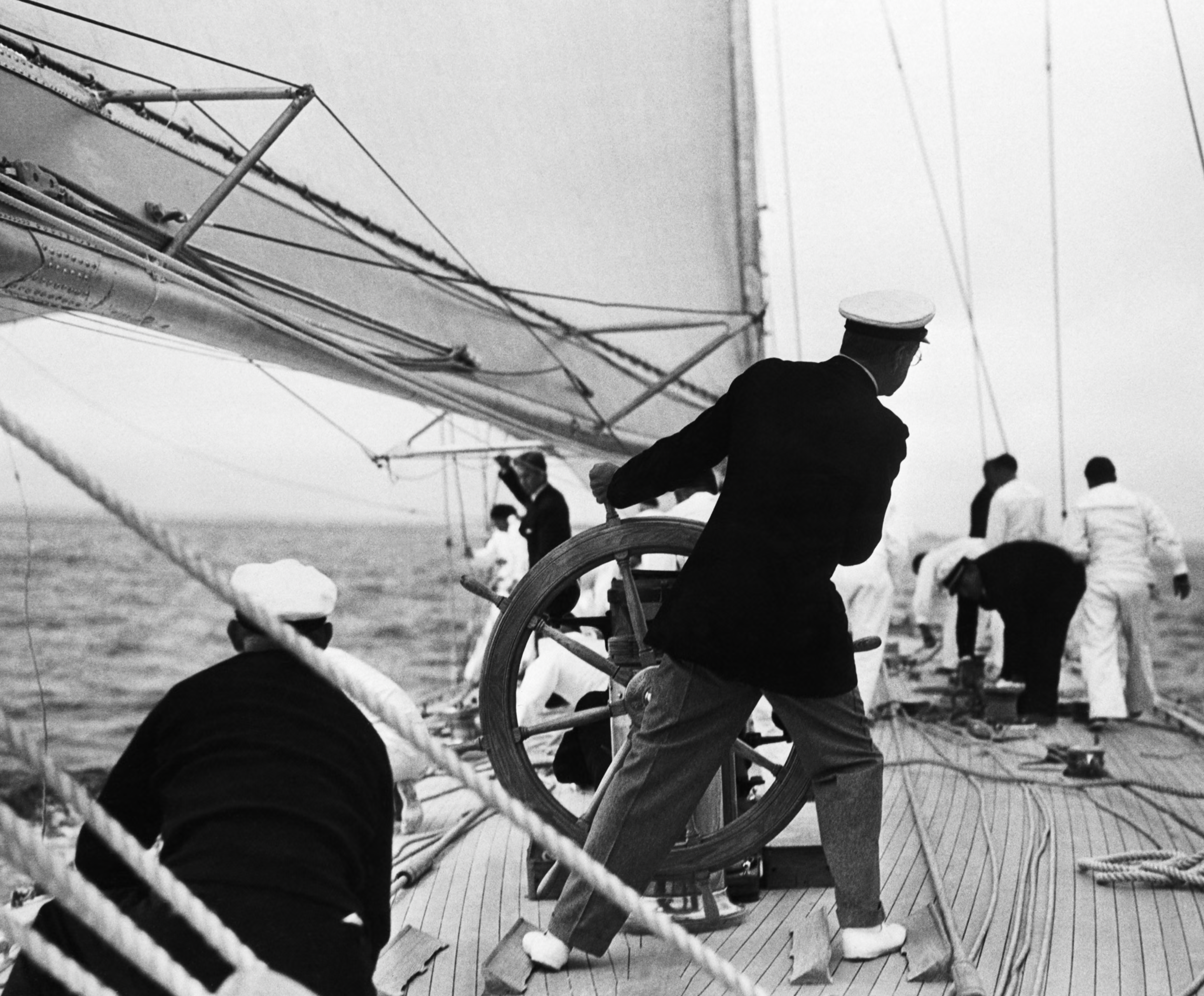
Earlier this month the J/24 Class held its World Championships at Sandringham Yacht Club on Port Phillip. Back in the heyday of the class, in late 1980s they had fleets of over 80 but this year there were 37 entries and 24 of them were classified as “Corinthian”.
WM Nixon takes up the story in this article on the same subject.
The Corinthian/Professional situation is now top of the agenda for both cheering and bothersome reasons. The cheering reason is that out in Australia, the wonderful all-Ireland crew of the successfully-defending J/24 World Champion Headcase were rated as a Corinthian entry, and here’s to Cillian Dickson of Lough Ree YC, Ryan Glynn of Ballyholme YC, Louis Mulloy and Marcus Ryan of Mayo SC, and Sam O’Byrne of Howth YC for this magnificent achievement. Their success is put in perspective when we consider that the hot fleet of 37 boats from ten nations had 13 boats which were rated as Professionals. Yet while Headcase may have won by a clear 12 points from the highly favoured Australian pros in Checkmate, the next best placed Corinthians were way down the line at eighth. It was a refreshingly clearcut outcome.
And then there’s the Sydney to Hobart Race. If you are not an avid follower, you might not be aware that there are two “Corinthian” trophies on offer each year.
The York Family Trophy is awarded for first placed boat among Corinthian entries in the PHS (Performance) handicap division. The Graeme Frizzle Freeman Memorial Trophy goes to the first placed boat in the Corinthian IRC Division.
It’s interesting to read what excludes a boat from being eligible for these trophies
If, within a qualification period, any crew have been paid for work that involves competing in a race, coaching, managing, training, tuning, testing, maintaining or otherwise preparing a boat, its crew, sails or equipment for racing, or being paid to provide a boat or its sails, among other commercial activities, then they cannot be considered Corinthian.
So, I think this hodgepodge of information teaches us two things.
1. When professional and amateur crews mix, the outcomes are often negative for both groups.
2. We should value both professional and amateur racing in equal measure, which isn’t the case at the moment.
Do you know which boats won the Sydney Hobart Corinthian trophies last year? Unlikely, because their prestige gets drowned out by what I would consider the less worthy gongs of line honours, the IRC handicap battle with large amounts of cash spent on and off the water, and to a lesser extent the up and coming two handed division. Just for the record The Graeme Frizzle Freeman Memorial Trophy was won the double handed entry BNC - my::Net from New Caledonia and the York Family Trophy was won by double handed S&S34 Crux
Professionals should be rewarded for their elite skills and, given their higher levels of funding, for their technical innovation. Corinthians should be admired for sailing with the different values of adventure, friendship, excitement and joy!
If I could take the time machine back ten years, I would certainly do things differently aboard that 40 footer. The skills I learned with the pros onboard, have served me well over the last decade. But having imparted their knowledge, I would have asked that they step ashore and leave us to our own devices… to succeed or fail based on our own ability. Only then we would we have known what we were truely capable of.