
IMPECCABLE Manners
(We love a legendary Modern Classic here as SWS!)
The Sydney Hobart Classic Yacht Regatta (SHCYR) is only three weeks away and the owner of the Doug Peterson designed Three Quarter Tonner Impeccable is excited to be on the start line again.
Ben Gray, a member of Sydney Amateur Sailing Club and part of the SHCYR regatta’s cross-club organising committee, bought Impeccable five years ago from the family of the late owner John Walker.
Impeccable raced in 25 Sydney Hobart Yacht Races with Walker on board for them all. The last being in 2008 with Walker, aged 86 at the time, becoming the oldest skipper in the race’s history to that point.
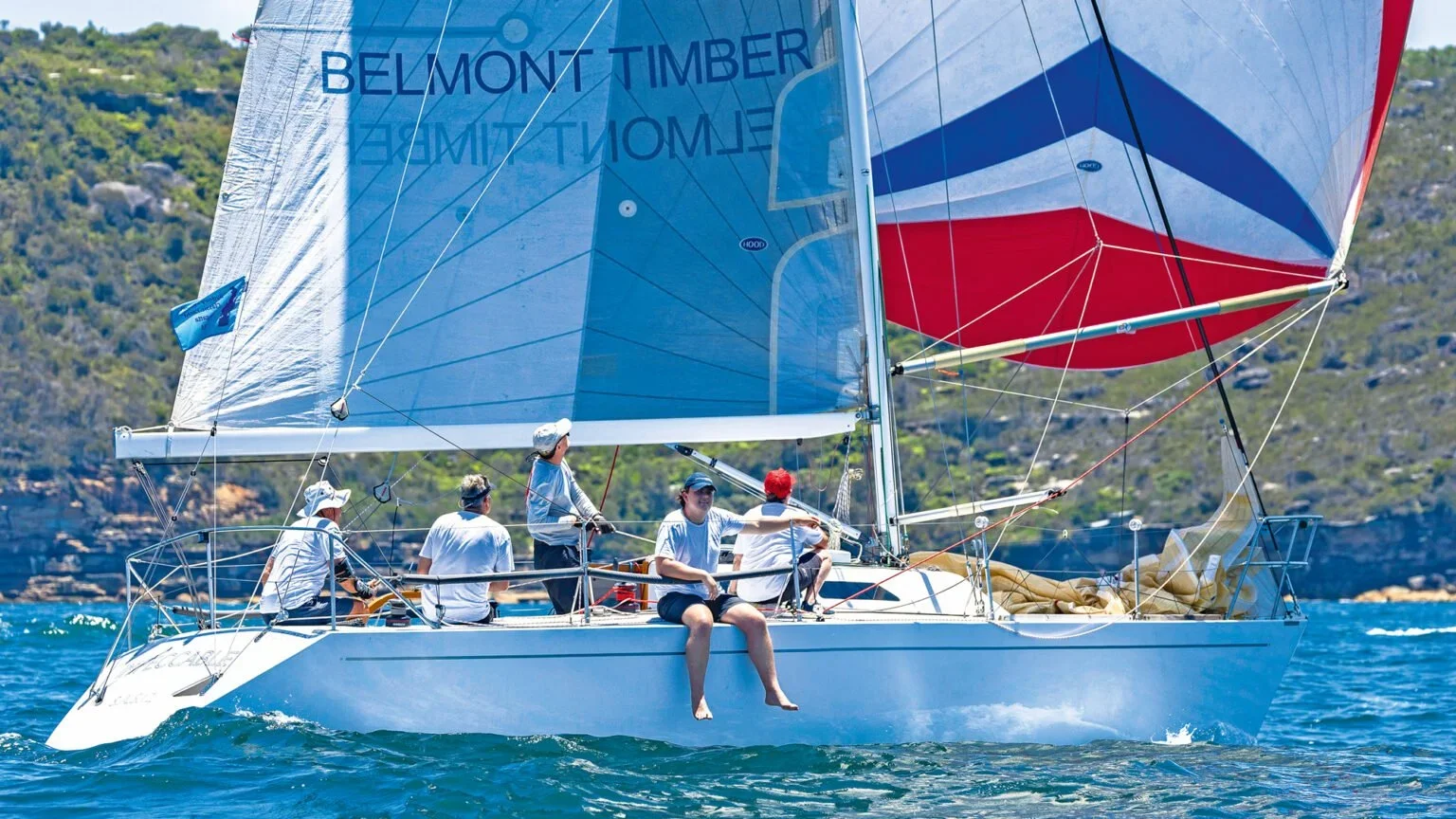
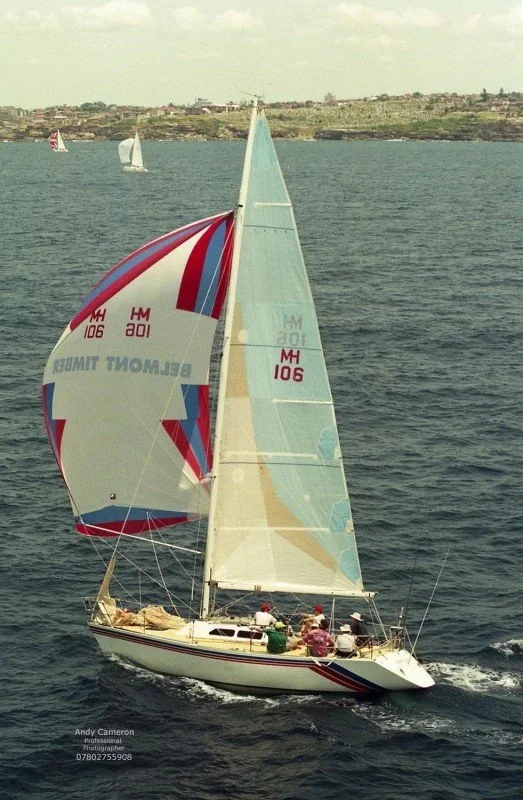
The yacht went close to winning the Tattersall Cup three times, finishing second Overall in 1986, third in 1993 and fifth in 2006. She twice won her division – 1986 and 1993.
Now Impeccable has been beautifully restored by Gray and shipwright Simon Clark and is a regular in the vibrant ‘classics community’.
“I’ve had a long affiliation with the Classics, and I sailed a lot with Nigel Stoke on Fidelis,” Gray explains.
“Nigel encouraged me to get involved in the development of the next range of more modern classics. The history and community around these yachts is fantastic and really, it’s all just part of the story, the tapestry of the Sydney Hobart.”
Entries are still open for the SHCYR (held at the CYCA from 11-13 December) and is open to yachts in two divisions:
Classics: any yacht that has a launch date prior to 1976 and has competed in a Sydney Hobart Yacht Race.
Modern Classics: any yacht that has a launch date after 1975 and prior to 1996 that has competed in a Sydney Hobart Yacht Race.
Enter HERE.
“You have these races like the Grand Veterans Race (in May) and the Sydney Hobart Classic Yacht Regatta, and people stick their head out of the woodwork and tell a story about a Hobart they did on the boat 40 years or so ago,” Gray says. “The events are sailed in such good spirit it’s fantastic and it is such a thrill to see all of those boats out on the harbour together.”
Inverloch Classic Dinghies- An SWS favourite!
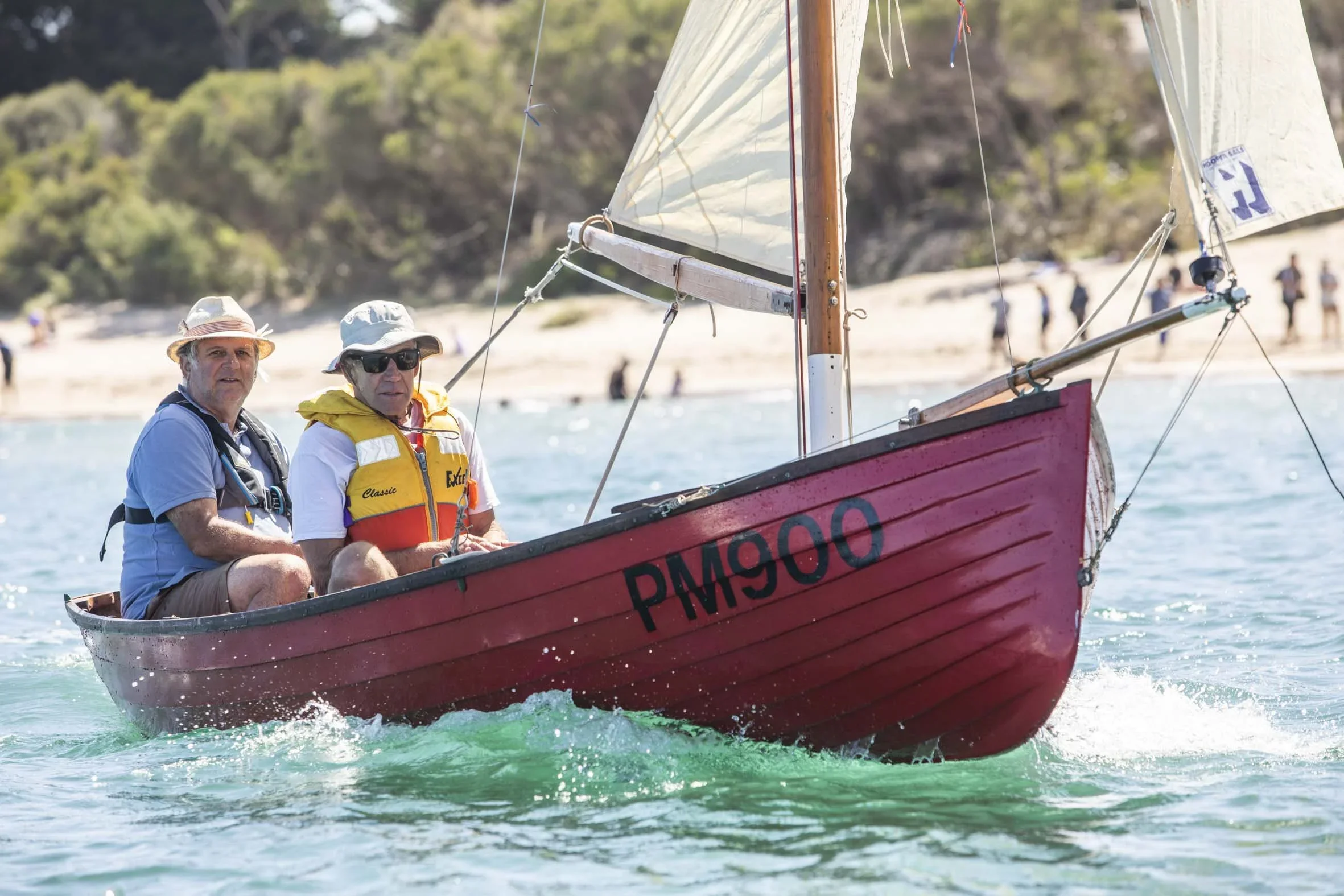
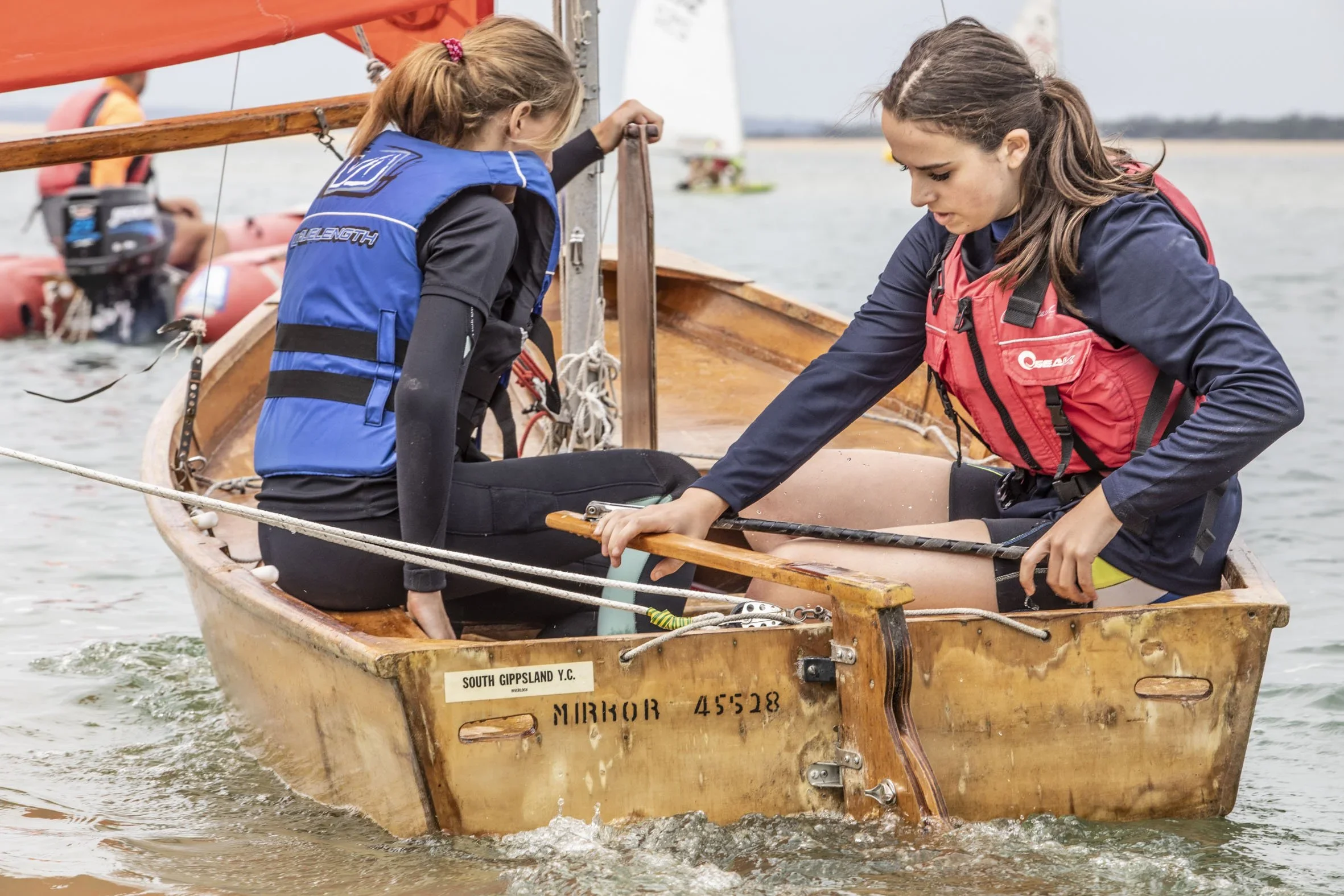
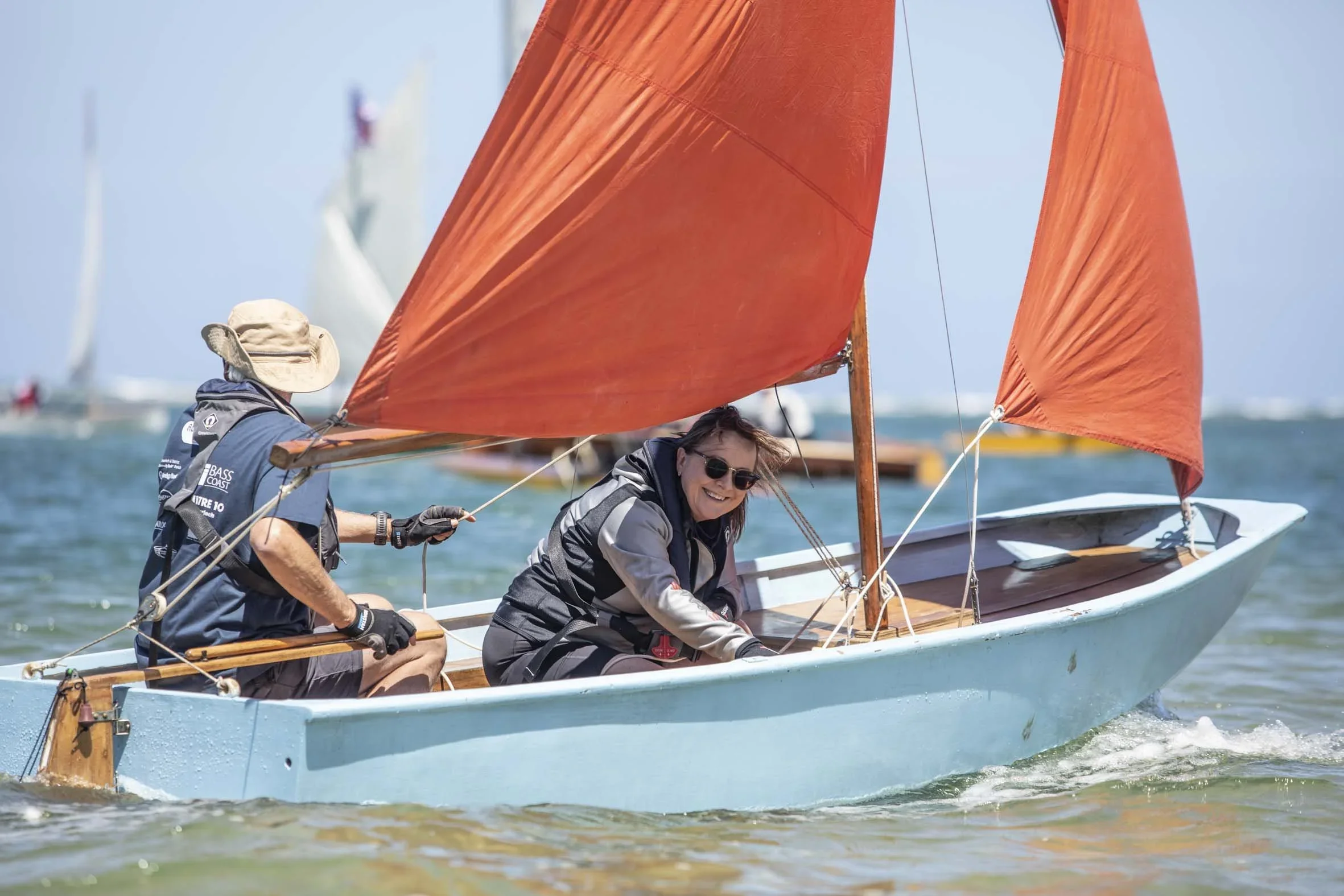
It’s back for 2027, the ICWDR is now open for entries. The Regatta takes place over the weekend of 20th/21st February 2027. The event formula will be follow the success of prior years: 4 informal races over 2 days; awards for boat categories based on presentation, originality and story; a sit down dinner on the Saturday evening and of course much socialising!
If you don’t know what this event is about check out THIS & THIS
Then dust off that old plywood dinghy in the garage, (like you’ve been meaning to for years) grab the kids and get into it!
More info and entries HERE
Beyond the Lines
Rethinking Ocean Maps for Equity. From seavoice.org by Brian Palmer
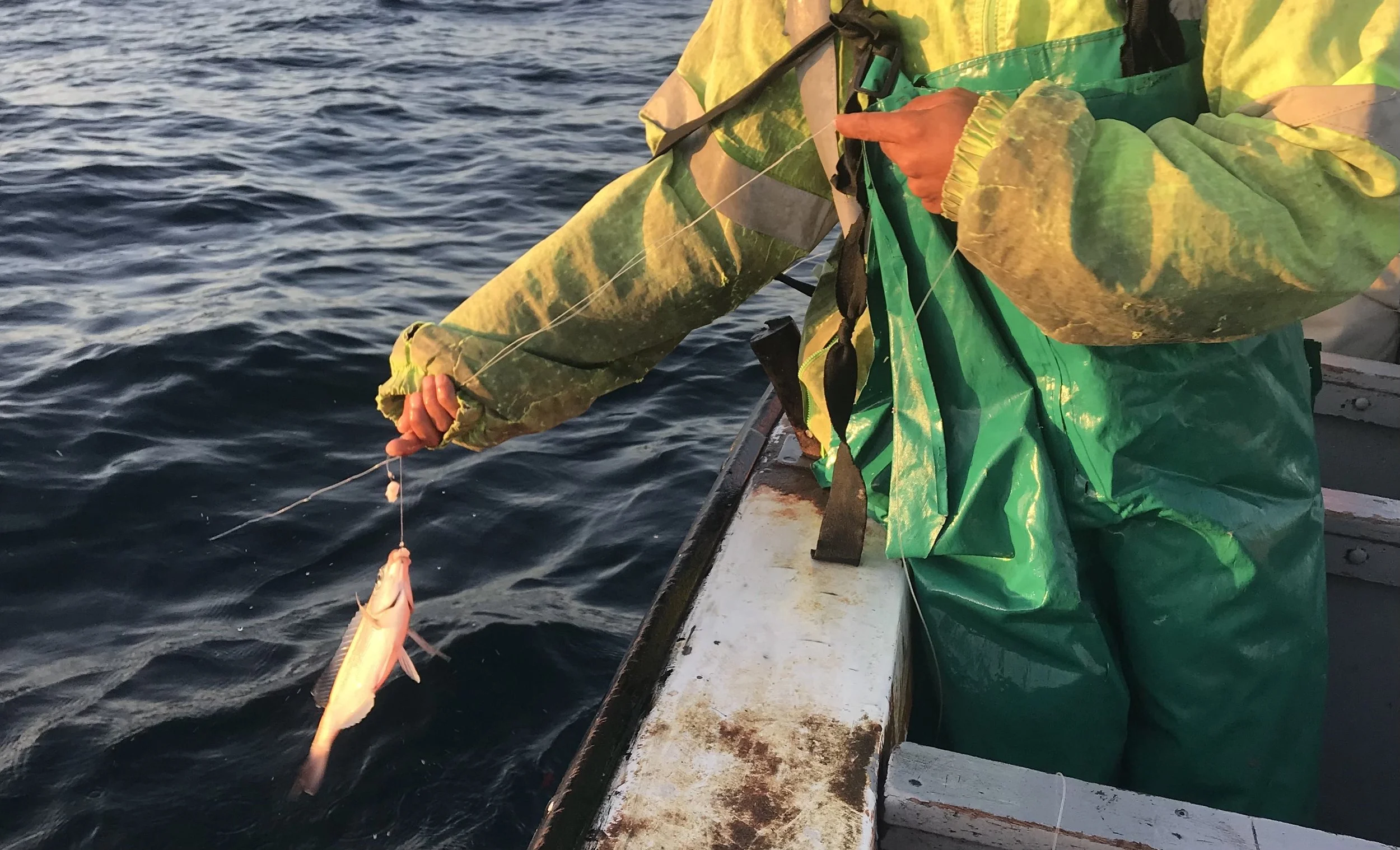
The fishers I spoke with in South Africa’s Cape Agulhas region have a strong sense of place, but feel they are losing the places they cherish. They know exactly where to troll for their prized yellowtail. Once there, each member of the crew holds a line with a single hook as it trails slowly behind the wooden chukkie boat. When the yellowtail don’t bite, a common occurrence these days, the fishers triangulate cell towers with distant mountain peaks without the benefit of a GPS. There they find rocky reefs to drop line for lower value reef fish which they pull up hand over hand, maintaining speedy, steady tension. The fishers know where Forty-Five Mile Bank lies but have not been there in years, captains can’t justify the fuel expense now that the trawlers have taken so much of what used to thrive there.
Mapping policy pitfalls
Some of the fishers know where fish traps used to dot the shore. They formed networks of arching waste-high stonewalls which created pools full of shoaling fish in the intertidal zone. These traps, or visvywers as they’re known locally, helped supplement catches on days when seas were too high and rough to take the chukkies out. Many have forgotten the trap locations, or were born after they fell into neglect, when the practice was banned [1]. However, many still know of the places where their homes were demolished by the apartheid government, recalling the grief of returning home from a day at sea to find pages of the family Bible blowing about in the rubble. With a big laugh they tell the younger generation of the place on the beach where their grandmothers showed them how to make sand balls to throw at the trucks terrorizing their families. All these places create maps in the fishers’ heads. These maps are meticulously designed tools they use to feed their families, catalogue injustices, and tell stories of agency.
As mapping technology is increasingly included in marine governance, the degree to which the fishers’ knowledge is spatially assembled will determine whether their livelihoods are preserved and protected or further marginalized and eroded.
Rustler 36: How a Falmouth Long-Keeler Became the Golden Globe’s Go-To Boat
By Sam Wakefield on his site www.teaksteel.com. We love another legendary Modern Classic!
The Rustler 36 is a Falmouth cruiser from the early 1980s, with a long keel, a rudder hung off the transom and no interest in speed. Four of the 16 skippers who left Les Sables-d’Olonne on 6 September chose one for the McIntyre Golden Globe Race. Ten weeks on, a Rustler leads the fleet, another is second and a third is still racing. Here is why this boat keeps turning up at the front of the Golden Globe.
The rule book helps. Entries must be fibreglass, designed before 1988, with at least 20 built from one mould, and between 32 and 36 feet. They must also have a full-length keel with the rudder on its trailing edge and weigh at least 6,200kg. The Rustler 36 is 35ft 4in and 7,623kg, with a long keel, and it is on the 2026 approved list. The organisers add a warning: they approve the design only, and each boat’s fitness for the race is the entrant’s problem.
The sailing case is just as simple. Practical Boat Owner called her “the archetypal long-keeled heavyweight” and praised her comfortable motion. It also said she won’t match a modern boat for speed.
They Saved Paradise. (Now comes the hard part)
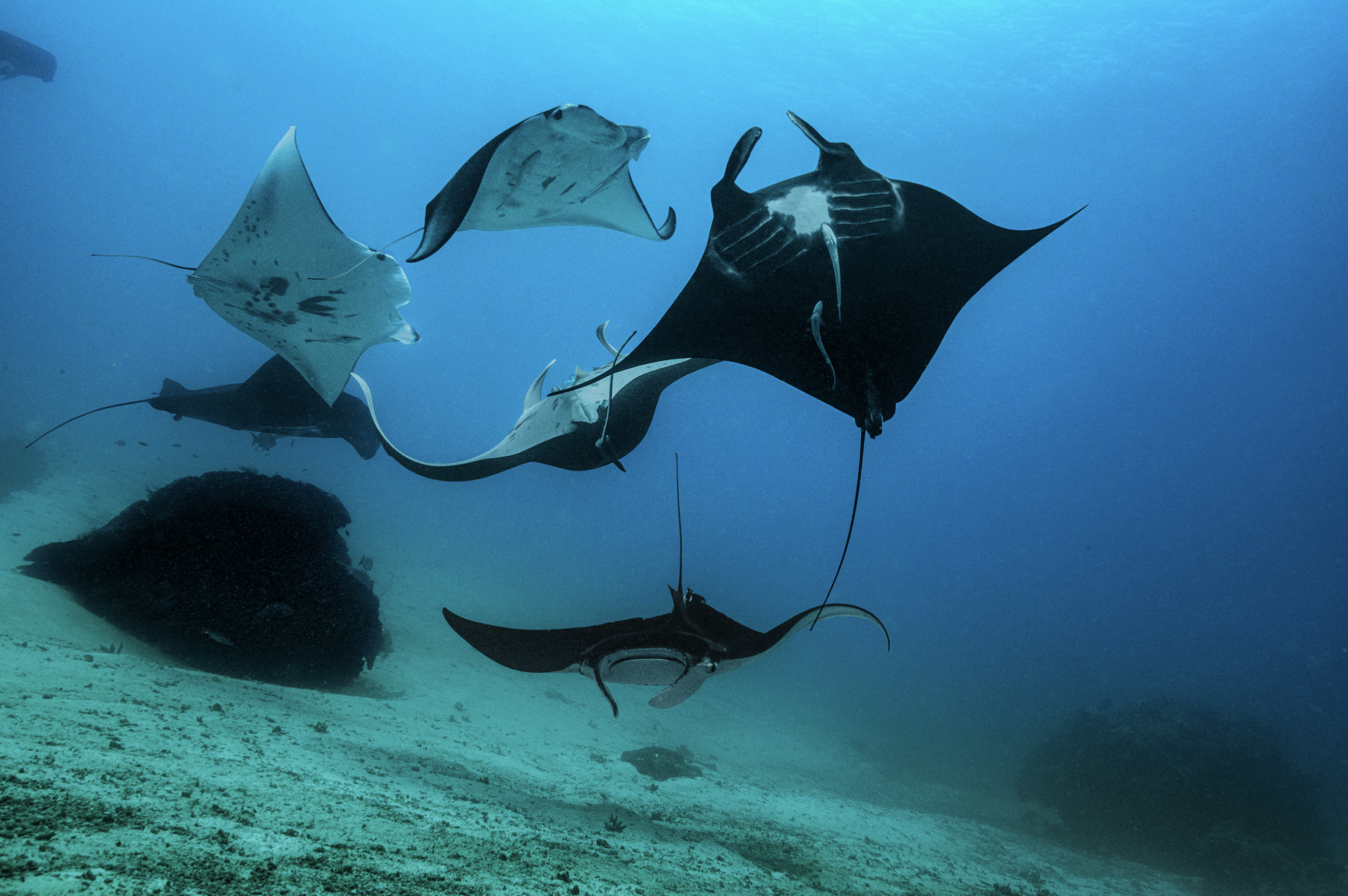
Raja Ampat is one of the few places on Earth where manta rays are increasing, to the point where it now has to deal with its own success.In 2004 marine scientist Mark Erdmann persuaded Indonesian officials to drop planned logging and mining in favour of a patchwork of protected areas that now cover about 20,000 km² His pitch was that a dead manta fetches around $500, while a live one earns more than a million dollars from tourists over its lifetime. It worked; mantas now number more than 3,000, but tourists have gone from about a thousand a year to more than 33,000, and their boats’ anchors and sewage are now damaging the reefs, so Erdmann is back, lobbying to cap dive boats at 60
From National Geographic
Tall, with a boyish grin that defies his silver stubble, the 58-year-old marine conservationist has identified dozens of new species in Indonesian seas. He also lobbies politicians to prioritize marine protection and has raised money from big Hollywood donors to fund ambitious work within this ancestral ecosystem. Yet while Erdmann has studied a wide range of marine life, mantas might be his favorite. “They are very intelligent animals,” with the largest brain of any fish, he says. “Not only can they tell individual mantas apart; we’re almost sure they can tell individual humans apart.”
Erdmann likes to tell a story about a manta that would follow the Silolona’s lead dive guide, Goris Atawuwur, whenever he dropped into a certain site. It would hover over Atawuwur, swim around him, and lock eyes. No matter what color wet suit he wore, the manta found him, until Atawuwur tried a mask with a mirrored lens. “That was the only way to throw the manta off,” Erdmann says. “In other words, they are doing eye recognition, which is really very interesting.”
‘Embrace Discomfort at Sea’
A great little free article by Adrian Morgan in this month’s Classic Yacht Magazine
Discomfort, go on let’s admit it, we love it, within reason. A little bit of hardship does us good. We secretly enjoy the challenges it offers. It makes the bar stories taller and is certainly a crucial part and parcel of sailing an old wooden boat. Well, not Shamrock V. But anything under 30ft, built in the heyday of mahogany or pitch pine on oak, with grown timbers, bare standing headroom and the most basic of facilities.
Discomfort is, of course, relative. We become somewhat immune, such that when the storm abates, the wind drops, and the temperature rises, even by a few degrees, we can discard the fleece. The galley stove now gimballed at a respectable angle again, we forget what we’ve been through as the first sip of whisky slips down. Comfort is likewise relative. One person’s comfort can be no more than a dry berth after a bitter night watch. To another it will be a chance to wash the salt from sodden locks under a tropical rain squall. For some, nothing less than a hot shower ashore, and a hotel’s fluffy Egyptian cotton towels will do.
Ocean Photographer of the Year 2026
At the Australian National Maritime Museum , Darling Harbour, 19 November 2026 to 28 February 2027
“Photographers from around the world, from emerging talents to experienced professionals, share powerful images that reveal the ocean's wonder, complexity and fragility. Judged by a panel of ocean photographers, editors and curators, these photographs connect audiences with marine environments and the people, animals and communities that depend on them.
The ocean is Earth's largest connected ecosystem. It supports life, and provides food and livelihoods for billions of people. Our health and the ocean's health are deeply connected, as the ocean produces much of the oxygen we breathe and helps regulate our climate. Through nine exhibition sections, you're invited to explore different perspectives of the sea: from hidden microscopic worlds and incredible wildlife, to human connections and stories of adventure and conservation.”