
Flotsam & Jetsam 16.10.26
Ancient and Modern. A fascinating Contessa Rebirth
Ok, I know we have the word “wood” somewhere in our masthead, but this series of videos is a must watch for people like me, who are interested in some of the beautiful boats that were part of the early days of GRP construction.
John Corby has been designing and building boats since the 1980s with some pretty impressive outcomes.
From his website…
One-off racing yachts were the original core business in the pioneering years of custom composite raceboats when owners preferred to choose a designer, sometimes young and unknown, recruit a build team and rent a shed, rather than (maybe sensibly) buying off the shelf which they tend to do now. I was unusual in being both a designer and a builder. Wonderful, exciting and inventive times with often mad amounts of man hours in the build shed and partying after, but always surrounded by eclectic people with an amazing range of skills ranging from wood to carbon fibre. When it comes to designing there have some outstanding times, and some which could definitely have been better. Nobody gets it right every time.
Well now he’s producing a great series of videos covering the full restoration of a GRP design Classic, the rare but legendary S&S designed Contessa 38. (It shares a little DNA with our MATILDA)
The presentation of the videos makes them highly watchable but it’s the thinking and ideas that go into this restoration that make it essential viewing. He’s no Leo Goolden (but I reckon that’s a good thing!)
Here’s episode one of six (so far)…ENJOY!
River Heritage - PV Pride of the Murray
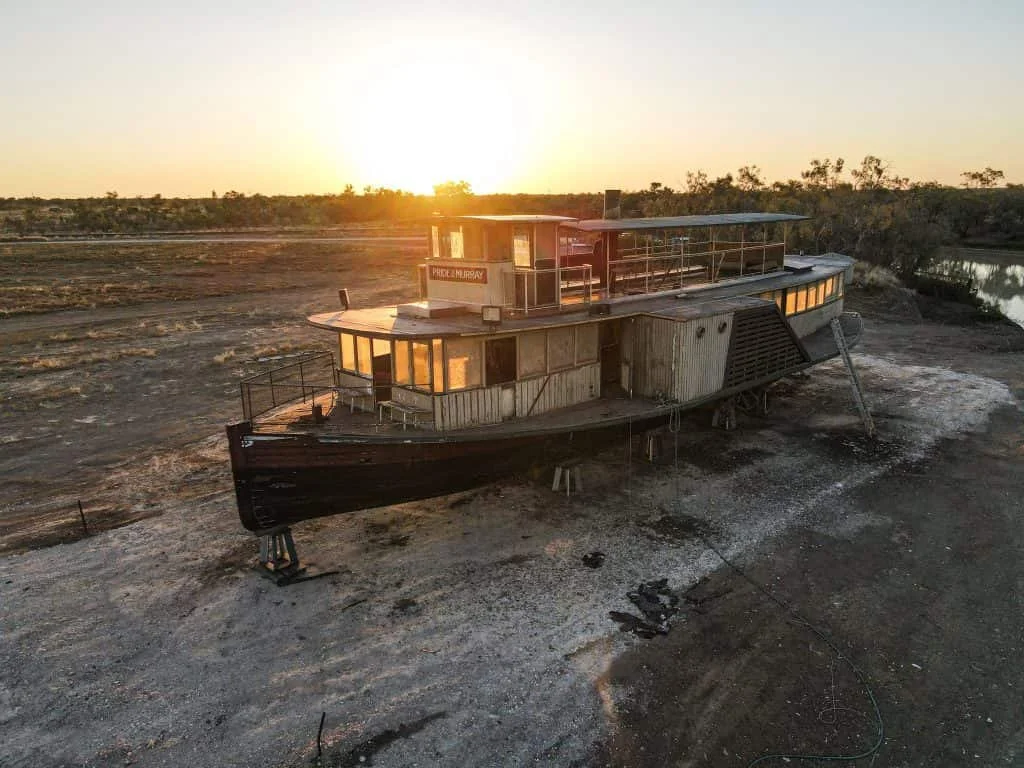
From the Melbourne Maritime Heritage Network’s fascinating monthly newletter
PV Pride of the Murray, like many Australian paddle wheelers, began life not as a tourist vessel, but as a working timber barge. Built at Echuca on the Murray River in 1924, the vessel had a long and varied working life before being transformed into a passenger vessel.
In 1956, the C24 barge was towed upstream by PS Oscar W for use during construction of the new Barmah Bridge. When the bridge was completed, the barge was allowed to drift downstream for five days, eventually returning to Echuca.
At the end of its working life, the vessel was abandoned and sunk in the Murray River on the Victorian side, just upstream of the Echuca-Moama Road Rail Bridge. In May 1973, Captain Maxwell Carrington purchased the wreck for just $100 with the intention of restoring it. Some 250 tonnes of river silt were removed before the barge could be refloated and taken to the Moama slipway. Its hull planks were renewed and two decks of accommodation constructed.
In 1977, the restored vessel was relaunched from the Echuca Wharf slipway as the diesel-electric passenger vessel Pride of the Murray, beginning a new life carrying tourists on the Murray.
In 2022, the Pride of the Murray was purchased by Outback Pioneers. Disaster struck while being transported approximately 1,750 kilometres by road from Echuca to Longreach, Queensland, where it was destined to become part of the region’s tourism experience.
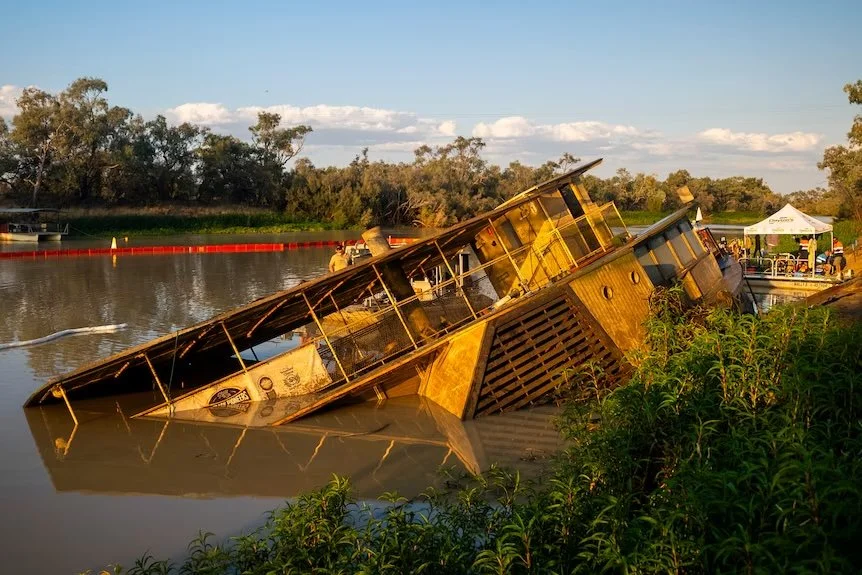
The vessel unexpectedly sank at its mooring in the Thomson River, remaining submerged beneath the river’s muddy brown waters for almost six months before being raised in September 2023. The Australian Maritime Safety Authority investigated the sinking, but the cause remained unknown. The story took another unexpected turn in March 2026, when floodwaters briefly refloated the vessel.
Now, restoration work is finally underway on the 102-year-old Pride of the Murray. Remarkably, despite spending months submerged, much of the vessel’s original timber is reported to remain in good condition.
From working timber barge, to abandoned wreck, to restored paddle vessel, and then to a long-distance journey and two extraordinary encounters with the waters of Queensland, the Pride of the Murray has already had several lives. Its latest restoration offers hope that this remarkable survivor will have the opportunity to begin another.
Also:
Restoration begins on historic Pride of the Murray paddleboat in Longreach
Echuca
Murray River
PS Oscar W
Barmah Bridge
Moama
Longreach
Continuing my Quixotic Campaign to restore sanity to the Americas Cup.
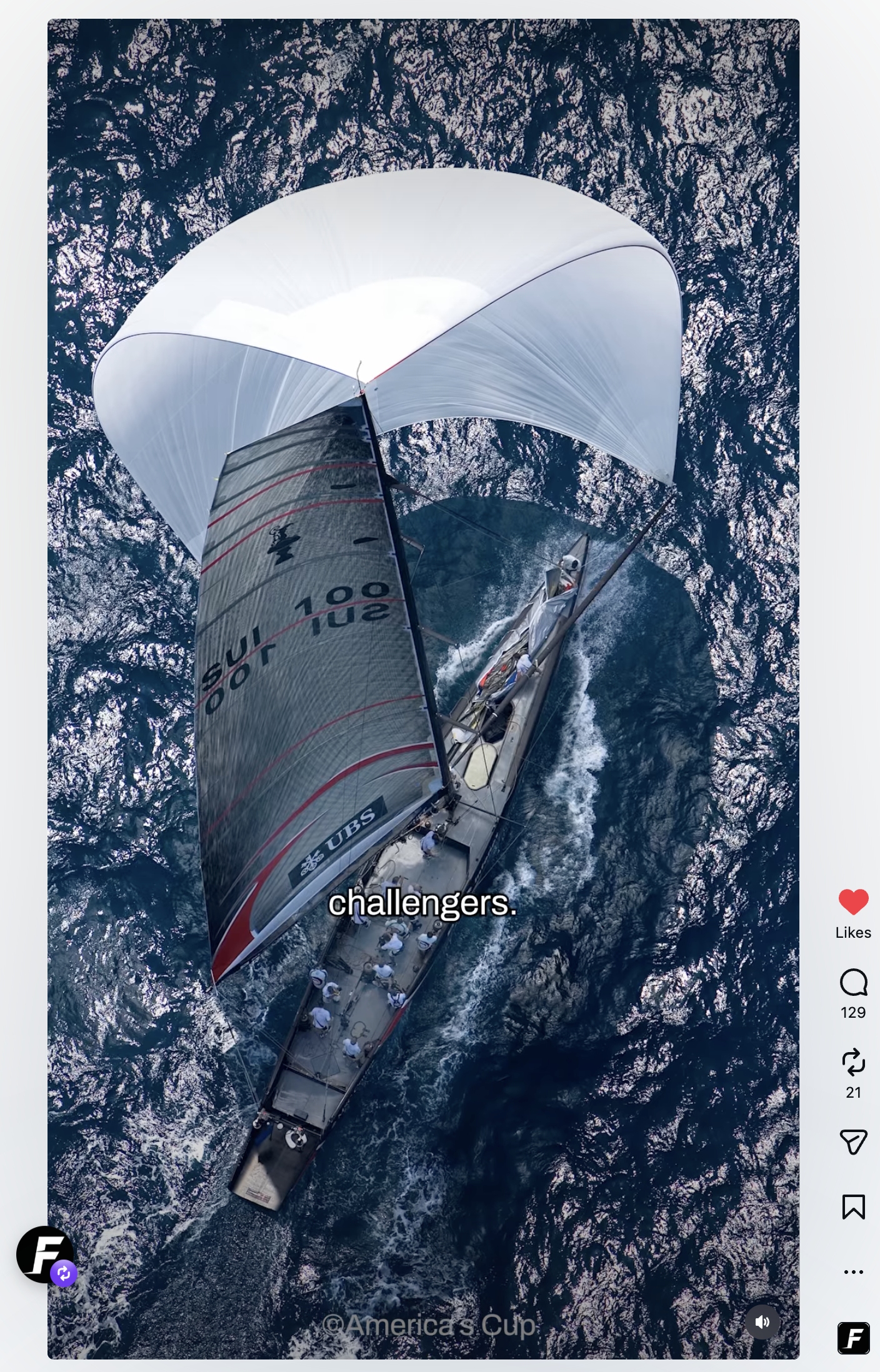
Click on the image above the hear the TRUTH!
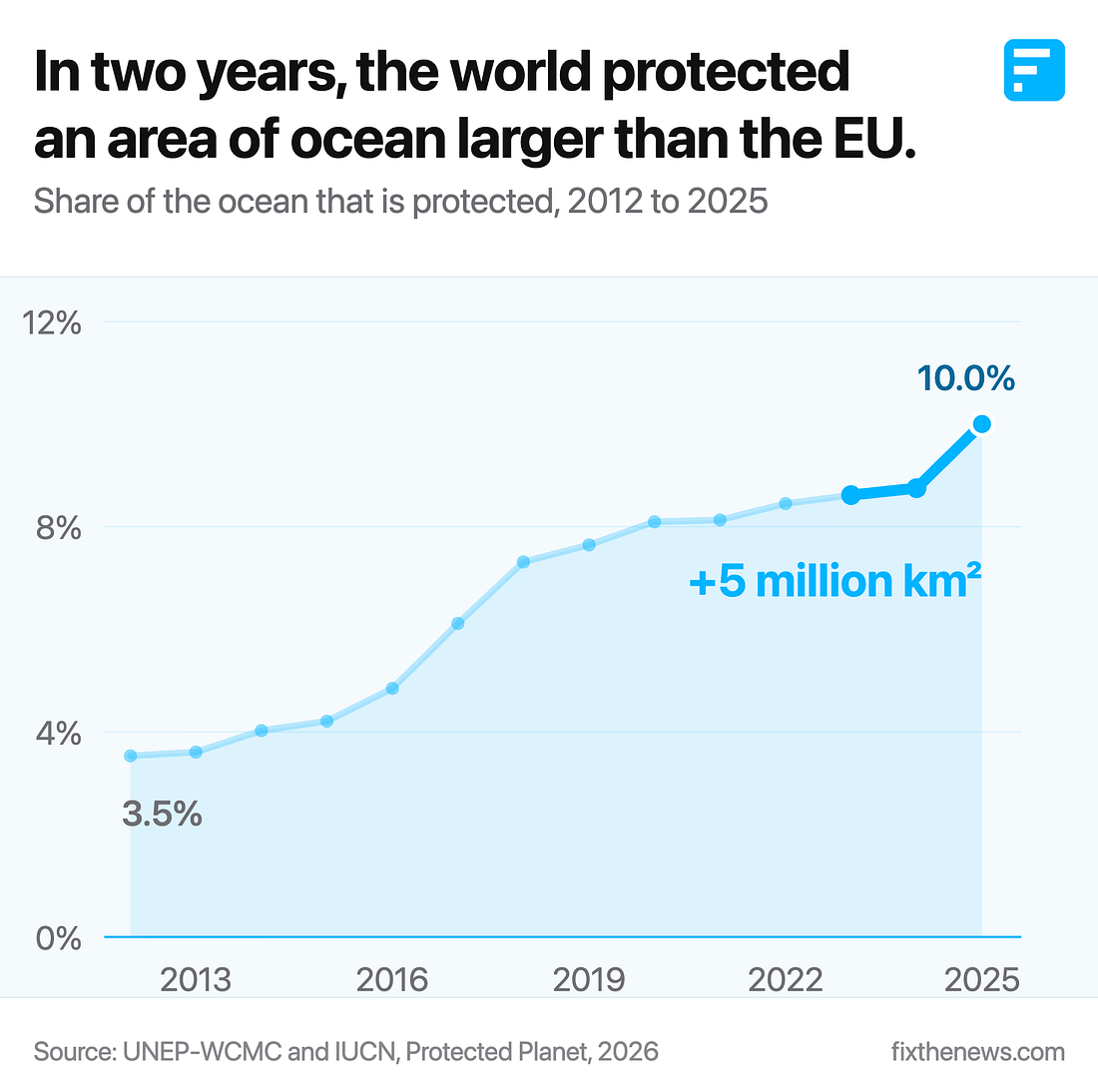
World reaches milestone for nature: 10% of ocean now officially protected
In two years, the world protected an area of ocean larger than the EU.About 5 million km² of ocean came under protection in the two years to April 2026, lifting global coverage past 10% for the first time. That’s the target countries agreed for 2020, albeit six years late. However, over 100 countrieshave now ratified the High Seas Treaty, so hopefully we should see bigger gains soon. UNEP-WCMC
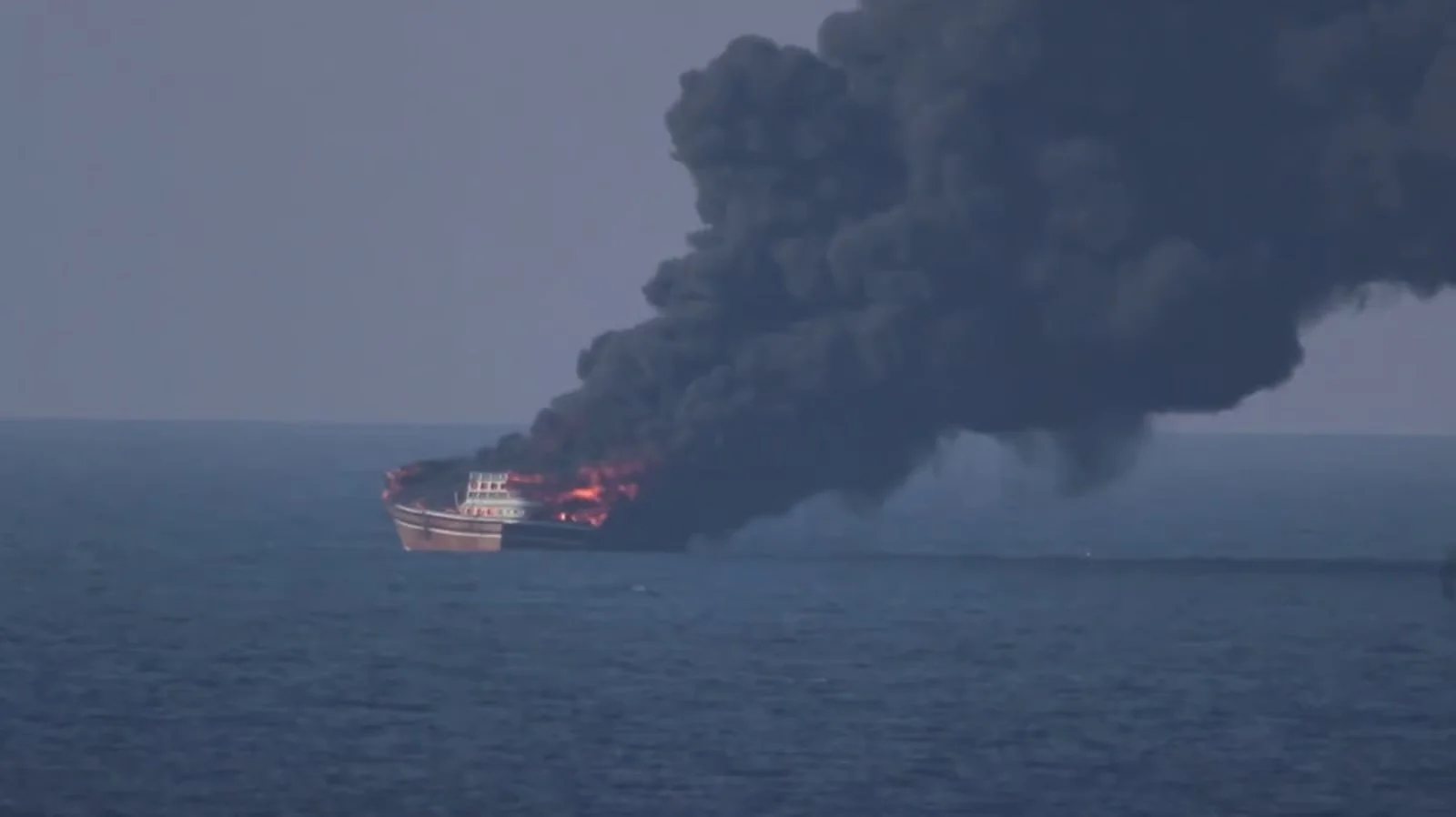
That’s one way to get rid of your old wooden boat
Click to watch
The U.S. military claims that Iran has been using scouts embedded in the boat traffic in and around Hormuz for spotting and targeting vessels, including American warships. Human spotters help offset the loss of Iran's coastal radars, which U.S. forces have targeted and destroyed on multiple occasions, a military official confirmed to Reuters.
According to CENTCOM, U.S. forces intercepted and destroyed an Iranian-linked dhow on October 6. The vessel had been watching U.S. Navy ships in the Gulf of Oman, the command said. Two U.S. Marine Corps Apaches used missiles to damage the boat and set it on fire. Prior to destroying the vessel, Navy servicemembers retrieved the crew, and Central Command is working on repatriating the evacuees.
Like Him or Not, Columbus Is Still the Most Consequential Sailor Ever
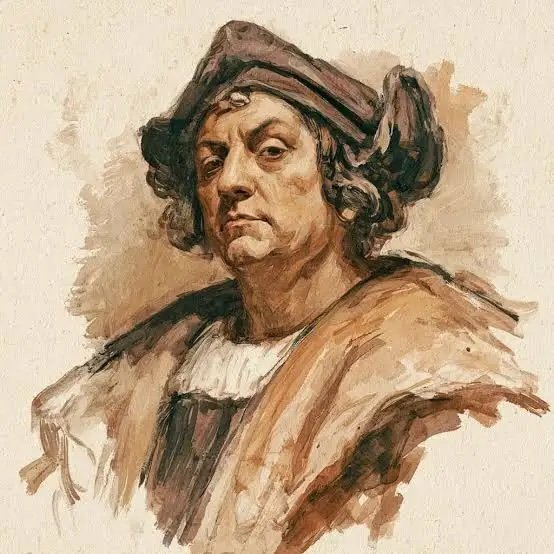
From Peter Swanson’s prolific and entertaining “Loose Cannon” Substack page
We’ve come to that time of year again. Columbus Day has morphed into Columbus-bashing day, a celebration of self by indoctrinated individuals signalling virtue. As I have noted before, Columbus-haters blame old Christopher for all manner of horrific crimes.
Leaving aside for the moment that Columbus is not guilty of the most spectactular charges and that the rest of his reported misdeeds were not considered crimes in his own time, let’s look at his unambiguous accomplishments:
Columbus was among a small handful of talented dead-reckoning navigators of the Age of Discovery;
Thanks to his rare skill, his first voyage to the Americas remains one of the most consequential, if not THE most consequential event in human history.
“Columbus’ dead reckoning from his log was within an accuracy tolerance of 0.01 percentile,” said the late Douglas T. Peck, a scholar and bluewater sailor from Bradenton, Florida. “Columbus was a genius and a visionary, whose mind could penetrate far above the mundane obstacles that shackled the minds and actions of his fellow seamen.”
Peck famously traced Columbus’s first voyage on his own sailboat, effectively refuting past academics who had derided the Genoan navigator’s methods as crude.
Columbus’ first voyage changed everything. The proof is all around us, in every nation from Argentina to the Arctic. None of this was inevitable.
Personally, I’m not sure I like Columbus the person, and maybe I agree that he does not deserve a statue. As the Confederate-monument issue should have taught us, pedestal-placement is for people whose lives were dedicated to doing good deeds, not for those who merely excelled at their professions.
Consequential events are often complex, neither wholly good nor bad. They are what they are.
As sailors, though, we must genuflect to Columbus’ skills. Some of you may remember finding your way from one port to another with just a compass, a watch, a way of determining boat speed and a chart. For me, the fog-shrouded waters of Maine were an unforgiving testing ground, where every successful arrival without running into a ledge was cause for celebration.
How trivial that our crew once successfully made landfall at Bermuda after a compass run from Boston,¹ while Columbus had managed to cross 2,500 miles of ocean 500 years earlier and return to port in Spain without benefit of a chart.
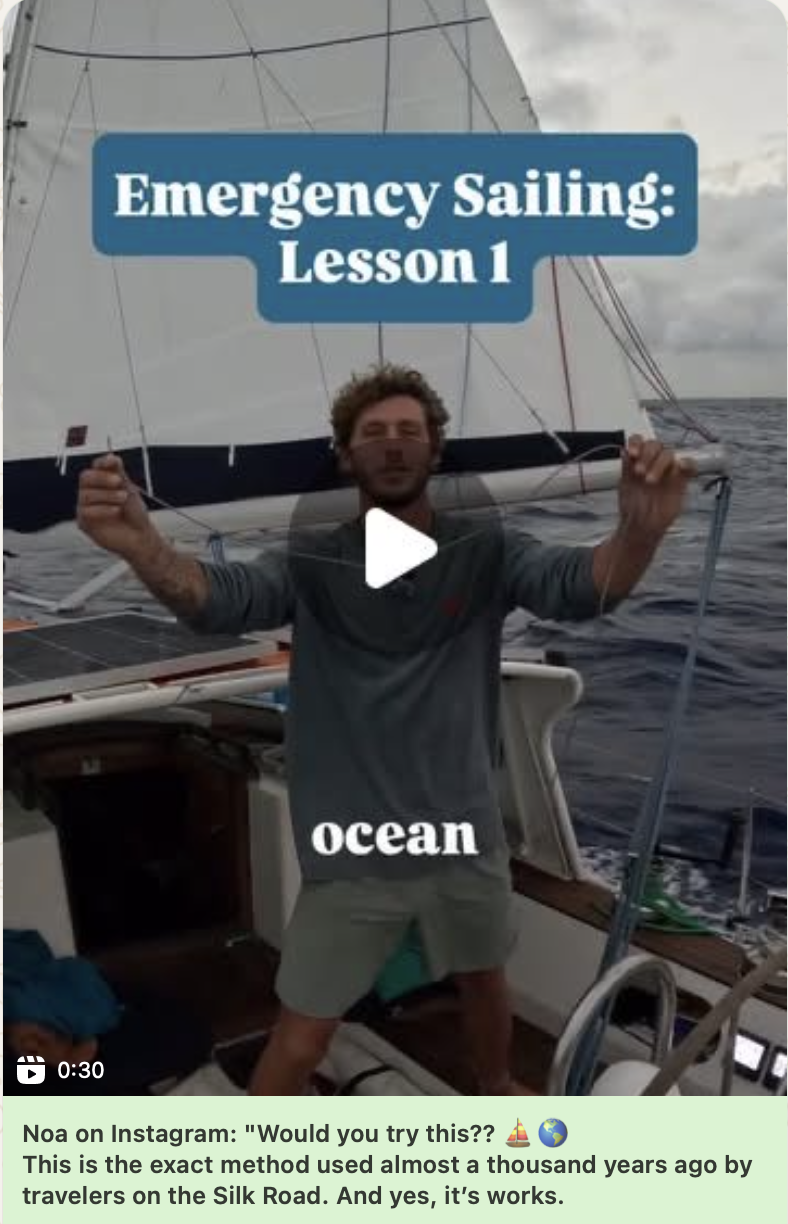
This is Cool…But I never want to have to use it for real!
Click to watch
Anyone else got some lo-fi navigation tips? Especially for the southern hemisphere!