
Flotsam & Jetsam 29.08.26
Provenance Galore
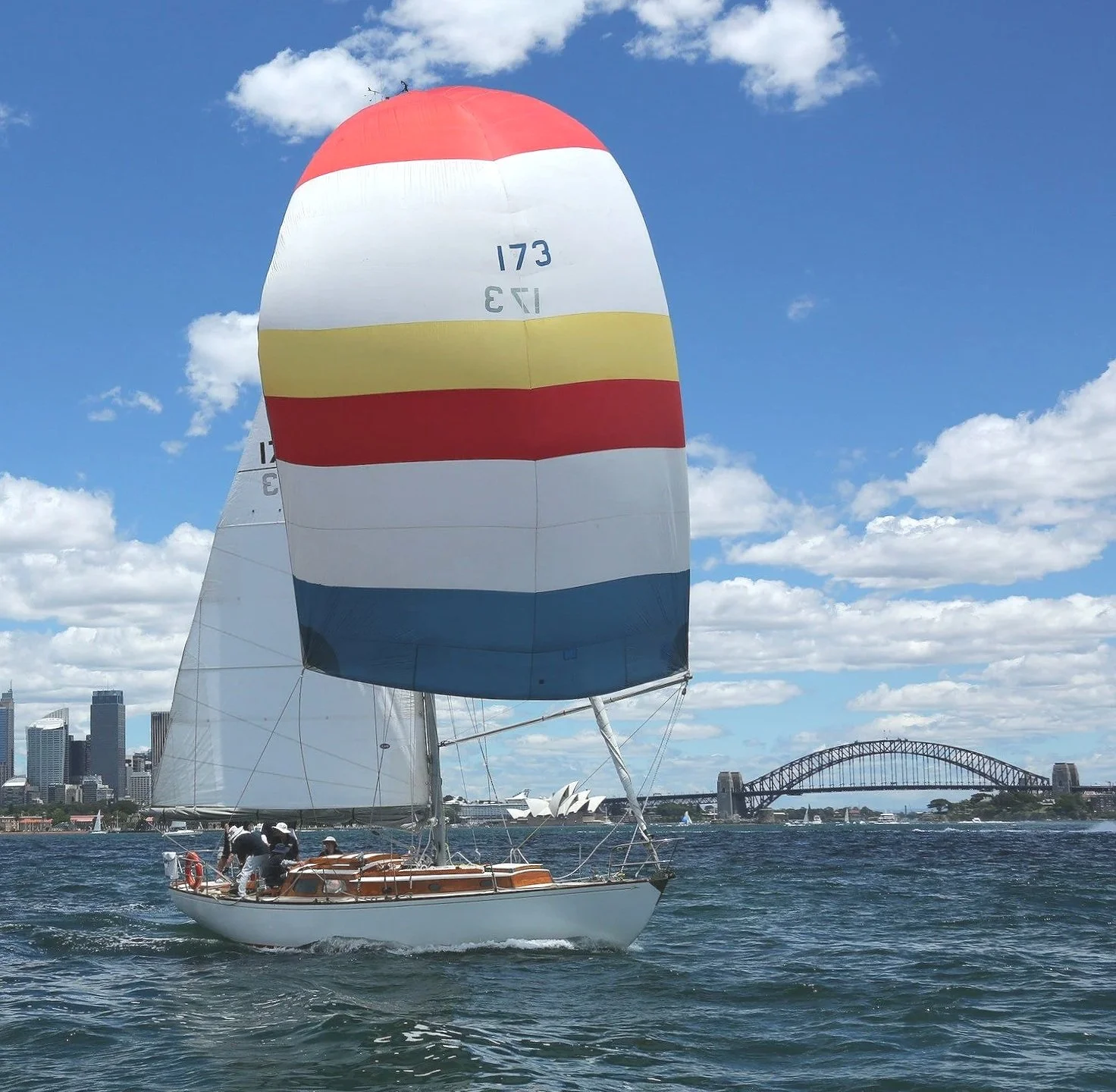
Imagine owning a boat that won the 1963–64 Ocean Racing Points Score at the Cruising Yacht Club of Australia…. That came third in the 1963 Sydney to Hobart… That came fourth in class in the 1965 Fastnet Race in the UK…and was the first Australian yacht to take part in the Bermuda Race and the Transatlantic Race.
Now imagine that she is not only in great condition… designed by Australia’s most respected naval architect, but also that she is physically beautiful!
How much are you going to pay?
The answer is less the $80,000AUD
One of London’s Most Cherished Maritime Events – Celebrating 17 Years of the St Katharine Docks Classic Boat Festival 2026
Its rare that a wooden boat festival. takes place in the heart of one of the world’s major cities. But if you are in London in mid-September, Take the Tube to Tower Hill. This sounds like a an outing worth pursuing!
Thanks to Classic Boat Magazine
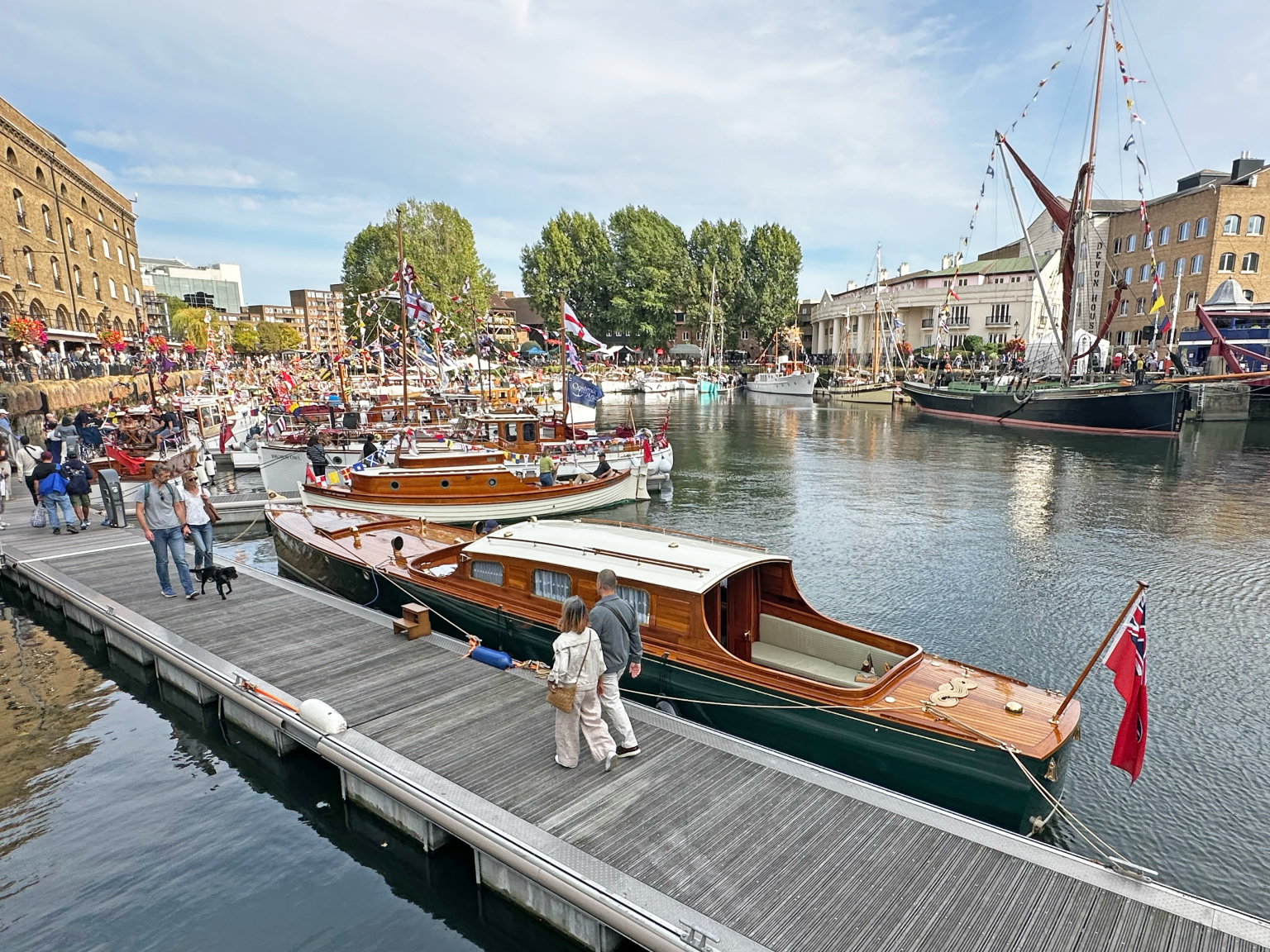
The perfect London day out for classic boat lovers is taking place on the 12th-13th September weekend – the Classic Boat Festival 2026
In its 17th year, the St Katherine Docks Classic Boat Festival 2026 is one not to be missed. Seeing last year’s festival, where hundreds of people walked the pontoons and viewed the boats on show, with many more lining the docks, enjoying the view and live music, it’s clear why the Classic Boat Festival remains one of London’s most cherished maritime traditions.
Free to all visitors, the Classic Boat Festival is due to take place over the 12th-13th September weekend at St Katherine Docks in London. Taking over the historic central and west basins of St Kats, and running from 10:30am to 5pm, this gathering of the classic community is a true highlight of the year. As in years before, the fleet will include a mix of power and sail boats, with Thames Sailing Barges, historic steam tugs, Bates Star Craft, and, of course, Dunkirk Little Ships.
Managing the Armada
With around 300 expressions of interest for the Boats Afloat section of next years Australian Wooden Boat Festival, have you ever wondered how the task of selection, curation and display is managed? This weeks story from the AWBF introduces us to Megan the Boat Manager, and explains a little of the logistical Jenga that goes into this element of the festival
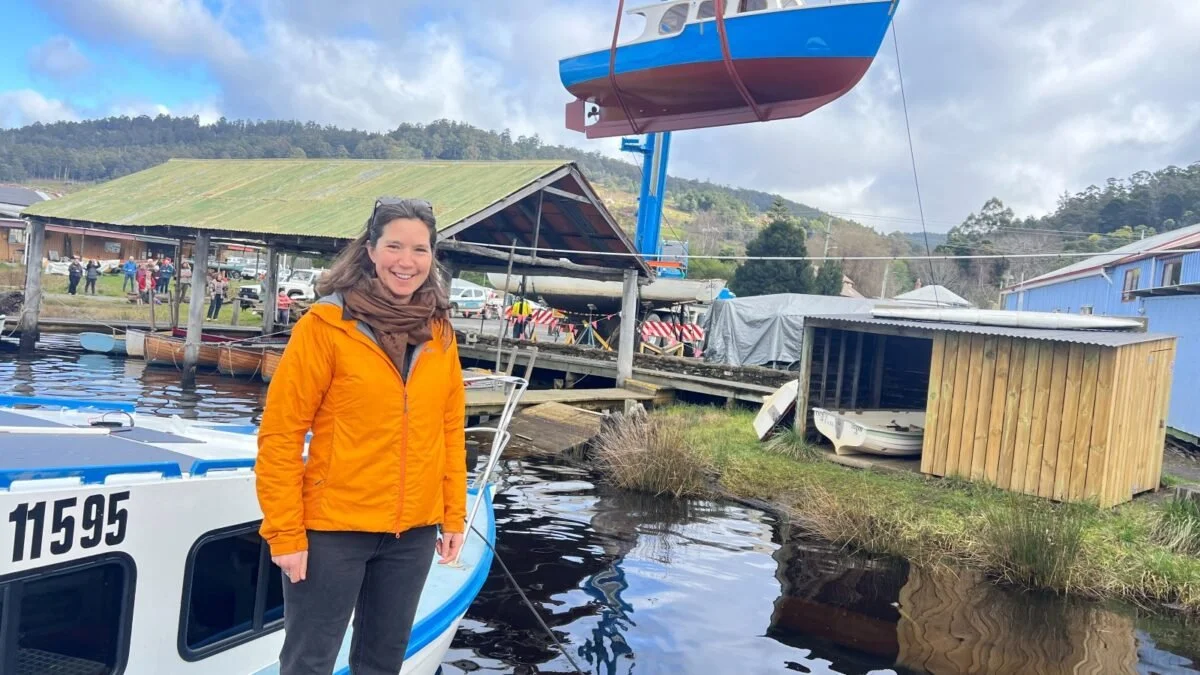
What does the Boat Manager role involve in bringing the Boats Afloat and Boats Ashore programs together for the Festival?
Around 8 - 9 months out from the festival the planning starts and my mind turns to all things to do with wooden boats and how to best showcase them around the festival site. I will look at every entry to get to know the boat through their stories, photos and requirements and then will start grouping them to create a docking plan which is safe, engaging and shows off the rich maritime culture.
What are some of the pieces of the puzzle you have to juggle when planning where all the boats will go? Creating a safe and engaging docking plan for close to 300 vessels is a very complex and dynamic process with many considerations including size of vessel, infrastructure, festival theme, berthing requirements, on-water event scheduling and type of boat. With so many elements within the festival site and limited space to place boats it is carefully measured and drawn up and approved by local stakeholders before we can accept vessels.
What do you think boat owners get out of being part of the festival? I believe the festival is a great chance to bring people together to share their boat and its story through meeting and connecting with the public and other boat owners/crew. The atmosphere is fed by the passion of wooden boats and the craftmanship which can be seen also in the making in the stalls ashore.
With Boats Afloat EOIs closing on Monday 31 August, is there anything you’d particularly like owners to know before they submit? With hundreds of forms coming in, it’s really important that all the questions are answered correctly before the form is submitted. The form goes directly to the selection panel for scoring, so the more detail and love you can put into telling us about your boat, the better. Correct vessel measurements are also essential, as we need these details when considering how and where boats can be docked.
And once you’ve submitted your EOI, make sure you receive an email confirmation. That’s the best way to know your form has been successfully submitted and is safely in the system. If you can’t see it in your inbox, check your junk or spam folder too.
What do you most look forward to when all the planning finally comes together at festival time?The energy and atmosphere of the waterfront over the 4 days is such a buzz! Starting with hundreds of vessels sailing together in the Parade of Sail into Hobart’s dockside and seeing all the boats fill the docks. The community and volunteers make this event happen, so to see it in full swing after months and months of planning is very exciting!
For anyone who’s still thinking about bringing their boat to AWBF 2027, what would you say to them? Do it! It will be an incredibly memorable 4 days where you can show off your boat, talk boats and connect with the community. Every day is filled with events, talks, stalls, demonstrations and music both onshore and on-water. You won’t regret it, you might just be very tired on your sail home!
Modern Tech Could Restore Whitewater-Capable Ferry Service
By Harry Valentine in the Maritime Executive
Internationally, chronic road traffic congestion is occurring at several cities that are located next to navigable waterways. There is potential to develop passenger ferry services along such waterways to bypass congestion, along with a need to develop passenger ferry vessels capable of sailing upstream across rapids and through sections of shallow water.
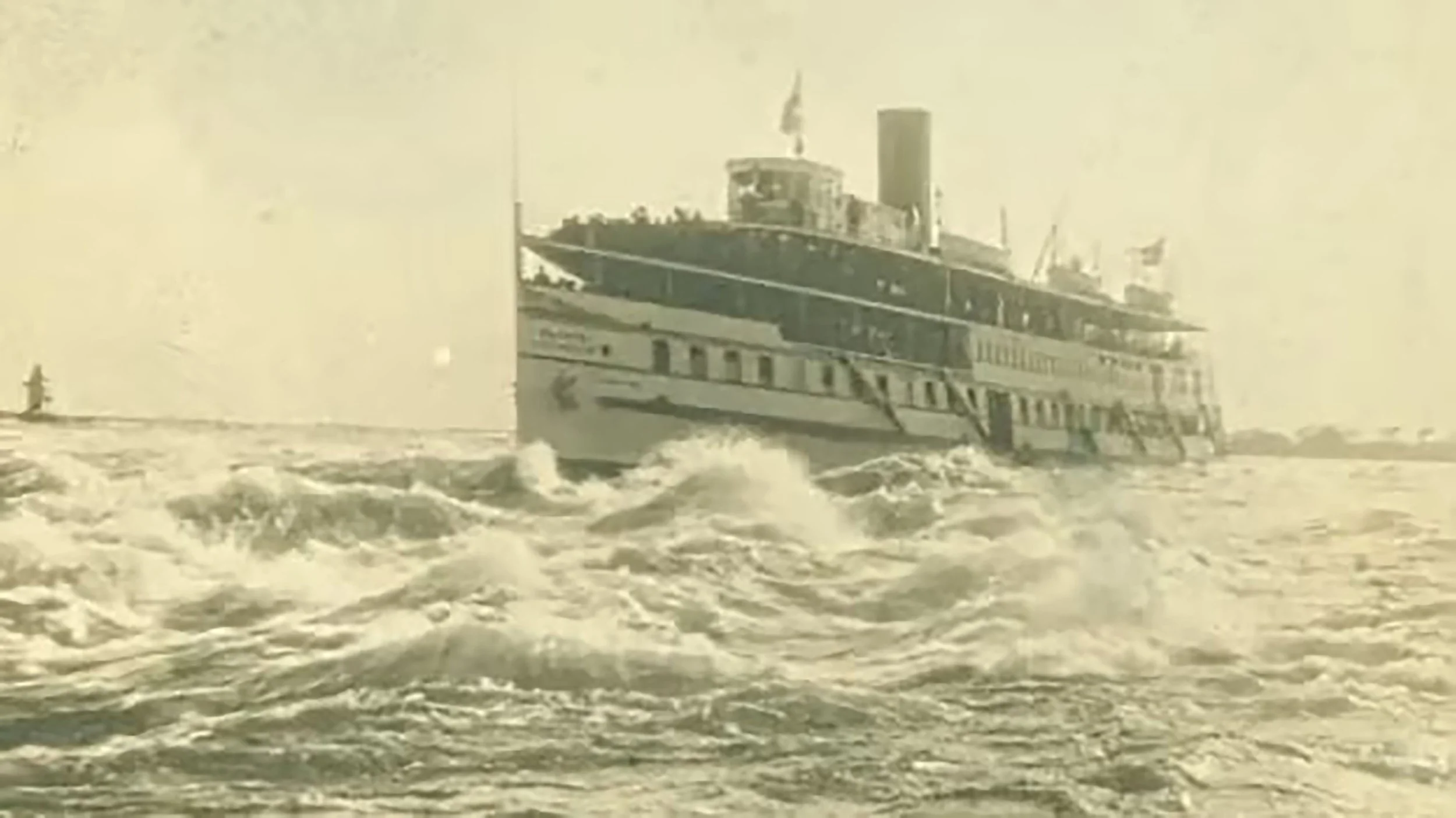
RAPIDS KING riding the rapids around 1920 - Sailing downstream along St. Lawrence River to Montreal (Cornwall Community Museum / Harry Valentine)
During the 1840s, the British colonial government funded development of navigation canals along the St. Lawrence River west of Montreal, to allow steam-powered vessels to sail into Lake Ontario. The navigation canals allowed commercial vessels to bypass a series of rapids along the river. However, when traveling downstream, members of the Aboriginal Mohawk nation bypassed the navigation canals and safely rode their canoes over the rapids. A ship operator offered them money to modify their canoes by attaching vertical wooden sticks that extended 10 feet below the water’s surface.
None of the sticks broke after repeated canoe trips, resulting in ship operators such as Canada Steamship Lines sailing eastbound passenger vessels downstream across the rapids. One of their vessels built in 1910 to 37-feet beam by 210-feet length was named RAPIDS-PRINCE. Over subsequent decades, commercial passenger vessels regularly engaged in the equivalent of white-water rafting as they sailed across a series of rapids along the St. Lawrence River.
Modern day advances in vessel technology provide potential to operate passenger ferry vessels capable of sailing upstream across rapids, where sufficient water depth exists.
Entries open for 2026 Gaffers Day
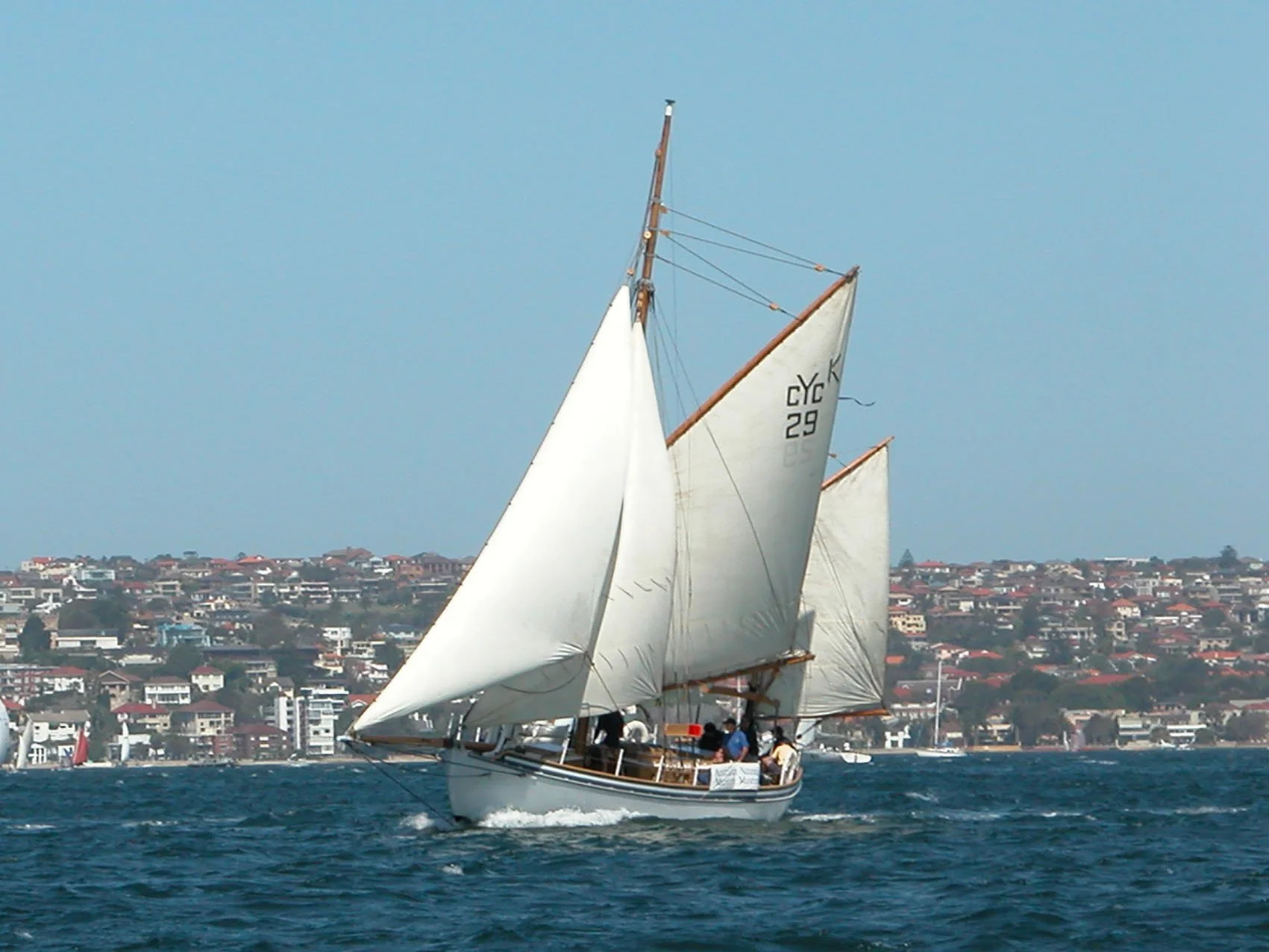
KATHLEEN GILLETT - Image John Jeremy
Gaffers Day is a renowned biennial event organised by the Sydney Amateur Sailing Club (SASC) that celebrates the rich tradition of classic yachting on Sydney Harbour. First hosted in 1972, the event has become a significant gathering for classic boat enthusiasts, featuring a spectacular parade of vintage vessels that “hoist a spar”. The event attracts a diverse fleet of classic yachts from across New South Wales, Victoria, Queensland, and Tasmania, showcasing the timeless beauty and craftsmanship of these historical boats.
The event is more than just a regatta; it is a festive rally that brings together sailors to appreciate the history and tradition of classic yachting. Participants and spectators alike are treated to a magnificent display of sailing heritage, with upwards of 90 vessels participating in previous years. Gaffers Day also includes social gatherings and activities, fostering a sense of community and camaraderie among sailing enthusiasts. It provides an opportunity for sailors to connect, share their passion for classic yachts, and celebrate their maritime heritage.
Gaffers Day is a testament to the enduring appeal of classic yachting and the vibrant sailing culture in Australia. It highlights the dedication of the Sydney Amateur Sailing Club to preserving and promoting the history of sailing. The event not only honours the past but also inspires future generations to appreciate and engage in the art of sailing.
The flat-pack skyscraper: how wood can shape the cities of the future
Not about boats…but very much about timber… By James Crawford in The Guardian
Our buildings are monuments to extraction and extreme emissions.
But what if we turned from destructive concrete to timber?
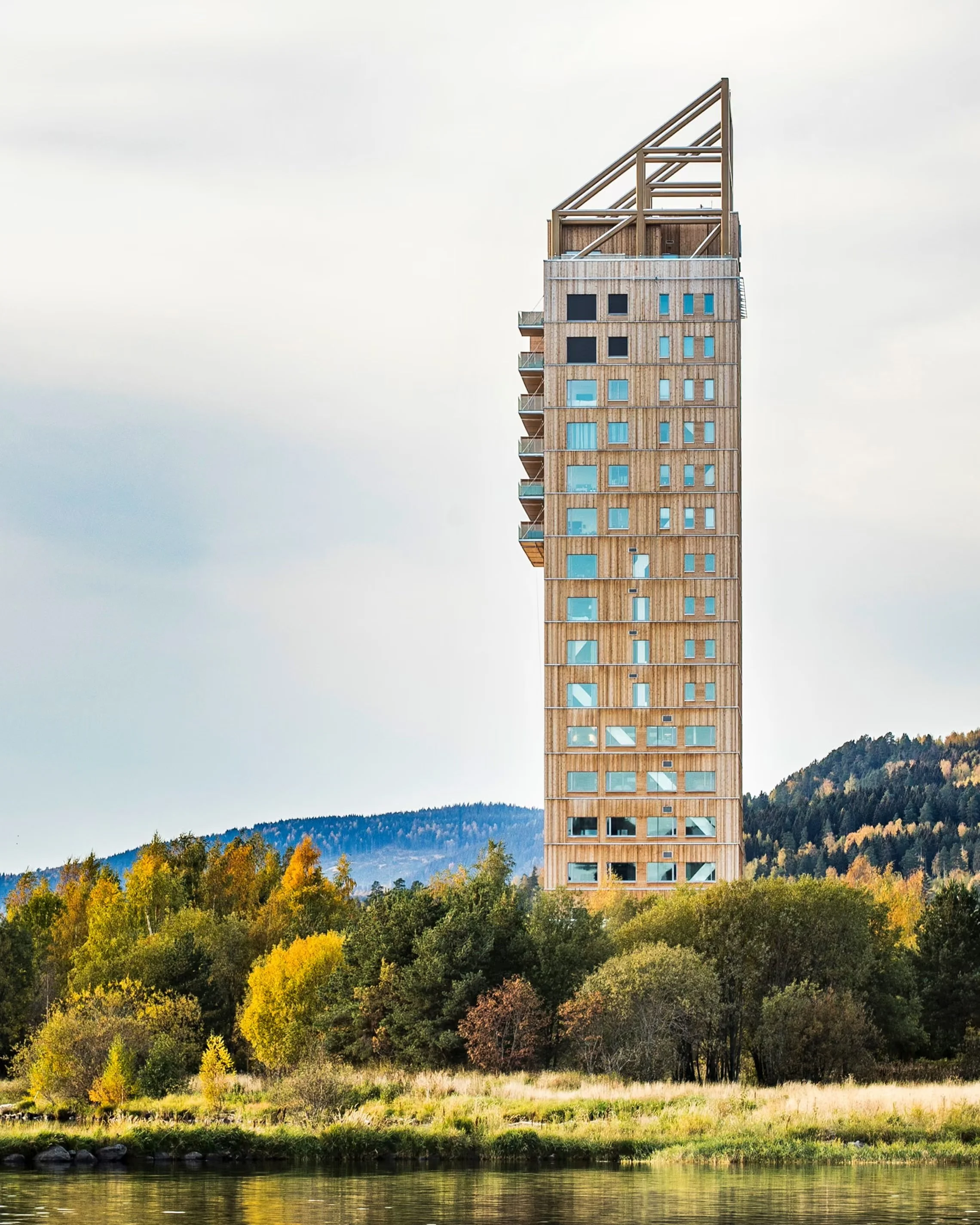
Mjøstårnet, the world’s tallest wooden skyscraper. Photograph: Voll Arkitekter/Ricardo Foto
I travelled to Oslo in the early autumn. It felt like arriving into the future. Or, at least, a fragment of a possible future. I drove north in the quiet digital bubble of my electric rental car. In 2024, Norway became the first country in the world where electric cars outnumbered petrol cars.
A smooth, pristine motorway unfolded between farmlands and low hillsides of dense green forest. Long tunnels carried the route up above the banks of Lake Mjøsa, Norway’s largest lake. After a little more than an hour, the road curved downward to run parallel to the lakeshore.
Through gaps in a line of golden birch trees, a tall, slim structure broke the horizon. It rose from the water’s edge, topped by a triangular crown of bare, interlocking beams. Against the heavy grey sky and the enfolding mist, it radiated a gentle warmth from its pale burnt-orange exterior. The only building of any height anywhere in the surrounding landscape, it is known as Mjøstårnet, the “Tower of Mjøsa”: an 18-storey, 277ft (84m)-high wooden skyscraper. The tallest all-timber building in the world.