
TRIFFID II
By Genevieve Jacobs
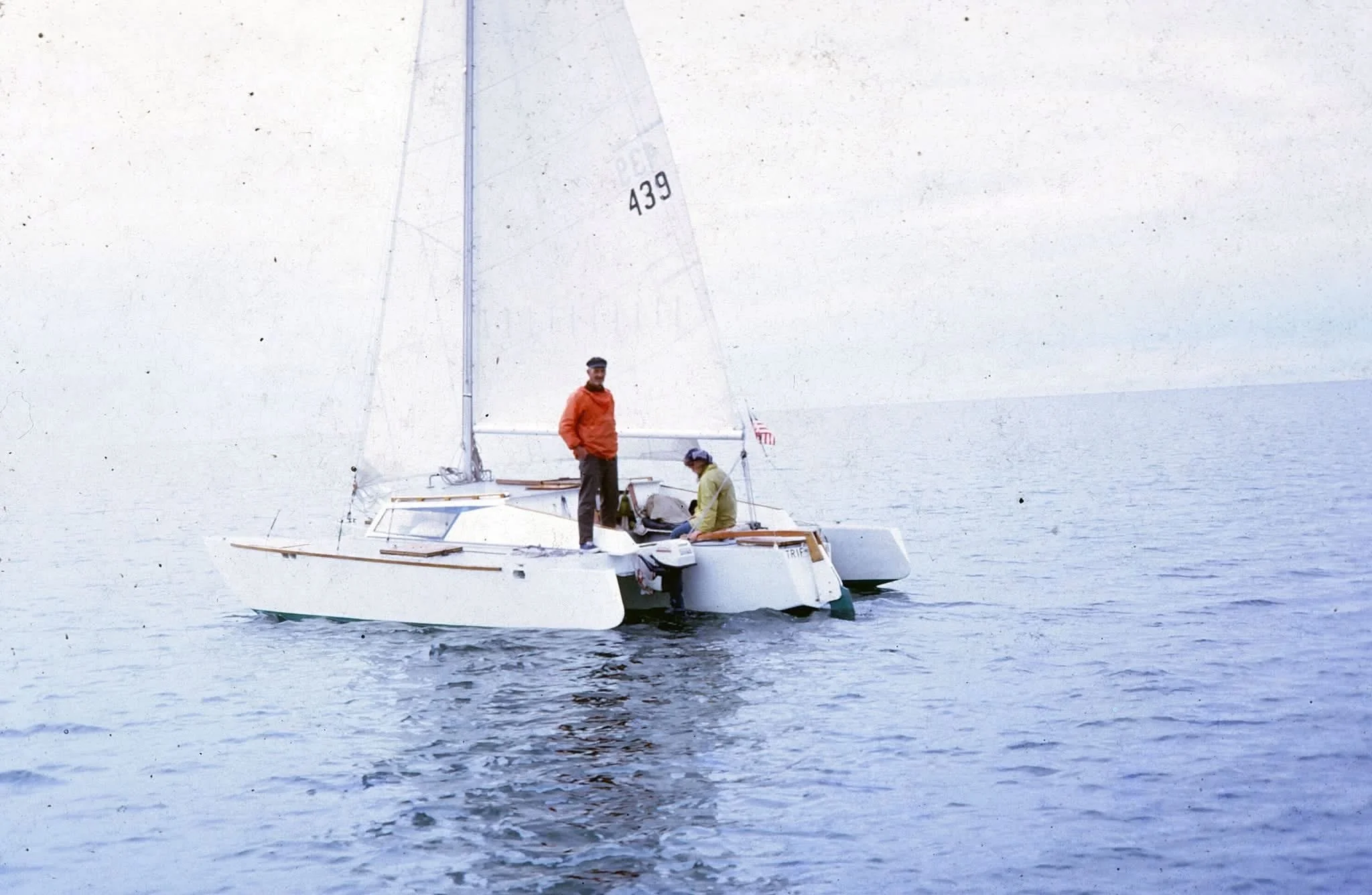
TRIFFID II Underway
I am 65 years old. It’s 2026, by some undeserved miracle. I pull out of a parking spot from my morning coffee, fully oriented as to time and space–I promise you– but espying a full length of plywood leaning against a shed in the trash pile at Sterling Hardwoods in Burlington, Vermont… the thought blasts into my mind: “ooooh look at that plywood sheet. What a waste! There’s enough there to make at least half a decent dinghy.” What kind of a woman am I? I guess…hopelessly I am the daughter of a dreamer. I did not ask to come to him, as far as I know. Yet I am glad that I had.
I’m catapulted to 1966. Huge sheets of plywood fill our barn, all unloaded by my brothers from a pickup truck, now leaning against the side of our red barn like the leaves of a giant book. Now my father introduces me to a jig saw and sawhorses and clamps and he’s got these paper sewing patterns like mother uses for clothing, except MUCH bigger. “TRIFFID TWO” will be a giant!
The barn has six sections, and three levels. There is a hayloft. There is a manure pit. There are 5 stalls. There is a sleigh. There’s a carriage, too. My brothers haul them out into the yard to make room for boat building. The carriage wheels and the sleigh sledge skis seem a bit forlorn sitting outside all winter. They turn white under the snow.
I see them every morning as I run to and from the chicken coop to pick up the warm eggs from under my warm red Bessie hens, my feet have made a little trail that turns to ice and it twists and turns to get around their traces. From the kitchen porch to the coop and back, my feet make an “s” shape that looks a lot like making fast to a cleat. I always go fast, too, because it’s cold and there’s a school bus to catch. Make fast.
Daddy has a little group of stoves that remind me of a family of Daleks from Dr. Who, but they are all being friendly for a change, in the lowest level where the carriage and sleigh had lived before we came: you fill the stoves with galvanized jugs of kerosene through a funnel. It’s tricky to balance the spout, to not spill any.
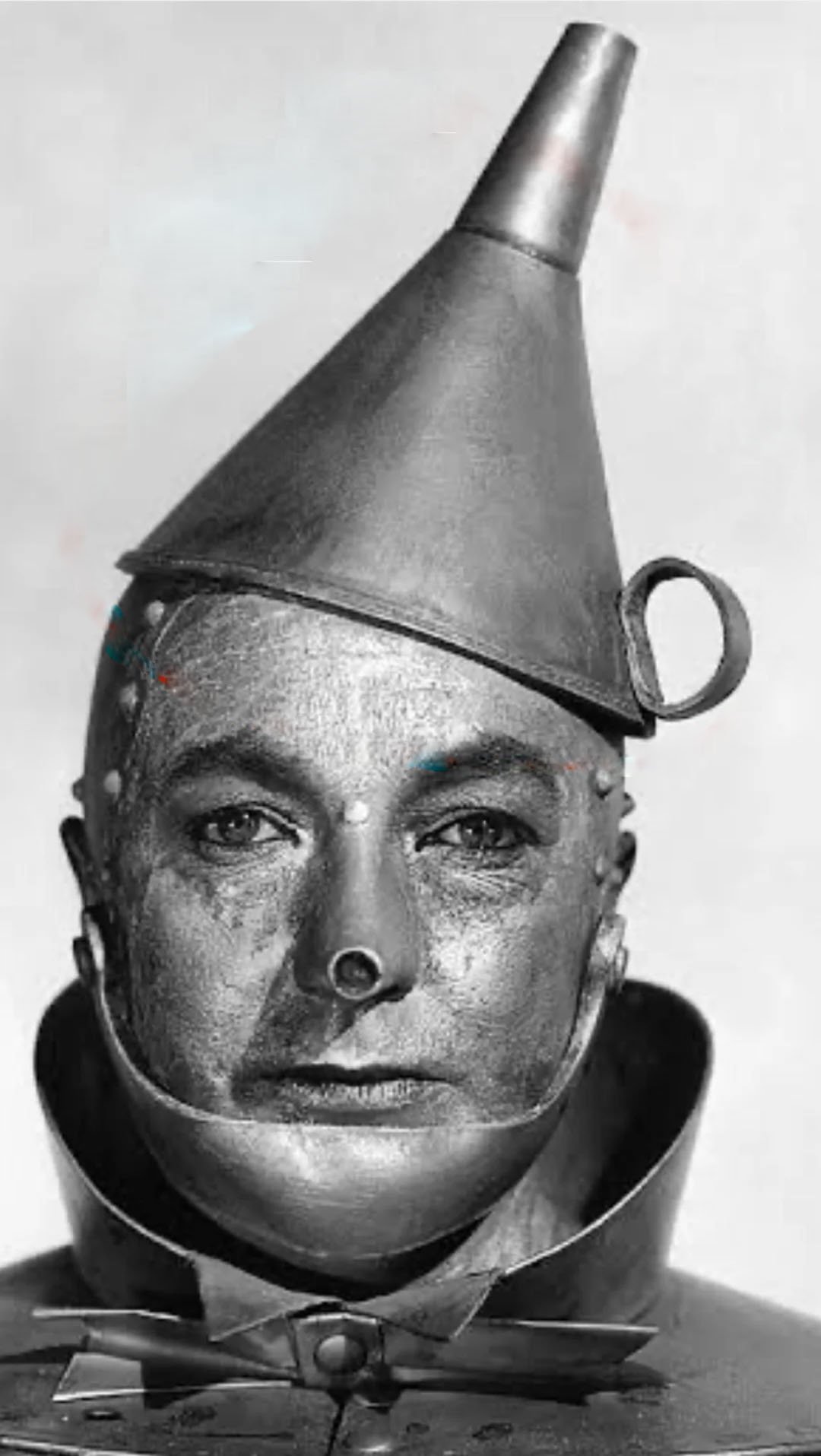
I’m “not too shabby” at it. The funnel looks like the hat on the tin man in “Wizard of Oz”! The one who needs a heart. Try not to spill because it could start a fire.
There is a darkroom Daddy made out of a closet in the far corner. There’s also an important metal box for the electric fence, noises zip zip zip and flashes green zippy zap lights? Means: watch out the electric fence is ON. If it’s flashing red, it’s ok to go. Maybe. But if it’s green, and makes that sound: definitely don’t touch the wires and be careful when you scoot under into the pasture that there’s no dewy grass touching you or brushing your legs as you go.
Some doors draw open on a slide, others are trickier: you have to prop those open against the wind with a cement block, and when you close them you drop a 2x4 plank down into the slot. And don’t put your fingers into the space where the hinges are.
Imperative: Keep Spiro T. Angus, the black bull, inside the stall at all costs, unless otherwise instructed. He is only allowed to roam if he’s shackled to a chain on a collar with a milk can full of rocks.
Even then he sometimes just walks right through the fences and goes to eat Mister Switzer’s garden.
But…He leaves a big furrow behind him, which makes it easy to find where he went. I don’t understand why the electric fence doesn’t matter to him. I mean I do understand the way the wooden rail fence doesn’t bother him. But the zapping? Just makes him mad and he goes faster swishing his tail, like he’s a cat you’ve annoyed.
The wooden ladders up and down and the narrow stairs are all pretty interesting too. You pull up a door that’s in the floor to go down to the bottom level, and you use a snap hook to fasten it while you go down. I’m the only person little enough to use some of these, so I get sent up and down a lot. To fetch things and bring things and find things. I crawl into the tiny spaces of the bilge and I hold wrenches to make nuts not twist when they use wrenches on the bolts. We tap on the hulls and shout to each other to make sure we are on the right spot and doing what needs to be done.
One morning when I go down the narrow stairs into the bottom of the barn, where TRIFFID is taking shape with three hulls, my way is blocked by the massive bending chestnut neck of Mary’s horse, “Dandy”. He is gnawing on the protruding bow of TRIFFID 2.
He seems to enjoy this very much. He has spent the night with his head reached around his stall across the narrow stair to nibble on the bow. He’s worked on it all night. There is a pile of wet spitty sawdusty chips on the cement floor and the bow has holes in it, and looks a lot like the beaver dam out back. Not right at all. But Dandy is very happy with his project.
Daddy is not.
So that day I learn a lot about how to patch plywood with epoxy and fiberglass. You need to mix two smelly liquids together and squash some white cloth into it and slap it up and then use a brush to get all the bubbles out. It’s a little tricky and the clean up is frankly nasty.
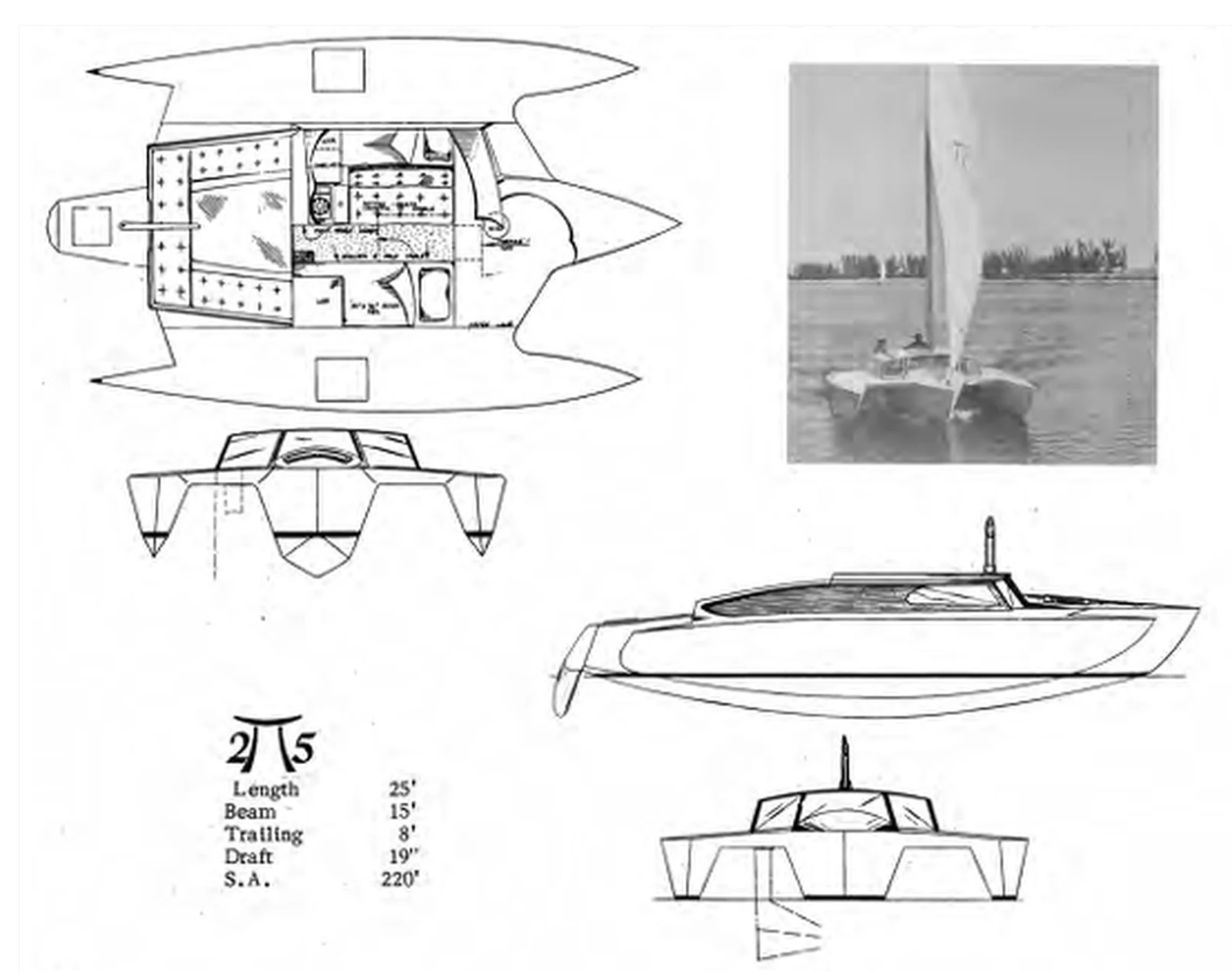
LAKE CHAMPLAIN Launch: 1968
The GMC van backs down the ramp and TRIFFID 2 unfolds her wings like a seagull about to take flight. Her wings just float out as the trailer disappears under the murky water.
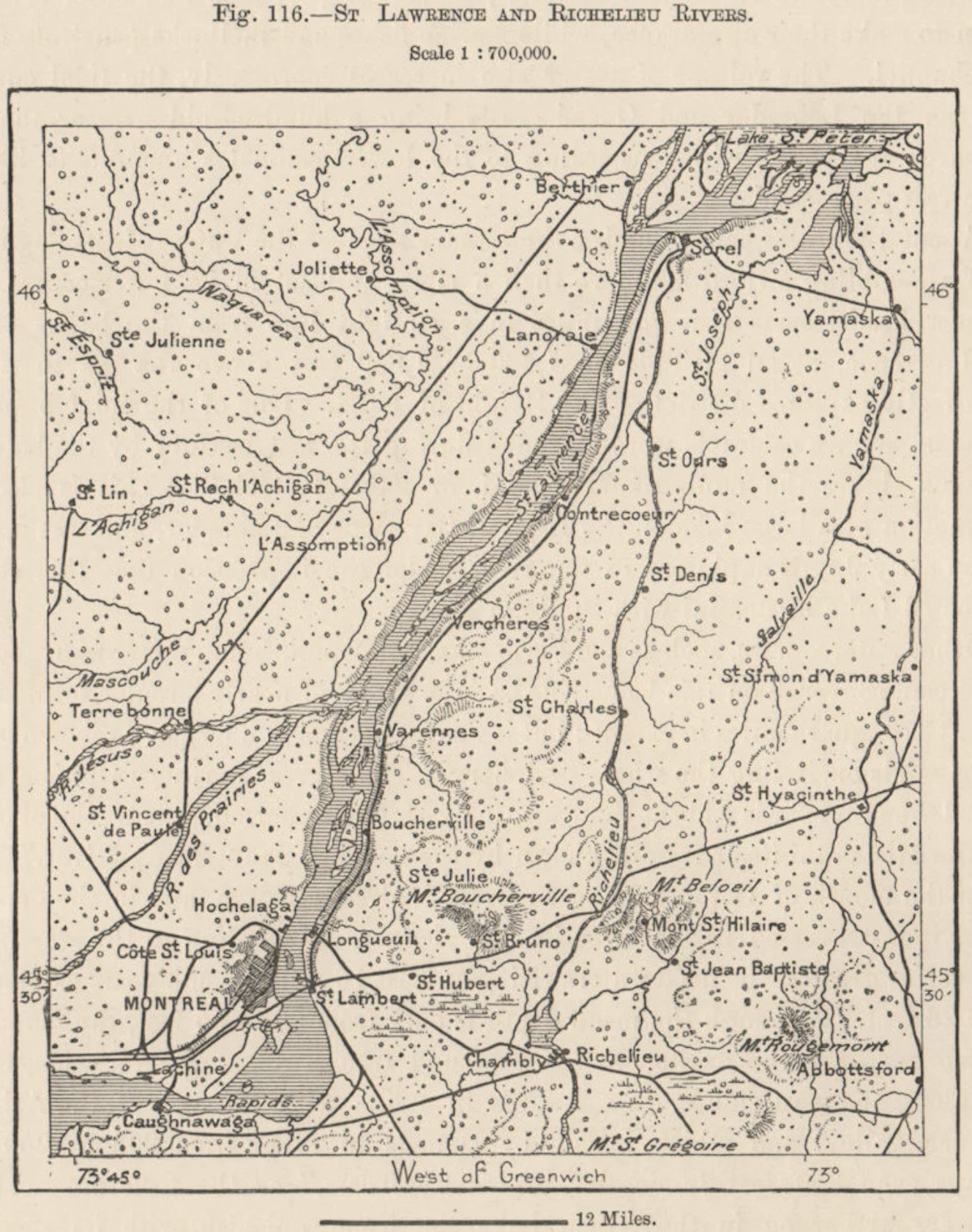
Now we go North! Up the Richelieu River, through some locks, to Montreal and to dock at the EXPO, called “Man and His World”, which looks like a huge glass beehive.
My sister and my cousin Jane Farnham manage to keep us from breaking our mast on a bridge at one point, she gets splinters under her fingernails as she fights the tide pulling us inexorably towards the span. She wins! But we have to use tweezers and soak her fingers in salt water.
One night, my other sister has an asthma attack, wheezing, and they disappear in the dinghy in a hurry to a hospital. We stay behind and look after the boat. It’s a dark night that night and I’m not entirely sure what TRIFFID 2 might need me to do or if I’m up to the task. Luckily, TRIFFID 2 doesn’t need me to do anything at all. She just ducks at her anchor and all is well. But I sit on deck anyway, just in case. The harbor lights are twinkling and it’s a sweet gentle breeze that blows. I’m pretty sure my sister will be fine.
My mother wears a silk scarf as we sail, to keep her hair from blowing everywhere or into her eyes. Her dark glasses hide her smiling eyes. But I see that she’s thrilled to bits. We serve up sardines and tinned fish and cheese and biscuits and soup and hot strong tea and Daddy always gets “a tot” when the sun is over the yardarms and again at
“elevenses” and then after that, whenever he wants one.
At a marina in Montreal, near the glass beehive, I get separated from my sisters and Jane and Daddy at a movie. There are no seats: you stand and the film is made so that you feel as if you are riding a train in the engineer’s cab.
I find it rather dull compared to sailing. But when the movie is over and the lights come on, there is nobody I know around me. Daddy had dropped my hand during the film saying, come home with your sisters when it’s over.
I go outside and blink in the daylight and look for Daddy or my sisters or my cousin. Nope. So I sit down on a square piece of lumber that surrounds a sad young tree. I wait. I wonder what I should do.
Finally, as I gaze around, I see the railway that runs overhead, and I think: that goes by the marina where we have TRIFFID 2. I could take that back to the boat, I think. But maybe I should stay put, that’s probably what they expect me to do. Perhaps. A few people ask me if I need some help and I politely say, no, thank you, I’m just waiting for my sisters.
As the sun goes down and dusk falls, I walk to the train and get onboard, asking the conductor politely: “is this the right direction to the marina?” He says: Mais oui, ma petite. But don’t talk to strangers if they aren’t in uniform, okay?
A stranger does sit down next to me, he had been sitting in the back of the train car but comes up to sit in the seat next to me and asks where I am going. I just look out the window as if I did have an answer to that, and say nothing at all to him. I feel very impolite and naughty to ignore him. But I think he isn’t really going to be helpful. I just don’t like him.
Luckily, we roll by a familiar sight and the train brakes, and I see the marina, I know this place! This is IT! I can find my way home from here! My heart leaps with gladness. I hop off with vast relief, a sense of victory! I have done it!!!
But then as I walk proudly forward, off the platform as if I’d done this all my life, my sister and cousin come bounding up the stairs to the stop, very angry and scolding me.
I pull my hands away as they grab me and I scratch my sister’s arm. I’m angry. I didn’t get lost. They lost ME. I run ahead of them to the docks. They can’t catch me. I did it myself, found my way home. She’s going to be in trouble, but I don’t care. It’s not my fault.
YANKEE
I make a new friend in the marina. She speaks only French but we have fun anyway on her enormous motorboat. It has many levels and ladders and hatches and shiny stuff to grab onto. We go up to the top. We are standing on the bridge deck looking through the windshields at the harbor and TRIFFID looks very small from up here. The spots of salt all over the plexiglass make it look sort of blurry and rainbow.
Then her daddy says “You’re a Yankee.”
I don’t know what a yankee is, but apparently it isn’t a very good thing to be. So later I ask Daddy what is a yankee, because that man said that’s what I am. He says “Eat your oatmeal and shut your yap, Jenny. Those people are kanuck, you can’t reason with them.” He laughs a strange laugh I haven’t really heard before. I don’t know what to make of it.
GASPE and Prince Edward Island of the Red Sands
Daddy pulls Triffid up to the beach with long anchor lines and my friends and I swim between the hulls, scrubbing off the seaweed and the barnacles, pretending we are dentists and these are the three fangs of a seamonster we save from decay.
My friends the Tower family are a huge brawling bunch and they have a nanny called “Lexy” and she jumps down the main hatch on a halyard bearing a bottle and yells “Message from GOD!” and then we all squeal and leap into the waters and i notice that the Tower boys swim very close to Lexy and then we get to shore and grab jellyfish and throw them at each other with great abandon even though they burn our arms and legs as we do it…
For a minute i feel sad for the jellyfish
But only a minute.
It’s too much fun!
In the serious afternoons before dinner, we dig for razorshell clams. Where they spout up holes in the sand, we stomp and we dig. We plunge their stony blue black grey shiny dim ragged body cases into a boiling kettle of water and we eat them as if we have a right to do it: we caught them, they are ours.
There is butter and lemon and garlic. There is laughter and victory. Victory at sea. We pry them apart as if they lived just so that we can do this very thing. The lantern sways over the table of the schooner, and all the Tower children and Lexy and the grownups and me, too…we feel the red sands of Prince Edward Island are welcoming us with this feast we have hunted down with our own bare hands.
We are fed.

The author is a longtime professor of Psychology and Communications. She landed in Vermont in 1987 after a decade of cruising under sail. This is an excerpt from her forthcoming book tentatively entitled “Jenny: A Night Sea Journey.” Her Substack site is HERE