
Whose Responsibility is it?
Before you skip this page thinking that its just another filler environmental story, consider for a moment the following facts.
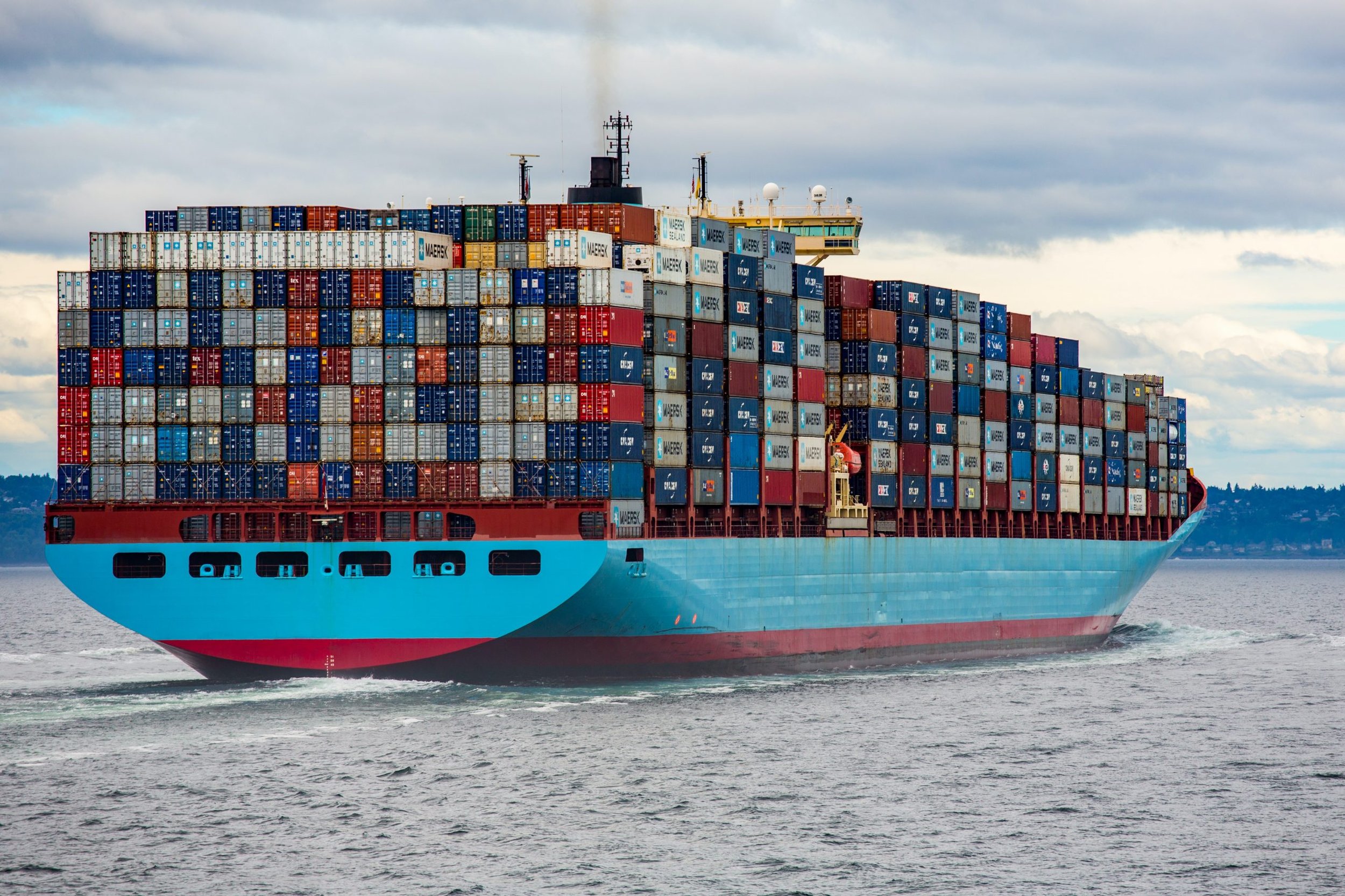
The human race has so far deposited around 200 millions tonnes of plastic in our oceans. That’s about 1000 Ultra Large Container Ships with every container packed full of plastic waste.
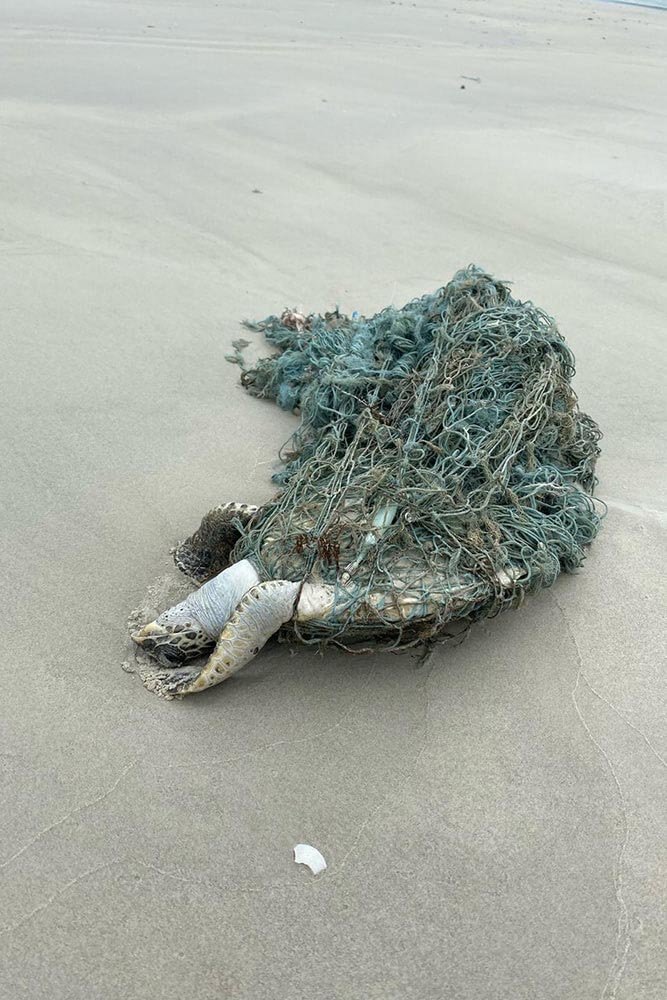
Over 700 marine species are known to be affected by plastic through ingestion or entanglement.
Humans add 8–12 million tonnes of waste to the oceans every year— a large truckload every minute. .
This week we heard of three northern Australia focused stories about plastic waste in and on our waters and beaches. Each example gives a peculiar insight into the problem, indicating how the waste got there in the first place, what can be done about it and who is and should be taking on the responsibility for cleaning it up.
The Ghost Nets.
What’s The Problem?
Abandoned, lost or discarded fishing gear – often referred to as ‘ghost gear’ or ‘ghost nets’, drift into Australia from the Arafura and Timor seas, and northern Australia experiences some of the highest densities in the world. These nets pose a serious threat to marine species such as turtles and dugongs and can damage fragile ecosystems when they wash ashore. They are one of the most damaging types of plastic pollution found in our oceans. They can be kilometres long and weigh up to several tonnes. Once lost or discarded, they can drift for hundreds of kilometres unchecked, causing injury or death to the many marine species that become entangled in them.
Who is responsible for the waste?
Responsibility for aboandonned nets lies primarily with fishing operators, mainly large commercial organisations but also small scale, artisanal and subsistence fishers. Nets are lost due to storms, equipment failure or poor handling. Enforcement, monitoring, and cleanup usually falls to government agencies.
Whose addressing it?
Thanks to last months renewed funding ($25.1 million over the next four years) from the Australian Government via Parks Australia, one of the agencies addressing the issue is the Ghost Nets Initiative
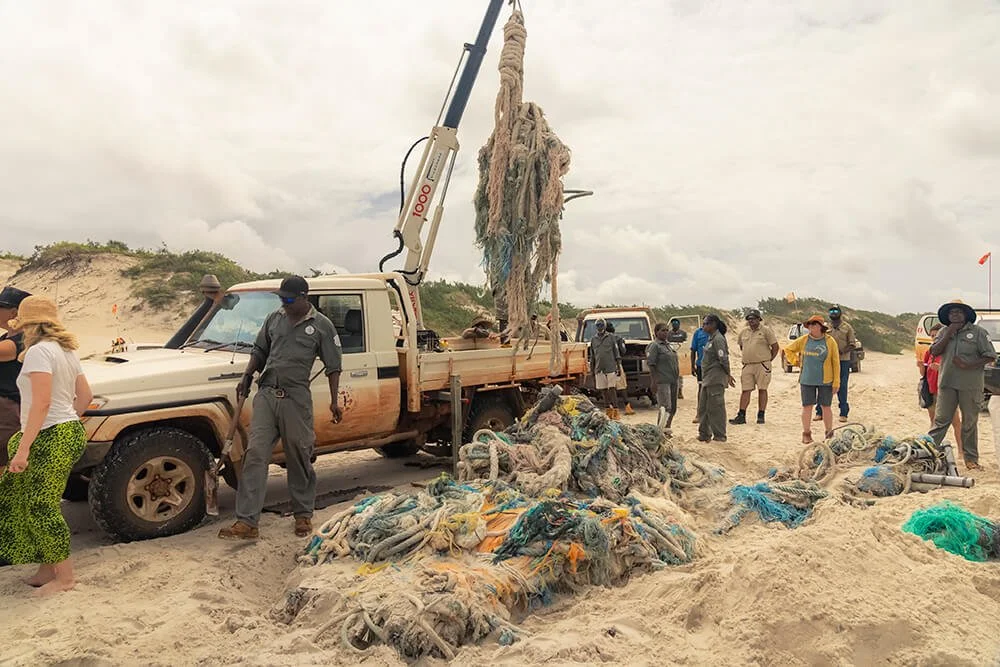
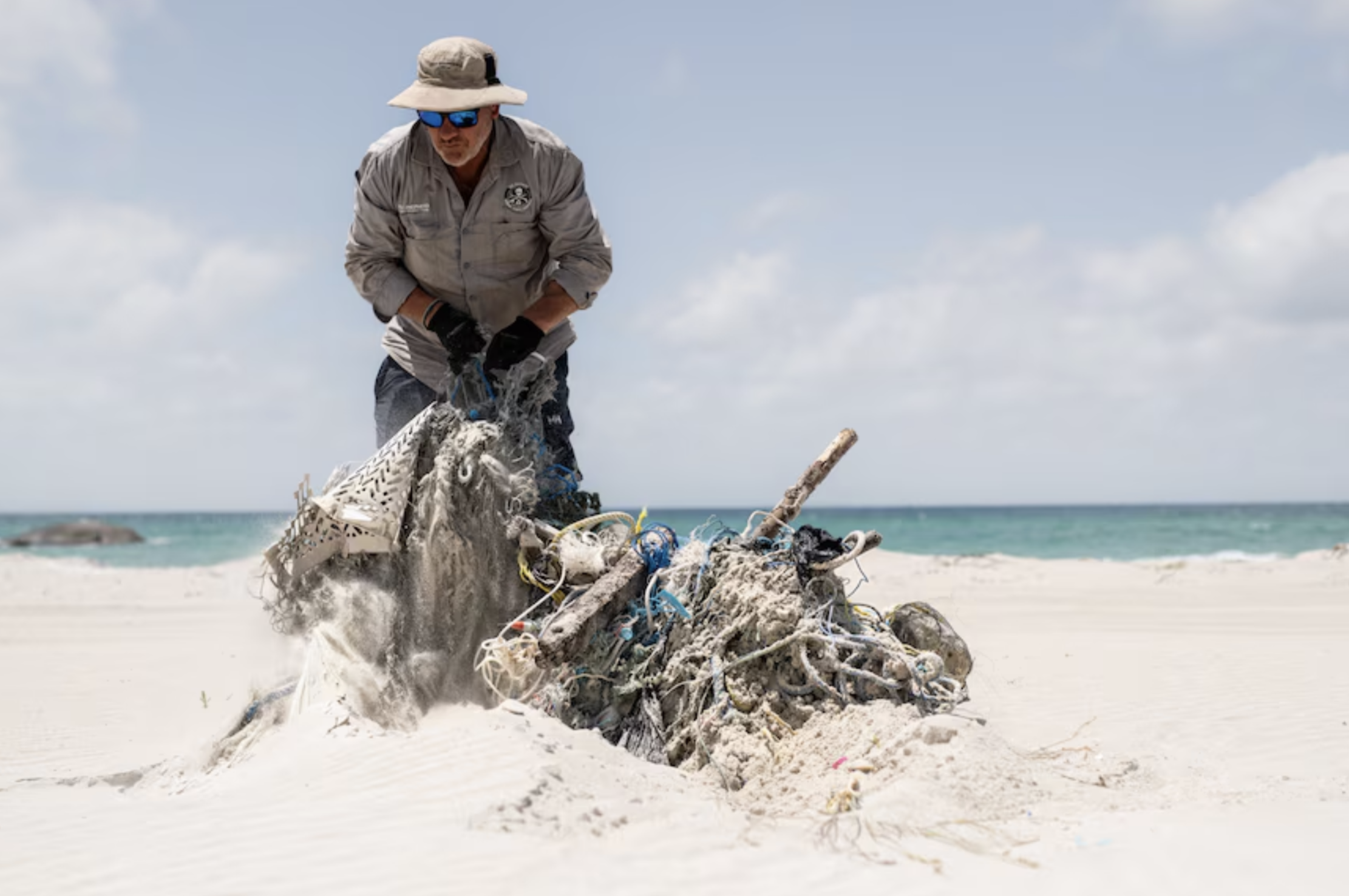
Since its launch in 2021, the program has engaged indigenous rangers from 24 ranger groups, who have removed more than 950 ghost nets and 180 tonnes of marine debris from beaches across the north, with a particular focus on the Gulf of Carpentaria.
In addition, a new regional ghost nets monitoring program will be created in partnership with Indonesia, Papua New Guinea and Timor-Leste through the Arafura and Timor Seas Ecosystem Action program.
How does the problem get fixed?
Stopping nets from entering the ocean in the first place is the most effective way to end the problem. Everything else is a treatment rather than prevention. Longer term strategies are expensive and given the lack of accountability and relatively low incomes of the fishers are not unlikely to take off soon. But ideas include
Making GPS trackers, or QR-coded nets make it easier to identify owners and recover lost gear.
Improving fishing gear design such as using biodegradable nets which break down over time, preventing long-term trapping or nets with escape mechanisms allow trapped animals to free themselves.
And the perennial solution to everything. Education. Training and teaching fishers about safe handling and reporting of lost gear.
And the one that I personally think would work best is a buy-back or deposit schemes that incentivises fishers to return old or broken nets instead of discarding them in our oceans.
General Plastic Waste
What’s The Problem?
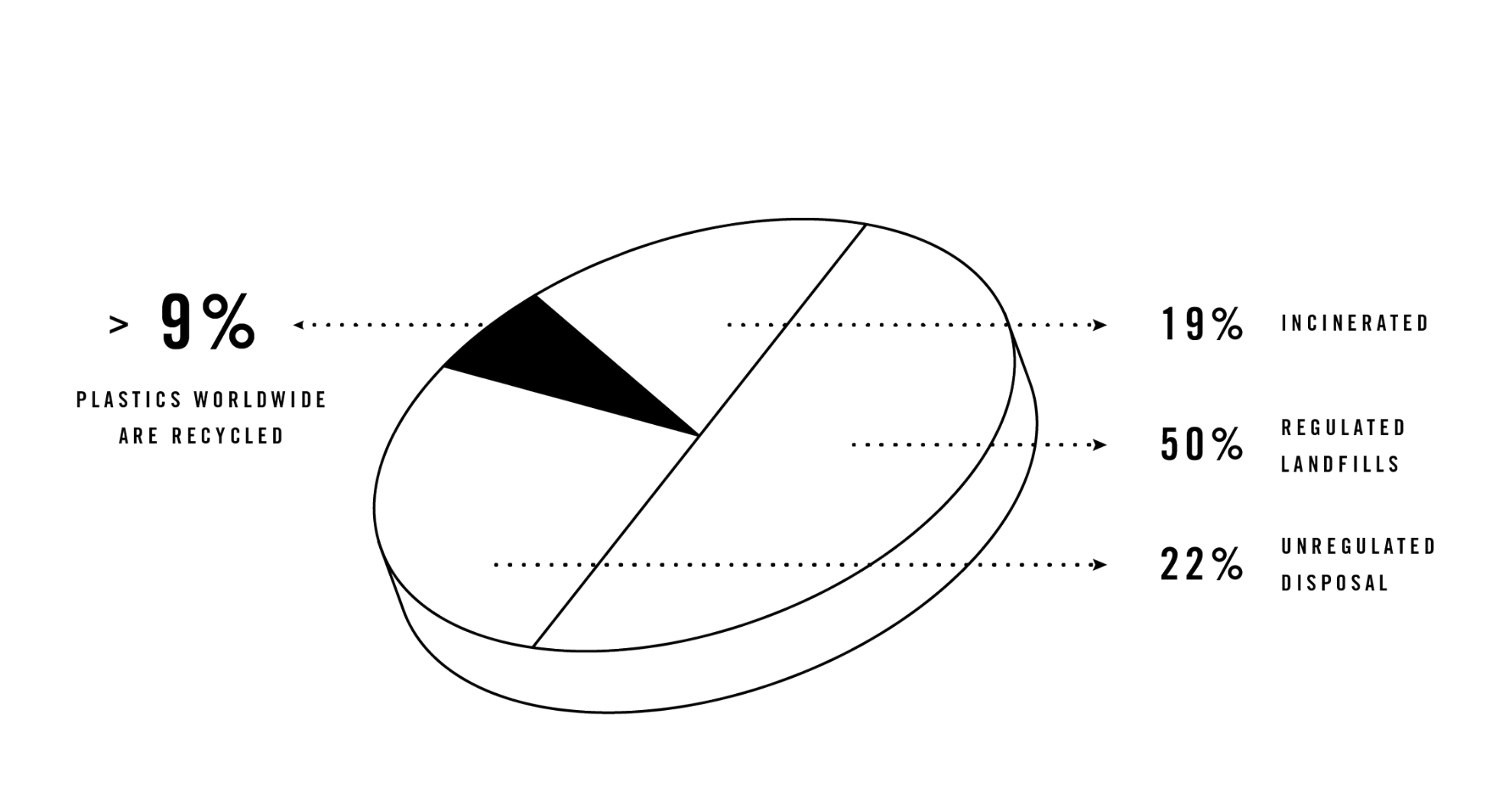
Plastic doesn’t break down, it breaks apart into smaller and smaller pieces called microplastics. Some 5.25 trillion pieces of plastic are floating in the oceans, outnumbering stars in the Milky Way 500 times over. This floating plastic is only the tip of the iceberg of a much larger and deeper issue. Even the sea breeze now carries microplastic particles through the air.
Plastic waste could outweigh fish in the oceans within 30 years. Whether or not that happens, swirling gyres of accumulated debris have already formed, turning the oceans into a plastic soup. Whales wash ashore with stomachs full of plastic bags, cups, bottles and everyday trash. Half the world’s sea turtles and almost all of the world’s seabirds have ingested plastic. It affects all levels of the marine food web.
Who is responsible for the waste?
Humanity
Whose addressing it?
If you have been watching sail GP recently you may have noticed a logo on the Australian Boat saying PARLEY in hand written “font”.
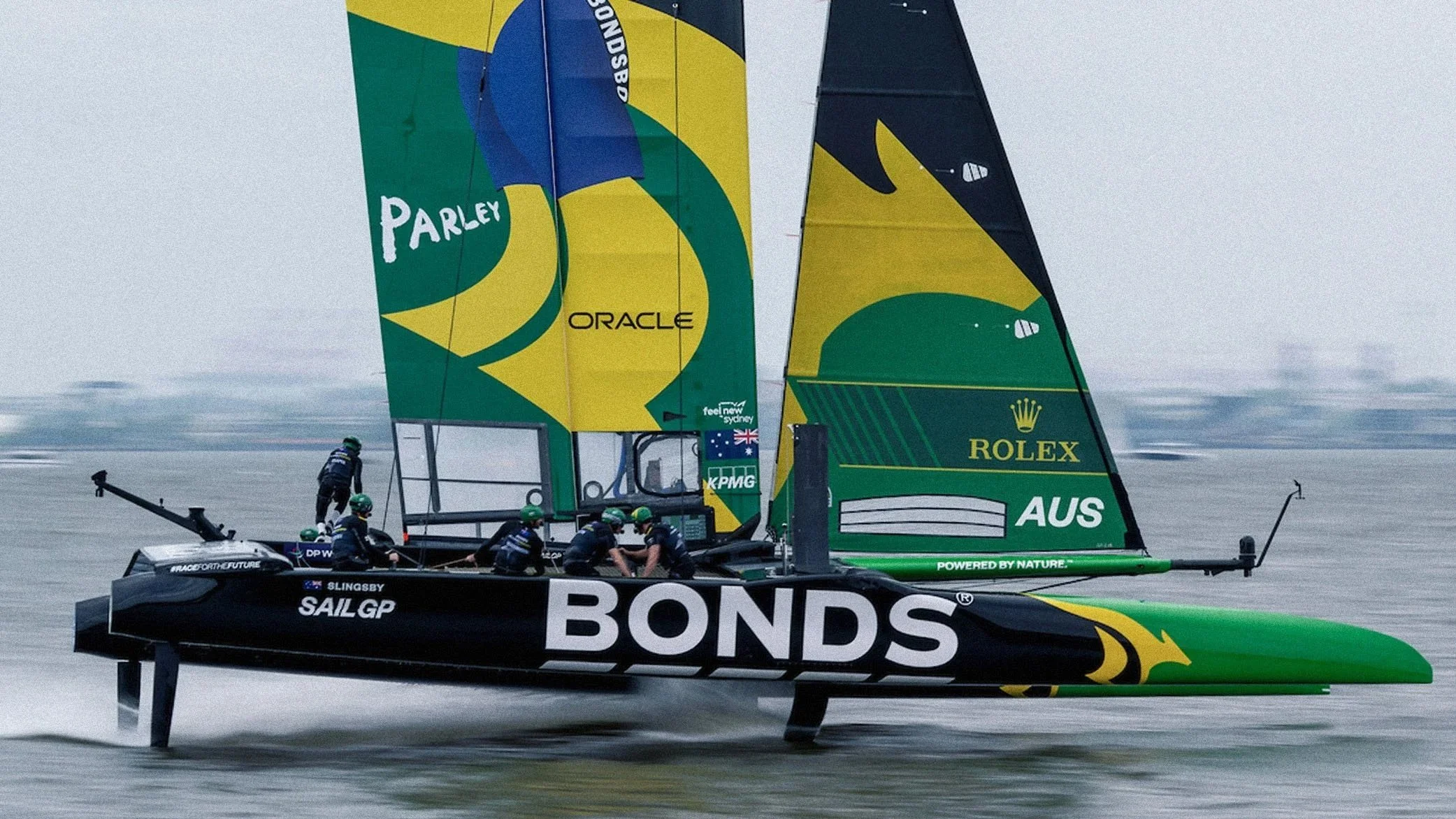
According to their website Parley is an “official environmental partner to the Australia SailGP Team, working to bring Parley’s environmental mission to the global SailGP audience”.
In reality, Parley is a a nonprofit environmental organisation addressing environmental issues in an interesting way. It was founded in 2012 by Cyrill Gutsch a a German‑born designer and brand developer. In 2012, after a meeting with environmental activist Paul Watson, Gutsch made a life‑changing decision: he turned his career toward ocean protection and founded Parley for the Oceans with co‑founder Lea Stepken.
Their Australian Team is based in Cairns, and operates along the Great Barrier Reef and beyond to conduct cleanups, conservation and education — working in some of the most remote and fragile ecosystems on the continent.
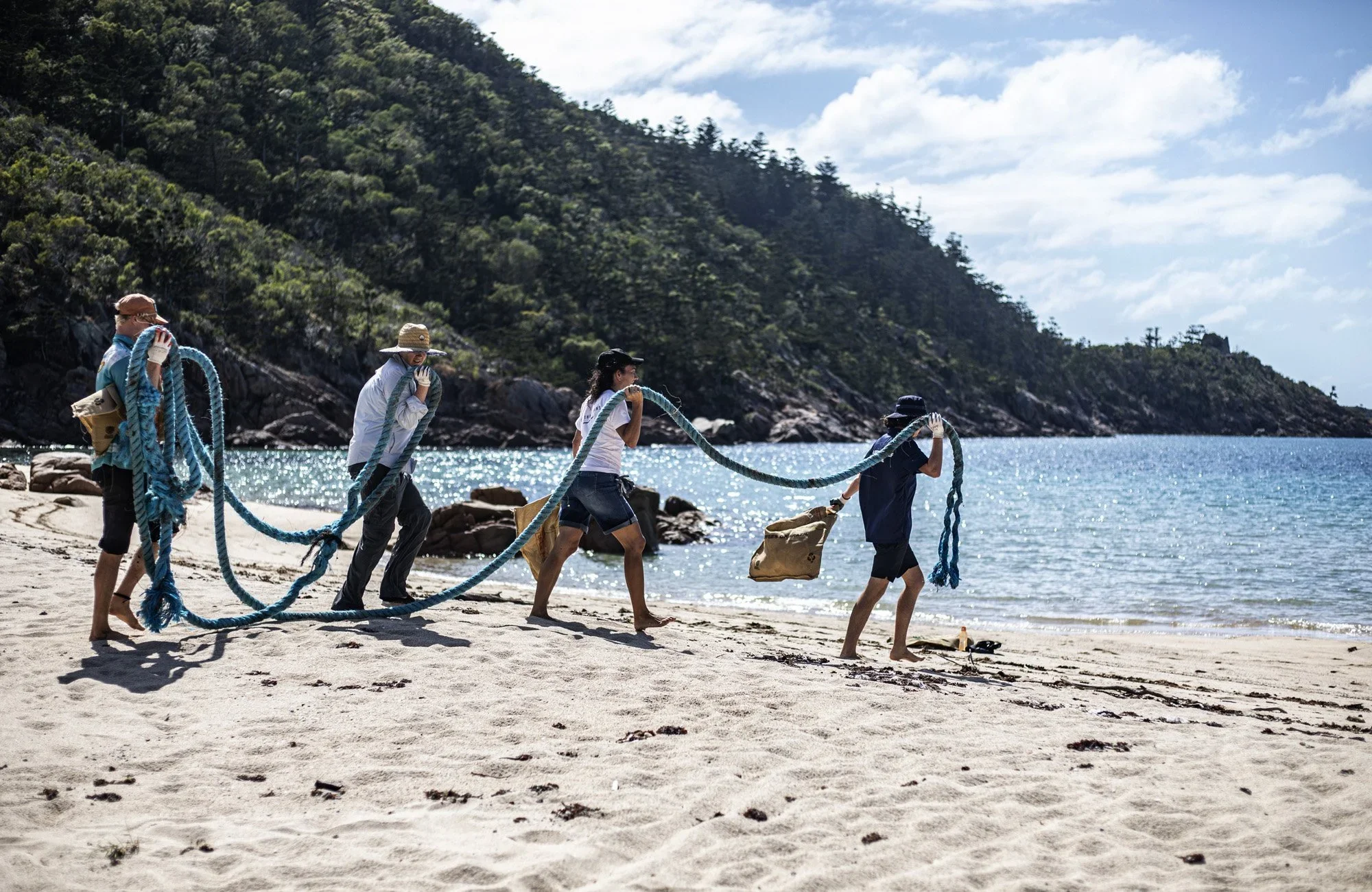
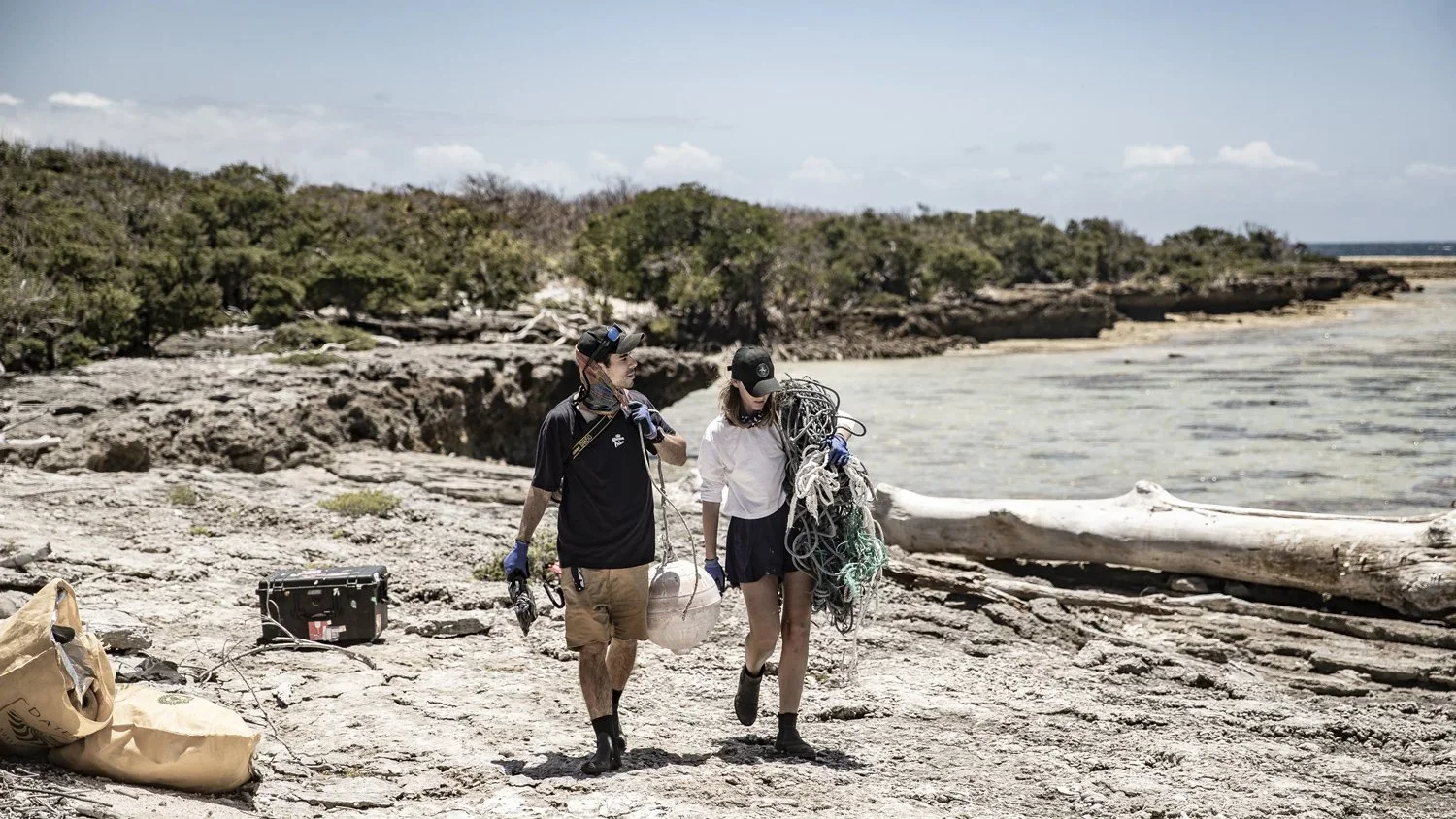
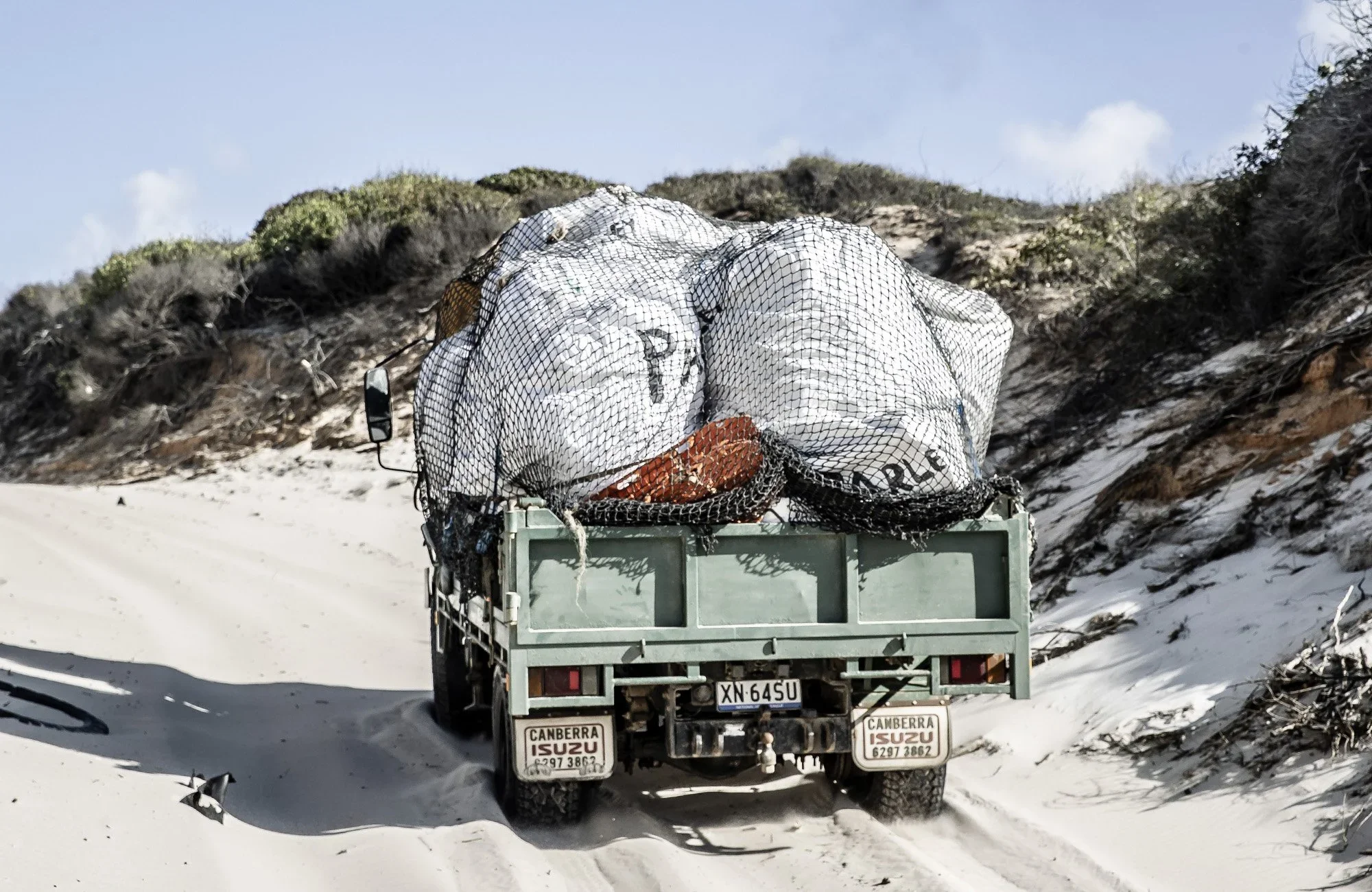
Rather than operating like a traditional charity, Parley describes itself as a creative, collaborative ecosystem that works across sectors to inspire, educate, and implement solutions to ocean threats. It’s a network of creators, thinkers, leaders, brands, scientists, governments, artists and activists — not just an environmental advocacy group. These collaborations actively generate new ideas, campaigns, products and policies for ocean protection.
How does the problem get fixed?
Parley advocate for the “AIR Strategy” (Avoid, Intercept, Redesign)
Avoid plastic pollution and harmful production practices.
Intercept plastic pollution before it reaches ecosystems.
Redesign products, systems and materials to be sustainable alternatives.
Makes sense to me!
And you can volunteer to join the Parley Australia cleanup HERE
Recreational Wrecks
What’s The Problem?
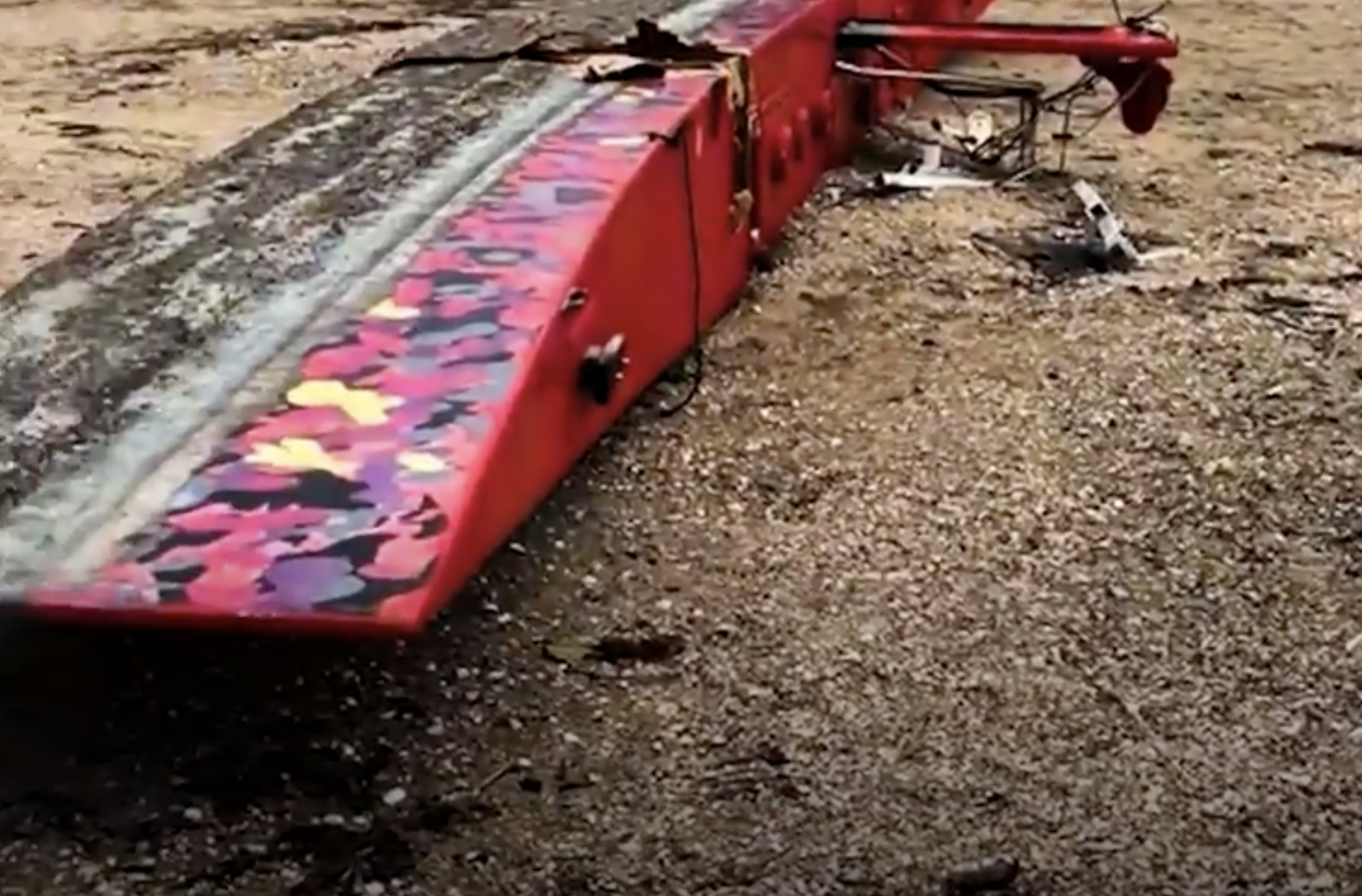
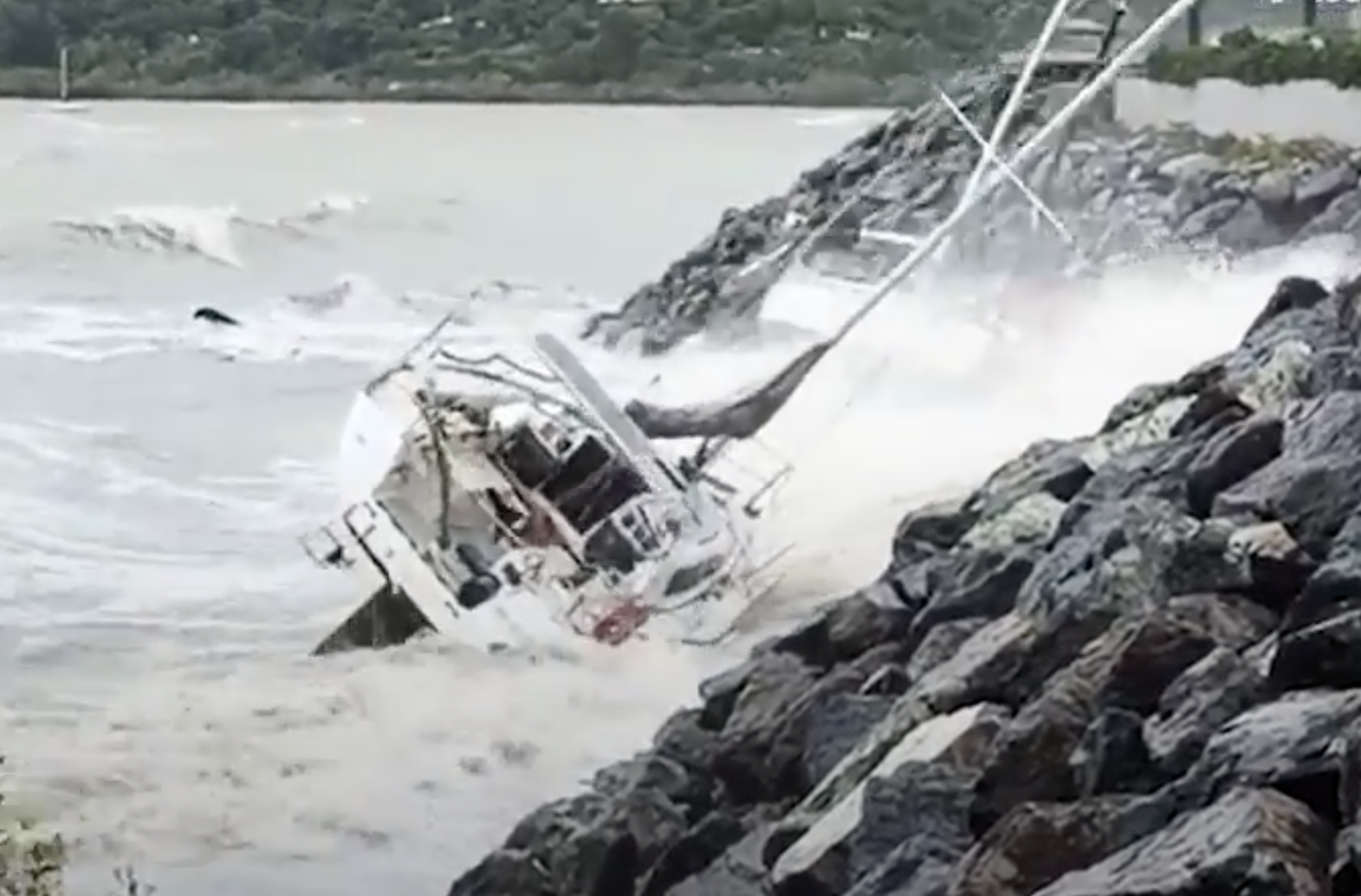
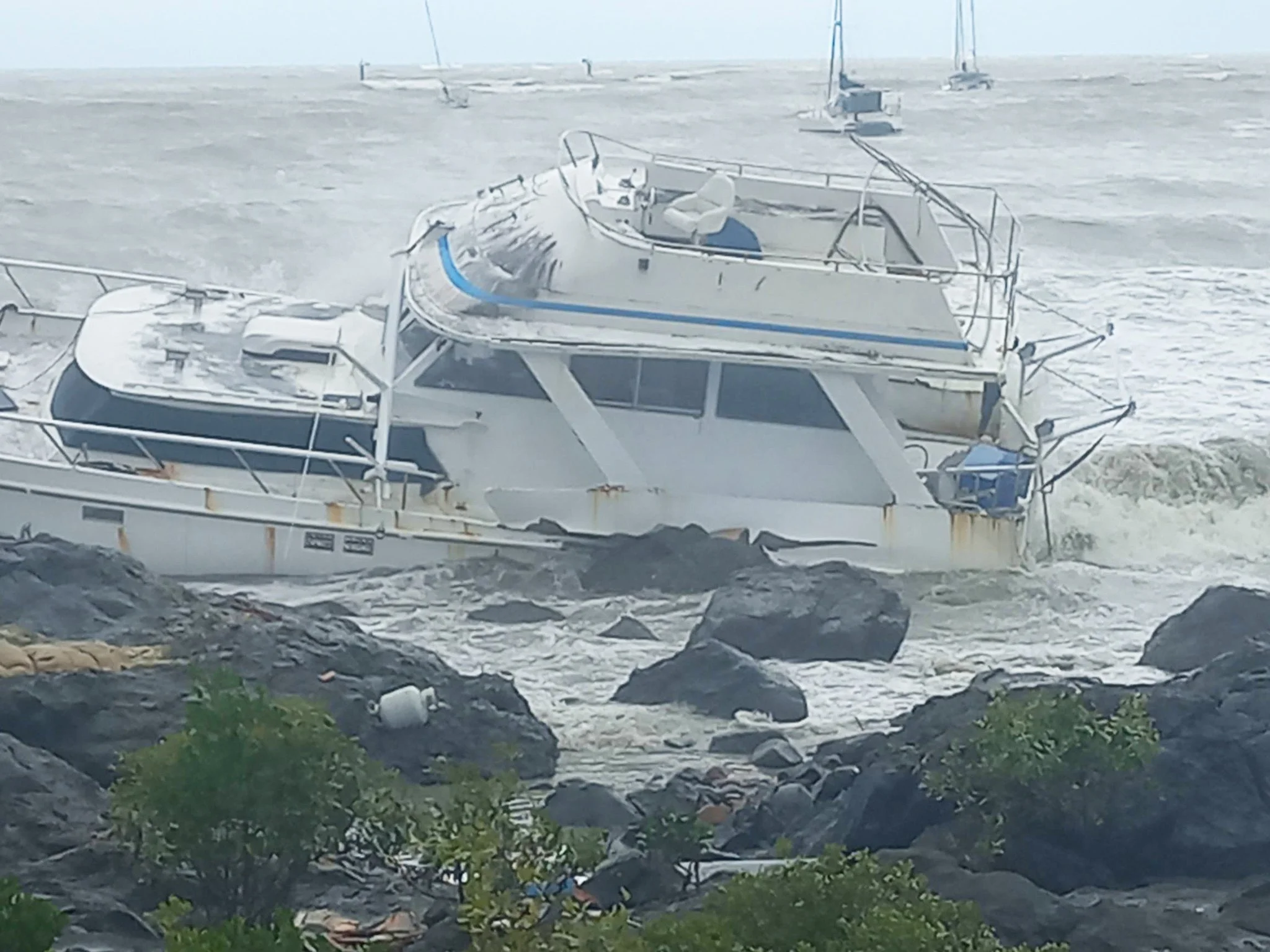
Although it’s on a minute scale compared to the issues outlined above, the removal and disposal of abandoned plastic recreational craft from our waterways is perhaps more resonant with the SWS readership. It was highlighted to me this week by the recent bad weather in the Whitsundays following ex-Tropical Cyclone Koji.
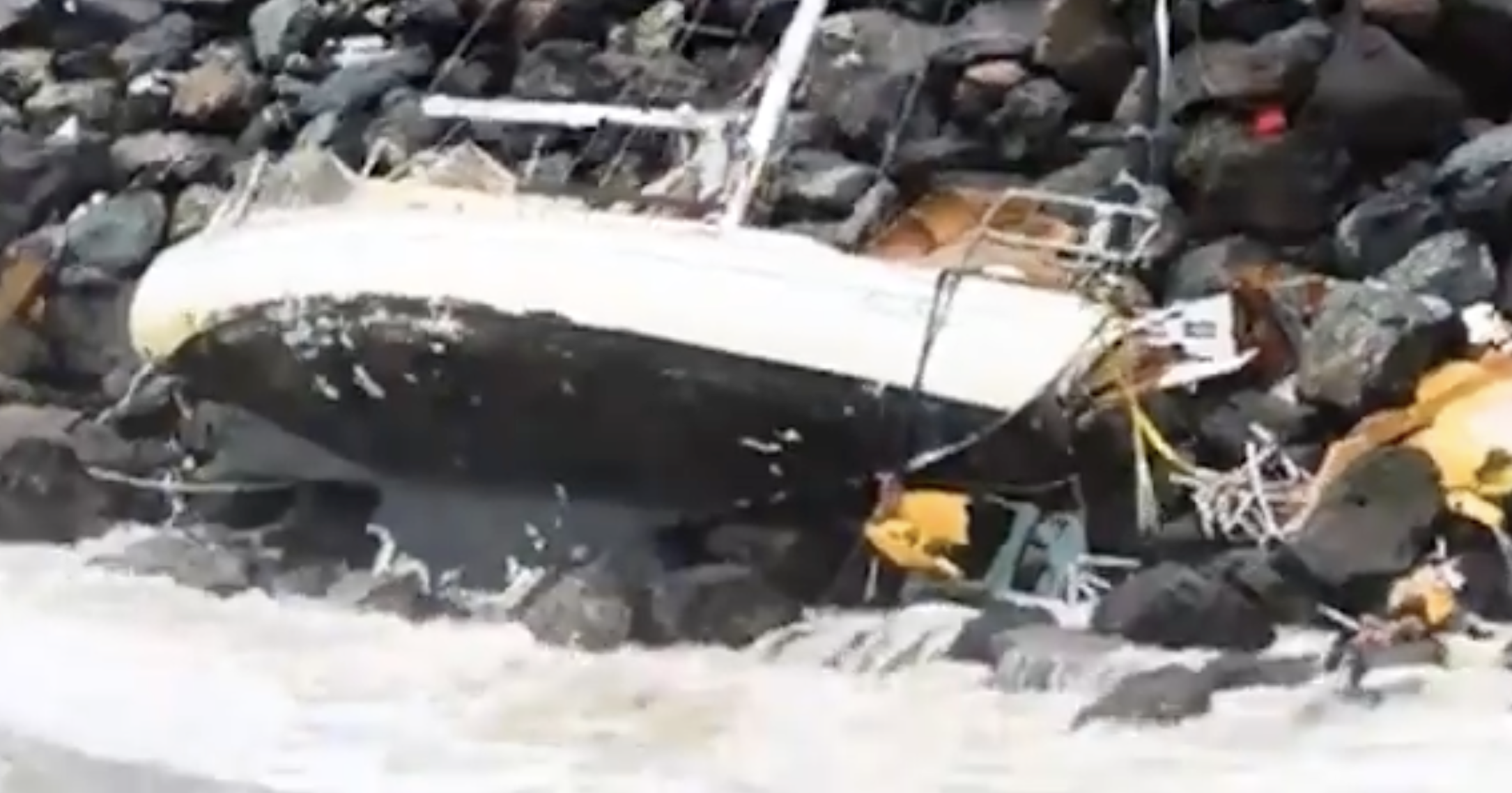
Who is responsible for the waste?
Well I guess there is a different answer for every situation. It could be an irresponsible or inexperienced owner, not allowing for potential weather events. It could be poor practises of mooring contractors or it could just be an “Act of God” in the legal sense, meaning an event caused by no direct human action.
With uninsured recreational vessels, authorities often face difficulty recovering costs from owners who may have limited assets or have abandoned the vessel. This has become an increasing problem in Australia, with numerous derelict vessels creating environmental and safety hazards. Ultimately taxpayers end up bearing removal costs when owners are uninsured and unable to pay.
Whose addressing it?
In Australia, the responsibility for wreck removal costs typically falls on the vessel owner, regardless of whether the yacht is insured or not. Under the Protection of the Sea (Civil Liability) Act 2003, which implements the Nairobi International Convention on the Removal of Wrecks, the registered owner of the vessel is legally liable for the costs of locating, marking, and removing the wreck.
When an uninsured owner is unable or unwilling to pay for removal, the situation becomes more complex: State/Territory authorities (typically maritime safety agencies) may remove the wreck themselves if it poses a hazard to navigation, the environment, or coastal amenities. They will then pursue the owner for cost recovery through legal action. If the owner cannot be found or has no assets, the government authority essentially absorbs the cost.
How does the problem get fixed?
As with most intractable problems, the solution will be the right mix of stick and carrot.
There is the possibility of implementing mandatory marine insurance for vessel registration, similar to compulsory third-party insurance for vehicles. More extreme suggestion would require vessel owners to post bonds or deposits that could be used for wreck removal if needed. There has also been discussion around establishing a levy or fee on all registered vessels to fund a wreck removal pool, spreading the risk across all boat owners
More of a carrot, would be to offer "End-of-life" programs providing free or subsidised disposal for old vessels. While this might sound expensive, there is a good chance that organised systematic removal could be funded by savings of not having to drag boats off beaches.
Additionally it should be possible to strengthen legal and enforcement mechanisms such as creating a national vessel identification system to prevent owners from simply walking away, making it easier for authorities to dispose of abandoned vessels without lengthy legal processes and creating personal liability provisions that pierce corporate structures used to avoid responsibility.
And we’ve all walked around a marina and thought “how long is that one going to stay afloat?” Identifing at-risk vessels early must surely be part of the solution!