
The News, Culture and Practice of Sailing woodenboats
in Australia, New Zealand & The South Pacific.
SWS is a not-for-profit enterprise, created for and by the traditional maritime community. If you read and enjoy it, consider supporting us financially.
Click Here to Donate
Stern warning: one man’s mission to clear the rotting boats poisoning Cornwall’s creeks
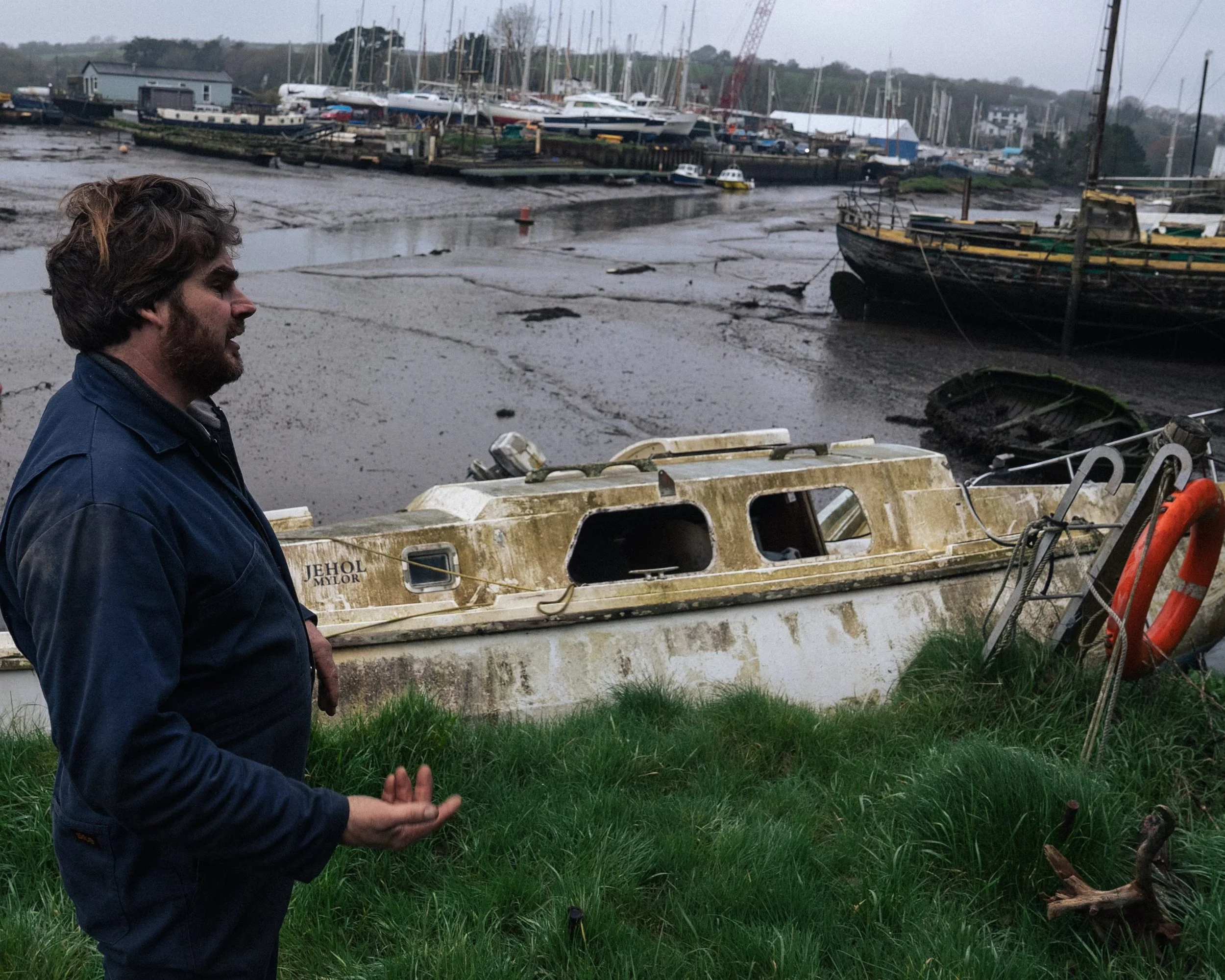
Jehol, a 1970s Westerly Centaur – one of the most popular British-made yachts – is a boat that Green is in the process of tackling. “She has changed hands for £1 four times, always to people with a dream and the best intentions,” he says. “But life takes over.”

End of life boats
Wood and steel hulls in old boats can be managed relatively easily through established recycling routes, as can other metal and wood components on a boat. This is not the case for FRP, which doesn’t easily decompose, though it does physically break down over time. Research undertaken at the University of Brighton has shown that boats made of FRP which are left in the water release microscopic fibres.
Including GRP Icons?
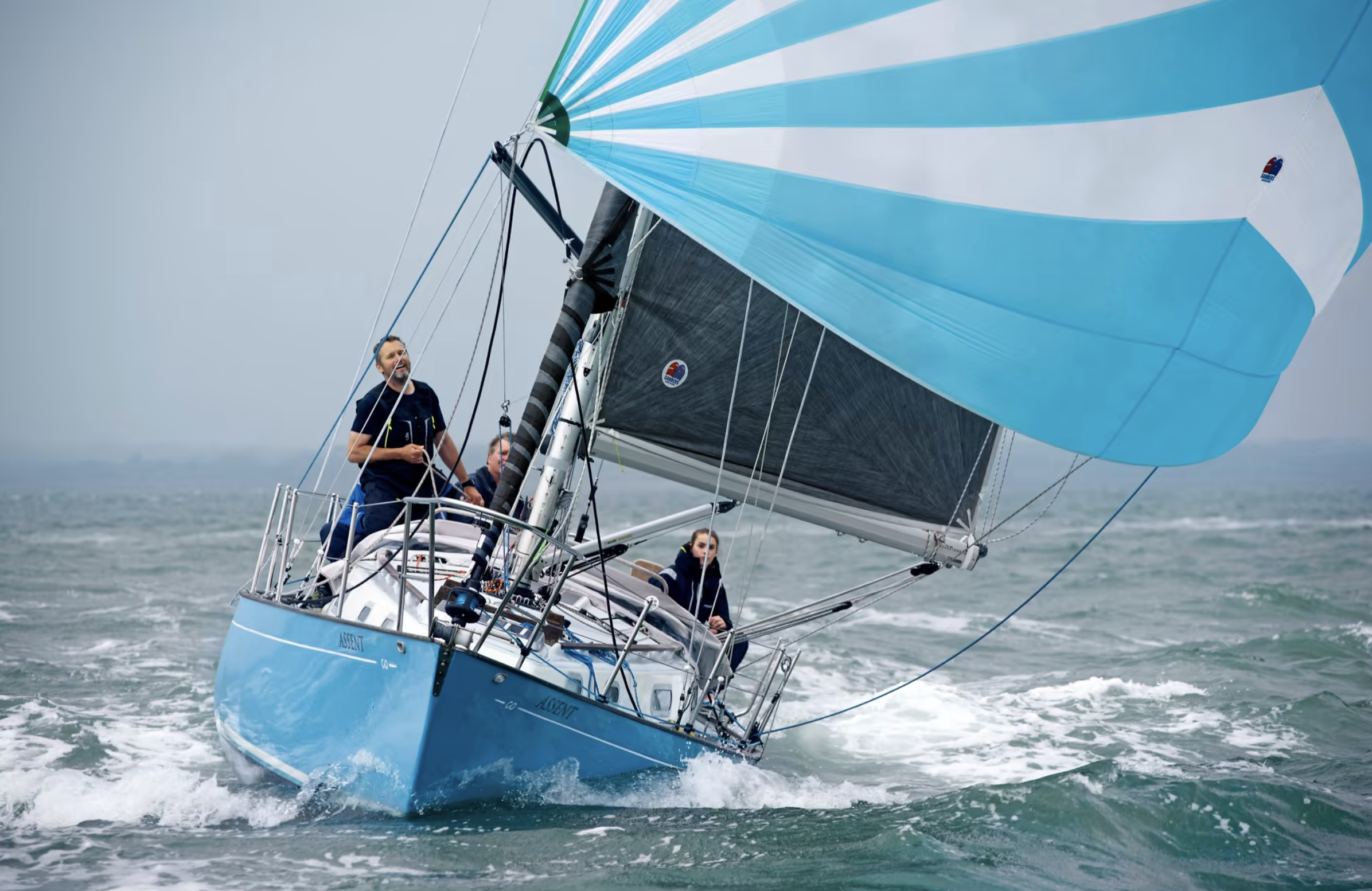
“…She was built at a time when people wanted adventure on the water, rather than a chilled Chardonnay tied to a pontoon.”
“Society is defined by what it refuses to destroy.”
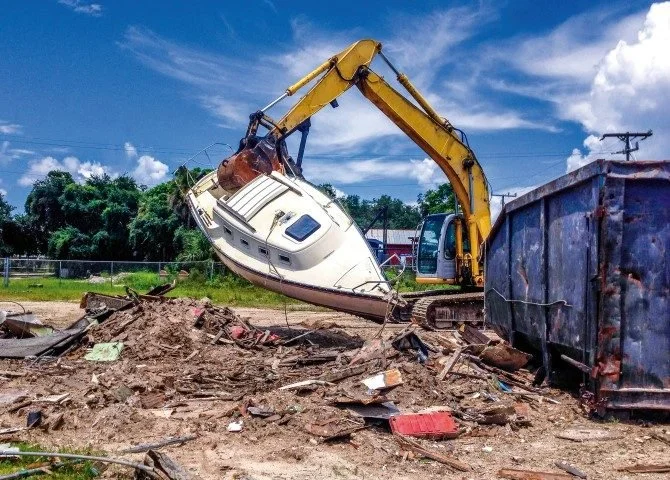
There are an estimated six million boats in the EU alone, 95% of which are made of GRP. Every year, around 1-2% (60,000-120,000) of these boats reach the end of their useful life. Of these, only 2,000 are recycled, while 6,000-9,000 are abandoned.