
Flotsam & Jetsam 30.01.26
Wrapping up January from around the world and the web
Historic ARCHINA Imagery
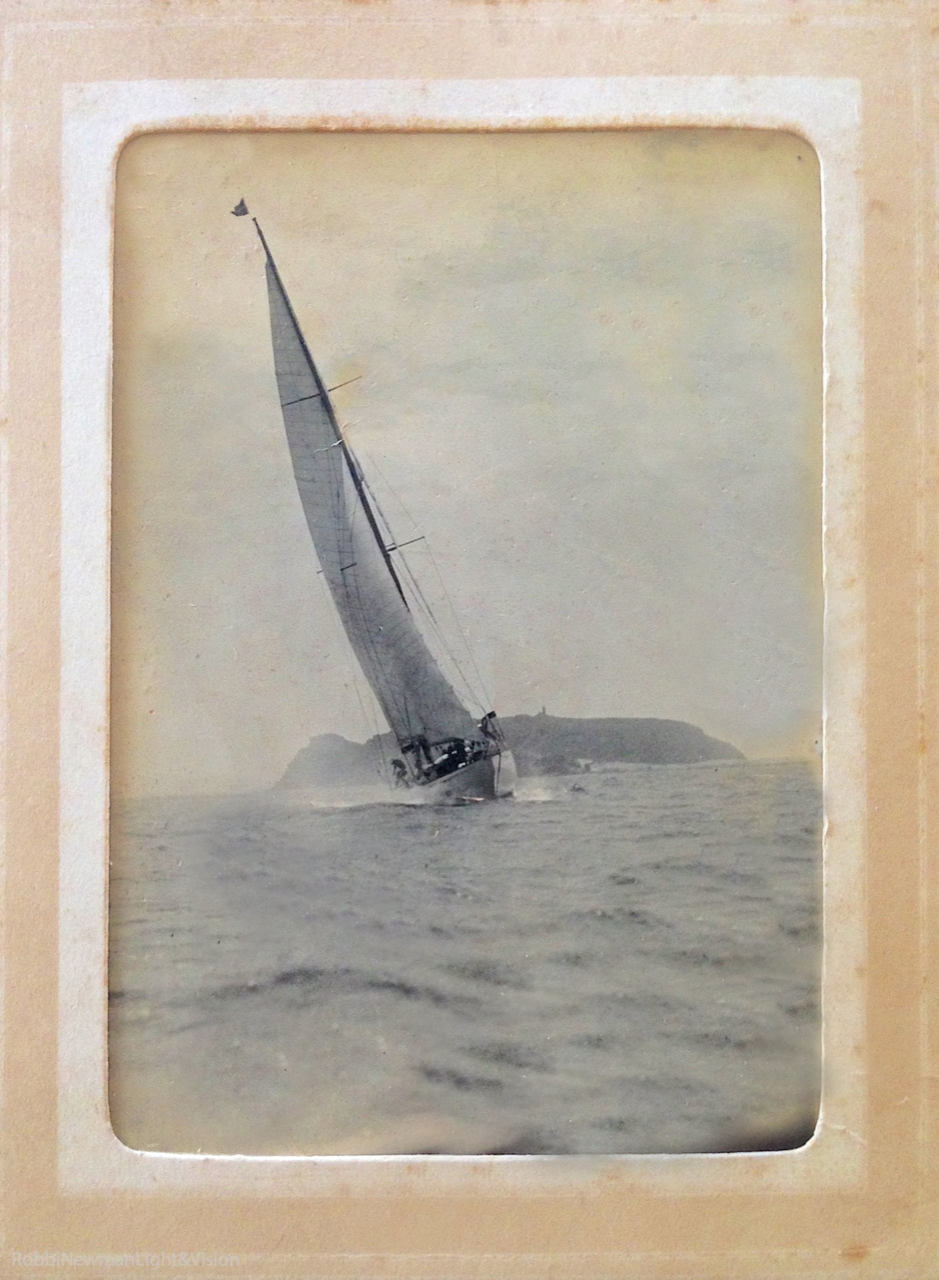
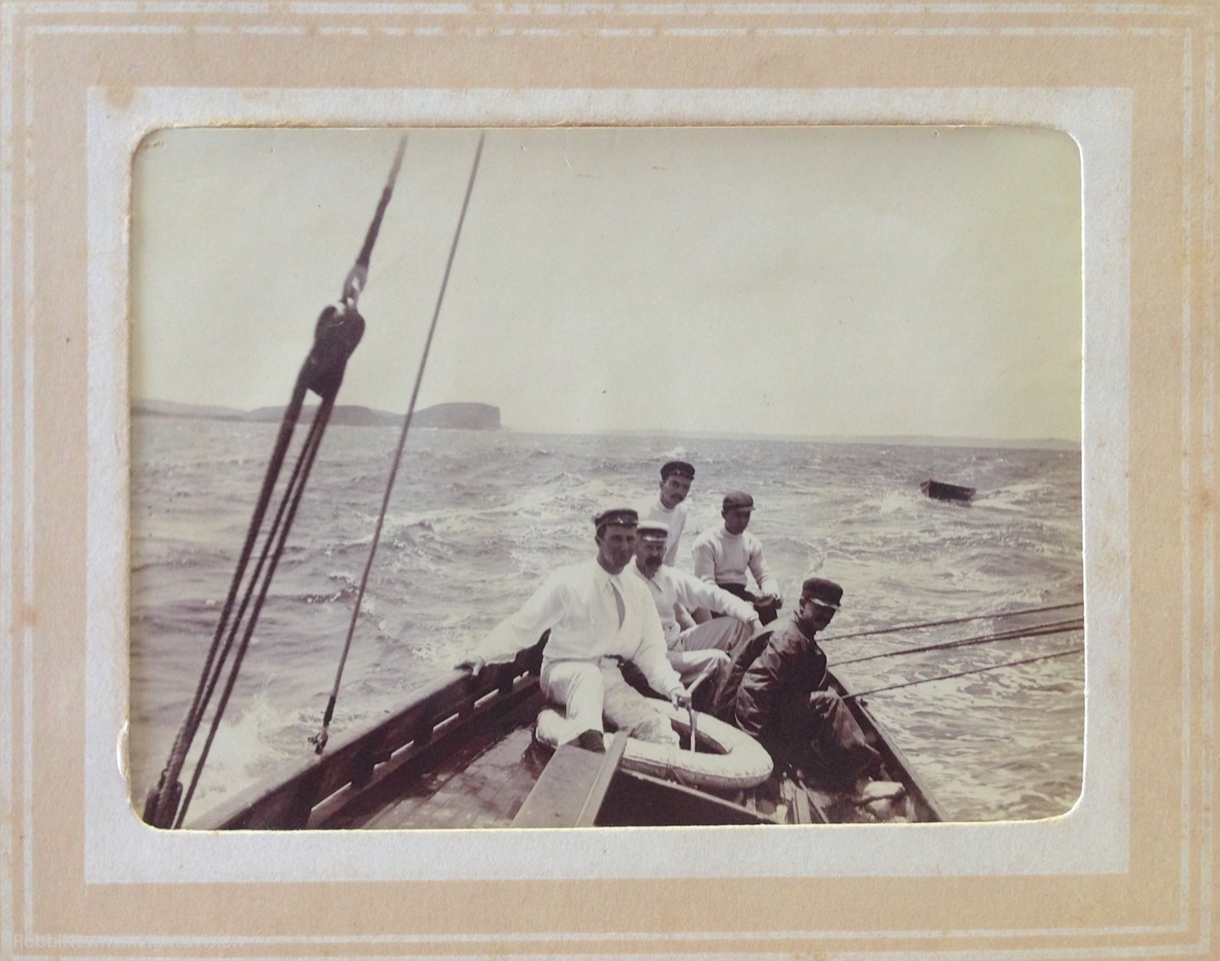
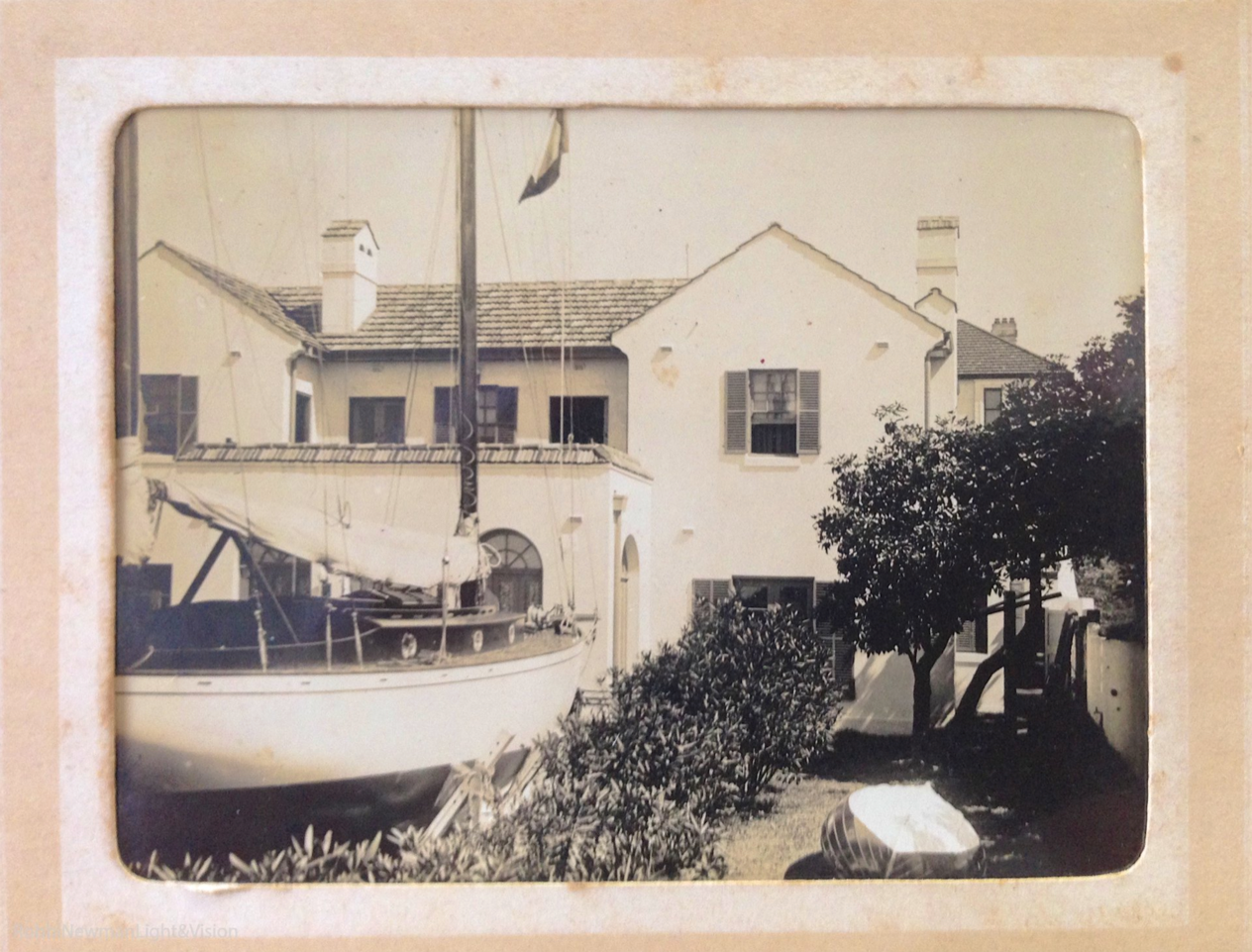
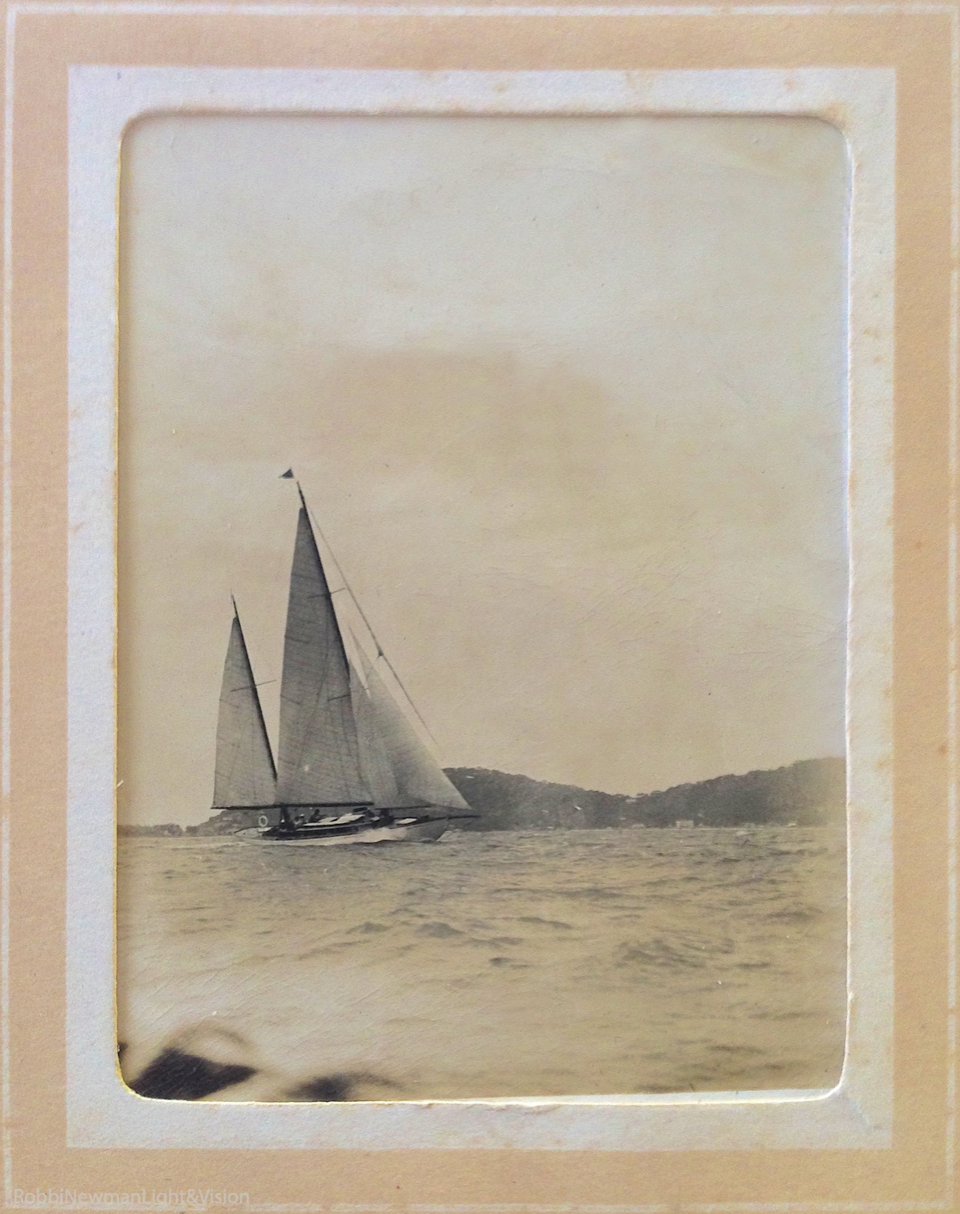
Thanks to Malcolm Lambe for sending us these stunning pictures of ARCHINA which was featured in January edition of Afloat Magazine.
Malcolm writes…
ARCHINA Claude Luscombe-Newman's 16M (52ft) ketch. Built 1933 by J Hayes & Sons at Careening Cove, North Sydney to a Boden design. 27 tonnes and 60ft overall. Kauri planked over spotted gum. One of nine boats that took part in the first Sydney-Hobart race in 1945.
Seen here sailing off Pittwater/Broken Bay. Restored some years ago by John Firth-Smith and competed in the 1994 50th Anniversary Sydney to Hobart Race.
I was researching another vessel when I saw the name "Luscombe-Newman". His grandson Robbi is a mate of mine. I asked him about it and he managed to find these pics in an old album. I put Robbi in touch with the owners of ARCHINA and he joined them in a cruise back to the Harbour from Pittwater.
One is of her bearing down from Barrenjoey. Then another is the (professional) crew heading back to Sydney with Bangalley Head (Avalon) in the background. Claude was a photographer so that's why he isn't in any of the images.
Click to Enlarge. You won’t regret it!
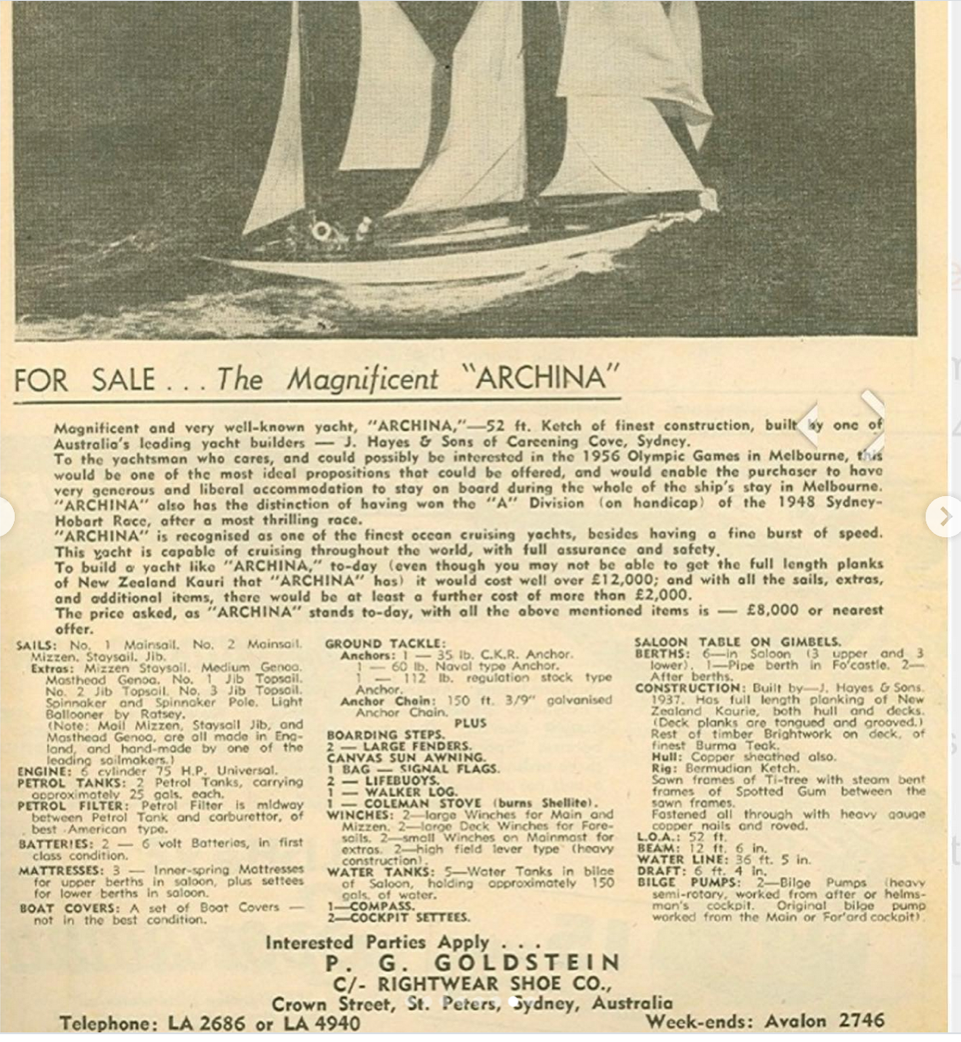
And a bonus “for sale” add from around 1955!
Off Shore with Integrity!
While it doesn’t have the glitteringly high profile of other offshore races, such as the three big ones (Fastnet, S2H, Bermuda) , this is the offshore challenge that aligns best with our values here at SWS.
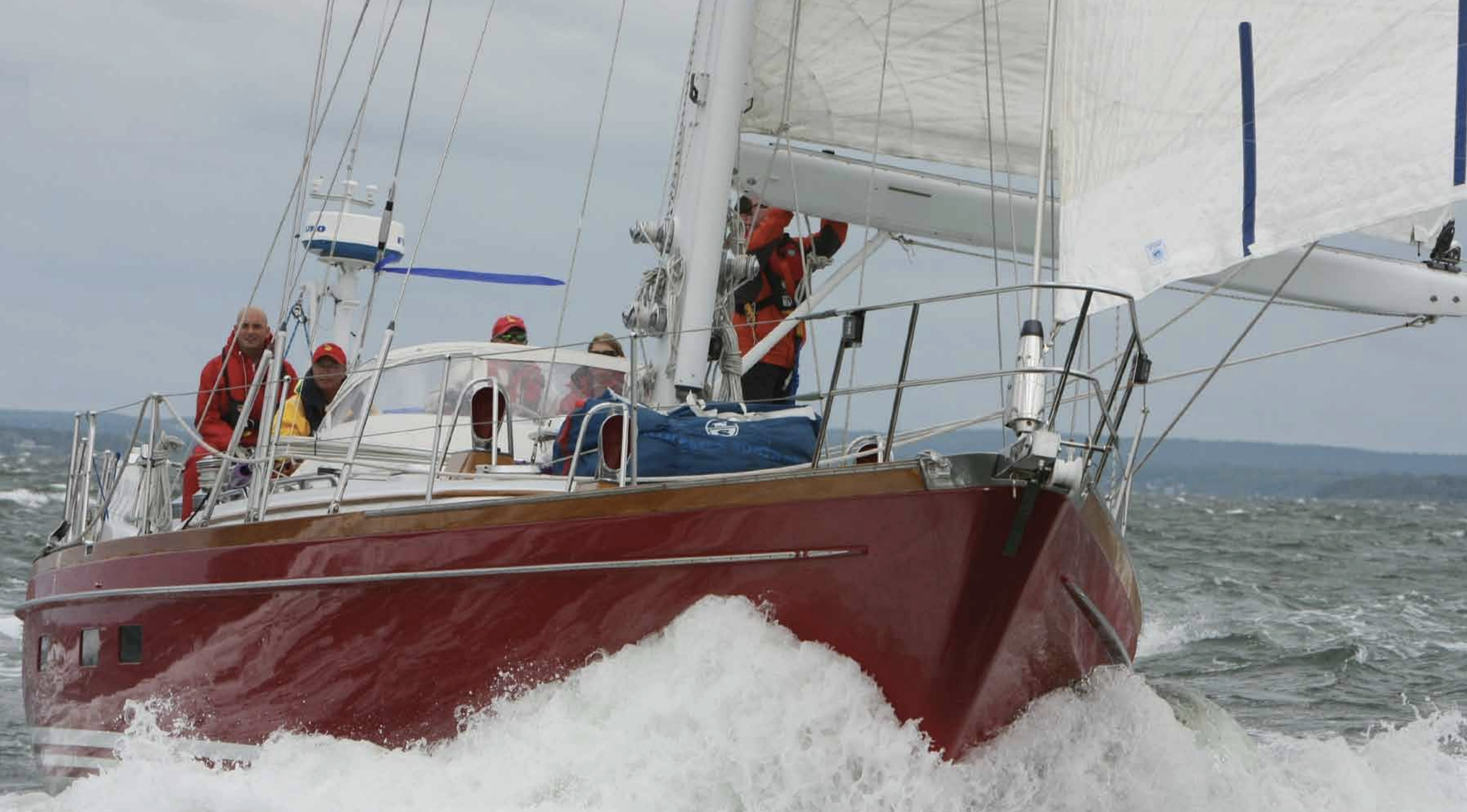
Photo: Fran Grenon
The notice of race opens with this statement.
Since its inception in 1977, the Marion Bermuda Race (“MBR”) has been a Corinthian event. The spirit of the race is that all boats and crew participate for the joy and pleasure of sailing, competition in a serious offshore race and the camaraderie that accompanies such an event.
The race provides an opportunity for racing and cruising boats with amateur crews and sail training vessels to participate in a serious ocean race and a rendezvous in Bermuda. It encourages the development of blue water sailing skills on seaworthy boats that can be handled safely offshore with limited crew in an environmentally sustainable way. Boats must submit an application for acceptance.
The MBR is categorized as an Ocean Race as defined in the US Sailing Safety Equipment Requirements. It is a long-distance race, well offshore, out of range of shore-based helicopters, where rescue may be delayed.
The OA intends to operate the race as a “Clean Regatta” as defined by Sailors for the Sea. The host clubs in Marion and Bermuda will execute, to the greatest extent possible, the best practices as defined in the Clean Regatta program. It is strongly recommended that all boats appoint a person on board to be the environmental steward for the boat. The environmental steward can be identified during the registration process. The environmental steward will work with the crew to develop and implement a plan to race as sustainably as possible. Competitors should plan to promote and adopt a “leave no trace” approach while at sea and during events while ashore in Marion and Bermuda. The OA seeks the cooperation of all competitors and support personnel including vendors in reducing waste before, during and at the conclusion of the event.
For fifty years, the Marion Bermuda Race has made a powerful statement about what Corinthian offshore sailing should be. Founded on the belief that ocean racing should be accessible, educational, and adventurous to amateur sailors who are willing to prepare seriously, sail responsibly, and test themselves against the sea.
From the beginning, the Marion Bermuda Race distinguished itself through its steadfast support of celestial navigation. Long after electronics became common in offshore racing, the Marion Bermuda Race continued to encourage navigators to master sextant, sight reduction, and the deeper understanding of seamanship that comes with looking up at the sky.
Youth sailing has always been central to the mission. By promoting opportunities for younger sailors to sail offshore and by reinvesting proceeds into youth programs, the race has helped pass down offshore skills and traditions to the next generation. At the same time, the Marion Bermuda Race has been an early and consistent supporter of women in offshore sailing, welcoming mixed and women-led crews and helping normalize inclusive participation long before it became common elsewhere.
Innovation has also played a defining role. The race has encouraged thoughtful advances in cruising design, safety practices, training, and crew development, influencing how modern cruising sailors’ approach long offshore passages.
In 2027, the Marion Bermuda Race will celebrate its 50th anniversary. It will be a milestone not only for the event itself, but for everyone who believes that offshore sailing thrives when tradition, education, inclusion, and innovation sail together. Please join the Marion Bermuda Race on June 18, 2027 to kick off the next 50 years. www.marionbermuda.com
Wooden Craft of a Different Sort
From the Economist.
LignoSat’s communications failed as it was launched from the International Space Station (ISS) on December 9th 2024. But it was a breakthrough all the same. For much of it was made of magnolia, a wood its builders at Kyoto University had picked for its strength, ease of working and (as demonstrated by previous experiments on the ISS) resilience to the hostile environment of space.

An artist's illustration of the LignoSat satellite. Photograph: Kyoto University
It proved a good choice. Though LignoSat’s temperature oscillated from -100 to +100°C as it passed in and out of Earth’s shadow, and it was also bombarded by the radiation of the solar wind, its wooden panels held firm, according to tracking by America’s Space Force, until its fiery atmospheric re-entry 116 days later.
Huld, a Finnish firm, prefers birch plywood to magnolia for WISA Woodsat, a test vehicle it helped design that is due for launch this summer. Such plywood is routinely cooled to -163°C when used to insulate tanks carrying liquefied natural gas.
Wood has several advantages over metal alloys as a satellite material. One is to reduce the amount of metal vaporising when satellites burn up on re-entry. In 2023 some 290 tonnes of space junk fell into the atmosphere. A study published that year found a tenth of the stratospheric sulphuric-acid particles it sampled contained such metal.
How much that matters, if at all, is unclear. But some people fear a build-up of metals at altitude will trigger chemical reactions which might, for instance, destroy ozone, a form of oxygen that absorbs harmful ultraviolet radiation. And build up they surely will. One forecast suggests that, by 2035, more than 2,800 tonnes of space junk a year will fall from orbit.
READ ON HERE (you may need a free trial)
Heritage Fleet Update
If you have been following this saga, here’s an update from the active and passionate Melbourne Maritime Heritage Network
MMHN notes, as of the start of 2026, Development Victoria (DV) continues to stall and prevaricate on the future of the Heritage Fleet in Victoria Harbour. Given that, prior to Christmas, heritage fleet stakeholders identified a viable and available relocation option on New Quay (which had the support of the City of Melbourne and MAB, the relevant developer), it is beyond frustrating that DV is expecting to provide more information in the coming weeks.
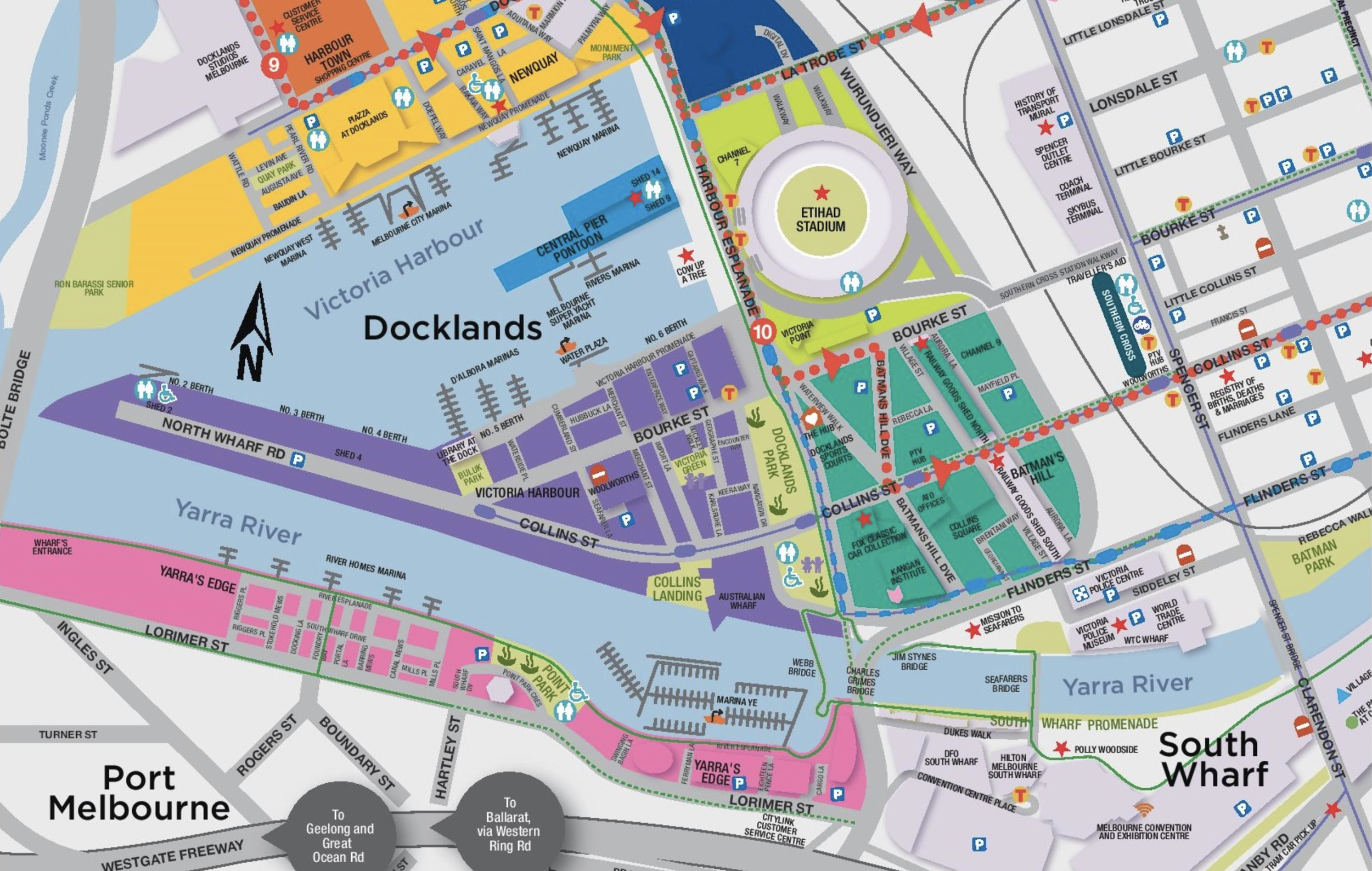
An unhelpful non-response to genuine concerns. A DV spokesperson reports, via the Docklands News, that DV continues to work with the City of Melbourne and explore what opportunities may exist to continue to support maritime-based organisations and activities at Docklands. This DV 'exploration process' will be illuminating for all concerned, given that the negotiations have actually been generating serious frustration and angst in the maritime heritage community for many months. Little comfort can be gained when DV asserts: “We recognise Docklands’ maritime heritage and have worked with Lendlease and the City of Melbourne to accommodate maritime-based organisations and businesses at North Wharf for as long as possible ahead of development and expect to inform them of timelines in the coming weeks.”
Boat Building Academy Students Carry Out Dying Wish
A Nice story from Classic Boat Magazine….
The Boat Building Academy have given the students of their 40-week boat building course a new and important challenge – restoring the late Richard Coleman’s Yacht.
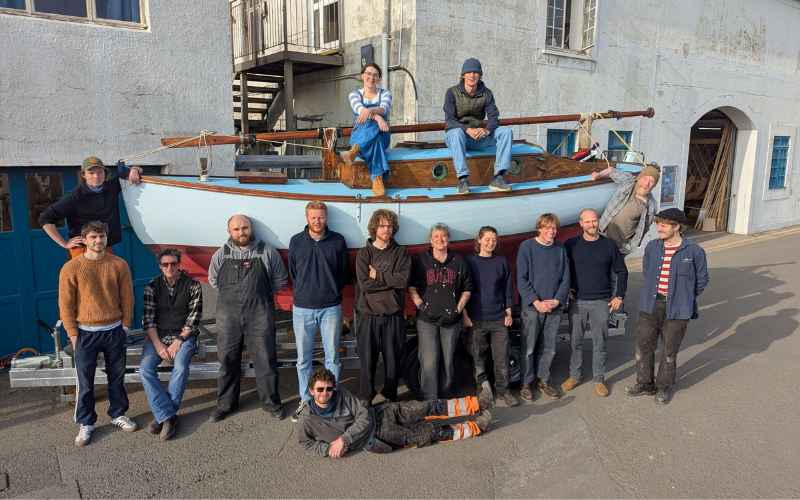
Boat Building Academy - students with Decibel. Credit: BBA
When seafaring lawyer Richard Coleman died on 1 May, 2024, two days before his 90th birthday, his enduring wish was that his 18ft 6in (5.6m) yacht Decibel, in which he had sailed for over 60 years, should not end up at the back of a boatyard slowly decaying, as had Dulcibella, the yacht in his favourite book The Riddle of the Sands.
Thanks to Richard’s former colleague, friend and executor Tony Vlasto, Decibel is now safely housed at the Boat Building Academy (BBA), where students at the 40-week boatbuilding course have stripped her paintwork and internal parts and carried out a detailed assessment.
Top 8 Most Expensive Sports for Professional Athletes
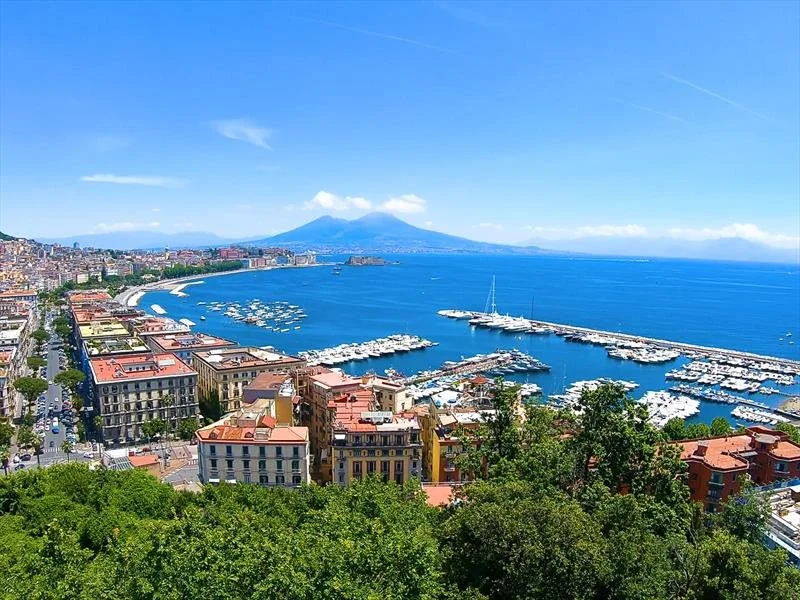
Napier, a coastal town in New Zealand, will host the next America’s Cup…. Hold on…That can’t be right? Do they mean Naples?
Sounds like a piece of clickbait from Sports Digest which describes itself like this… “Based out of Singapore, Sports Digest is an independent, fast-moving sports news platform bringing you real-time updates, expert insights, and comprehensive coverage across a wide spectrum of global sports.”
Yacht Racing (read America’s Cup) comes in second behind Formula One and just ahead of Polo, Equestrian and Mountaineering.
It’s pretty meaningless really, but it’s not the sort of headline you want to read, if you are serious about promoting the values of grass routes sailing.
Traditional Seafarer Introductory Certificate
This is UK based course sounds extraordinary. Oh to be a teenager again! How far off are we from getting something similar in Australia or New Zealand?
National Historic Ships UK is pleased to offer an introductory course for newcomers aged 14+ who wish to gain an understanding of sailing on board traditionally rigged vessels.
Working with delivery providers, who operate a full range of traditionally rigged historic craft and replica vessels, this exciting course provides an opportunity to gain hands-on sailing skills whilst improving your knowledge of the United Kingdom’s rich maritime heritage.
Module one: Traditional Sailing Vessels - is all about the traditionally rigged vessels that you have opportunities to sail on. You will understand the wide range of vessel types that exist as part of our maritime heritage. Each was designed and built to perform a particular task, depending on the role they were to perform, the areas in which they worked, the weather and sea conditions they would face, and the number of crew required to man them.
Module two: The Seafarer’s Life - You will gain an insight into the lives of the original crews of traditional vessels. What tasks did they perform and what were conditions like for them living and working on board, often for an extended period and far from home.
Module three: Know your vessel and how to keep safe - We want to ensure that your voyage is successful and that you gain confidence sailing these vessels. Knowledge of the terminology for parts of the vessel, and a full awareness of the safety aspects of the vessel enable you to become a valuable member of the crew.
Module four: Operating a Traditional Vessel - In this module we really start to have fun as we go sailing. During your time on the vessel, you will experience leaving port, mooring or anchoring, getting the sails ready and then hoisting or adjusting them. You will steer the vessel and participate in some of the manoeuvres necessary to get the vessel to your destination. At the end of the day or trip you will bring the sails back down, stow them away and assist in taking the vessel back to harbour, onto a mooring, or safely anchored.
Course participants will be issued a useful logbook which enables you to track your learning and keep a note of your voyage details. Upon successful completion you will be awarded a National Historic Ships UK certificate.
The course is designed to be completed during a 3–5-day liveaboard voyage on a traditionally rigged vessel. It can also be completed over several separate weekends, providing a minimum of 3 nights are spent onboard the vessel.
The below list links you to organisations and vessels currently approved to conduct the course. New vessels are being continually added.
Sea-Change Sailing Trust operate the Spritsail Thames Sailing Barge Blue Mermaid from Maldon, Essex. Their sailing area is the tidal rivers and coastline of Norfolk, Suffolk, Essex and Kent, including the River Thames and London.
Pioneer Sailing Trust, who are based at Brightlingsea on the River Colne, Essex, offer sailing experiences to youth & community groups, corporate events and private charters onboard Pioneer, a Gaff Ketch Essex Smack. Able to accommodate groups of up to 12 persons, she is a powerful example, originally built in 1864, of a once large local fishing fleet.
Provident Sailing operate the very popular Gaff Ketch rigged Brixham Trawler Provident on unique sailing holidays in the Scottish Islands. There can be few more perfect locations for learning to sail a traditionally rigged vessel than the West Coast of Scotland. 2024 is her centenary year, so how about joining her for the return trip to Brixham and complete the course as part of your voyage!
Blyth Tall Ship operate the 36m Gaff Rigged Ketch Williams II from Blyth, Northumberland. Built in Denmark in 1914, she is an amazing example of a trading ketch, with an exciting programme of voyages and events, including a future voyage to Antarctica!
The Coastal Exploration Co. operate the 1923 Gaff Cutter Victorious along with some smaller open lug rigged vessels around the unique salt marsh and coastal environments of North Norfolk.
Update from the AuckWBF
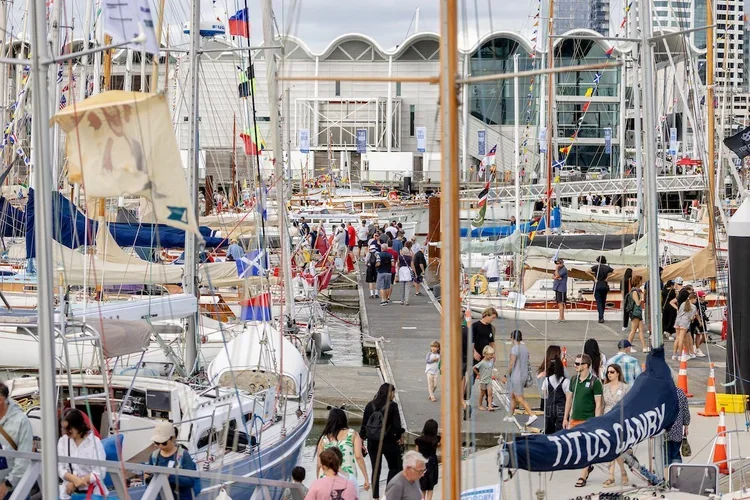
The Auckland Wooden Boat Festival is pleased to announce that it has now completed the boat selection process. In total we are preparing to welcome:
110 boats on the water + 80 on land
60+ model boats in the Viaduct Events Centre
Numerous exhibitors and hand-on activities
A two-day seminar program
Some of the highlights will be:
The graceful A class fleet is back
The famous steamship, the William C Daldy
Two of our most famous scows, the Jane Giffordand the Ted Ashby
Vega: a classic boat with an alternative story to tell
Clinker dinghies, lake boats, canoes and small sail boats
Watch a wooden boat being built
More details will follow very soon and we will be profiling the boats and their stories on our Facebook and Instagram - so make sure you are connected so you don’t miss out.