
Flotsam & Jetsam 23.01.26
More stories from around the world and the web
Just a Rumour…But…
Following our little article entitled “Observations from Afar” in which we suggested there will be changes to the fully crewed/double handed rules in the Sydney Hobart, there’s a bit of a rumour going around that the CYCA are now considering allowing autopilots on ALL the competing yachts! And perhaps also reducing the minimum number of crew on “fully crewed” boats from five to four.

Personally, I can’t help thinking, if true, this is exactly the wrong approach. What we need is less technology required to win the Tattersall's Cup! and more people going sailing! What do you think?
An Update on “Back to Inverloch”
Following last week’s news item on the upcoming Inverloch Classic Dinghy Regatta, we recieved this email from Leigh McNolty
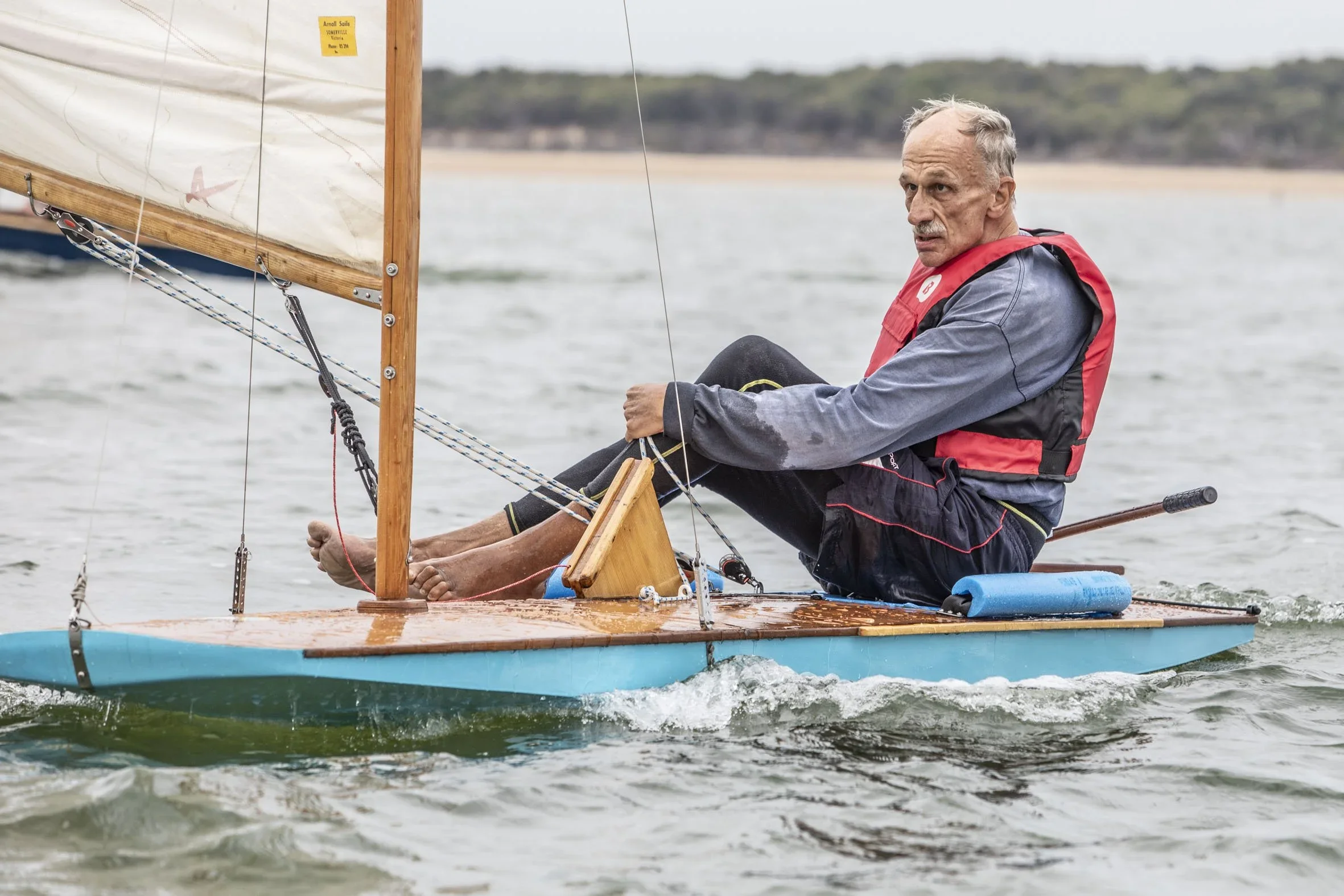
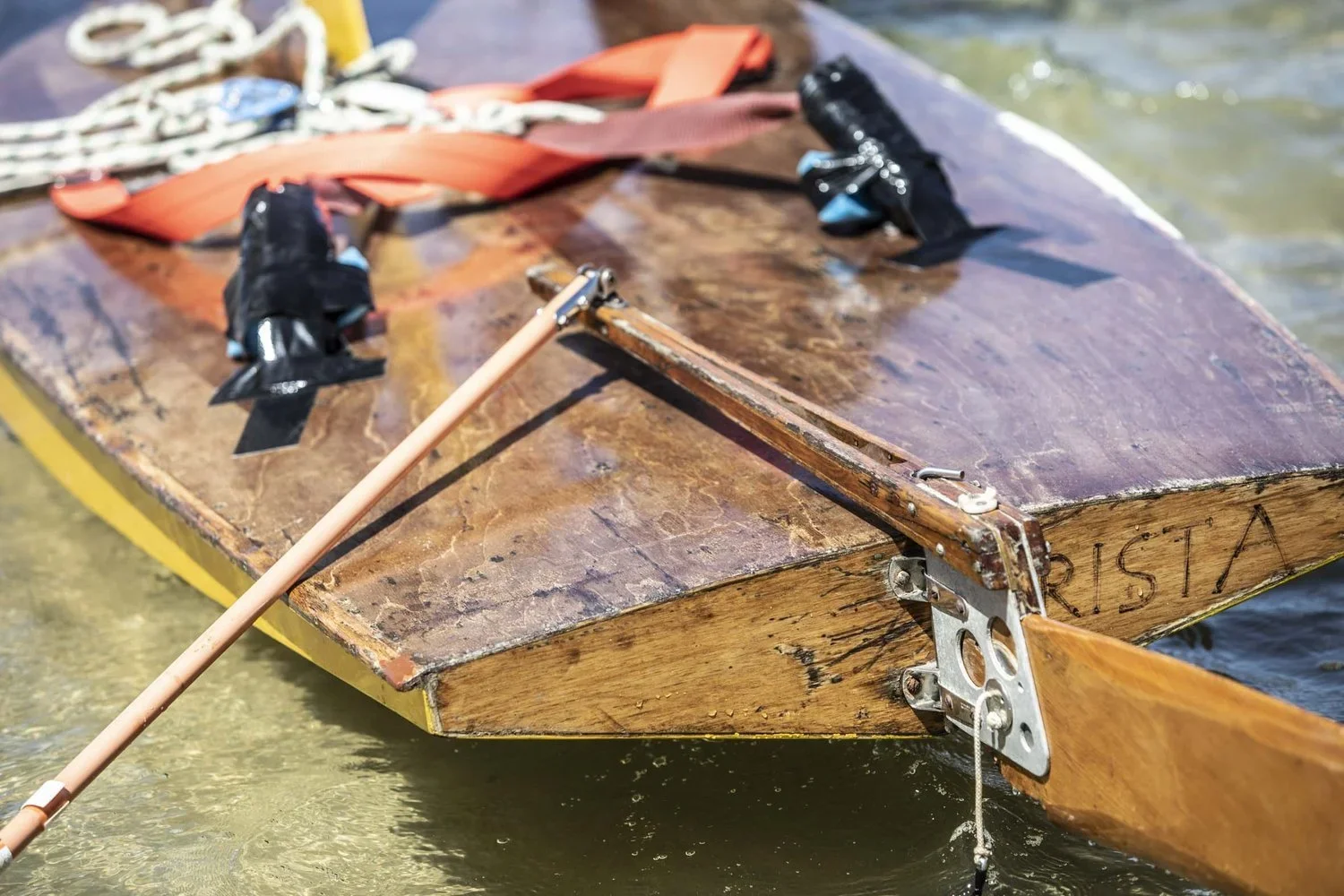
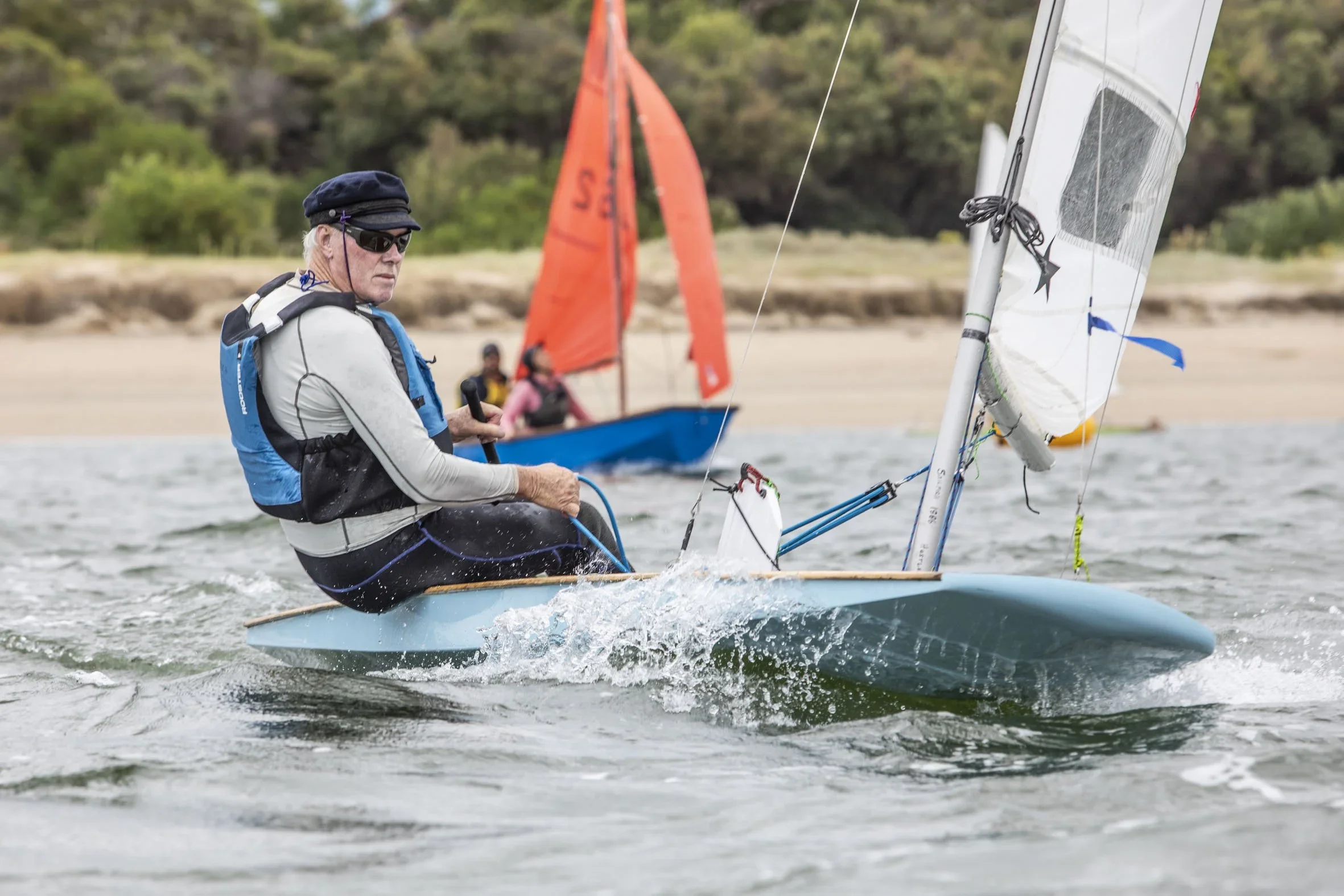
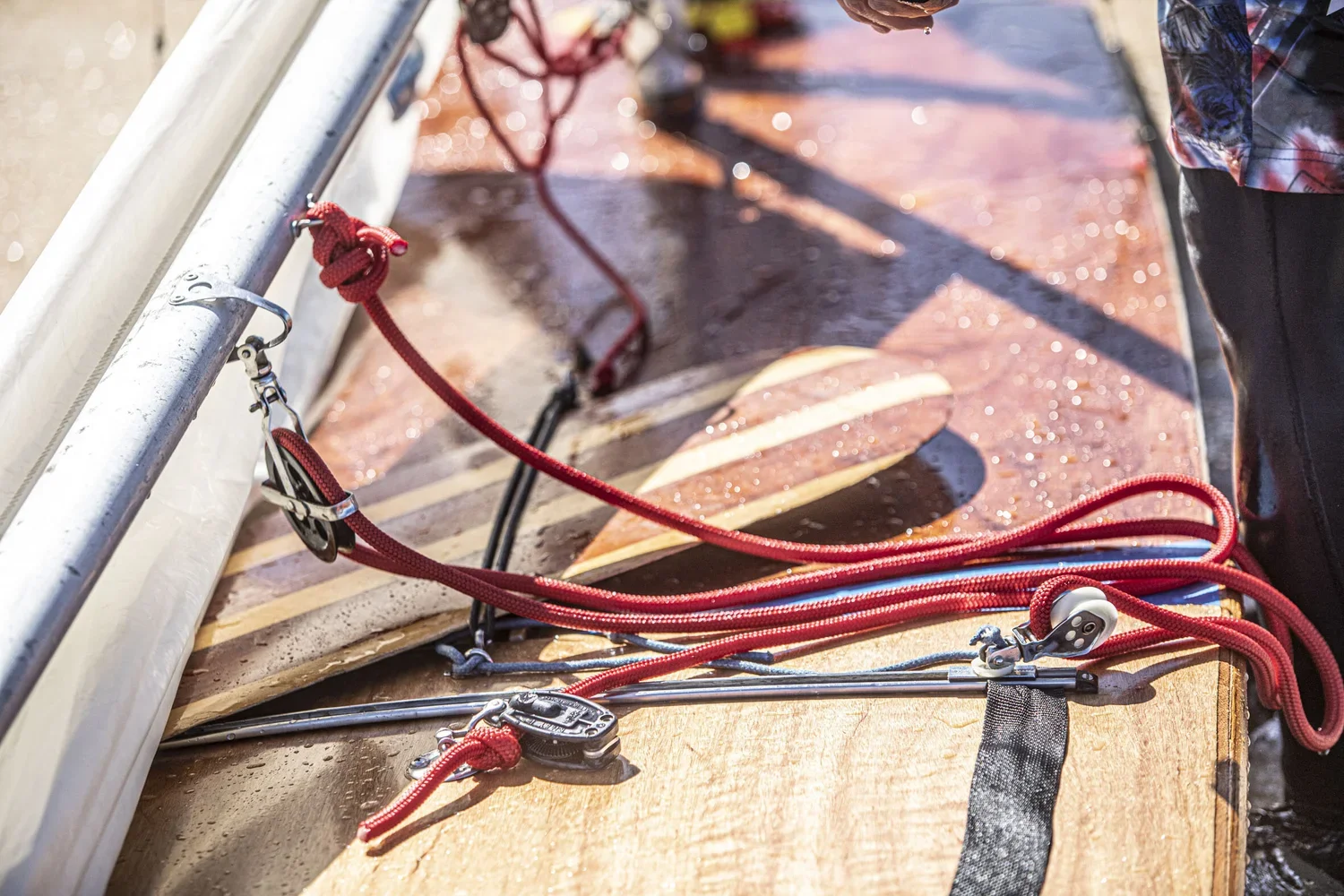
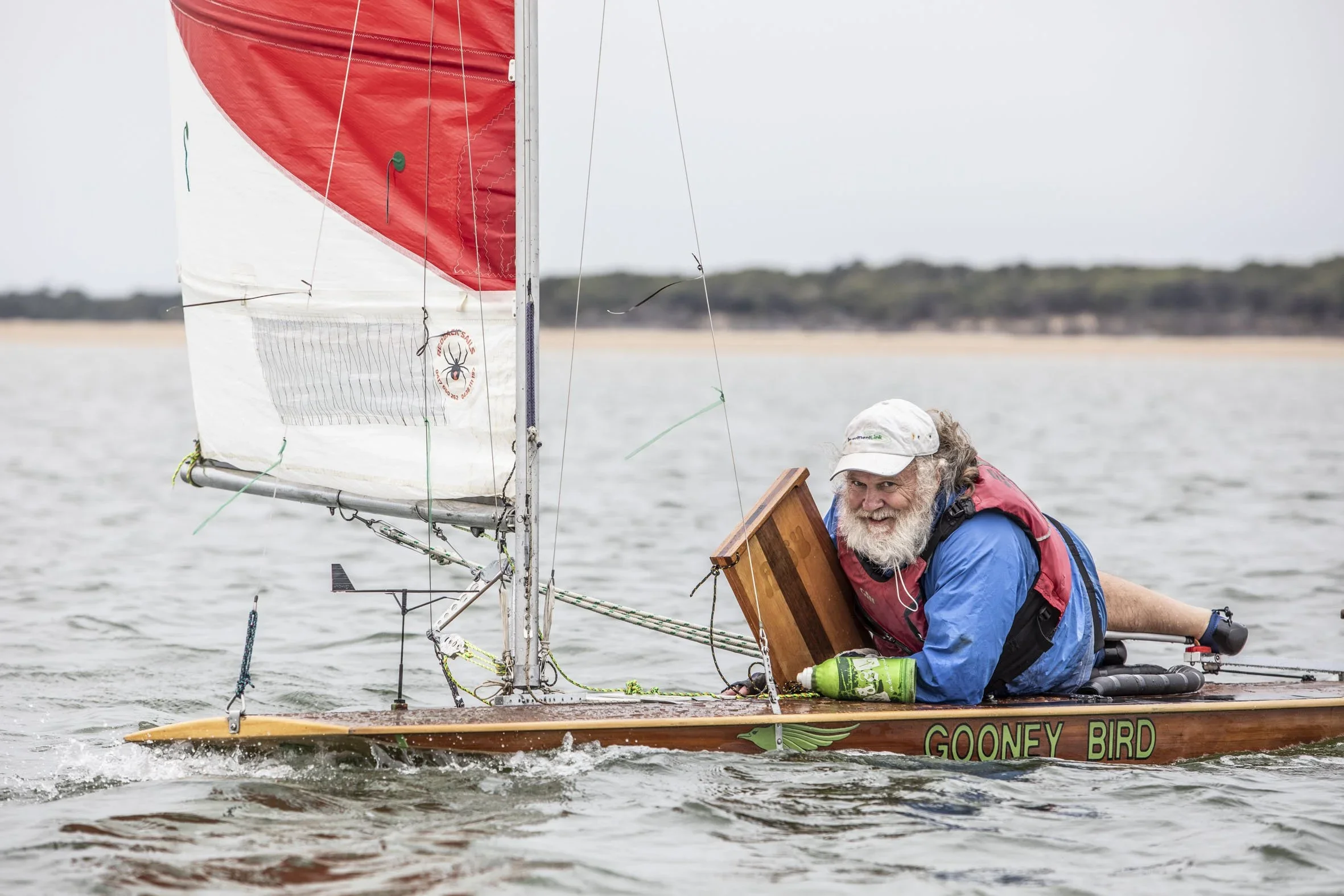
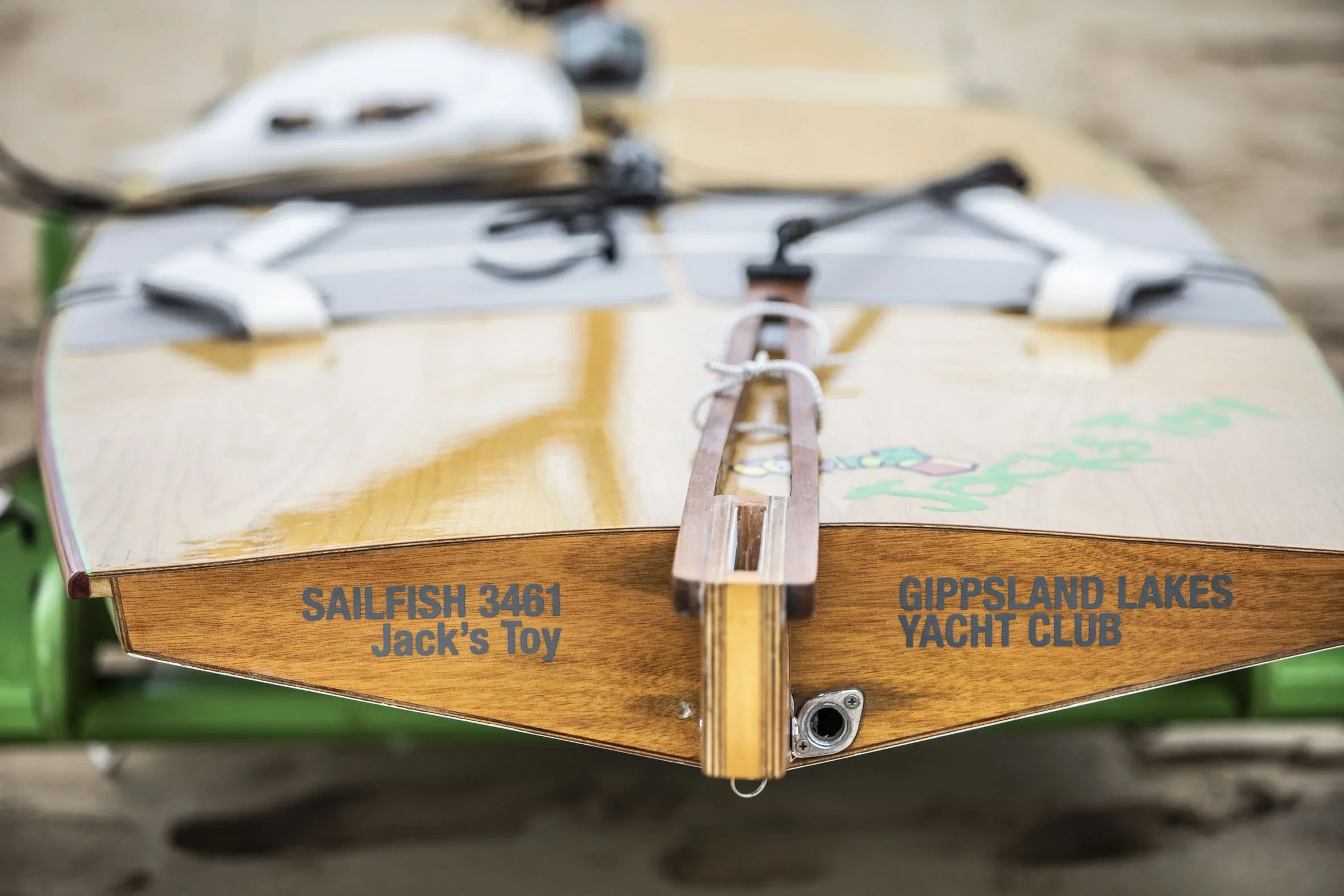
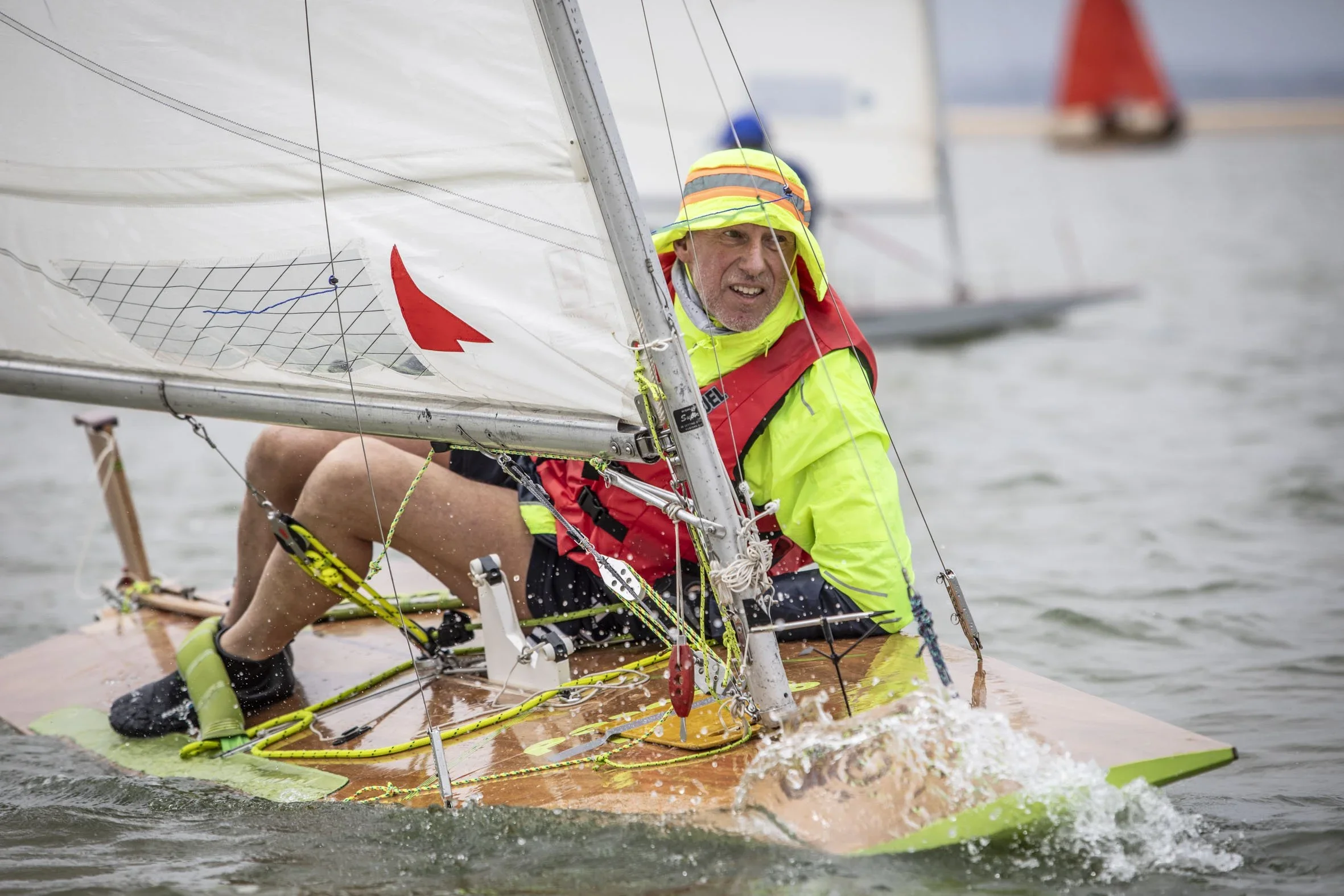
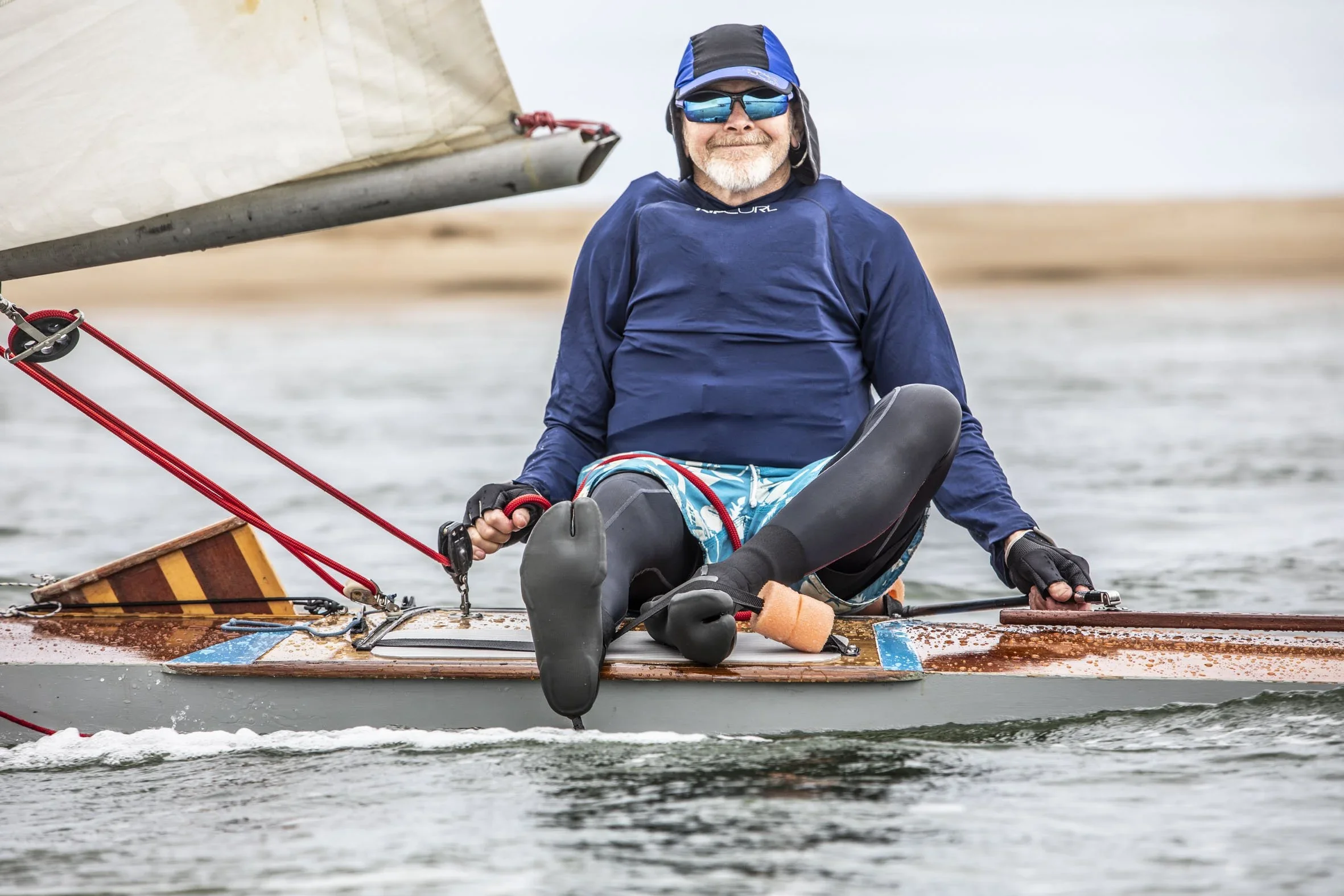
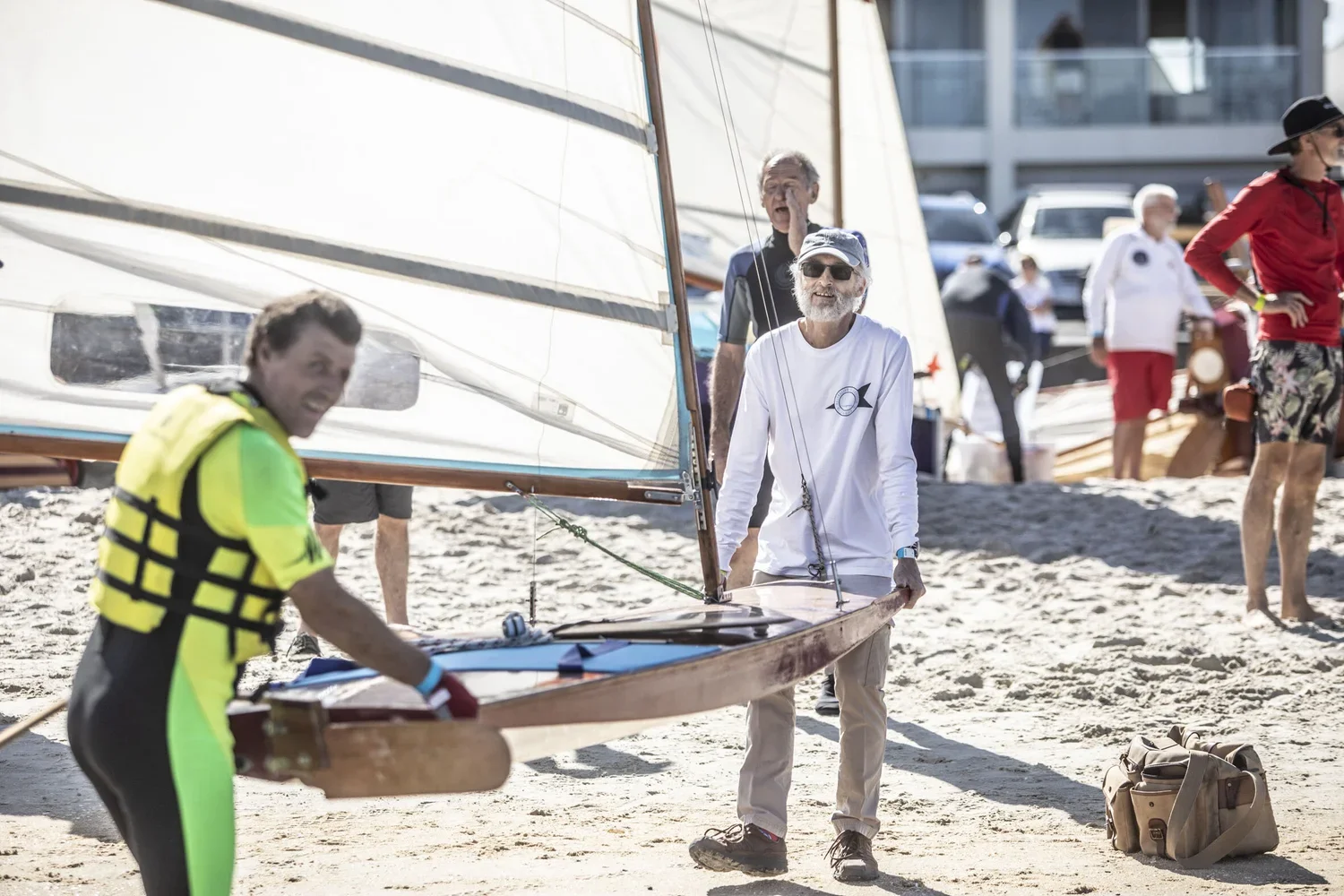
Thanks for featuring the Inverloch Classic Wooden Dinghy Regatta in this edition. This is the 14th year for South Gippsland Yacht Club hosting the event. We are featuring the Sailfish class at this year's regatta. It is 70 Years since Bruce Scott and Jack Carroll designed, built and launched the first Sailfish in 1956. At least 20 Sailfish are expected to attend, some of them coming from Queensland and NSW. There will be a special "Sailfish Day" on Friday 13th Feb (lucky for some?) before the regatta gets fully under way on Sat 14th. All welcome as spectators, helpers and participants.
Leigh McNolty SGYC
So here are some Sailfish pictures from previous regattas at Inverloch to remind you what you might be missing! (click to enlarge)
More information HERE
Biodiversity Beyond National Jurisdiction
This is good news so you probably wouldn’t have found it in your news feed!
After 20 years of negotiation, the High Seas Treaty entered into force last week, creating the first legal framework to protect biodiversity across the 64% of the ocean beyond national jurisdiction. Attention now turns to what comes next: setting up a secretariat, agreeing on funding and benefit-sharing rules, launching a scientific body to propose marine protected areas, and negotiating with fisheries bodies and deep-sea mining regulators. Many question marks remain, but, for the first time ever, high seas conservation sits on a legally enforceable framework.
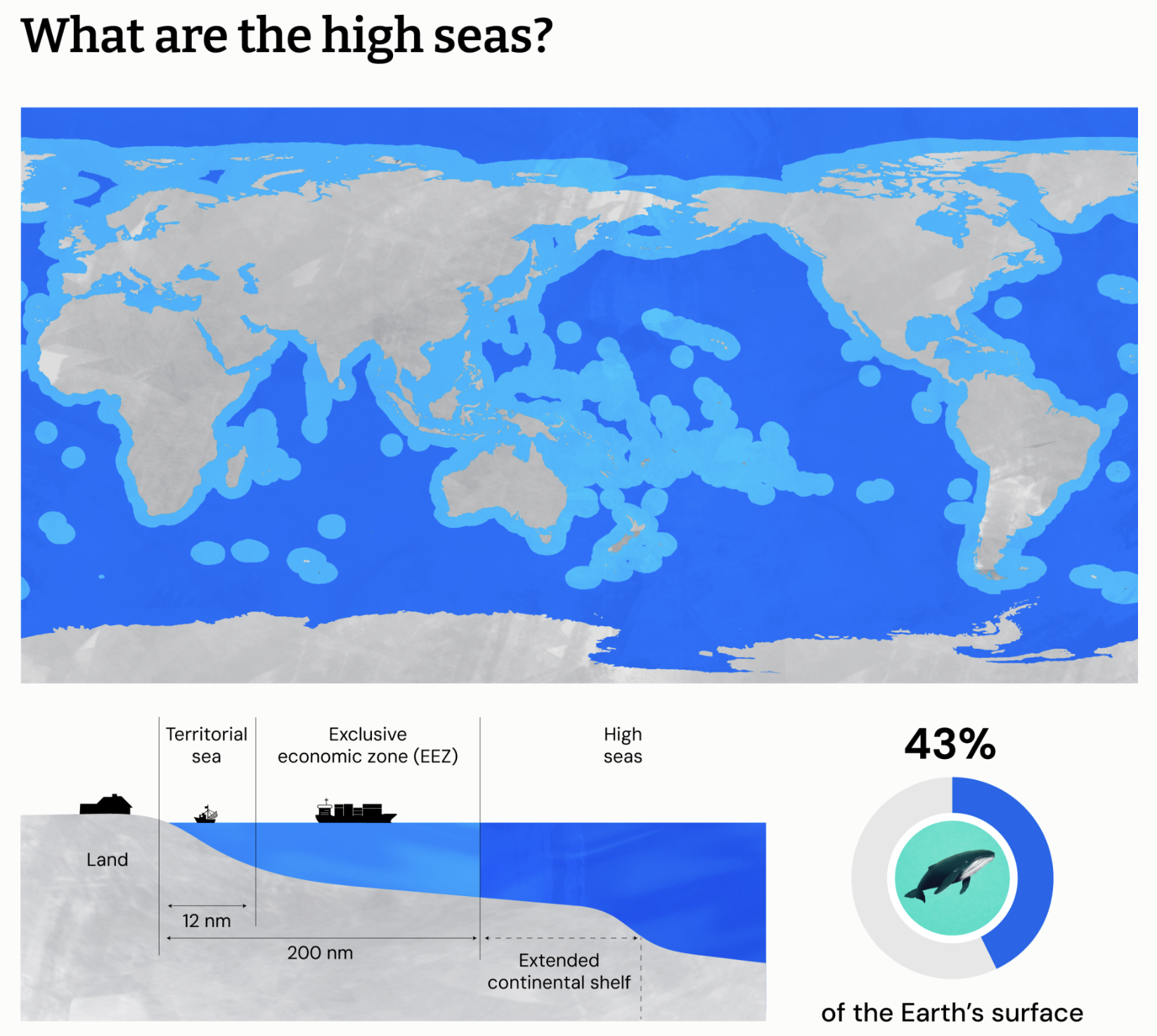
Read about what this means in reality HERE
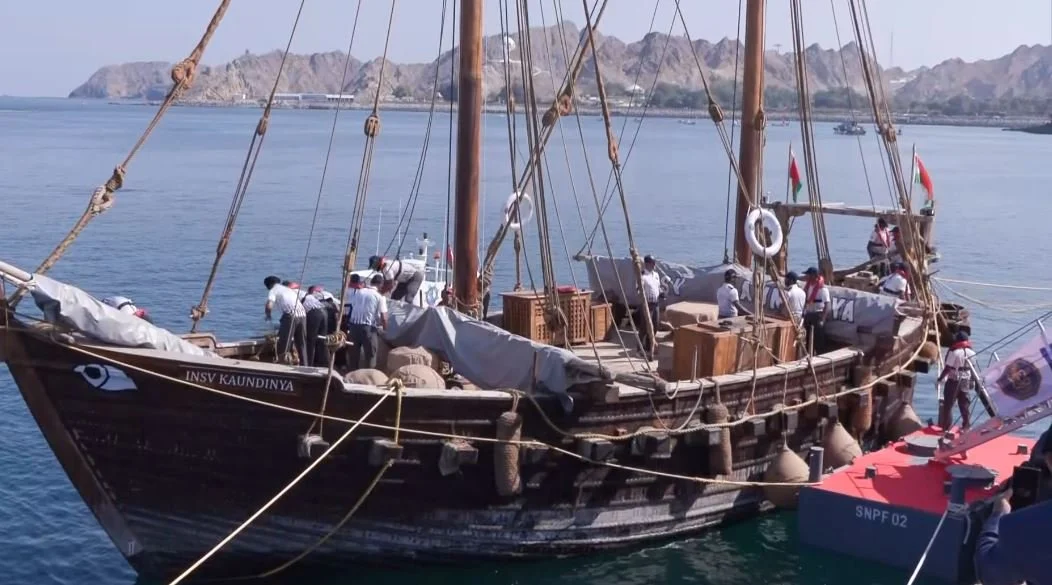
INSV Kaundinya was built without nails or metal fastenings
From the BBC.
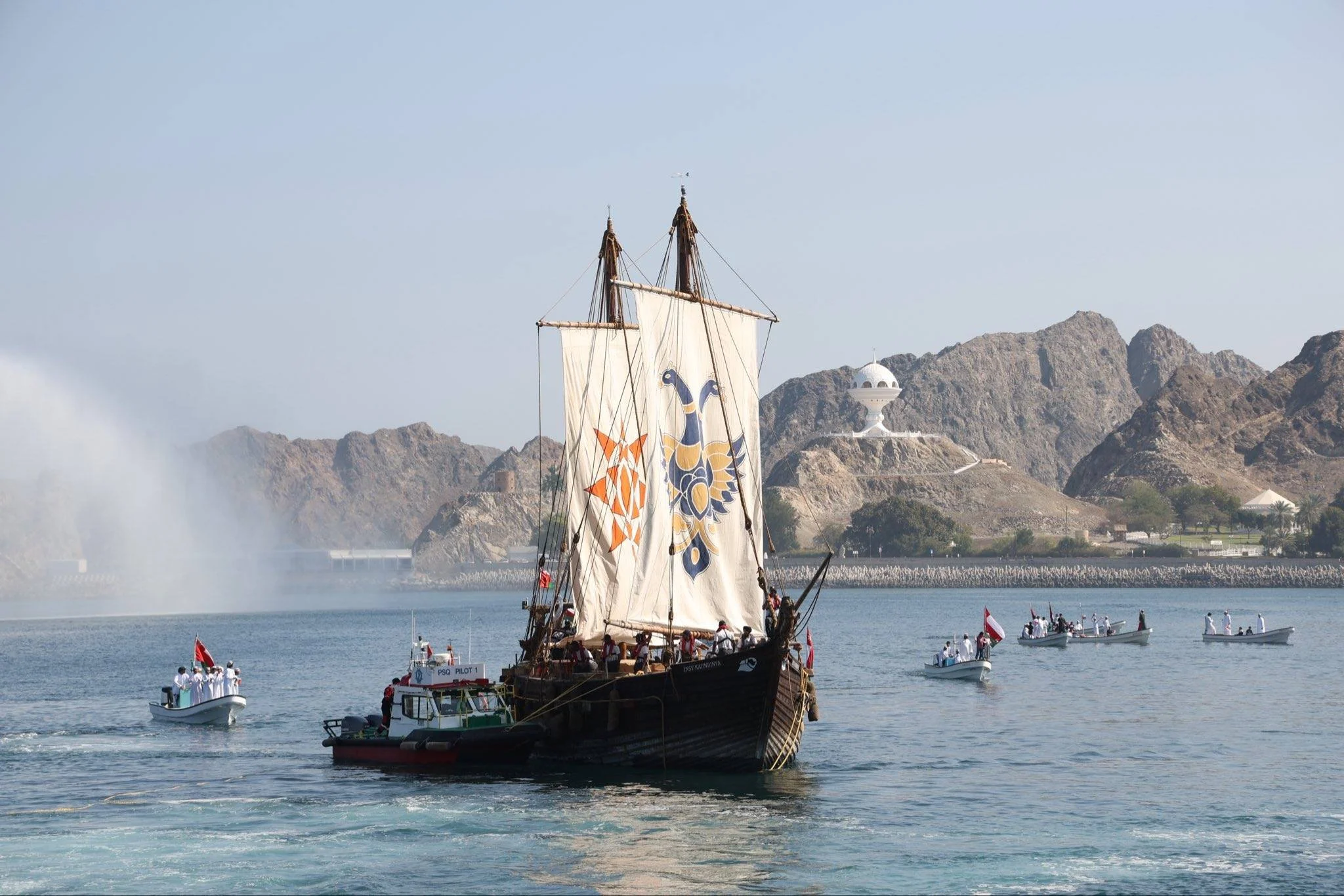
The Indian Navy's hand-stitched wooden sailing vessel INSV Kaundinya arrived in Oman on Wednesday to a water salute after completing 17 days at sea.
The ship began sailing from Porbandar on India's west coast on 29 December and arrived in Muscat, retracing the ancient maritime route that connected India with the rest of the world for millennia.
Named after a fabled Indian mariner who sailed across the ocean to South East Asia, the ship was built using traditional techniques.
Wooden planks were stitched together with coir rope made from coconut fibre and sealed with natural resin. The ship does not have an engine and moves under square sails, helped by favourable winds.
Watch the Video and read on HERE
Bent Star
If you have been to MONA in Hobart, you may remember a sculpture by the Austrian artist Erwin Wurm. It depicts an obese red Porshe Car. Wurm claims that through this series of sculptures, he probes the link between power, wealth and body weight. Hmmmm…

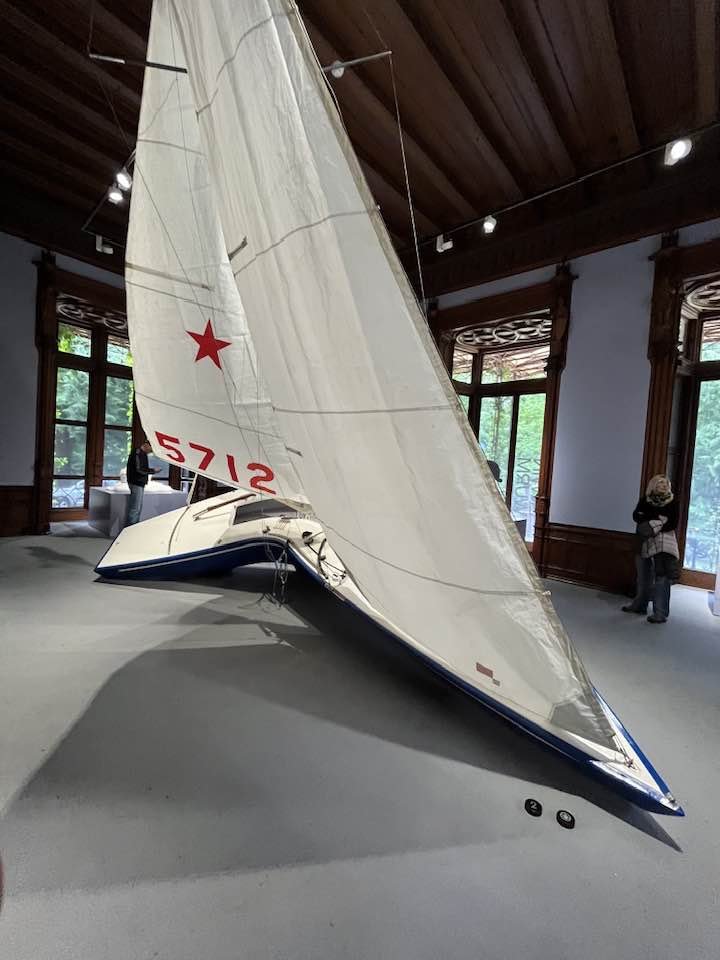
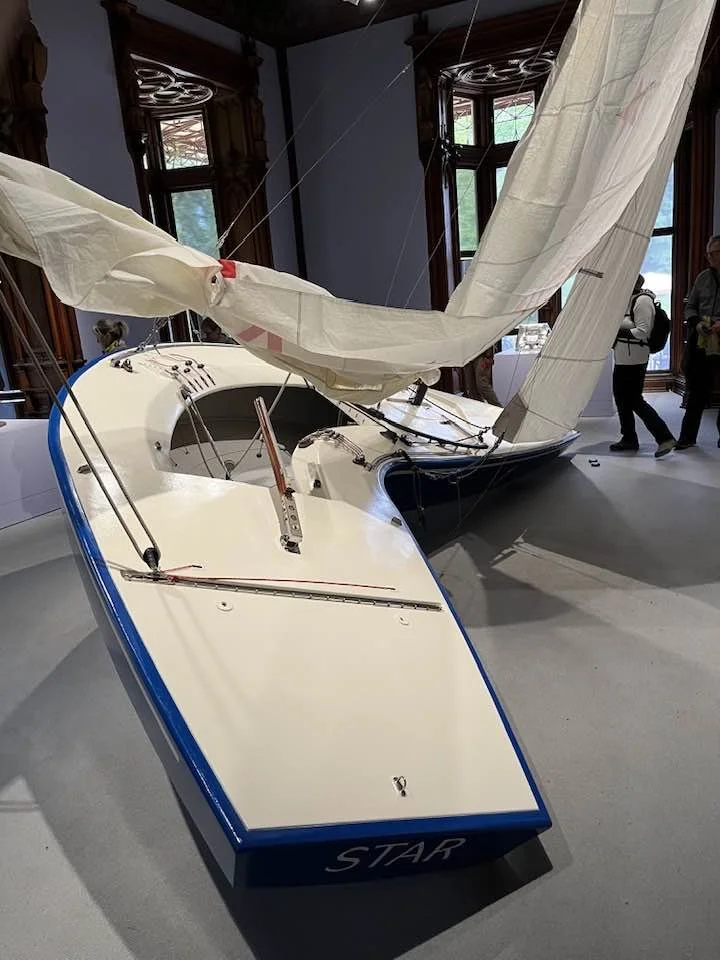
Well one of Wurm’s latest works is a bent sailing boat, titled Star and was finished last year. The piece is a full-size, six-meter-tall Star class yacht, that's dramatically curved in the middle, designed for "going round corners" —essentially, a fully functional vessel meant to sail endlessly in circles…. & from the Gallery’s website ( ! )
“The sculpture is deeply rooted in Wurm's Austrian background. It's inspired by the Salzkammergut resort area in Austria, whose many lakes are popular with pleasure boaters. Beyond its visual wit, the work carries a profound conceptual weight. Perfectly adapted to sailing aimlessly in circles around a lake, it embodies the absurdities and futilities of modern life
The bent boat serves as a metaphor for contemporary existence—fully equipped and functional, yet fundamentally designed for purposeless motion. As Max Hollein, director of the Metropolitan Museum of Art, has observed about Wurm's work more broadly, the artist conveys the tragic aspects of our social condition through suggestive, accessible forms.
Star is currently featured in Wurm's exhibition "Tomorrow: Yes" at Thaddaeus Ropac Paris Pantin (running through April 2026), where it serves as one of two monumental centerpiece installations. The work exemplifies Wurm's career-long interest in challenging sculptural conventions and using humor to probe serious questions about human existence and societal values.”
It’s fun… but who writes stuff like that?!!!
Australia's Notorious Bass Strait was once conquered by two men in a 4.5m dinghy
This story is right up our alley… and the readers must think so too, because half a dozen people must have alerted me to the ABC article. I’m sorry we didn’t get there first, because sometimes ABC journalists can have a knack of turning a great yarn into something slightly less interesting than the Wagga Wagga cattleyard sales results. Thanks to Richard Taylor, David Sharp, Ant Perri and others for passing it on.
By Emily Smith
Stephen Harris readily agrees with those who called him foolhardy.
As he careened down waves "like mountains" on the notorious stretch of ocean separating Tasmania from mainland Australia, he often had the same thought.
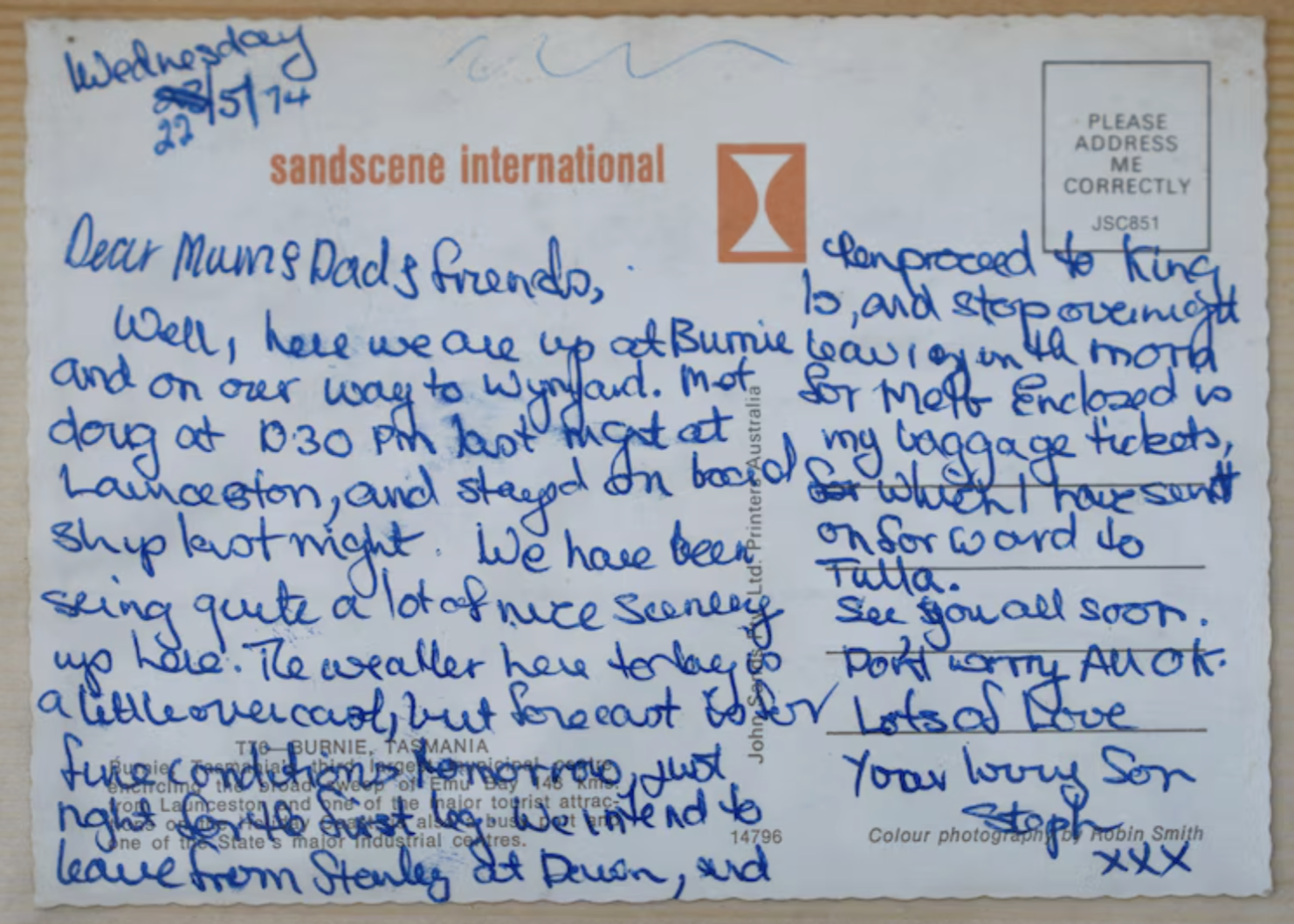
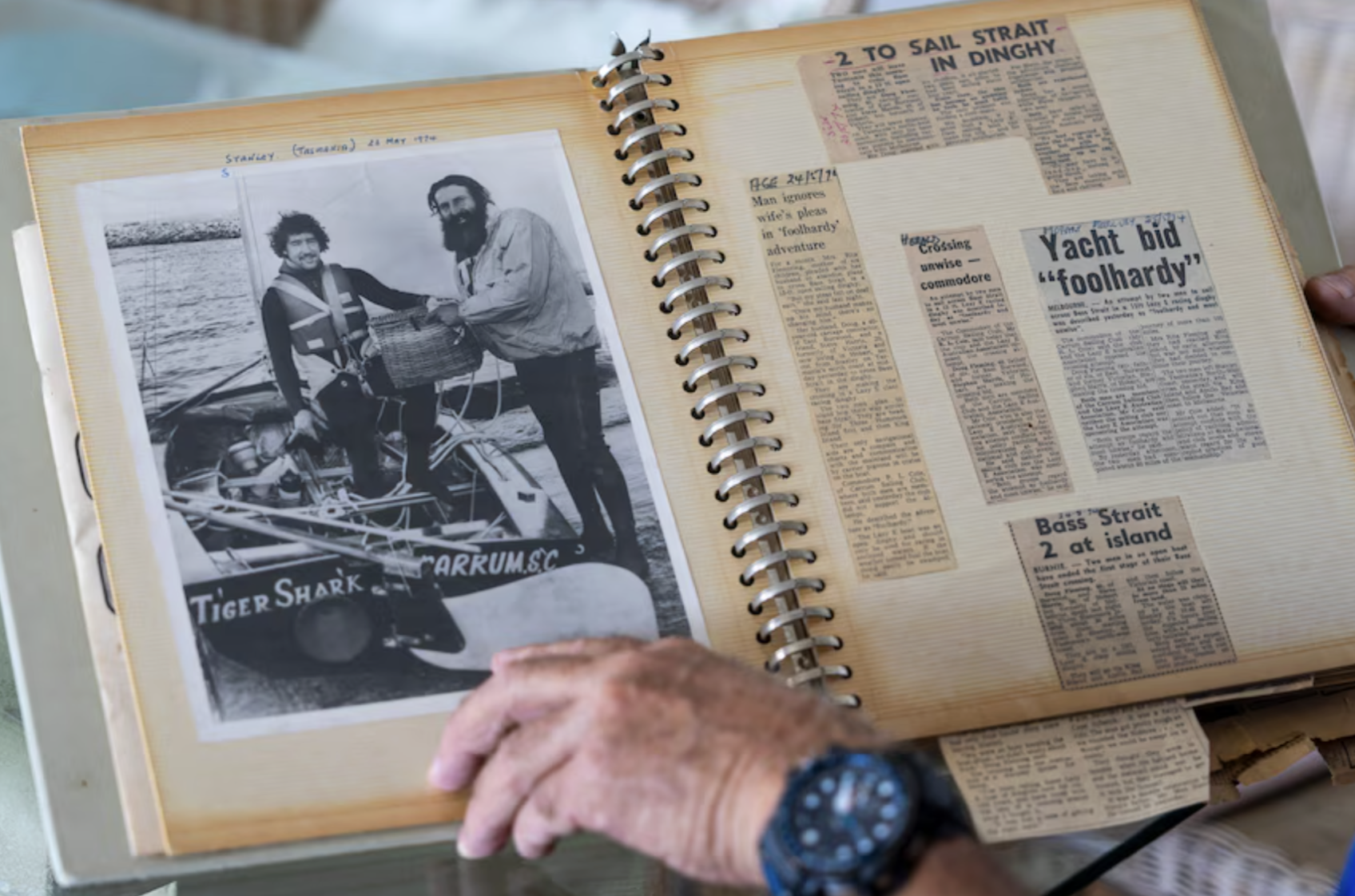
In 1974, Mr Harris, 20, and his friend Doug Fleming, 40, set out across Bass Strait in a 15-foot (4.5-metre) plywood "Lazy E" dinghy.
They were fuelled by lollies and whisky, brought carrier pigeons to communicate and, when they were officially reported missing for almost 40 hours, were publicly criticised by their own sailing club as being "most unwise" and "foolhardy".
Yet they were successful, and Mr Harris believes no smaller boat has made the journey since.
But the story ends in tragedy, with Mr Fleming killed during an attempted repeat only a few years later.
Mr Harris, who watches the Sydney to Hobart yacht race "religiously" each year, still thinks of his friend and the time they too made the epic crossing, as the boats set out on Boxing Day.
Archaeologist sails Viking Replica for Three Years and discovers lost trade routes and Harbours
From Archaeology News online Magazine
After three years and more than 3,100 miles (5,000 kilometers) of sailing in a Viking replica vessel, archaeologist Greer Jarrett from Lund University in Sweden has authored a trailblazing report on Viking seafaring. His work, published in the Journal of Archaeological Method and Theory, suggests that the Viking trade routes were more extensive, decentralized, and offshore than previously believed.
Jarrett’s journey took him from Trondheim in central Norway to the Arctic Circle and back, through the same waters that Viking sailors sailed a thousand years earlier. He conducted his research on a faering, a small square-rigged, clinker-built vessel modeled after Viking Age boats in the Åfjord tradition. His goal: to discover not just where the Vikings went, but how they got there.
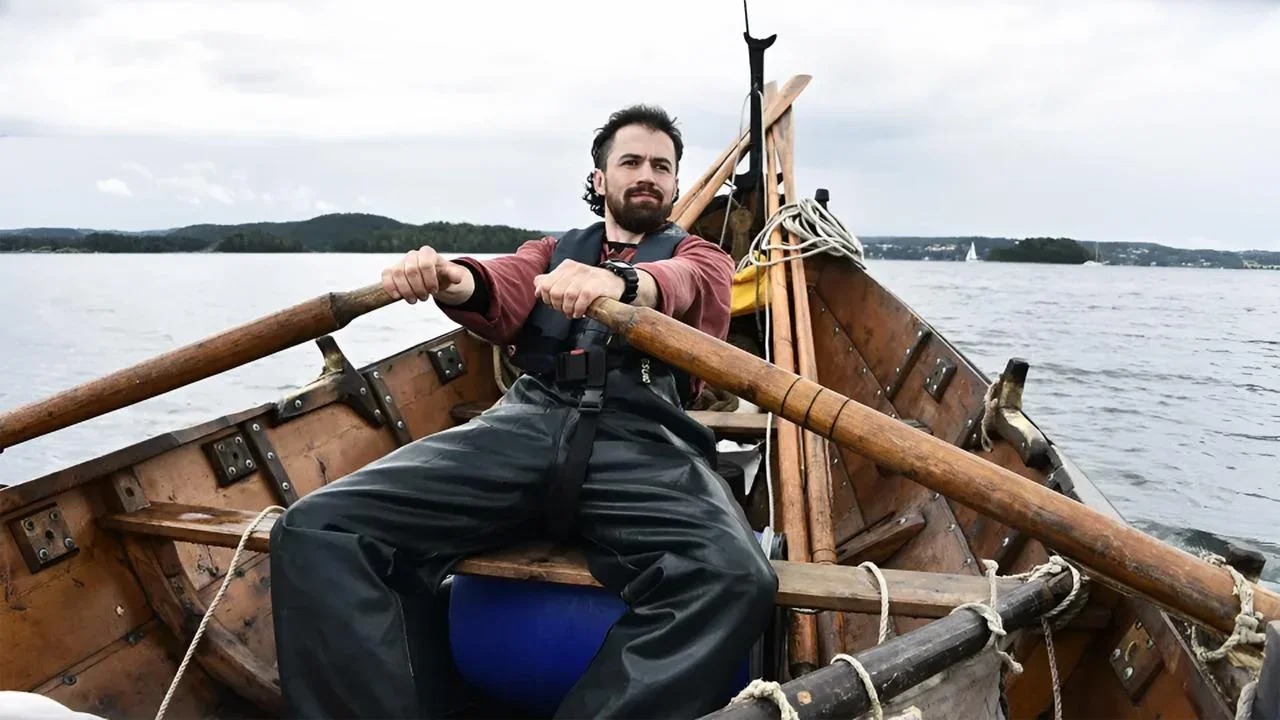
“A lot of the time, we only know about the starting and ending points of the trade that took place during the Viking Age,” Jarrett said in a statement. “My hypothesis is that this decentralized network of ports, located on small islands and peninsulas, was central to making trade efficient during the Viking Age.”
The evidence Jarrett has gathered supports the idea. Blending direct experience and digital modeling of ancient coastlines, he identified four hitherto unknown harbors—what he calls “havens”—along the Norwegian coastline. These locations, more distant out at sea than traditional ports, would have served as crucial maritime meeting points for sailors passing between larger centers of trade like Ribe, Bergen, and Dublin.
Living but not Sailing
I think this a good news story? Perhaps if more unwanted wooden boats become accomodation, then at least they are being cared for and maintained, even if they never go sailing. And in case you were wondering… MARY ROSE is a Clem Masters built, Len Randell designed “Rugged” 25 footer. So she has pedigree!
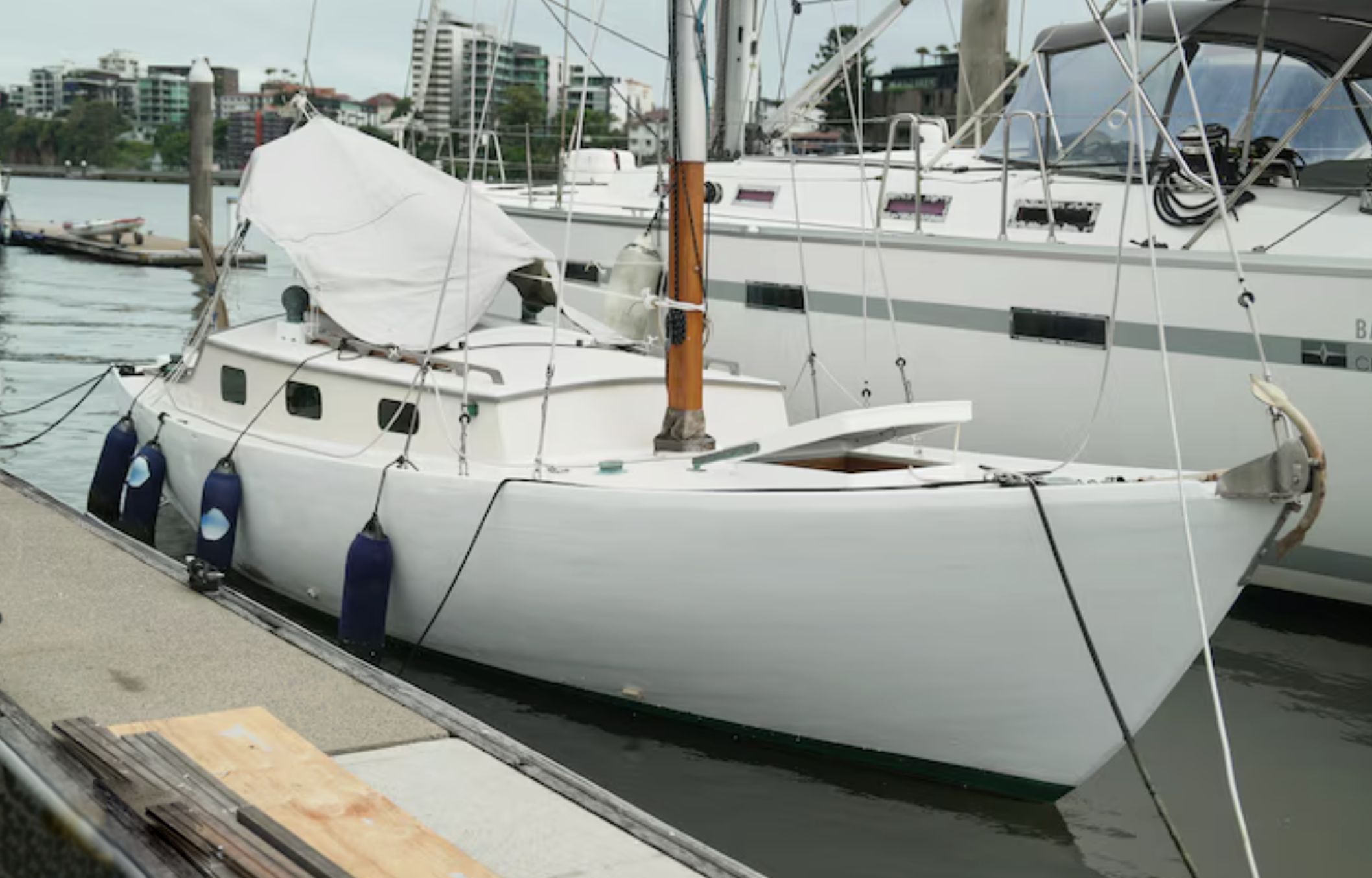
MARY ROSE Clem Masters built, Len Randell designed “Rugged” 25 footer.
Make your own mind up with this article from Jordan Bissel and ABC news.
Jordan Koursaris is living the dream, but his inner-city home looks a little different to the apartments and houses that overlook the Brisbane River.
After getting divorced in 2024, the 40-year-old moved out from his house and into an apartment, before deciding he did not like it.
He then moved alone onto a 1966 boat he bought for $18,500 called Mary Rose.
Mary Rose is moored at one of the 76 berths at Kangaroo Point's Dockside Marina, which Mr Koursaris said costs him $1,455 per month, including power and water.