
1,200+ visitors celebrate classic timber boats at the 2026 Timber Boat Festival
From the Maritime Business News
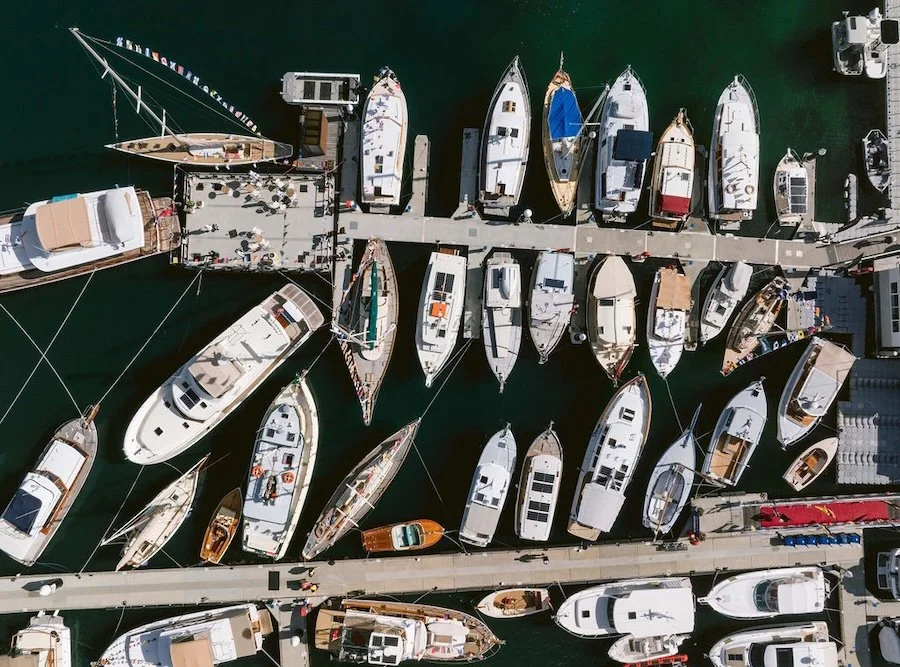
More than 1,200 visitors came to the Royal Motor Yacht Club Broken Bay (RMYC BB) on Saturday 7 and Sunday 8 November for the 2026 Timber Boat Festival, where more than 80 classic timber boats lined the marina.
The fleet showcased more than a century of boatbuilding. Elegant classic yachts and ketches sat alongside nine Halvorsen-built cruisers and yachts, while working boats such as Tasmanian cray boats, a former snapper trawler and a WWII-era army work boat told stories of life on the water. Visitors also admired a 1962 Riva speedboat, an International 8 Metre, a couta boat and a steam launch, as well as newly built boats proving that the craft of timber boatbuilding is very much alive.
First held in 2001 as a one-day event, the festival now runs over two days with both onshore and on-water exhibitions. This year it was also part of RMYC BB’s centenary celebrations. Founded in 1926, the Club officially opened its transformed waterfront clubhouse in June 2026, and festival-goers made the most of its new rooftop and dining area, with panoramic views over Scotland Island and Pittwater.
The oldest boat on display was Heartsease, a 50 ft yacht built by Charles Bailey Jnr, which is celebrating 130 years and went on to be named Best Boat in Show. She was joined by Utiekah II, a Bermudan cutter from 1911, and a Penobscot-design canoe from around 1912, while MY Martindale, a 66 ft ketch built in 1932, showed the grandeur of the era.
The biggest boat was Goolara, a 66 ft 11 in passagemaker built in 1956 by the Maritime Services Board of NSW, and the smallest was Mary Jean, a 12 ft Australian Cadet skiff built in Hobart in 1982. The youngest was Vera, a mahogany barrelback modelled on the runabouts of the late 1930s, which Rod Stendrup began building in 2019 and completed in January 2026.
World’s oldest shipwreck discovered off coast of Turkey
Last week we brought you news of Australia’s earliest recorded shipwreck. This week in The Conversation. Karin Sowada, Senior Lecturer in Archaeology and Director of the Australian Centre for Egyptology at Macquarie University tells us about what might well be the oldest shipwreck in the world!
There’s little left of the ship itself but based on clues from its cargo – including pottery vessels – a research team I was part of has tentatively dated the wreck to around 2700–2400 BCE.
That’s about 4,500 years ago. Prior to this discovery, the world’s oldest shipwreck was a wreck off the coast of Dokos, in Greece, thought to have been from about 4,200 years ago.
Much work remains to be done to finesse the conclusions, and a paper outlining the results is yet to be published in a peer-reviewed journal. Yet the discovery could transform our understanding of ancient Mediterranean connections during the Early Bronze Age.
Here, and perhaps even earlier, lie the foundations of extensive trade routes as we know them today.
Associate Professor Hakan Öniz of Akdeniz University, Antalya, has worked along this coastline for decades excavating ancient shipwrecks.
Acting on clues from local seafarers, Öniz found a shipwreck in shallow waters off Kekova, west of Antalya in Turkey, in 2024. Earlier this year, he contacted me and asked if I would help date some of the pottery vessels found on this wreck.
Join the fleet for the Centenary Cup
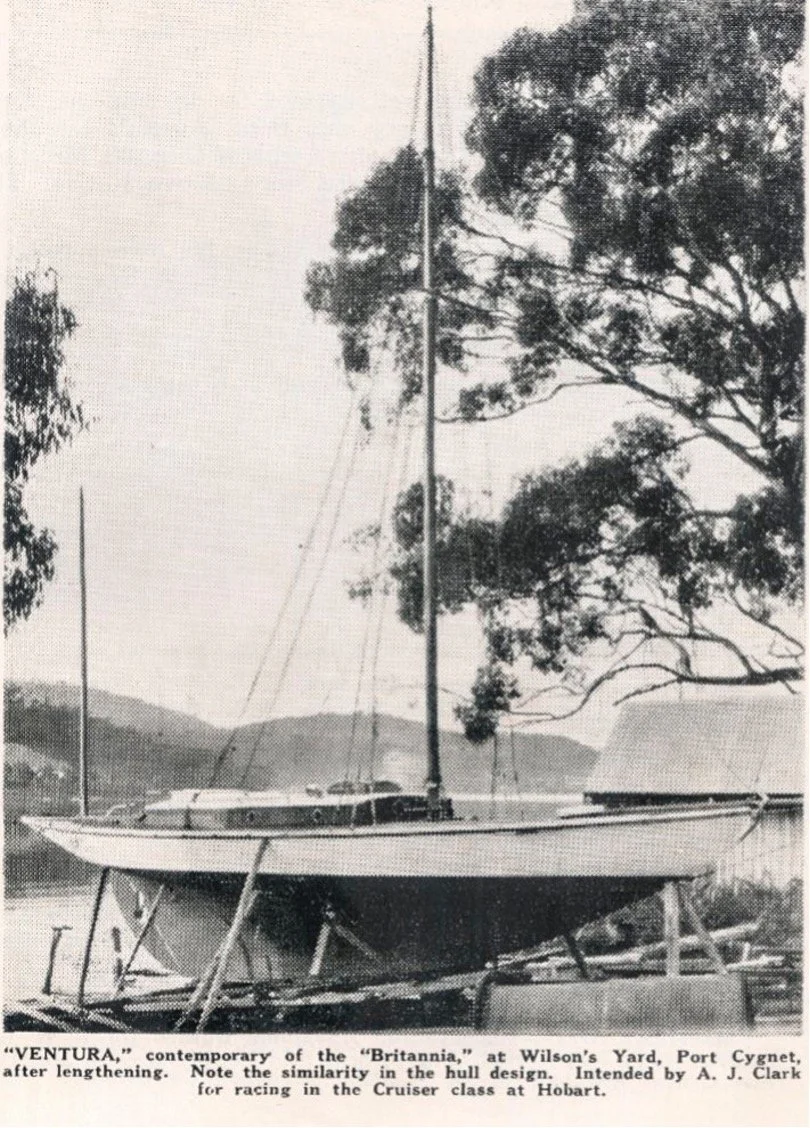
Royal Prince Edward Yacht Club invites you to race for the Centenary Cup on Wednesday 18 November. Sailed with Race 7 of our Wednesday Series, the regatta celebrates the club’s first hundred years, and every boat on the harbour that afternoon is part of the story. This year you’ll share the start line with a birthday girl. Ventura, a G. L. Watson design launched in Tasmania on 18 November 1893, turns 133 on Centenary Cup day. A smaller sister to the royal cutter Britannia, she was rescued in 2011 by her first owner’s great grandson for half a dozen bottles of champagne and rebuilt over four years.
The Wales that Wouldn’t Wander
From this month’s edition of National Geographic
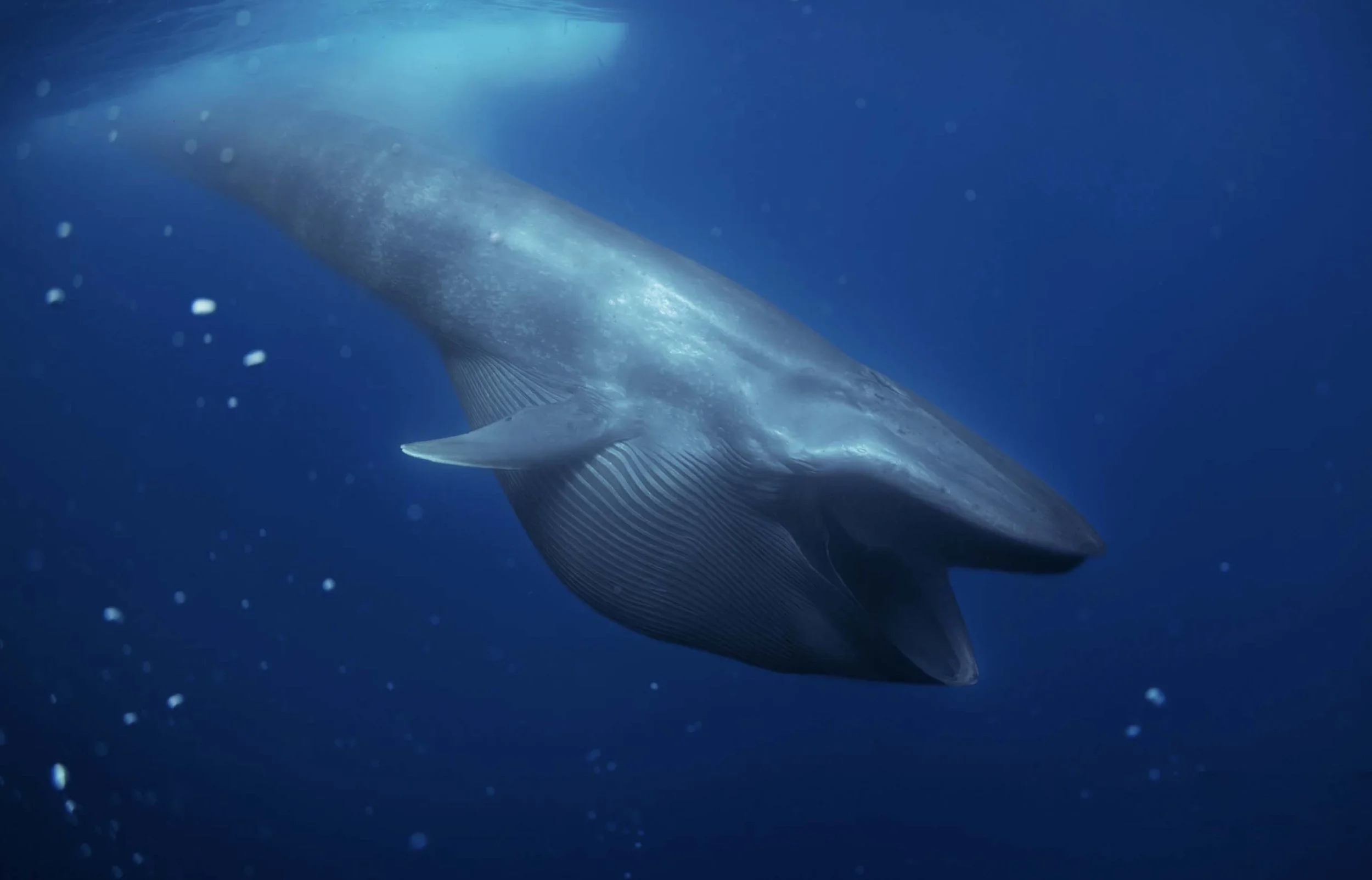
There it hovered, off the west coast of New Zealand, like an unsheathed tube of toothpaste beneath the cobalt surface of the Tasman Sea. “Looks like it’s on its side,” one of the hunters, Dawn Barlow, said, aboard an idling boat. “It’s got a full mouth. Nice, slow surfacing.” She added, “Right here, bud,” trying to coax it up.
“I think he’s clearing his buccal cavity,” the boat’s driver, Leigh Torres, said. This was a pygmy blue whale, which sounds like an oxymoron. Blue whales are, of course, the largest animals on the planet—the largest creatures, so far as we know, that have ever lived. A pygmy blue is small in the same way that LeBron is not Shaq. They are a subspecies of blue whales and compete with fin whales for the title of second largest animals, some stretching nearly 80 feet long and weighing upwards of 80 tons. Their buccal cavities—their mouths—can hold a lap pool’s worth of seawater. Straining that many gallons through baleen takes a while.
And so the hunters waited. For the past half hour, I’d watched as they zigzagged after their prey, which they called Chop Top, owing to a notch on its dorsal fin. They chased the sporadic blowhole geysers with shouts of “four o’clock” or “10 o’clock,” followed by a torquing of the wheel and a revving of the outboard, only to arrive belatedly at a so-called flukeprint, a boat-size patch of water that seemed briefly impervious to turbulence.
Now that its pursuers were finally within shooting range, though, the whale seemed to decide against taking a breath. It began sinking out of view without exposing its chopped top.
Aussies Go Full ‘Mad Max’ for Yacht Recovery
From the Peter Swanson’s Loose Cannon Substack Page
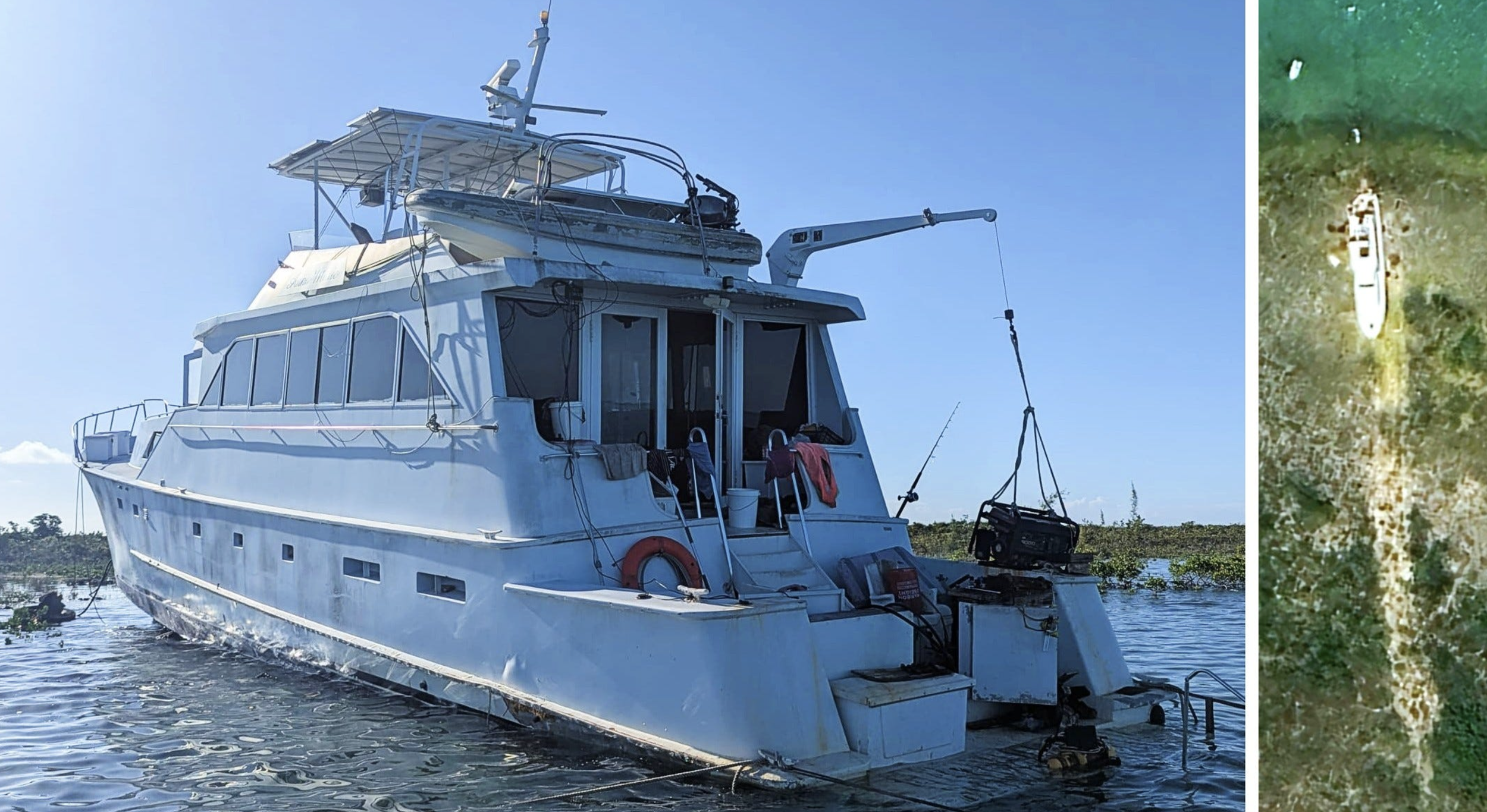
Seven years have passed since Hurricane Dorian grounded their 89-foot motoryacht on an isolated, hardscrabble shore along the Bight of Abaco. Loose Cannon has been covering an Australian couple’s stubborn campaign to refloatAnna Marie since the beginning.
And by doing so, became the biggest cheerleader for this “epic self-salvage effort.” Yet, we were having our doubts. Those doing the proverbial heavy lifting—Geoff Bradley and Jenny Kelly—are both in the 60s, and Bradley had been limping around on bad hips.
So, Loose Cannon’s most recent approach to them was hedged in terms of “have you two given up yet because it’s okay if you have, etc.?”
Oh, me of little faith. Once we connected, I learned that they had been amused by my doubts, considering that they had entered a new phase of progress and—knock on aluminum—imminent fruition. For one thing, surgeons back in Australia had replaced both of Bradley’s hips, and he is feeling fine, he says.
When Wooden Boats are not Recreational
From the BBC
At least 39 people have died (this week) after a boat carrying migrants sank off the coast of Senegal, the Senegalese Press Agency (APS) reports.
The interior ministry said one person had been rescued, but the number of people still missing was yet to be established. The small wooden boat capsized between the capital, Dakar and the northern city of Saint-Louis, as it headed towards Spain's Canary Islands.
Spanish migrant rights group Walking Borders recorded 635 deaths on the Atlantic route to the Canary Islands between January and May 2026, the highest toll among the routes it monitors.
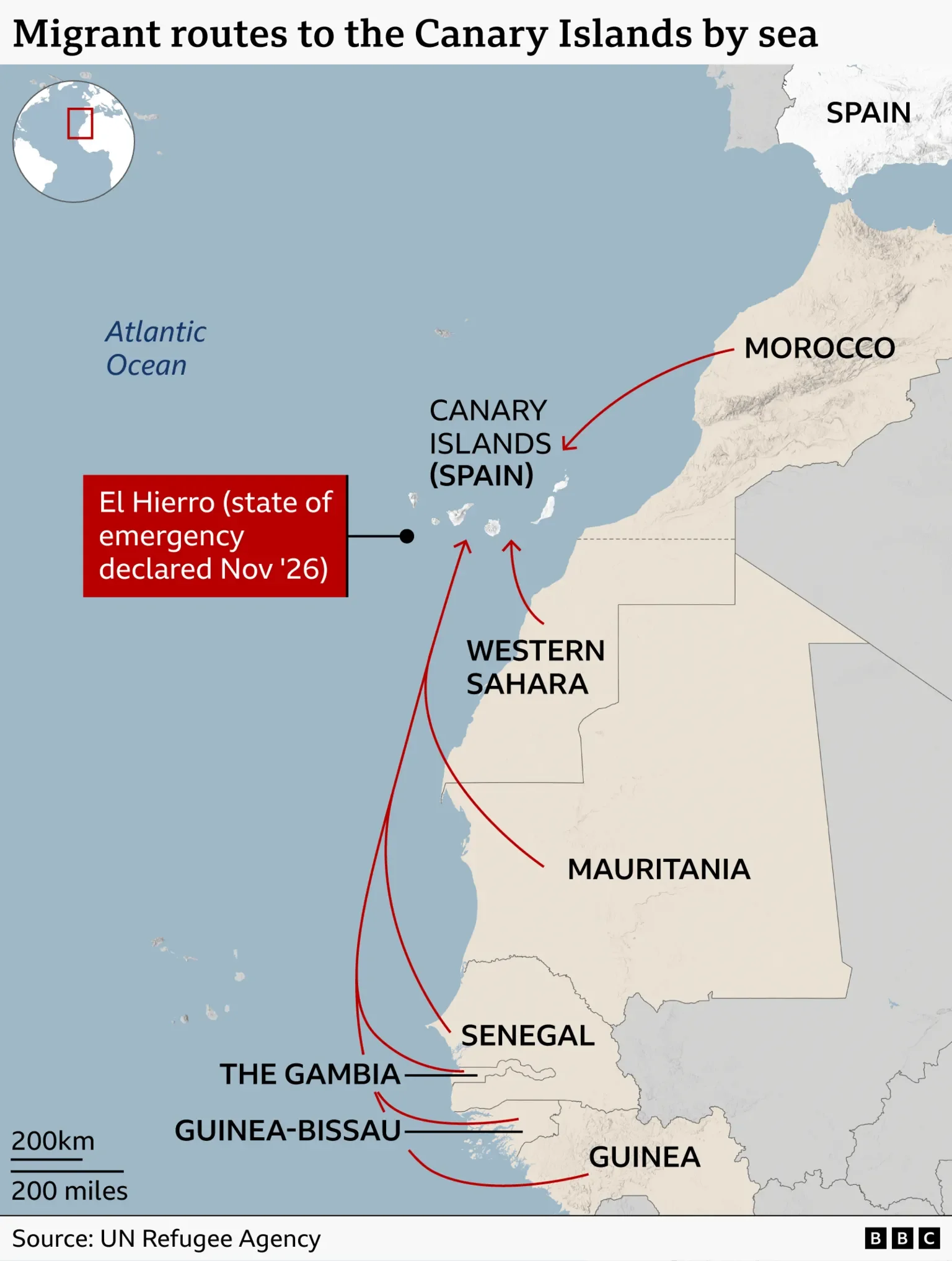
Walking Borders estimates that about 21 people died for every 100 who reached the Canary Islands during the period it monitored. Senegalese authorities said they had intercepted another boat, on Friday, carrying 142 migrants attempting to reach Spain. Those on board included 23 women, two babies and two other children. Police said the group comprised nationals of Senegal, Gambia, Guinea-Bissau, Guinea and Nigeria. Meanwhile, a state of emergency was declared on the Spanish island of El Hierro on Saturday following a surge in migrant arrivals. More than 3,300 people have reached the island in about 30 boats since the beginning of November, according to local authorities.