
One, Out of One Hundred and Seven
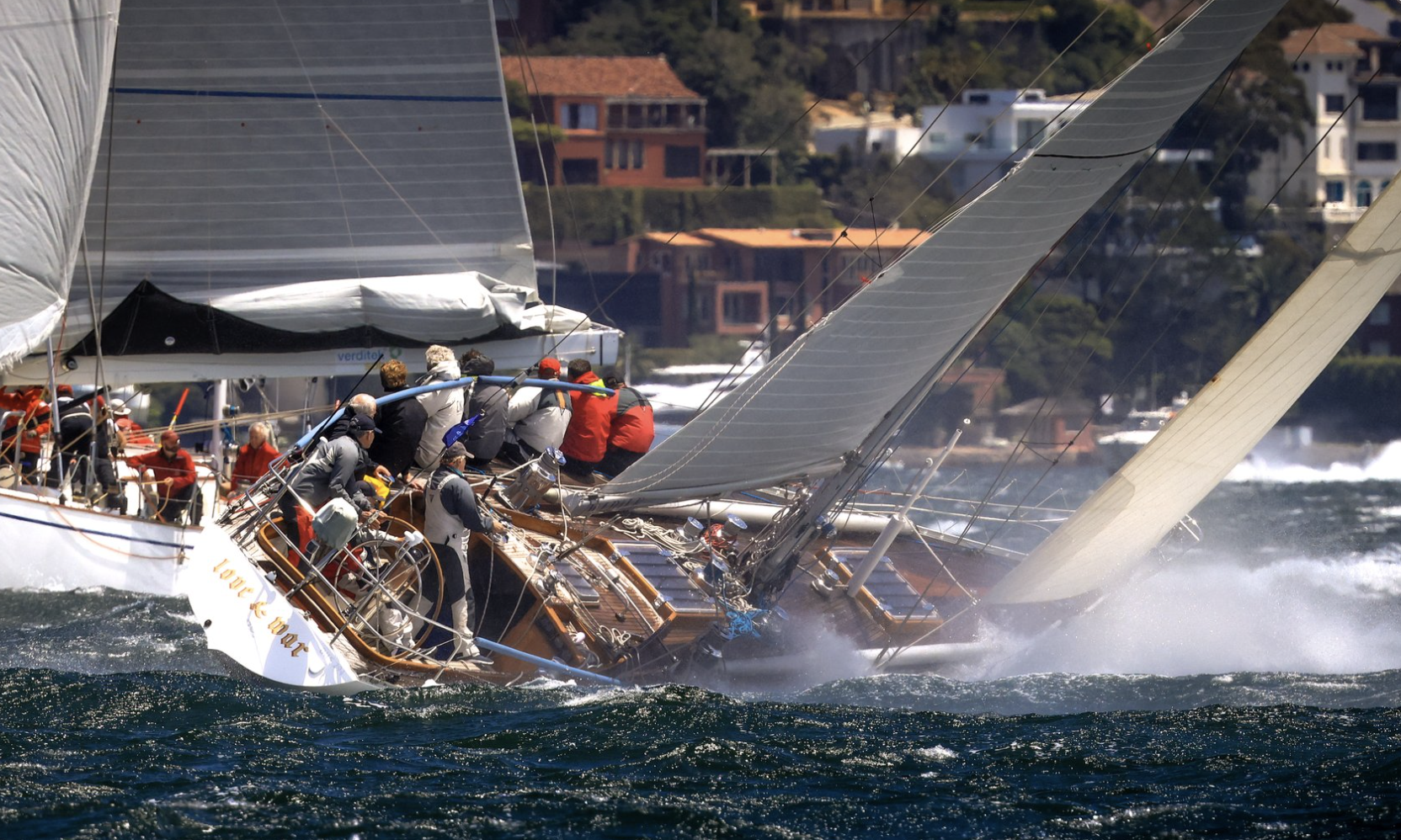
Unless I’ve missed something, I think that this year marks the smallest number of Wooden Boats EVER entered in the Sydney-Hobart in its 81 year history. I guess that we shouldn’t be surprised, but its sad to see the carbon and plastic shells finally eliminating the beauty of timber from the great race.
But at least the one wooden boat entered is a legend… and always in with a chance!
Full list of entries HERE
FAR, FAR AWAY
We loved this free article from the New York Times… It’s not really about boats… but when you live on a tiny Island in the middle of the South Atlantic, then everything is sort of about boats!
Far, Far Away
Making a home on the world’s most remote inhabited island.
By Nick Schönfeld. Photographs by Julia Gunther
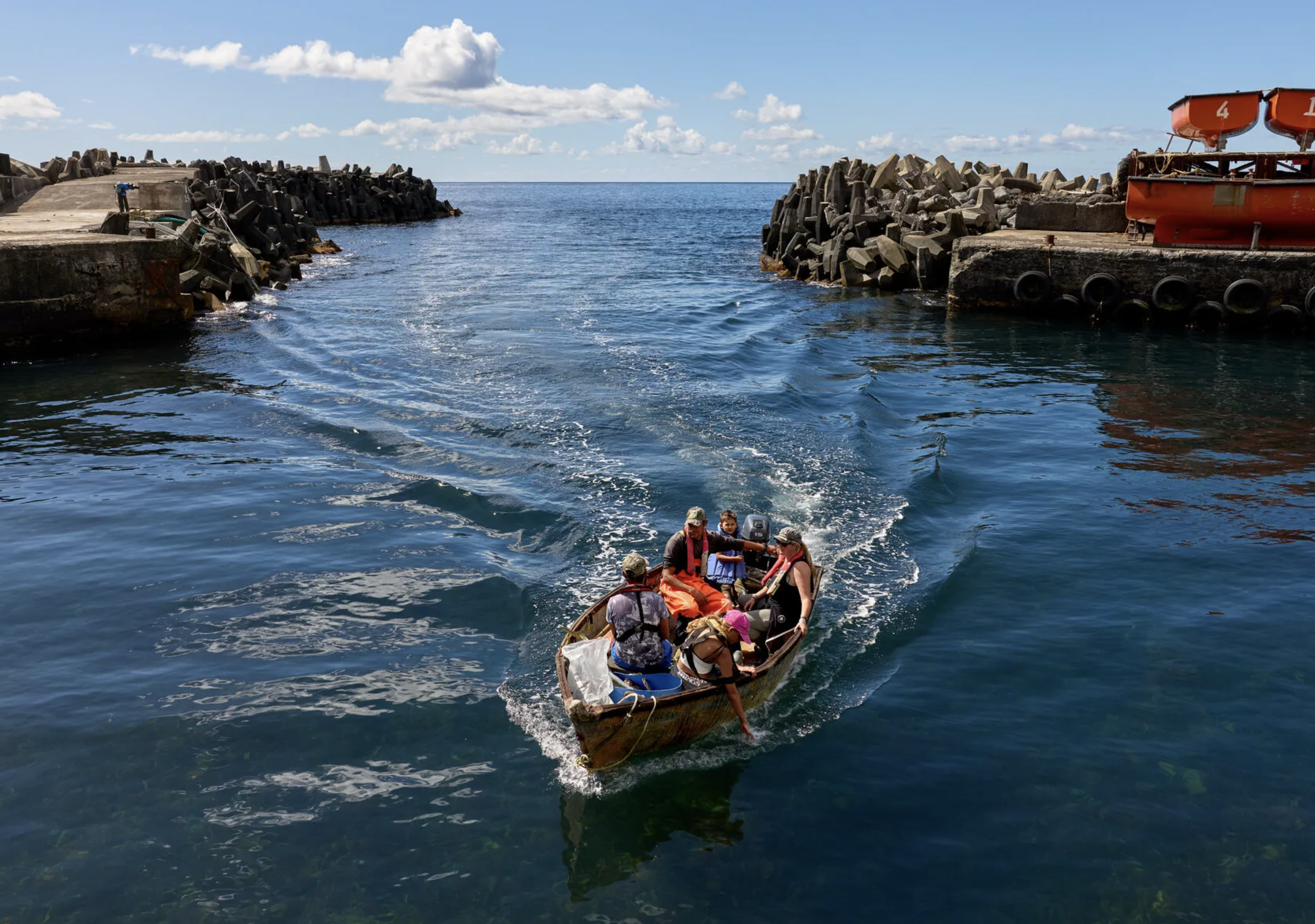
To reach Tristan, roughly halfway between Africa and South America, Kelly Green crossed 1,738 miles of the South Atlantic from Cape Town aboard the M.V. Edinburgh, a 205-foot lobster boat. She had never been to sea before, and she worried about seasickness, but it never came.
After a week at sea, the ship dropped anchor off Calshot Harbour, in front of Tristan da Cunha’s only settlement — Edinburgh of the Seven Seas. Its two small piers, jutting into the water, looked to Kelly like arms reaching out to welcome her.
Kelly could see most of the island’s residents (then 264 people) waving, including her mother and father, Marina and Sean Burns. Her father had been sent to the island, a British Overseas Territory, to serve as its administrator. He persuaded his reluctant 22-year-old daughter to visit, though Kelly, living in Britain, was more interested in clubs than remote islands. Kelly remembers him saying: “You have to come out, because you’ll never get the chance again.”
Much Better than Left & Right
Thanks to UK Sailmakers for this succinct little gem of information. There are bits of it that I hadn’t realised…. and I’m a sailing nerd!
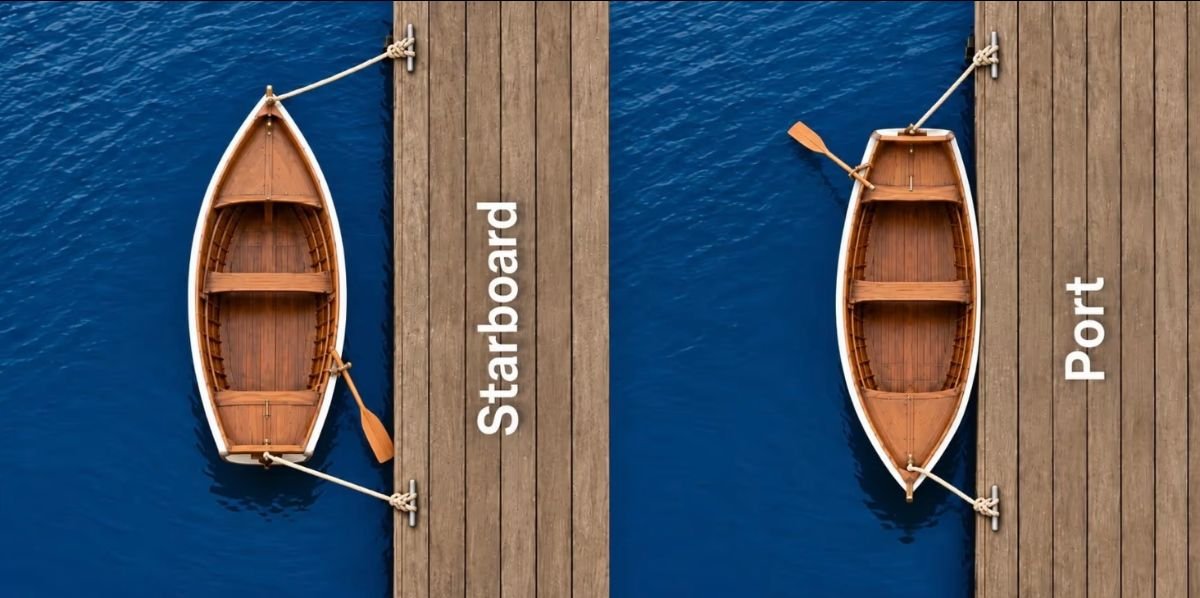
Many years ago before the development of centerline rudders, boats were steered by a long oar hanging off the aft right quarter of the boat. Starboard comes from the Old English “stéor” (meaning steer) and “board” (meaning “the side of the boat.”) Eventually, the two words combined into starboard meaning the right side of the boat.
But where did the term port come from? With the steering oar fixed on the starboard side, pulling the boat alongside a pier to starboard risked damaging the steering oar. As such, sailors would tie up with the steering oar outboard. That meant they were left side to the dock for loading. The Middle English “lade,” meaning to load cargo, combined with “board,” designating side to become “larboard.” A problem arose as starboard and larboard sound alike creating confusion.
Because the left side of a boat would be dockside in port, the British Navy in 1844 replaced “larboard” with “port.” The U.S. Navy followed suit in 1846 and now port and starboard are common vernacular.
Jobs in Sailing
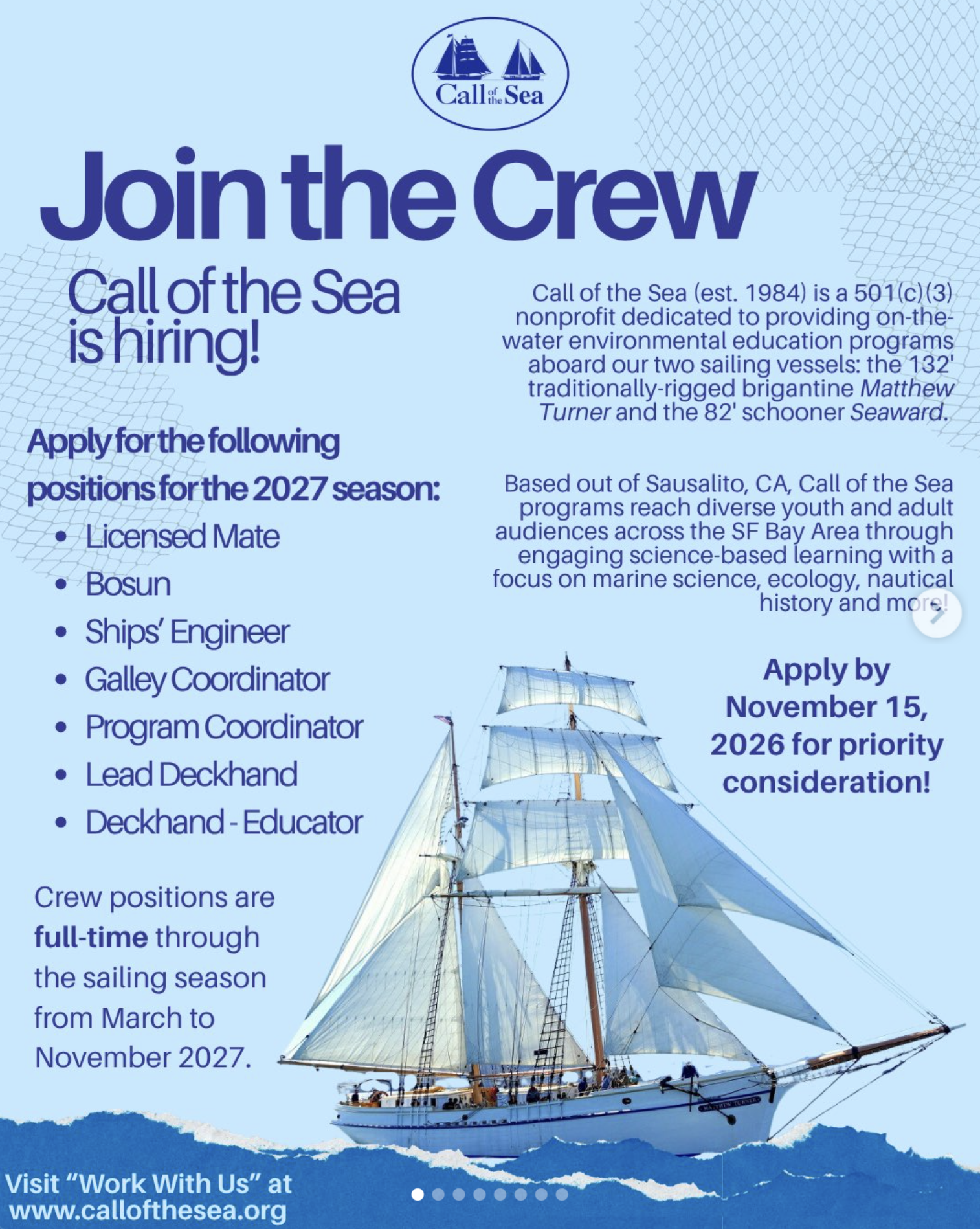
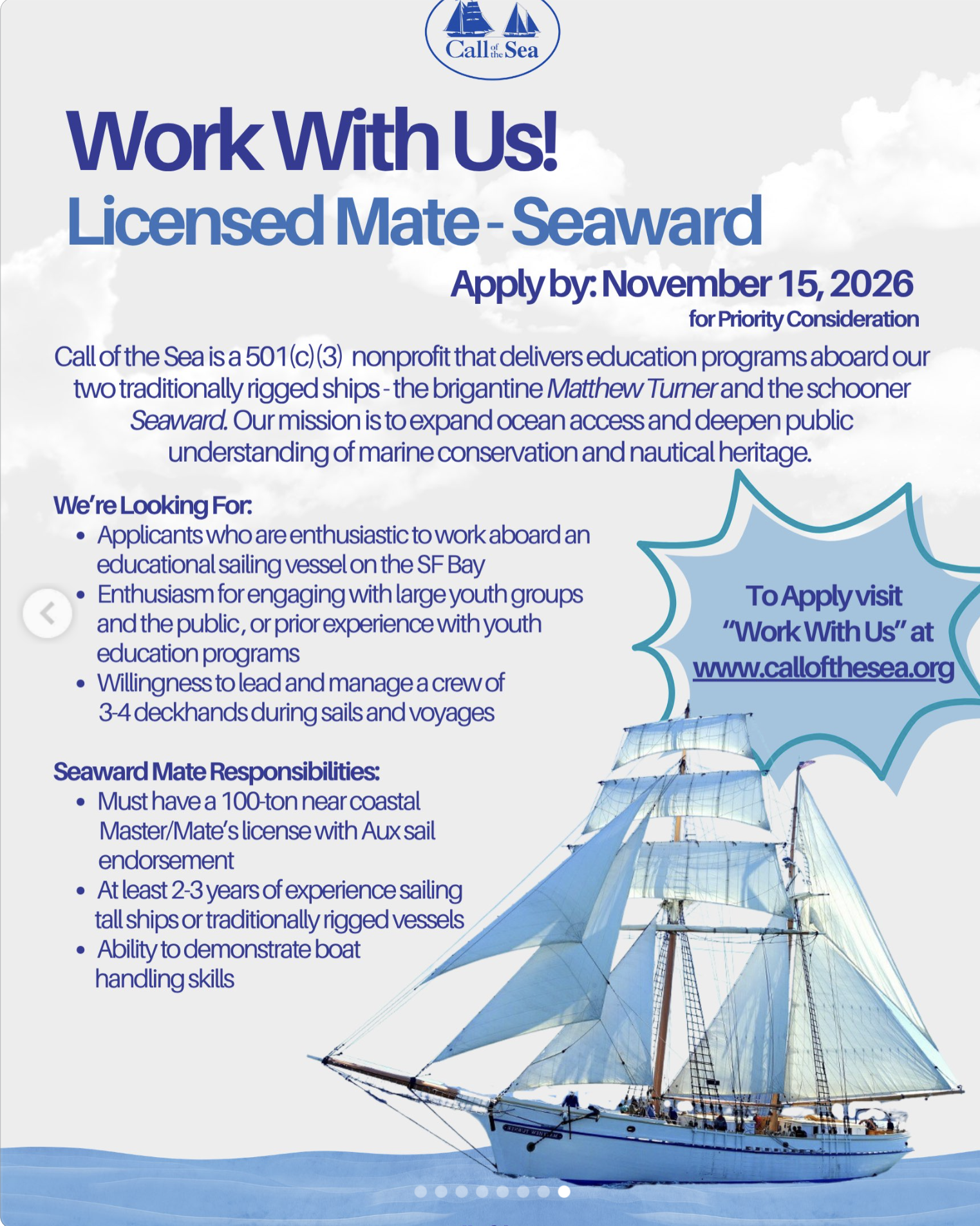
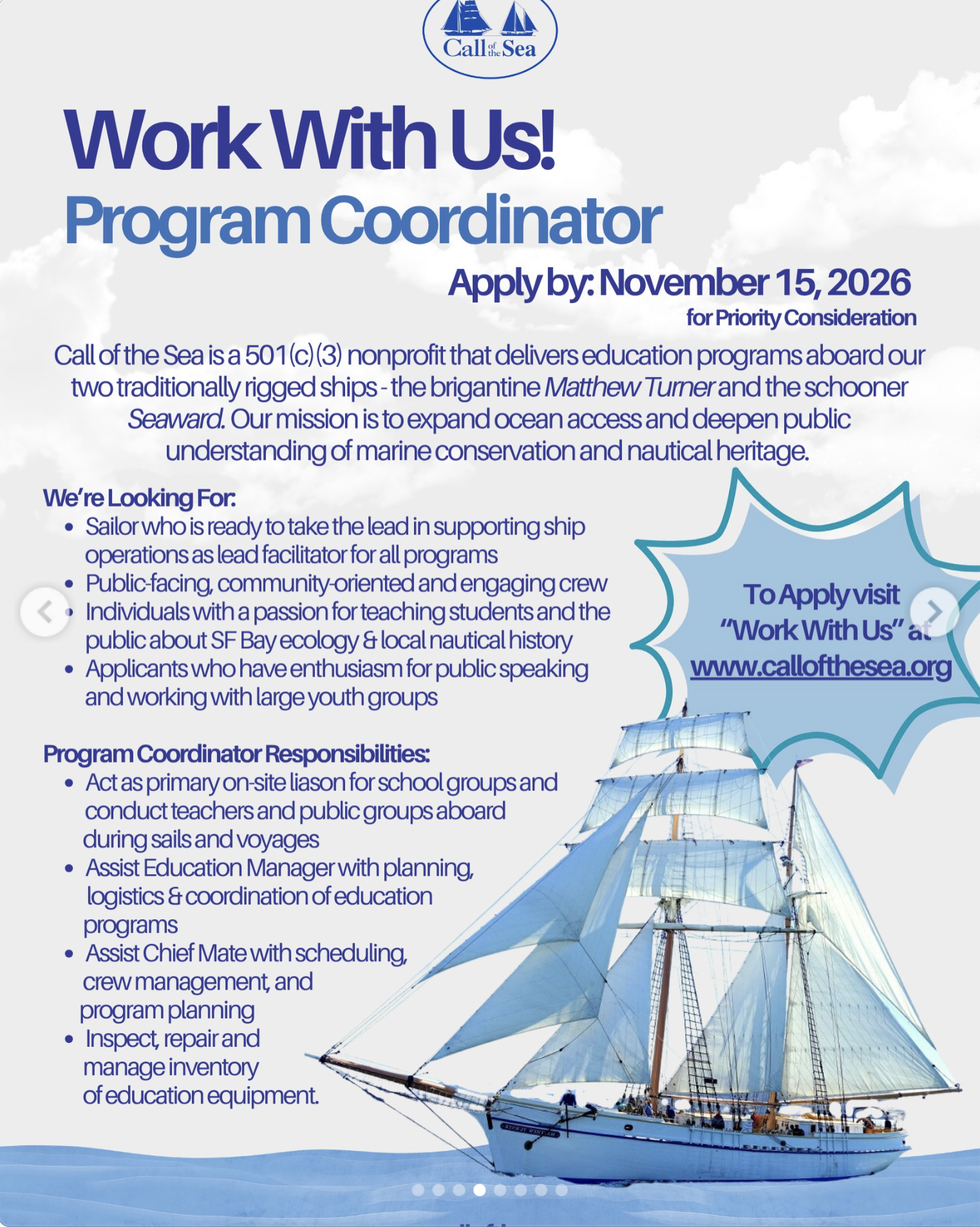
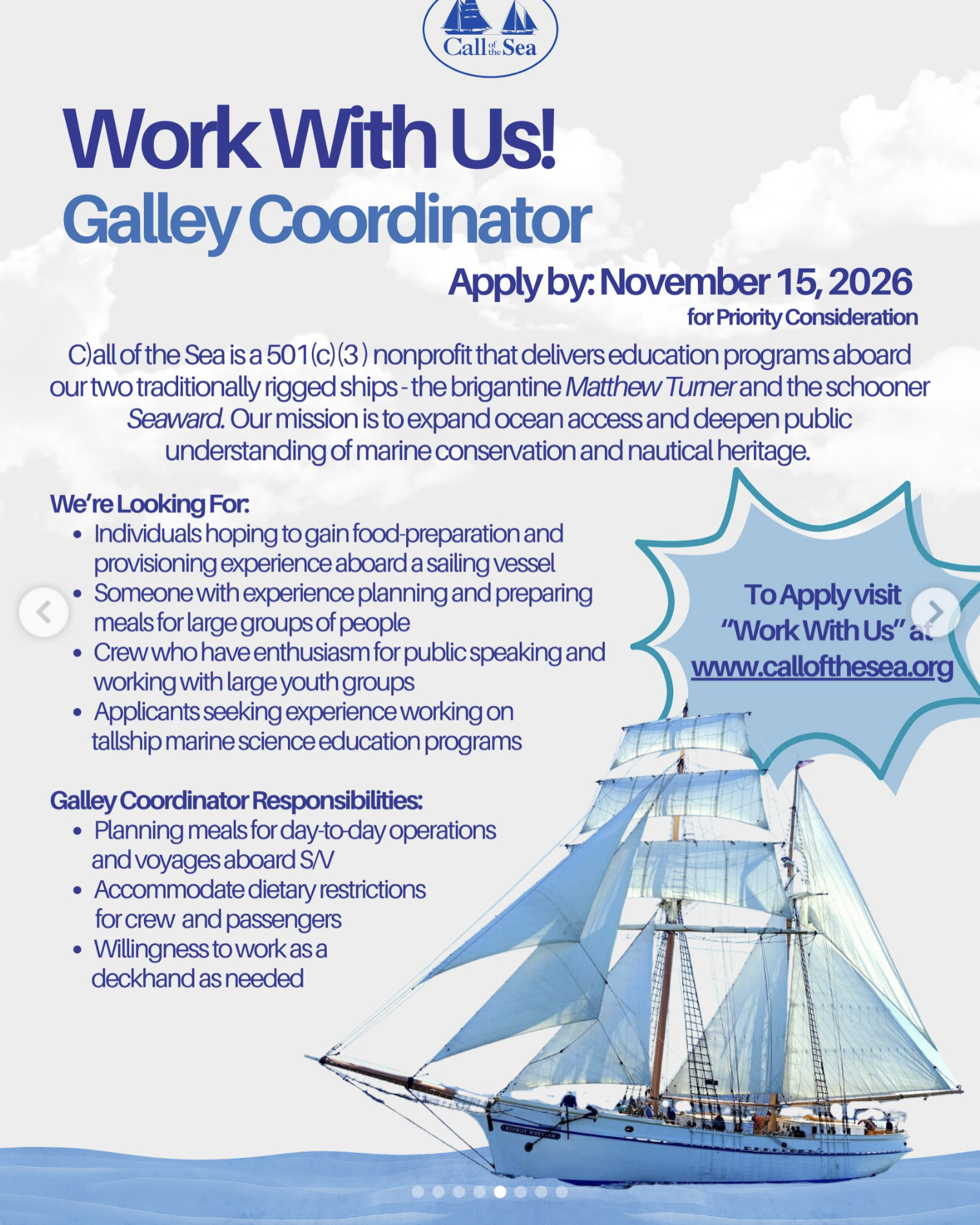
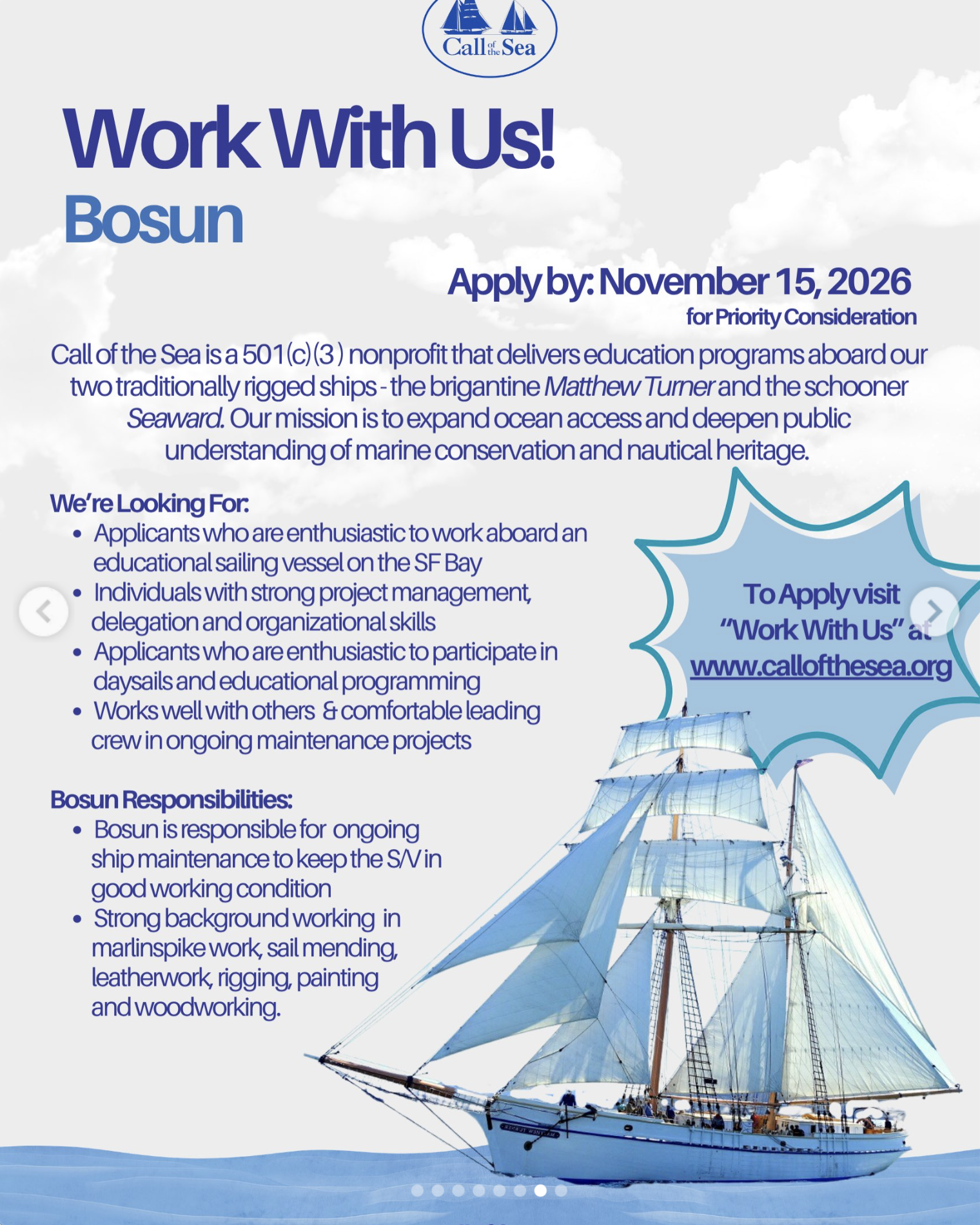
The public reviews of “Call of the Sea” are amazing, and this series of job adds appealed to us. It’s the sort of move that could change your life!



Yacht to Yacht Rescue Report
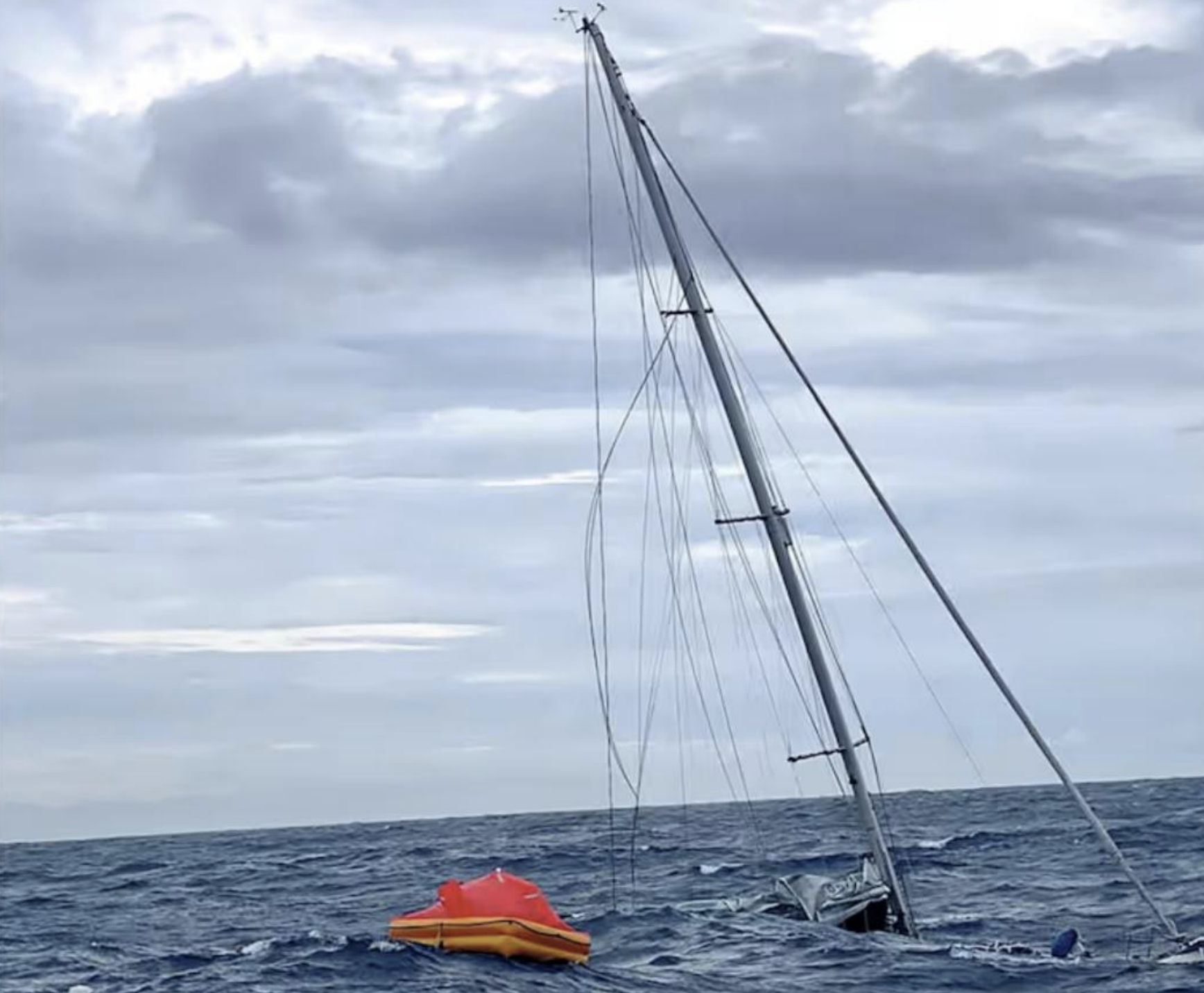
When a yacht is in distress far offshore, another sailing crew may be its best chance of rescue. A new groundbreaking report from The Cruising Club of America (CCA) examines 28 yacht-to-yacht crew rescues to help sailors prepare for that responsibility.
The 63-page report explores the decisions and challenges involved: when to call for help, how to bring two vessels together safely, how to transfer people aboard, and what happens after everyone is rescued.
"Most offshore sailors never expect to be the vessel that answers a Mayday, but whether far offshore or coastal, you may be the nearest or only boat able to assist and rescue another," says William Strassberg, MD, past chair of CCA's Safety and Seamanship Committee and chair of the report team. "This report gives skippers and crews the lessons from 28 real rescues, so the first time they think through a yacht-to-yacht rescue isn't in the middle of one."
A Norman Wright for a Nominal Sum
We received an email from Max York this week. He sounds like our sort of Wooden Boat owner.
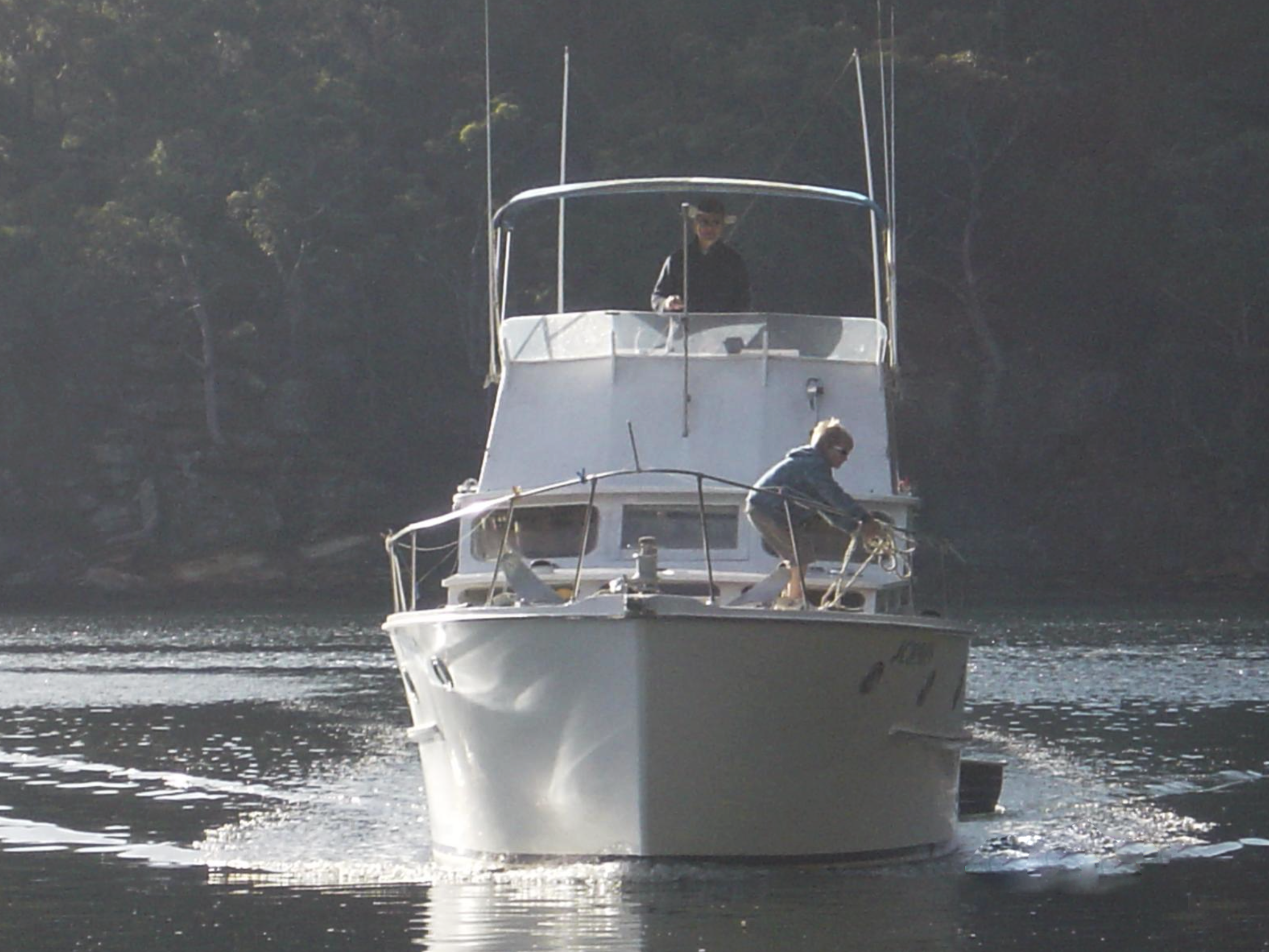
Hi There
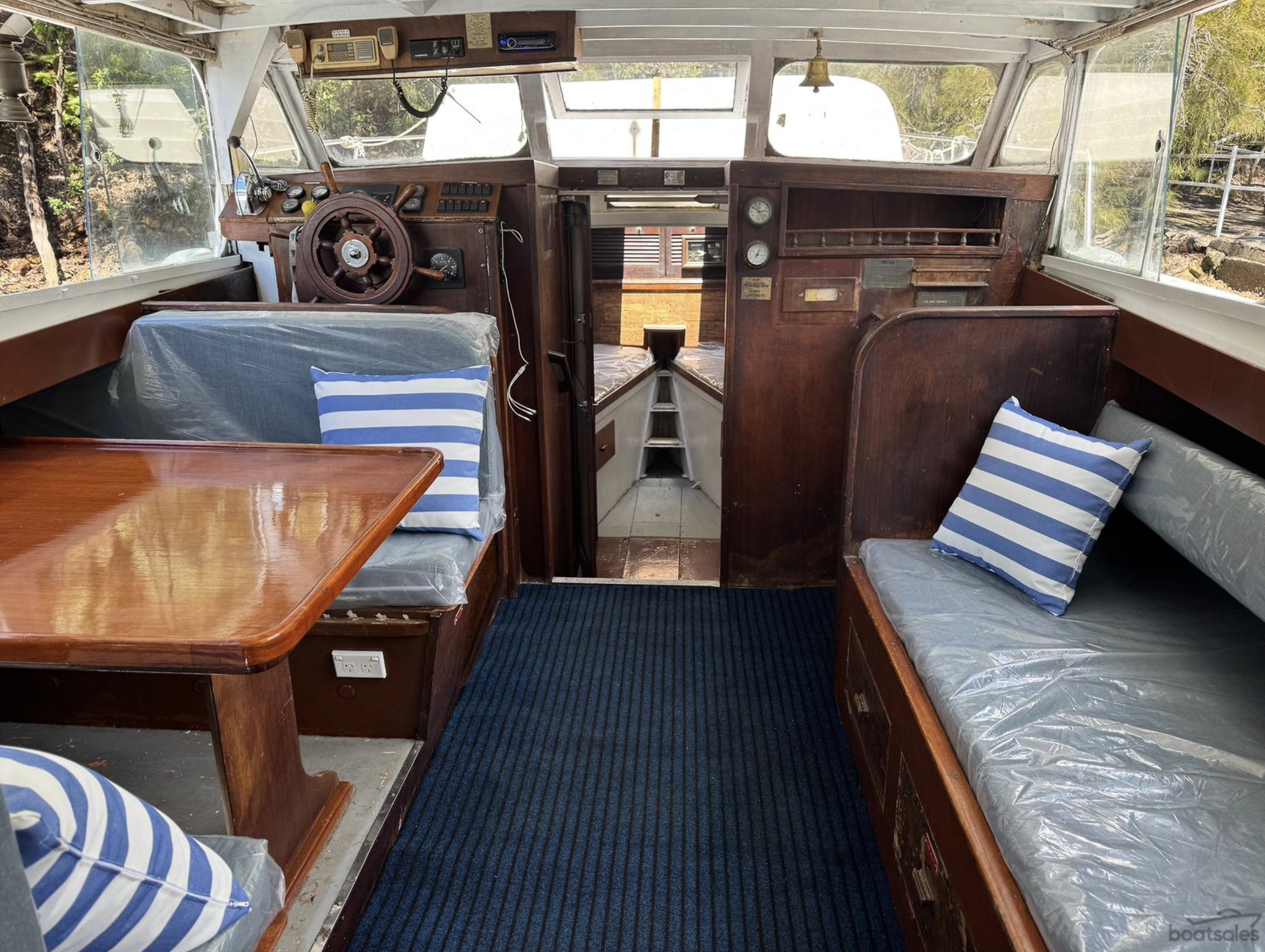
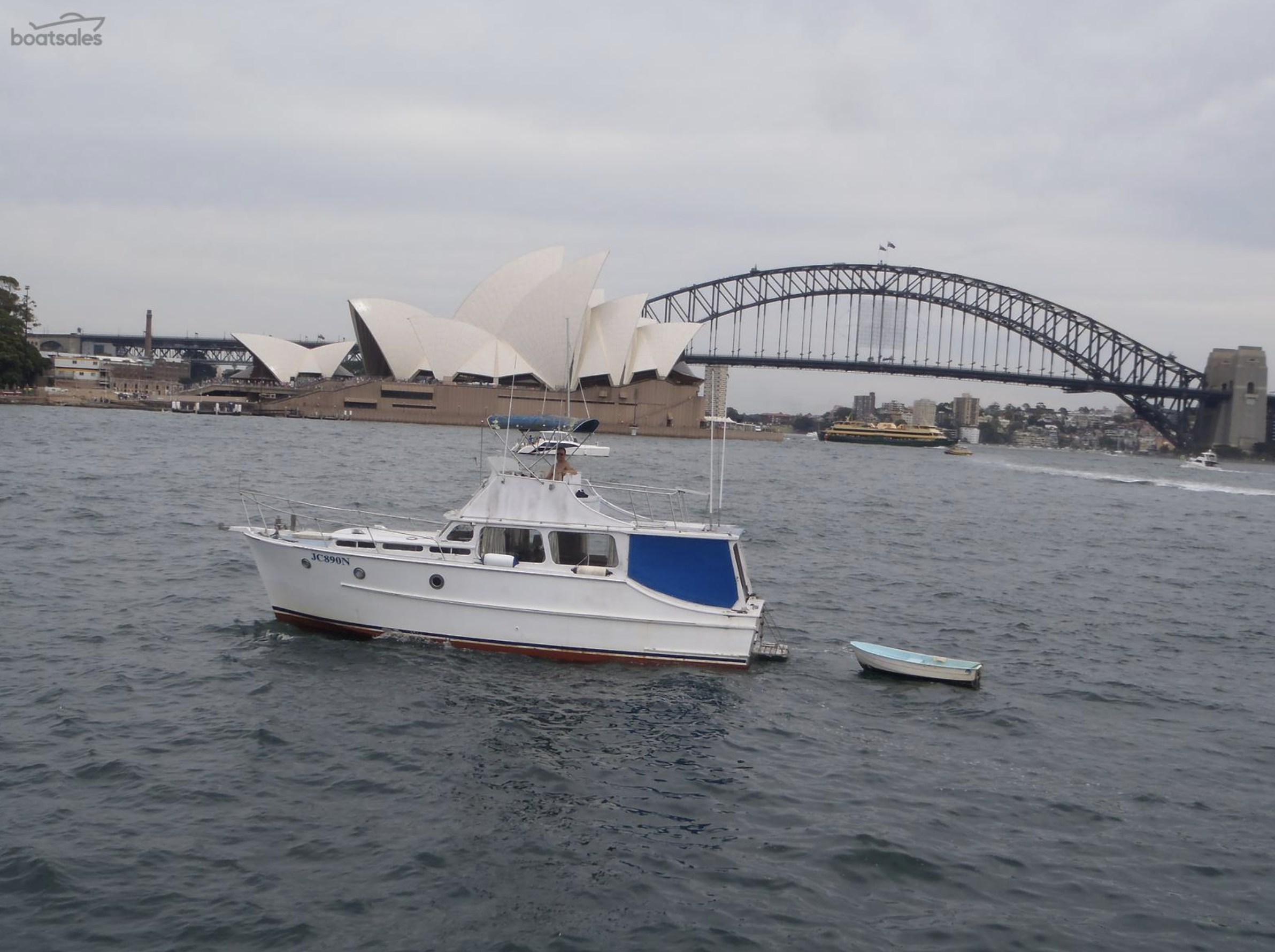
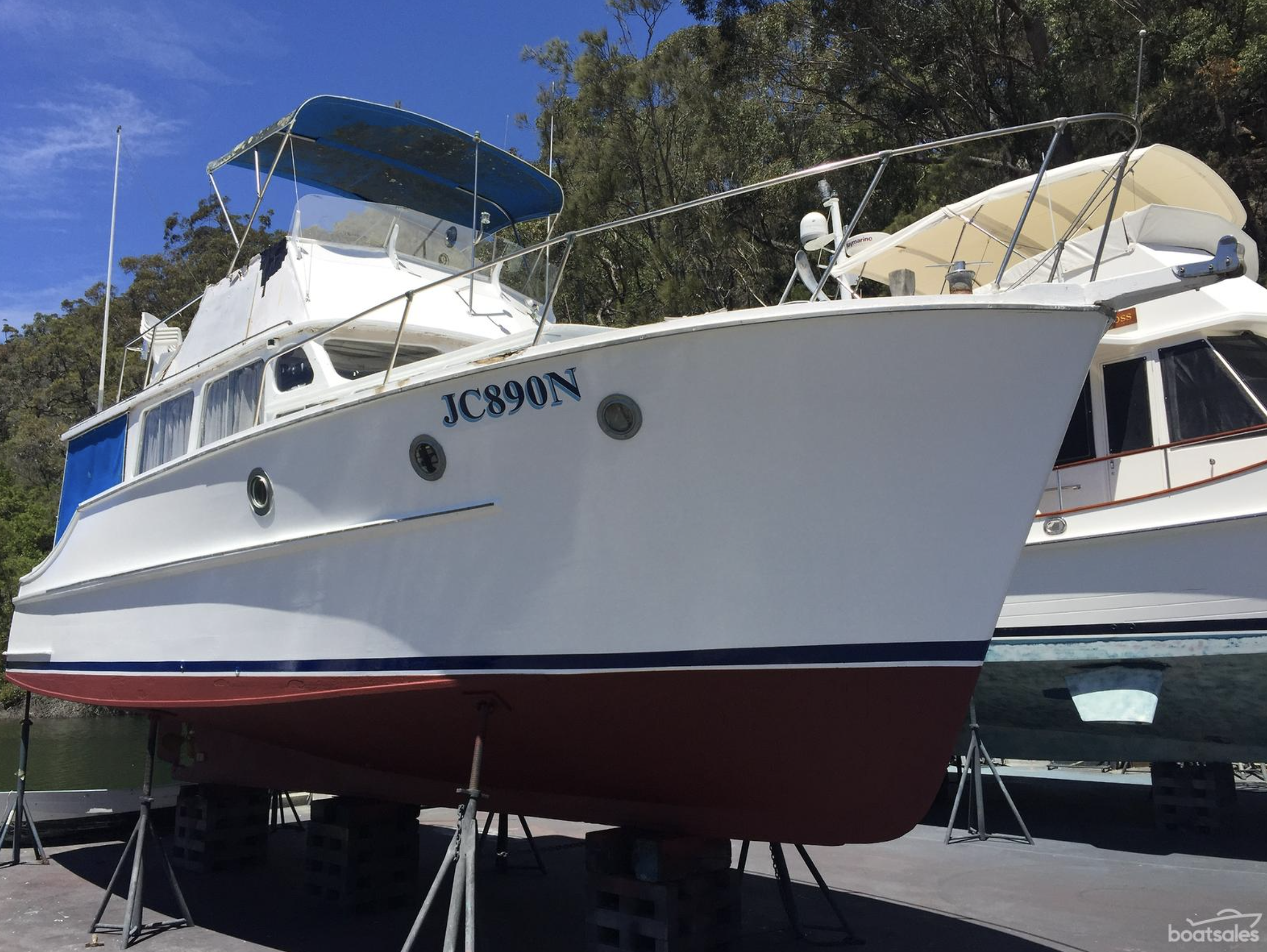
I have a lovely old 35’ wooden flybridge cruiser built by Norman Wright in Bulimba QLD in 1963. I have done a 100k renovation on it over the last 4 years but have run out of time and money to finish it off. It is fully functional with all new Volvo Penta engine, fuel tanks, wiring, paint, soft furnishings, recently slipped, etc but still has the odd deck soft patch and a few leaks, as old wooden boats do.
Do you know if someone would take her on, and am happy to transfer ownership for a very nominal sum - it’s not about the money anymore, rather preserving maritime history for the next generation. She is moored at Apple Tree Bay, Sydney but can ocean transit.
Many Thanks
Max
If you are interested drop him a line
More info HERE
More Than 5,000 Plant Remains Found in 2,000-Year-Old Wooden Boats
By Oguz Buyukyildirim

Two approximately 2,000-year-old wooden boats discovered during excavations in Bac Ninh Province, northern Vietnam. Researchers recovered thousands of preserved plant remains from the structures. Credit: Dr. Nguyen Thi Mai Huong.
More than 5,000 seed and fruit fragments were recovered from two approximately 2,000-year-old wooden boats discovered in Bac Ninh Province, northern Vietnam. The remarkably preserved remains include a variety of fruits, nuts, and other plant material, offering rare evidence of the plants found within the ancient wooden structures. Archaeologists examining two ancient wooden boats discovered in Vietnam’s Bac Ninh Province have identified an extraordinary collection of plant remains, including thousands of unidentified seed and fruit fragments and specimens representing at least 20 plant taxa. Some of the fruits survived with their stalks intact, preserved for nearly two millennia beneath layers of waterlogged mud.
The boats were discovered in a low-lying river landscape, yet some of the preserved plants are associated with forests and upland environments. Their presence suggests that the vessels may have carried agricultural produce and forest products between different ecological regions of northern Vietnam, although researchers caution that some material could have accumulated naturally.
The Ha Man boats were discovered during work to renovate a fish pond in the Cong Ha area of Bac Ninh Province in early 2025. Emergency excavations began in March 2025, revealing two closely associated wooden hulls, each more than 16 meters long and approximately two meters wide.
Their construction was unusual. Wooden planks were joined using mortise-and-tenon joints, wedges and wooden pegs rather than metal nails. The two hulls were connected, leading specialists to investigate whether they formed part of a double-hulled vessel supporting a larger wooden platform.
READ ON HERE in Arkeonews
Sport, tradition and timeless beauty
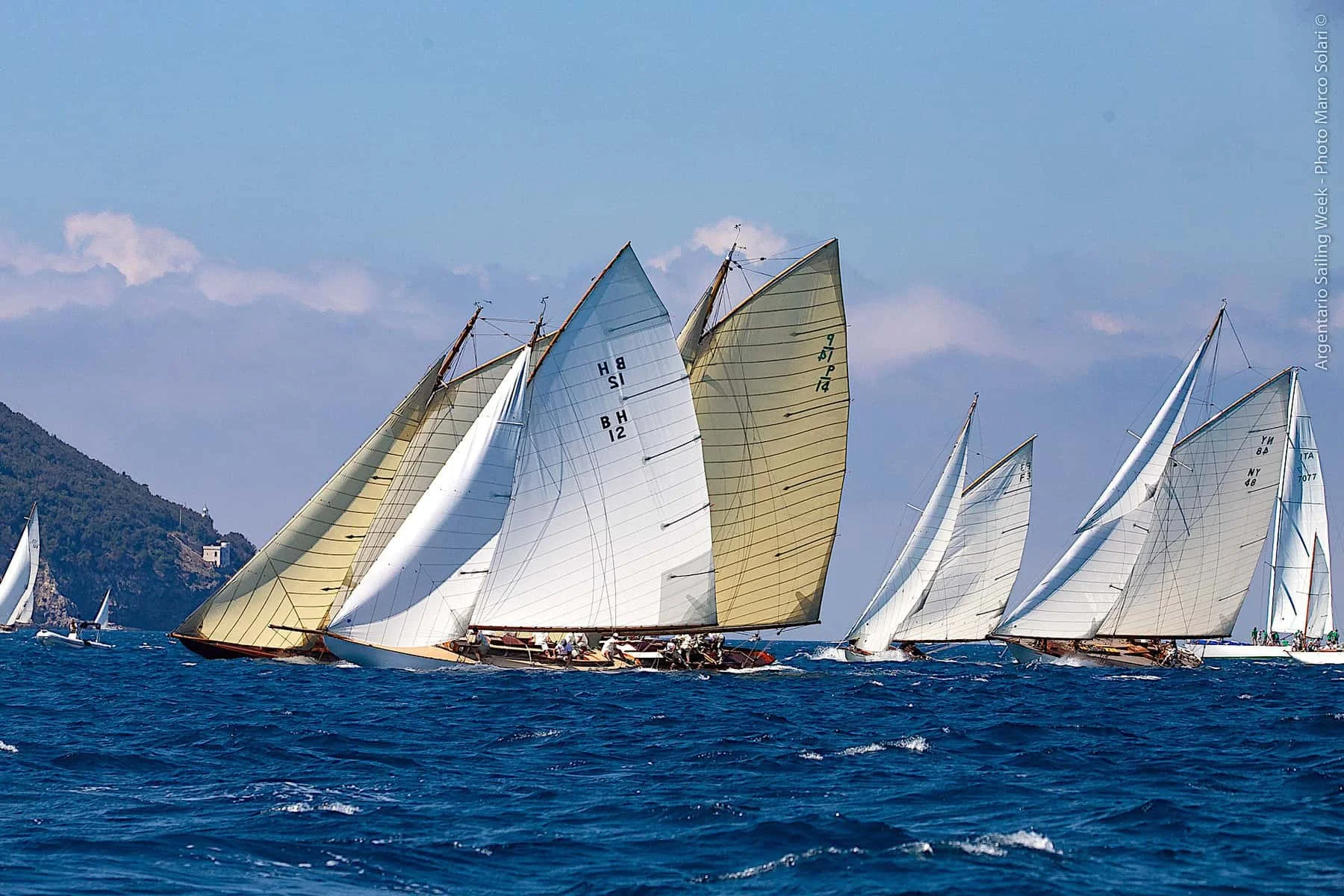
Each year, the Argentario Gulf comes alive as around 50 classic yachts continue to write their often centenary-long histories... There are more famous gatherings on the Mediterranean classic yacht circuit: regattas boasting larger fleets, grander launch parties, and social calendars almost as familiar as their racecourses. The Argentario Sailing Week - Miramis Trophy, organised by the Yacht Club Santo Stefano, occupies a somewhat different space, offering something more concentrated and immediate: a uniquely eclectic encounter with sailing history and racing, experienced at close quarters in the idyllic Tuscan town of Porto Santo Stefano and out on the waters of the Argentario Gulf.
Part of the regatta's character comes from its setting. The harbour lies only a short distance from the racecourse, making the transition from dockside admiration to serious competition instantaneous. Boats that may have spent the morning surrounded by photographers and visitors are soon beating into a summer breeze, their crews working them as hard as their designers intended. The past is not separated from the present here; it is rigged, crewed and sailed into battle.
This distinction from other events is where the Argentario Sailing Week shines...
Read in full here via seahorsemagazine.com -- As featured in the latest issue -- OUT NOW!