Flotsam & Jetsam 23.10.26
This is NOT OK
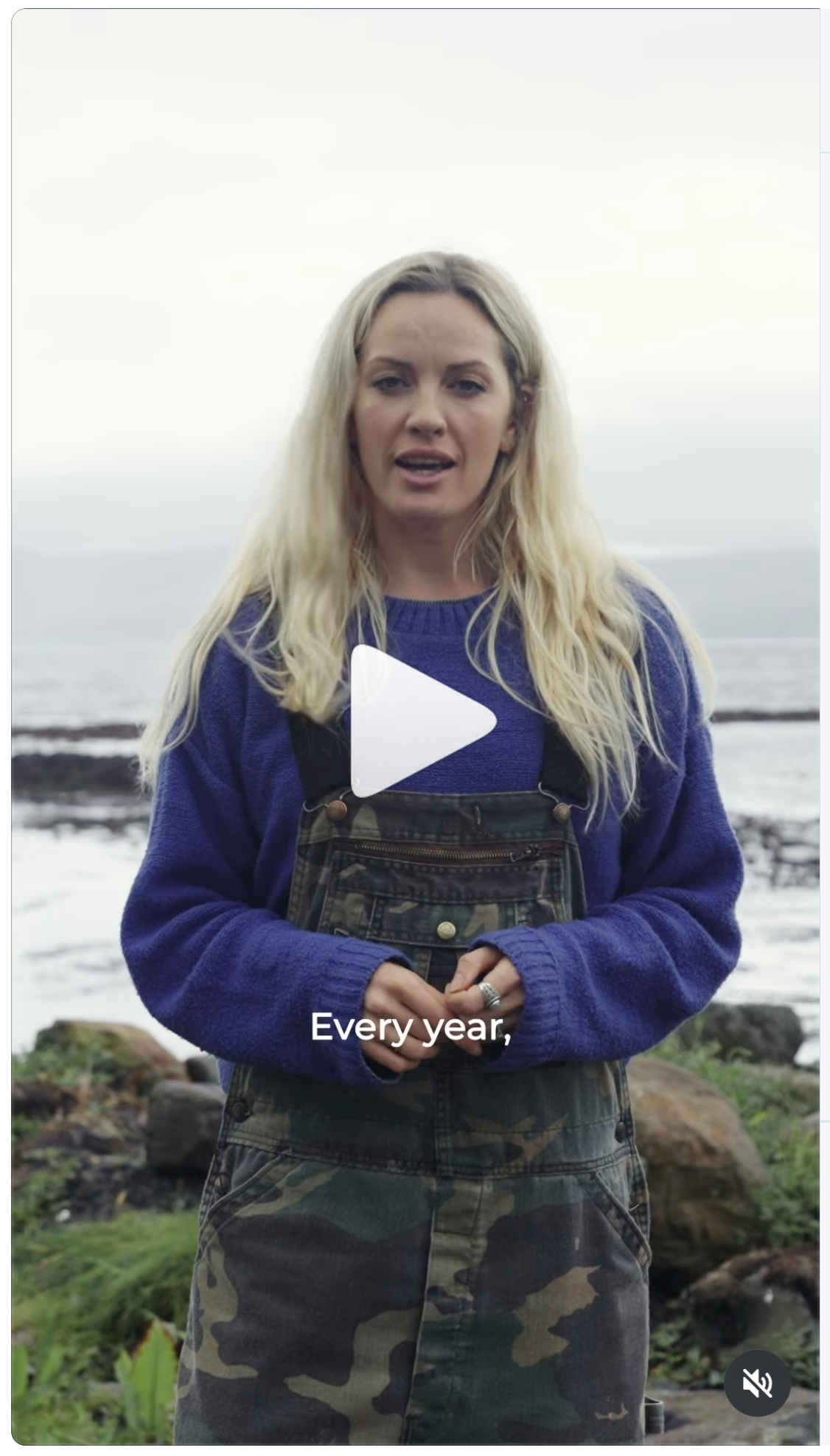
Nowadays, we have developed far enough to consider actions like female genital mutilation, enslavement and even child sacrifice to be unacceptable, despite all of them once having been practised under the banner of “cultural traditions”.
So how on earth is this the behaviour below still accepted by other developed nations? The Faroe Islands (a self-governing nation within the Kingdom of Denmark and not part of the EU) had a GDP per capita of about $74,175 in 2024, ranking #16 out of 211 countries in the world. People living there have a life expectancy of about 81.7 years. Sounds pretty civilised, doesn’t it? Well watch the clip (if you can bear it)… and then think again.
So what’s really going on?
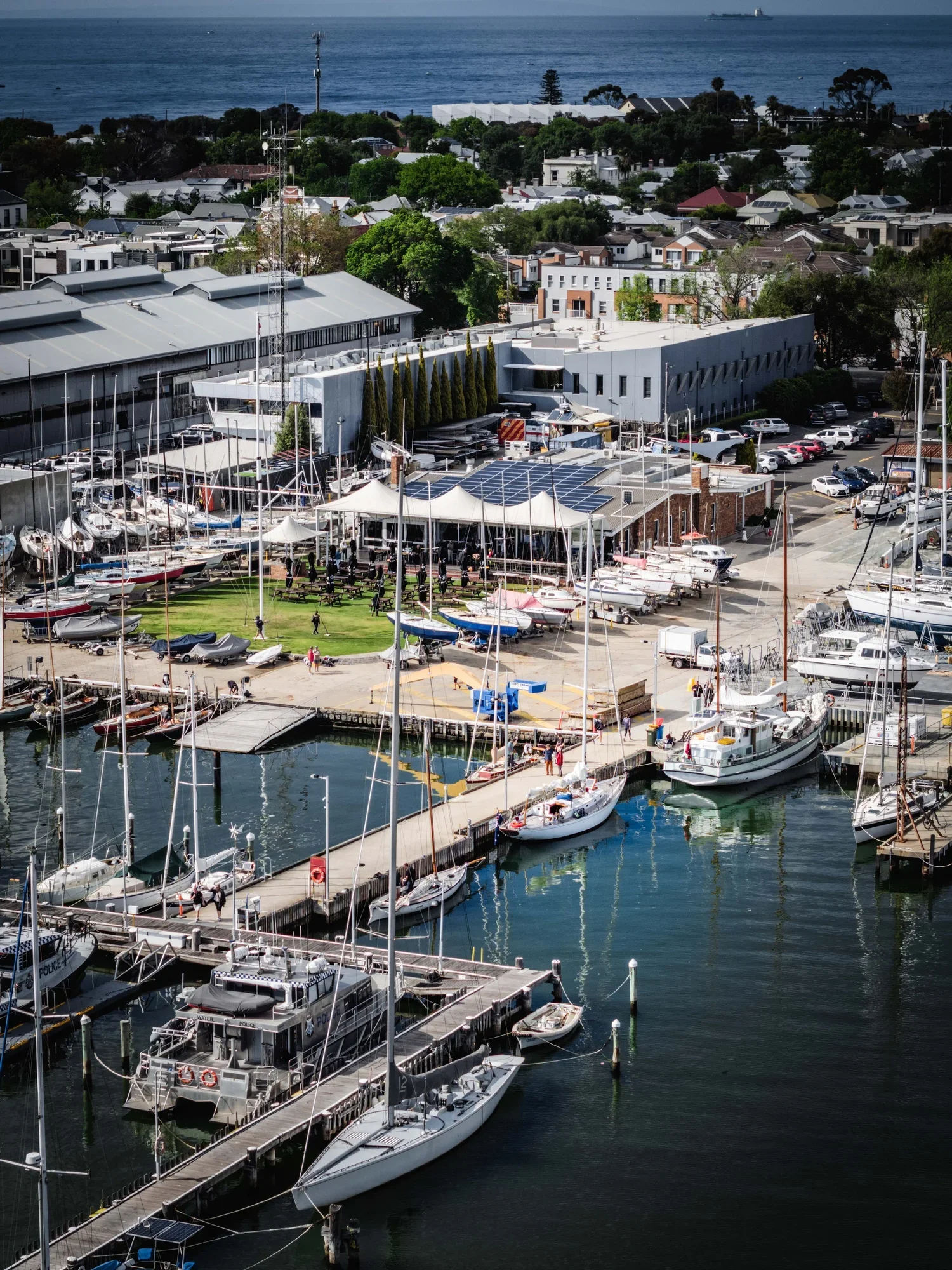
RYCV on a busy day! -Image Patrick Clapp
The question is “Why is nobody hanging out at the Marina anymore?”
There’s a lot of good theories in this article by Doug Ryan published in www.oldboatsailor.com
OK, its US centric but I can’t help but think Australia and New Zealand are facing the same sort of issues. Heres a taste
People didn’t fall out of love with boats. About 85 million Americans still go boating every year. What we lost is the hanging out, and it was never really about the boat.
It was about a place where the same people showed up, week after week, with nothing on the schedule. The old marina did that by accident. Boats lived in the water, owners lived half their weekends aboard, and a handful of liveaboards were always home. Bump into the same faces enough times, and you’ve got friends.
Today’s boating is built for efficiency: rack it, rent it, trailer it, go. That’s great for getting on the water. It’s terrible for getting to know your neighbour.
The good news is that it only takes one person to change a dock. A few things that work:
Leave the cooler open. Stay an hour after the sail. Someone always stops to talk.
If you see someone working on their boat, offer to help. They may not need help or want it, it but it’s a good way to get a conversation going and get to know people.
Start something small and regular. First Friday sundowners, a Sunday coffee on C dock. Same time, every time, no RSVP.
Invite the new guy. The boat club members and the trailer crowd are boaters too. Ask them over.
Bring the kids. Clubs that turned around did it with families, not formal dinners.
Ask your marina for a bench. Seriously. A picnic table and a grill at the head of the dock do more than any newsletter.
Fishermen like to complain…
But you only really have the right to complain if you have made an effort to get involved in trying to draft better rules! With that in mind, be aware that On 14 October, the Tasmanian Government announced it is seeking feedback on draft Fisheries Regulations 2026.
These regulations have been prepared to replace the Fisheries (General and Fees) Regulations 2026, which expire on 23 May 2027.
A Regulatory Impact Statement is available on The Fishing Tasmania website, which explains:
what is in the proposed regulations,
the objectives of the proposed regulations and
the Government's assessment that the proposed regulations are in the public interest.
Consultation is open until 11:59pm 30 November.
What are the main changes being proposed?
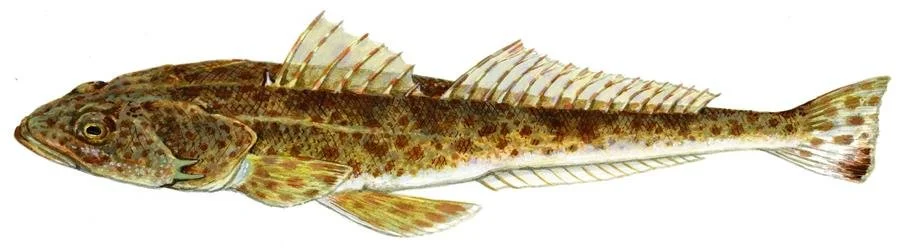
Abalone – increasing the minimum size limit for blacklip abalone for recreational fishers in the southern area (from 138mm to 145mm);
Levies - enabling levies to be paid by instalments and payment plans;
Management plan extension - enabling management plans made under the Living Marine Resources Management Act 1995 to be extended by 36 months (rather than 24 months);
Infringement notices - adding two offences for which infringement notices may be served;
Fees -
allowing licence fees to be paid in instalments for licences over 1 year duration;
including a fee for the assessment of a person’s eligibility to hold a fishing licence (except for the recreational fishing licence); and
including a fee for accessing data or information that is not held on the register of information kept under section 198 of the Living Marine Resources Management Act 1995.
Even if you occasionally just drop a line over the side on the way down to the AWBF… It’s worth having your say
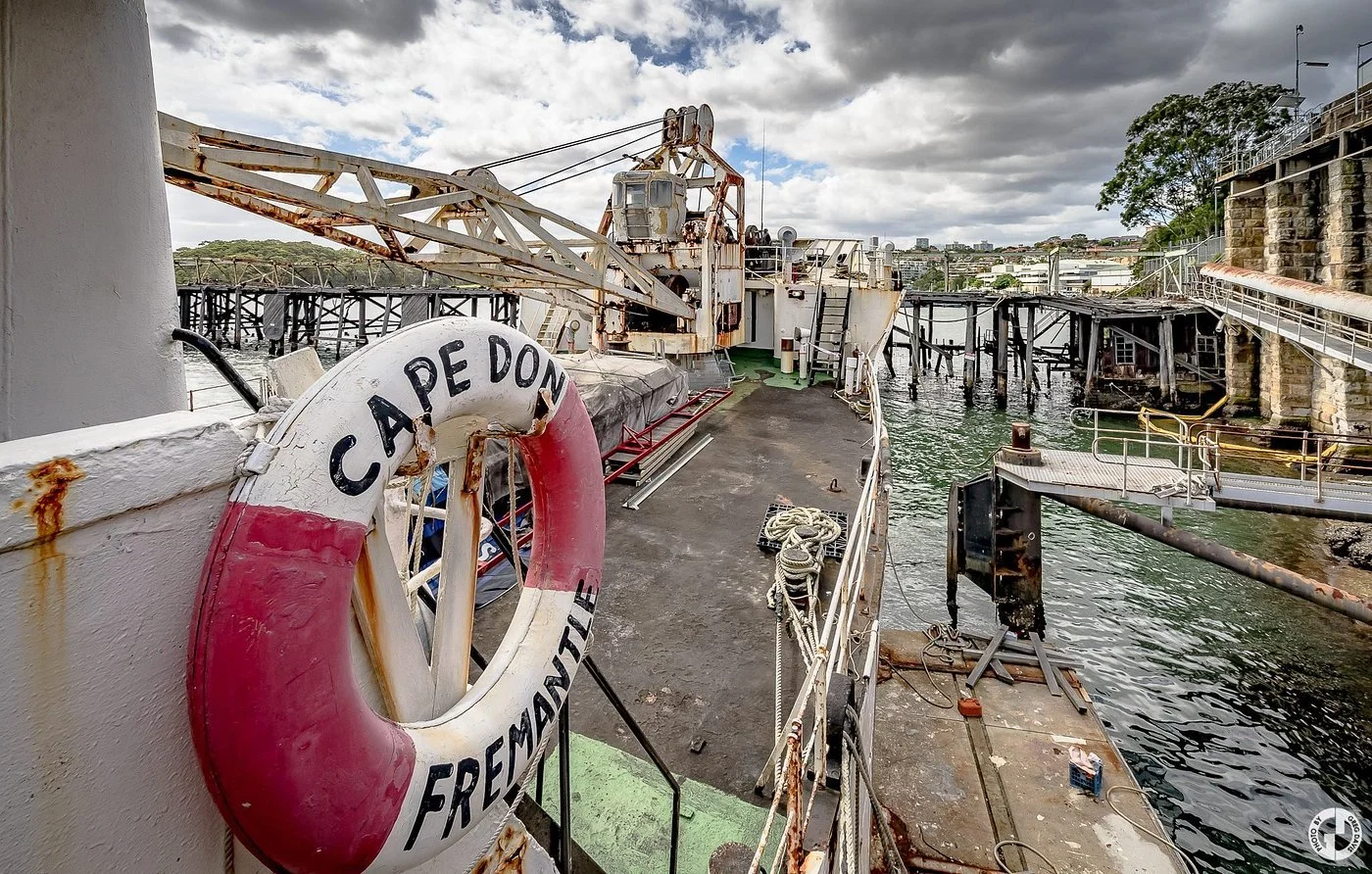
“Owning a vessel comes with a responsibility to keep on top of its maintenance.”
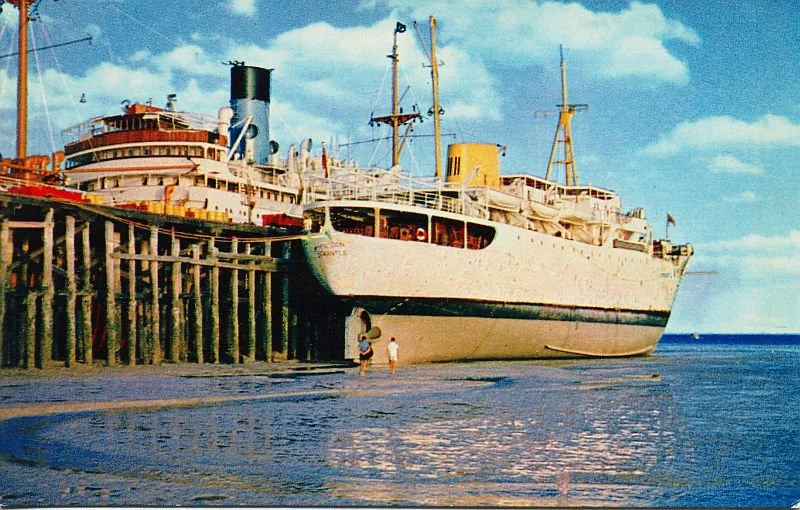
In happier times a postcard of the MV Cape Don alongside the jetty in Broome 1963
Here’s one side from the NSW Government Website.
The NSW Government has moved to seize the MV Cape Don for disposal, as the vessel’s condition continues to worsen, posing substantial risks to public safety and the environment.
NSW Maritime has been monitoring the 76-metre vessel’s deteriorating condition for several years, where it is birthed at Balls Head, Sydney Harbour.
The owners have previously been issued two Unsafe Vessel Notices (UVN) under section 46 of the Marine Safety Act requiring the owners to make in situ repairs to the vessel and to secure a dry dock for major works to repair the vessel’s hull.
Nearly 50 formal meetings have been held between NSW Maritime and the vessel’s owners to raise concerns about its deteriorating condition.
Recent inspections have documented severe corrosion along the waterline, which greatly increases the risk of the vessel taking on water.
If the vessel does take on water, NSW Maritime holds serious concerns that dangerous chemicals could leach into the Harbour, posing a significant risk to the marine environment.
To date, the statutory notices have not been complied with and NSW Maritime will now proceed with the seizure and safe disposal of the vessel.
By seizing and disposing of the vessel now, before the vessel sinks, will prevent further risks to public safety and the environment and will save taxpayers around $15 million in potential salvage costs.
Minister for Roads, Jenny Aitchison said:
“Whether it’s a 2-metre sailboat or a 76-metre ship like the MV Cape Don, owning a vessel comes with a responsibility to keep on top of its maintenance.
“I want to make it clear that NSW Maritime has been working in good faith with the owners of the MV Cape Don for many years to help restore the vessel, but its condition has only worsened, and the likelihood of the owners being able to restore it back to its former glory has become untenable.
“Let me be clear; this is a last resort. We want to see our maritime history restored, but the state of the MV Cape Don puts the public and our environment at risk.
“It’s time for us to remove the risk of capsizing and the accompanying environmental damage and dispose of the vessel. This will remove this eyesore from our harbour and restore access to the foreshore for the local community.”
Transport for NSW Maritime Executive Director Nicole Watts said:
“The vessel has not entered into a dry dock facility for inspections or major repairs for more than two decades. The underwater condition of the vessel is unknown and poses an unacceptable risk.
“Transport for NSW Maritime has met formally nearly 50 times with the owners to discuss concerns relating to the vessel condition and its berthing.
“The vessel has been formally seized today, with contractors to begin the process of safely disposing of the vessel in the near future.”
There’s a slightly more empathetic version of the same story on the Fremantle Shipping News Website