
What's in a Name?
The Strange World of Boat Naming
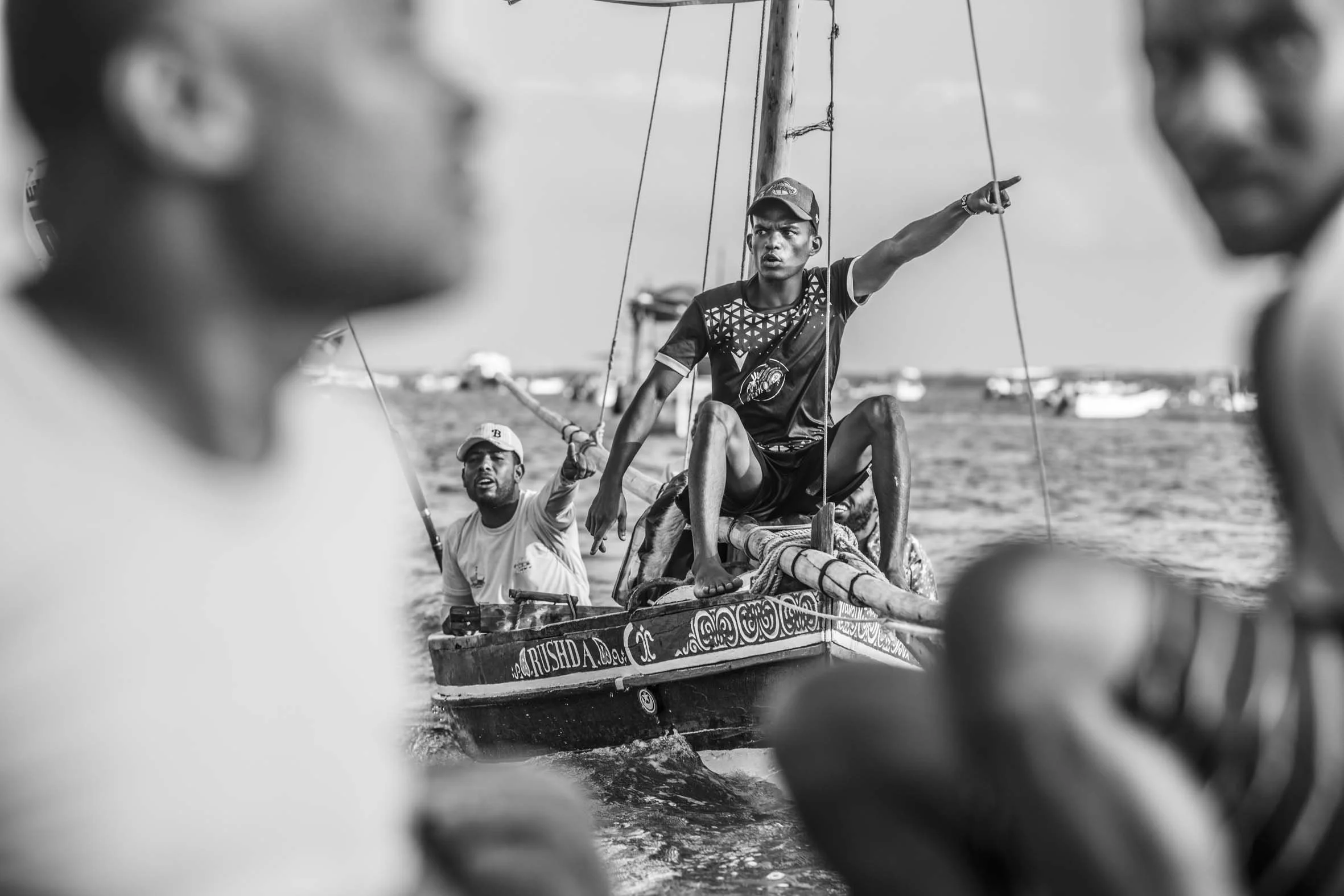
Rushda (رشدى / رشدة) is an Arabic feminine name that means "rightly guided," "wise," or "on the right path".
Naming a boat is one of those rituals that is part nautical tradition, part superstition and part basic practicality. Get it wrong, and there is that nagging fear that the sea will notice. Get it right, and you might just earn a little goodwill from whatever the forces are, that decide our happiness at sea. Either way, we spend a surprising amount of time thinking and caring about what moniker we should attach to the collection of wood metal and fabric that we choose to float around in!
She, He, or It?
In English-speaking countries, boats have almost always been referred to as "she." The reasons are varied — there’s the obvious and slightly cringeworthy explanation of curvaceous shapes and expensive maintenance. But it’s more complex than that. The Latin root navis, which is feminine, suggests the gender simply travelled with the word. What is less often acknowledged is that other languages see things quite differently. In French, the main word for a large ship — le bateau — is masculine, and French sailors have always referred to their vessels as "he." The same goes for le navire, le voilier, le chalutier. Virtually every common French word for a boat is masculine, and the language reflects that without any ambiguity.
Spanish splits the difference depending on the word: el barco and el velero are masculine, while la nave is feminine — so a Spanish sailor's relationship with grammatical gender rather depends on what kind of boat they're talking about.
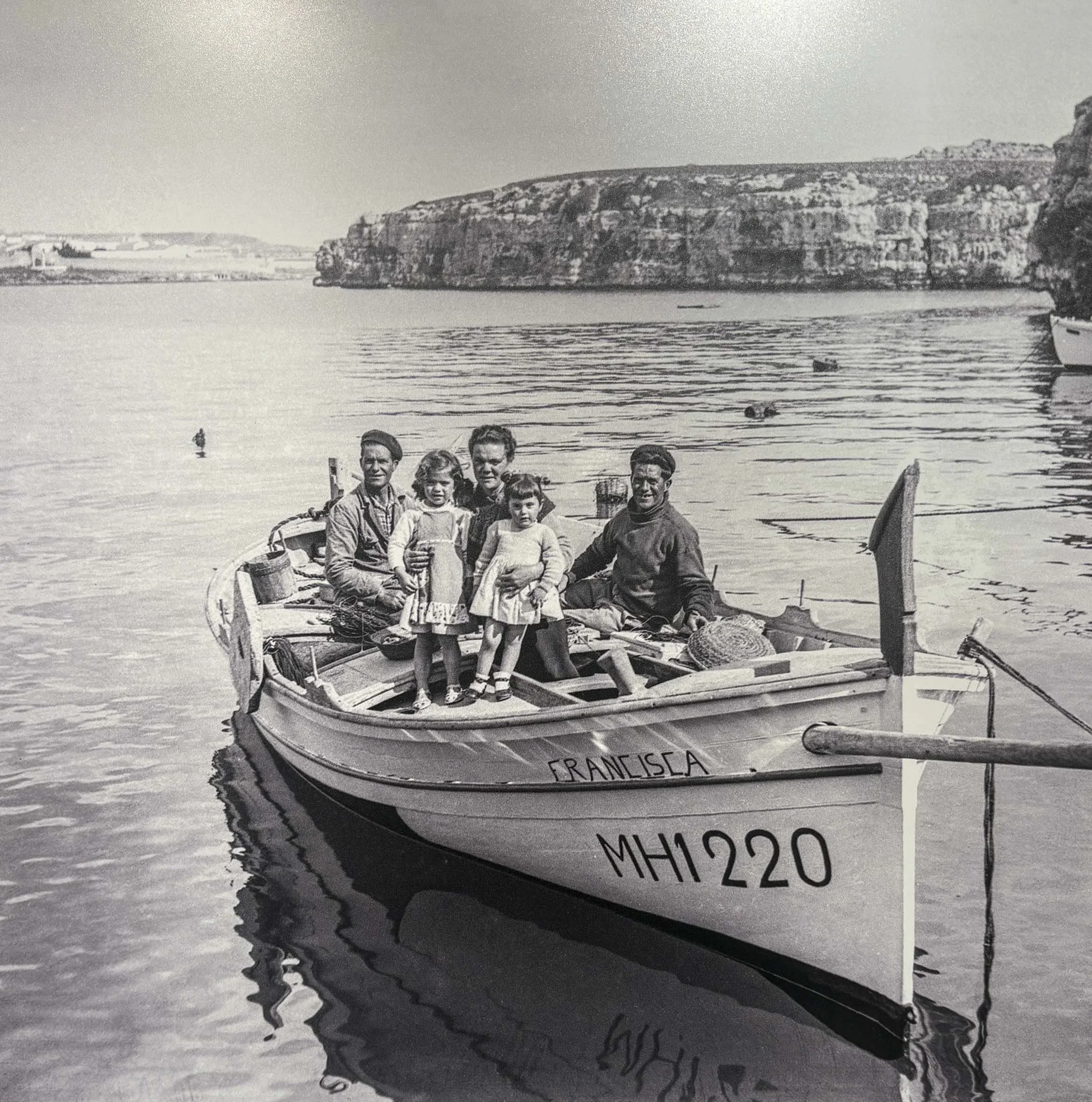
In the Catalan speaking Island of Menorca the traditional Llaut boat is grammatically masculine. But like most small Minorcan fishing boats this one carries female name “Francisca”… so its complex!
German cuts through the whole debate with characteristic efficiency: das Schiff is neuter, belonging to neither camp. So the image of the sea as a great feminine force and the boat as her willing servant is really quite a specific, English-language way of looking at things
Italian is particularly interesting. La nave — the ship — is feminine, and Italian fishermen have historically named their boats after the Madonna or female saints, creating a kind of floating devotion that covers both the practical and the spiritual in one gesture. Head down to any working harbour in Sicily or Puglia and you'll see Santa Maria, Madonna del Mare, and variations thereof lined up alongside each other like a floating congregation.
Interestingly, Lloyd's of London made waves in 2002 when it officially dropped the "she" convention, switching to gender-neutral language in all shipping documents. The Royal Navy followed not long after. Most actual sailors ignored the memo and kept right on saying "she." Traditions at sea tend to outlast bureaucratic decision making.
The Name Itself
Traditionally, boats were named after goddesses, women, or virtuous concepts — Endeavour, Victory, Grace, Perseverance. Presumably the idea was that a boat's name sets its character, the way a name given to a child shapes their sense of self. Sailors who've spent real time at sea tend to take this seriously. A boat called Reckless has a way of living up to it. A boat called Prudence probably doesn't get out much.
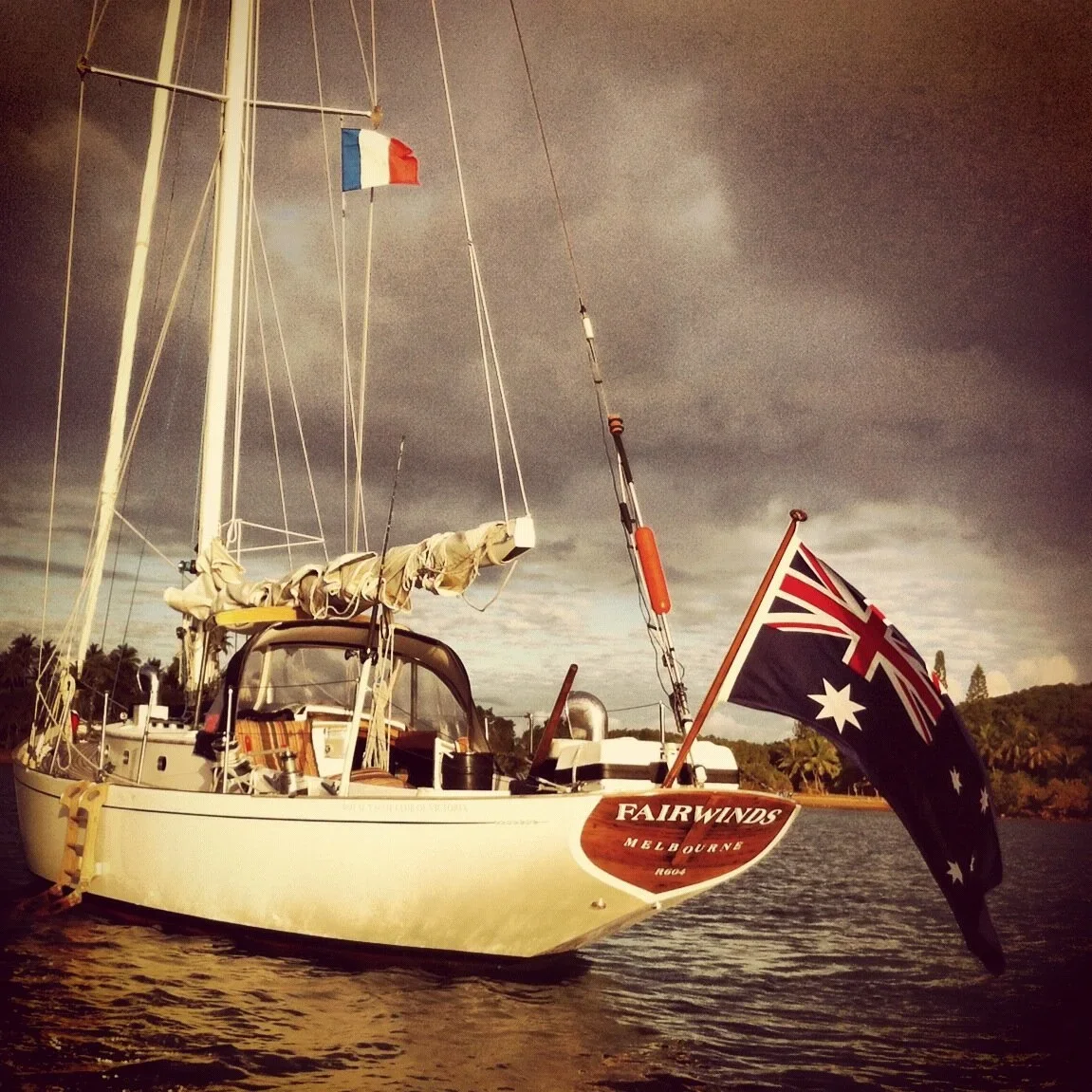
I feel that FAIR WINDS avoided a lot of bad weather during the thousands of ocean miles we sailing in her!
I’m told that pun-based boat names are out of control in American marina culture, where the combination of disposable income and a certain dad-joke sensibility is unlikely to be subtle. Cruising around the Med I see it creeping in here too, mostly amongst newly acquired caravans with masts.
Traditionally in Greece, boats are often named after saints or the owner's mother — a combination that covers your spiritual and domestic bases simultaneously, and also ensures that whoever the boat is named after will expect to be taken out on it regularly.
Scandinavian fishing vessels historically carried names meant to invoke strength or the favour of the sea itself, often drawing on Norse mythology — names that suggested the boat was less a vehicle and more a participant in whatever was about to happen.
In Japan, working boats were frequently named for good fortune or associated with Watatsumi, the sea deity, making the naming as much a prayer as a label.
And in parts of West Africa, fishing boats carry names that function almost as declarations of philosophy: optimistic, defiant, grateful, depending on the way the owners life was going in the year that it was launched.
Arabic seafaring tradition, particularly around the Gulf and the Red Sea, favoured names invoking God's protection or the qualities of wind and speed.
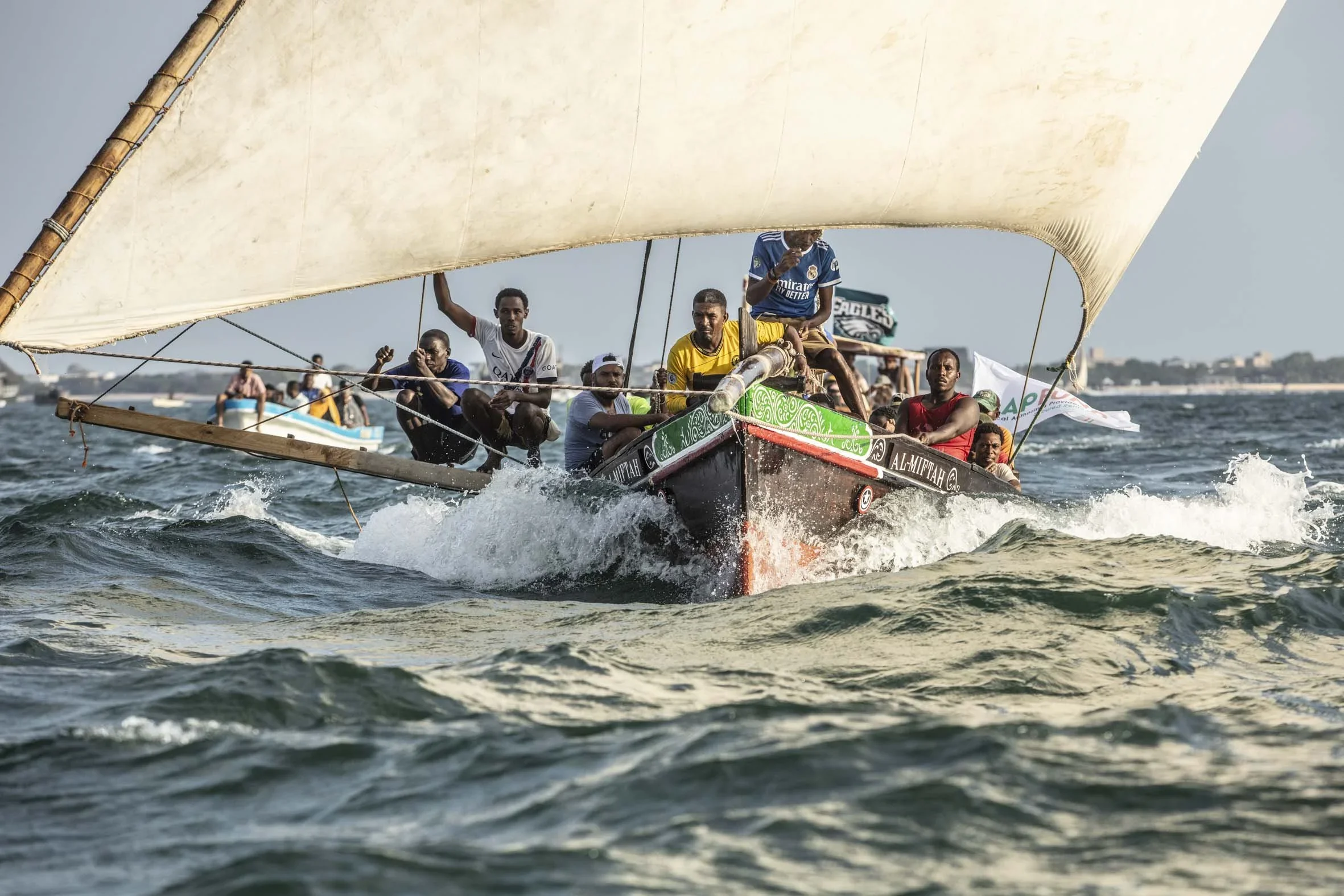
Al Miftah (المفتاح) translates from Arabic literally to”The Key”. In Islamic and cultural contexts, it is a highly symbolic term representing access, guidance, knowledge, and unlocking success
The Renaming Problem
Here's where things get interesting. Traditionally particularly in the UK, the United States, and much of Northern Europe — you absolutely cannot just rename a boat. Every vessel is said to be recorded in the "Ledger of the Deep," maintained by Poseidon (or Neptune, depending on your classical preferences). Change the name without proper ceremony, and you've essentially committed identity fraud against a god who has an unlimited budget for revenge and absolutely no sense of proportion.
The prescribed fix involves a full "de-naming" ceremony, and it's more involved than it sounds. Every trace of the old name must be removed from the vessel — logbooks, life rings, dock lines, charts, the name board, the transom lettering. Some go as far as replacing monogrammed crockery and engraved cutlery. The idea is that the boat must become, at least temporarily, nameless.
Only then can you conduct the renaming ritual, which typically involves an offering of champagne or wine poured directly into the sea, facing downwind, while the new name is spoken aloud. Some traditions require you to do this at the bow, the stern, and both sides — a kind of nautical compass rose of appeasement. The boat is then re-christened in the conventional way, with a bottle broken across the hull.
Mediterranean cultures, tend to be considerably more relaxed about all this. In parts of Croatia and southern Italy, a new coat of paint, a fresh name board, and a quick word with the appropriate saint is considered sufficient. Whether this reflects a more pragmatic relationship with the divine or simply a longer history of surviving whatever the sea throws at them I’m not sure.
A Few Odder Rules
The superstitions surrounding boat naming don't stop at the renaming ceremony. There's a widely held belief that you should never name a boat after a living person — the idea being that their fate becomes entangled with the vessel's. Dead relatives are generally considered fair game, though naming a boat after a deceased spouse while the surviving partner is still aboard gets complicated quickly.
Certain letters and numbers carry weight too. The number 13 is avoided on many vessels for the usual reasons. The word "final" appearing anywhere in a boat's name is considered deeply unwise. And there's an old English tradition — more honoured in the breach these days — that a boat's name should always be pronounceable by the crew in a crisis, which rules out anything too clever, too long, or too reliant on a pun that only works when written down.
The Royal Navy operates under its own entirely different set of naming conventions, which feel less like superstition and more like institutional memory. Certain names — Warspite, Ark Royal, Victory, Dreadnought — are considered sacred, recycled through successive generations of ships and carrying their battle honours with them like inherited titles. A new Warspite doesn't start fresh; it makes its first voyage with story already centuries old.
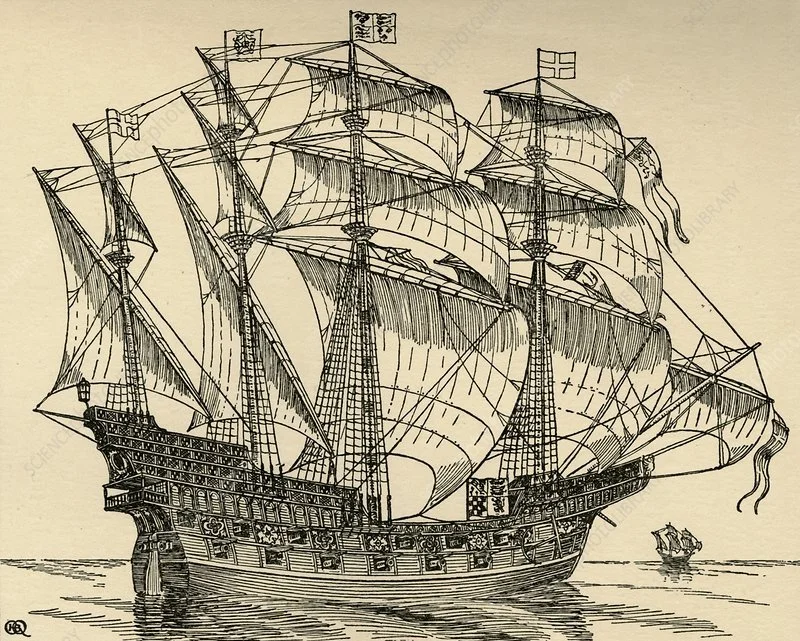
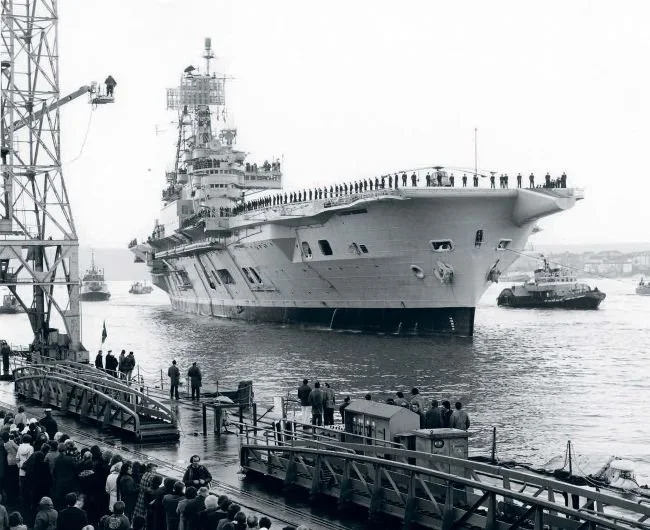
Two HMS Ark Royals. The 1587 galleon ordered for Sir Walter Raleigh and the Aircraft Carrier launched in 1950
What all should really remind us is that the sea is genuinely indifferent to human plans, and a name is one of the few things you can put on a boat that costs nothing and might — just might — matter. Whether it's an offering to Poseidon, a prayer to the Madonna, or simply a terrible pun, the act of naming a boat is an acknowledgement that you're not entirely in charge out there.
Which is probably the most honest thing we can admit before untying the lines.