
Torch Bearers
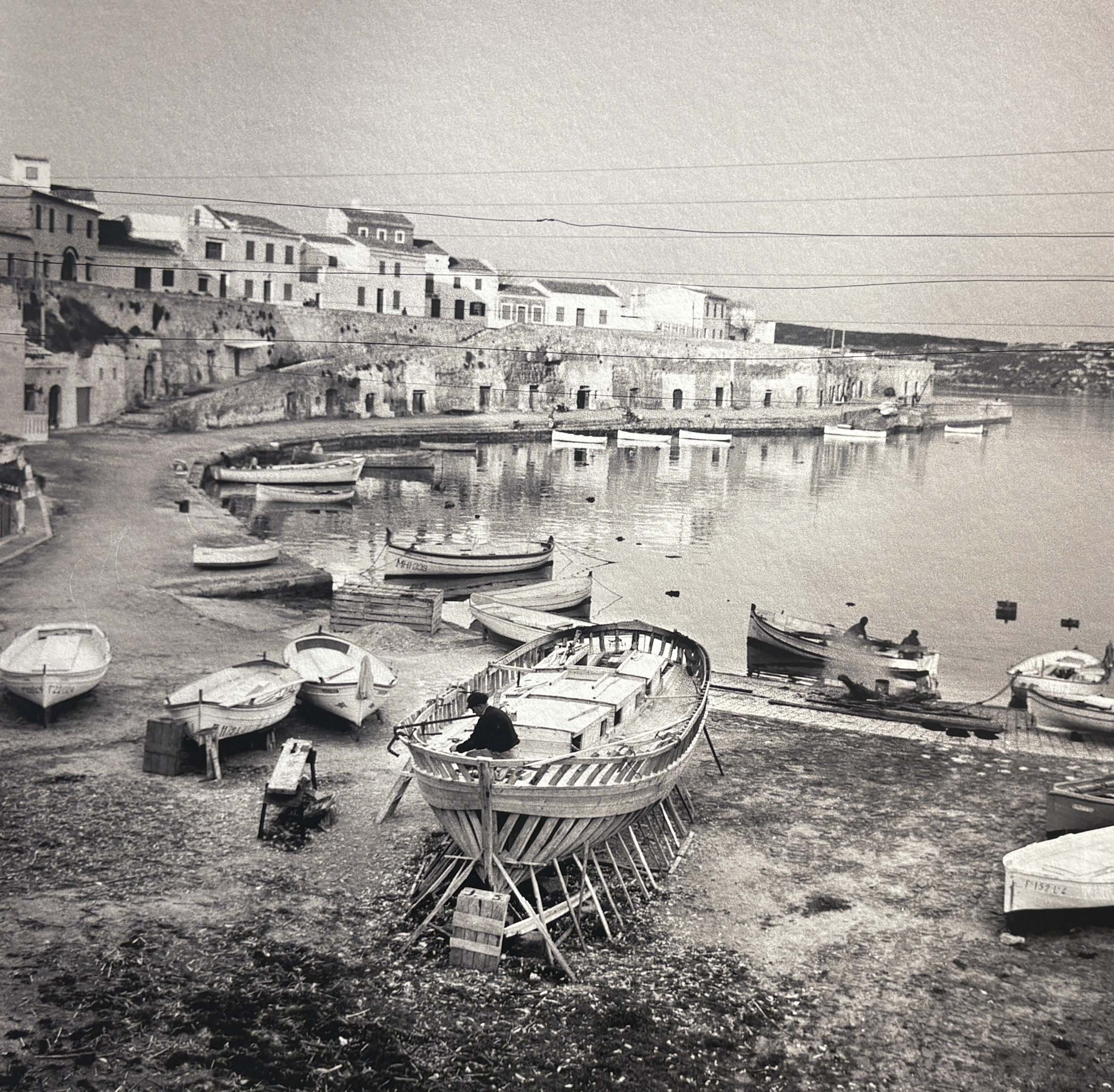
Es Castell by Photographer Toni Vidal- 1960s
You might not know that the major conference of the International Congress of Maritime Museums will be hosted by the Australian National Maritime Museum in Sydney this September. I’m unsure as to how big a deal this is. When I first heard of the organisation, the ICMM, I thought “that’s very niche!” but as I travel around in a boat, taking an interest in Maritime Culture where ever I go, I’m constantly astounded by the number of institutions curating, maintaining and cherishing the stories and objects that have contributed to their seafaring culture.
For example, did you know that there is a spectacular new Building in Busan, that houses the National Maritime Museum of Korea?

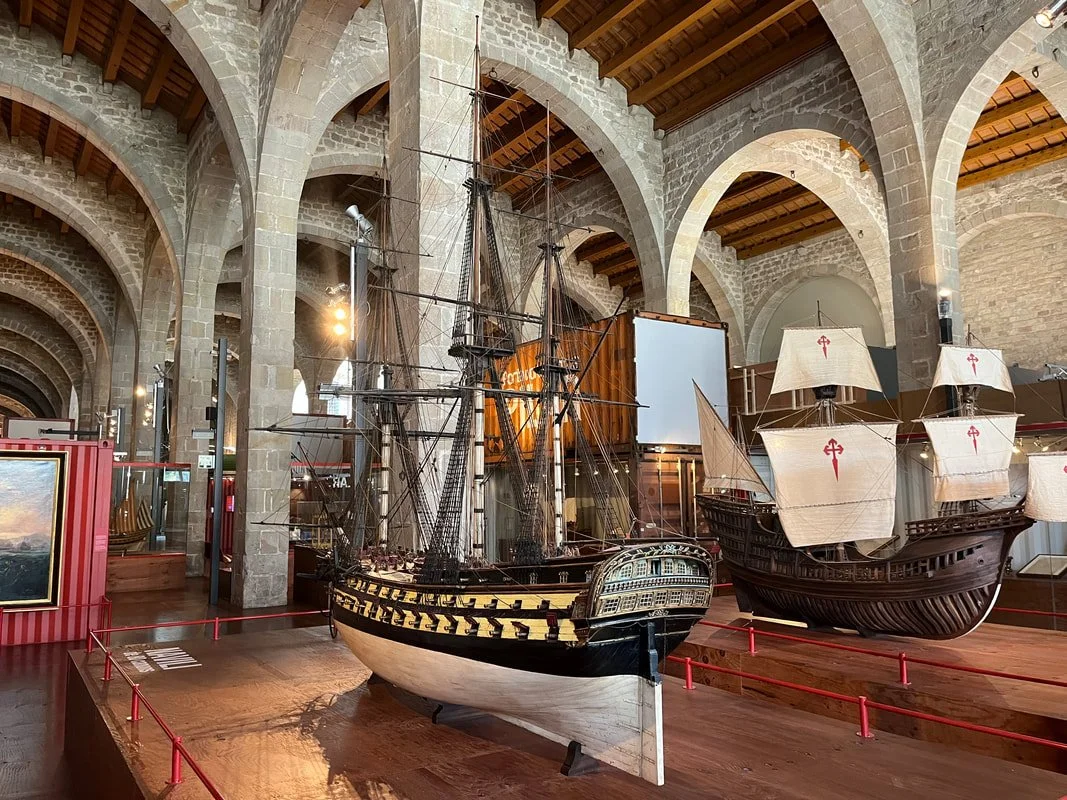
Or when you make a pilgrimage to the Sagrada Família in Barcelona don’t forget that one of the most impressive Maritime Museums in the world, is just around the corner.
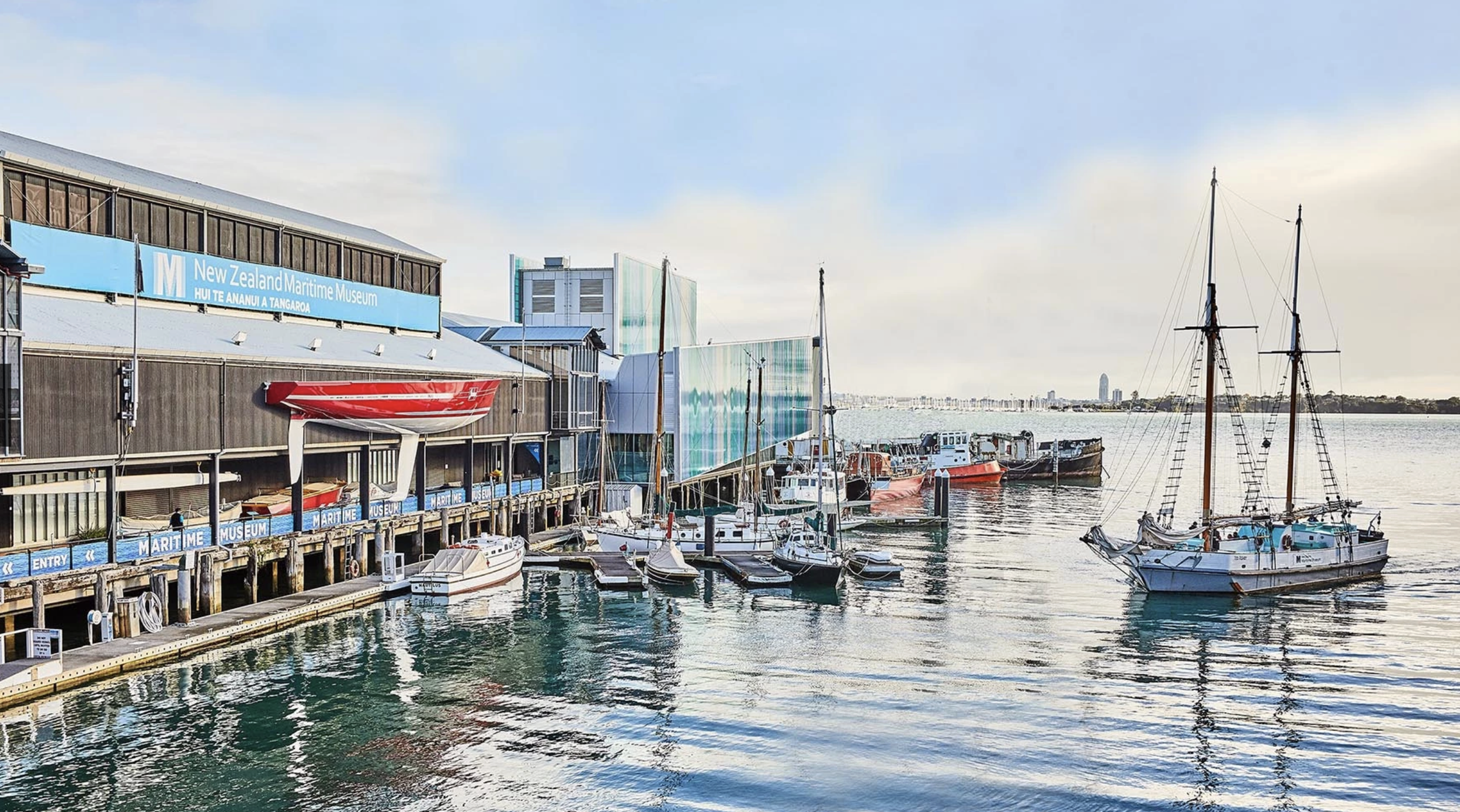
And when your next in Auckland, put aside a couple of hours to wander the halls of the New Zealand Maritime Museum. The background to how this small nation became a global sailing powerhouse runs deeper than you might think.
These are examples of Maritime Museums on a huge scale with big government funding, glamorous infrastructure and full time professional staff managing the collections and exhibitions with expertise. But what I wanted to tell you about today is at the other end of the scale.
Thalassa: Menorca's Maritime Museum, Es Castell
We moored MATILDA at the Club Maritimo in Mahon for a couple of days. We try to stay out of marinas as much as possible, not only because they are expensive in the Mediterranean, but also because we like the privacy and freedom of being on anchor, not to mention the breeze we can funnel through the boat when we point into the wind. Mahon is layered in history. over the years it has been occupied by Vikings, Romans, Arabs, Moors, The British, the French and various types of Spaniard. The commitment needed to try and understand the timeline was too daunting, so I defaulted to my usual seach for a maritime related experience. A half hour walk through some ancient olive groves, between dry stone walls takes you to the harbourside village of Es Castell,
The Thalassa Maritime Museum occupies an intriguing setting. Built across two ancient stone underground quarries or marès connected by a tunnel, the site provided much of the sandstone used to construct the town of Mahon itself during the 18th and 19th centuries. Nowadays there’s a soccer pitch above it. There’s something fitting about the two Spanish passions of the sea and the beautiful game being so closely connected.
Menorca's 216 kilometres of coastline have shaped a seafaring culture stretching back centuries, and Thalassa brings that heritage to life not through interactive technology but through simple elegant story telling. Maritime heritage, the museum reminds us, is both tangible and intangible — from boats, instruments, and buildings to the songs, customs, and knowledge passed down through generations of fishing communities.
At the heart of the collection are the traditional wooden vessels that once worked these waters. The elegant llaüt, with its pointed bow and lateen rig, was the most widely used small boat of 20th-century Menorca. Alongside it, you can find the flat-transomed bot, the compact gussi, the tiny flat-bottomed tèquina, and working fishing craft. These boats were typically built from local timber — Aleppo pine, holm oak, and wild olive — with specialist parts fashioned from imported oak, beech, or even African teak.
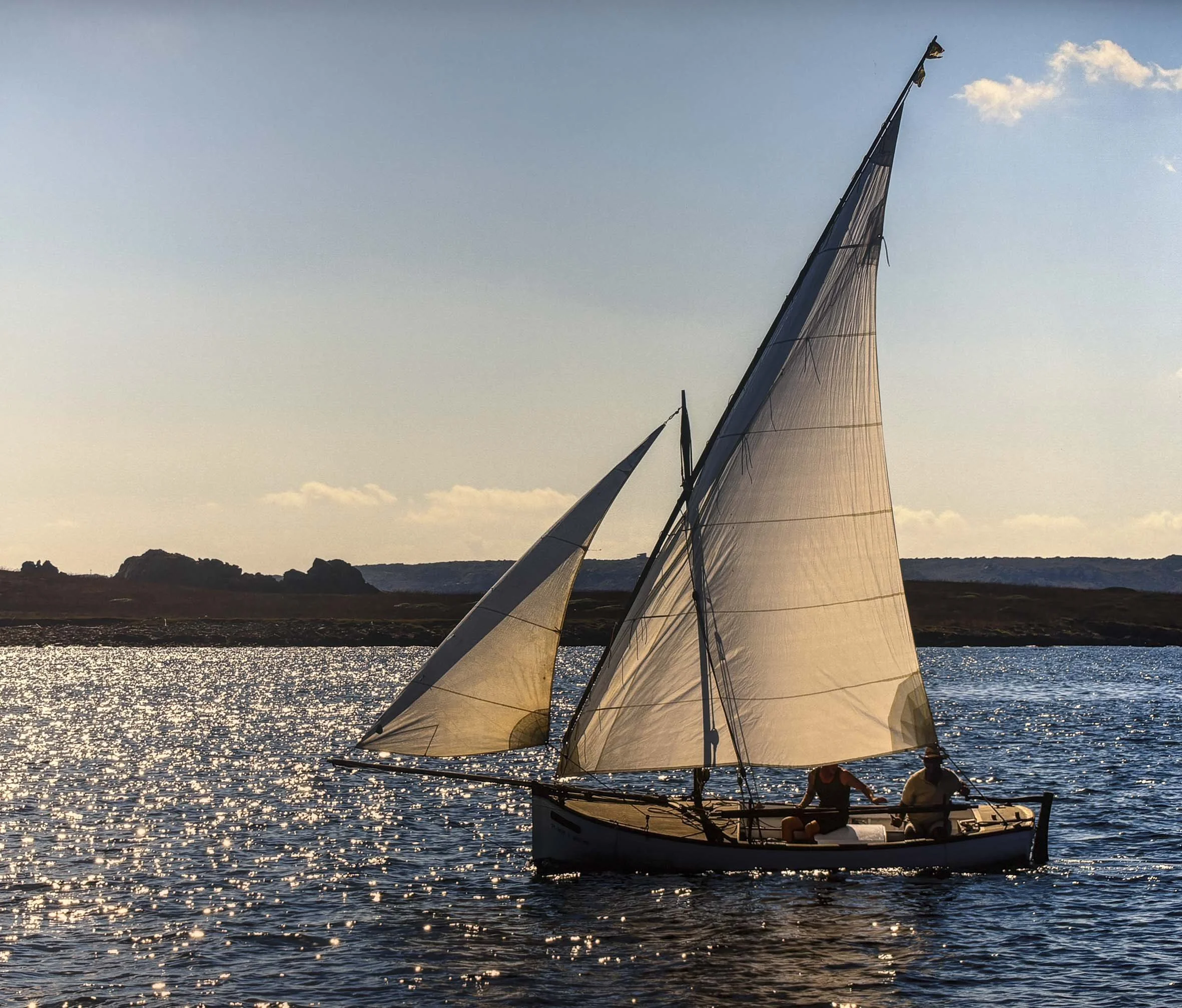
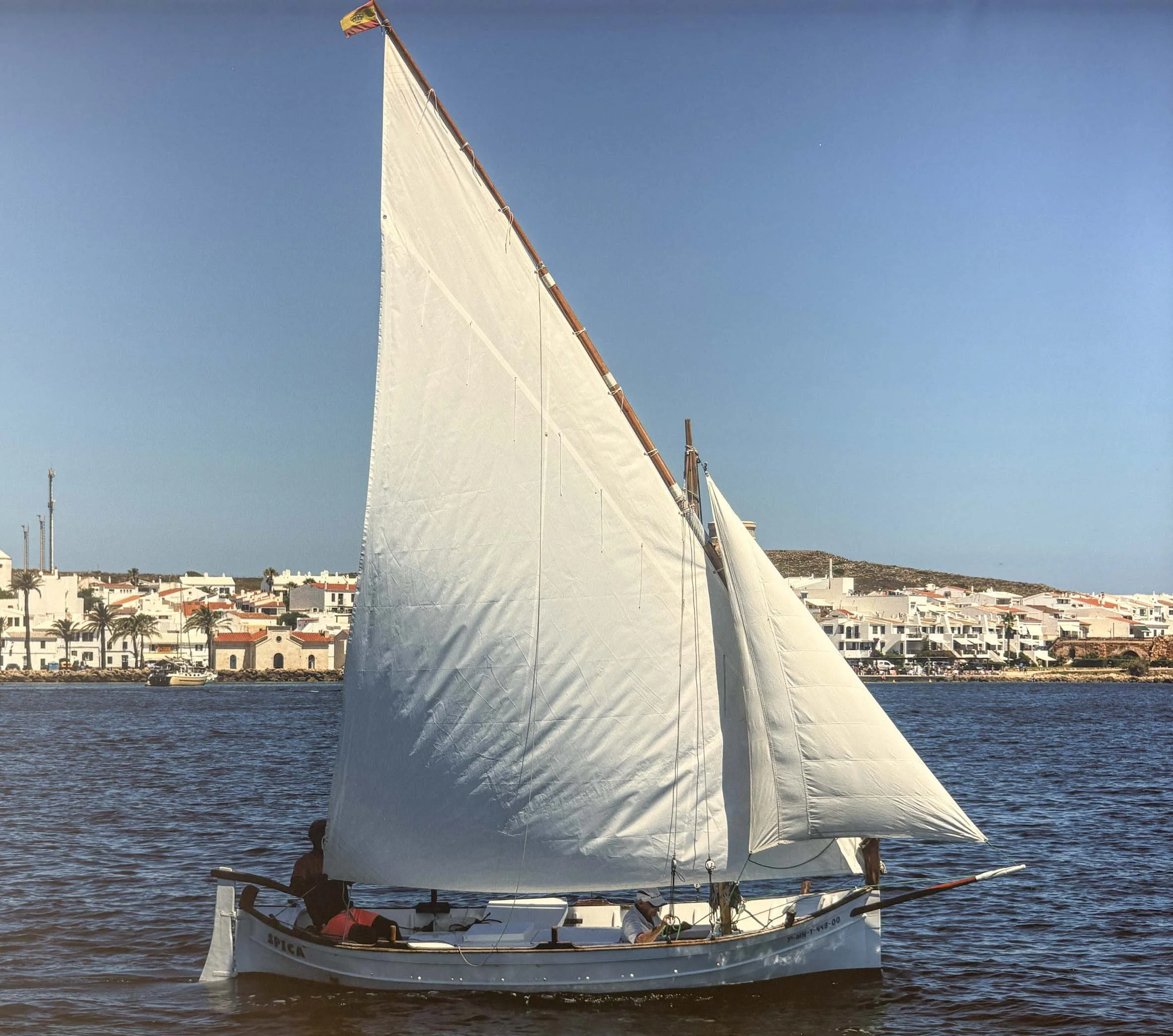
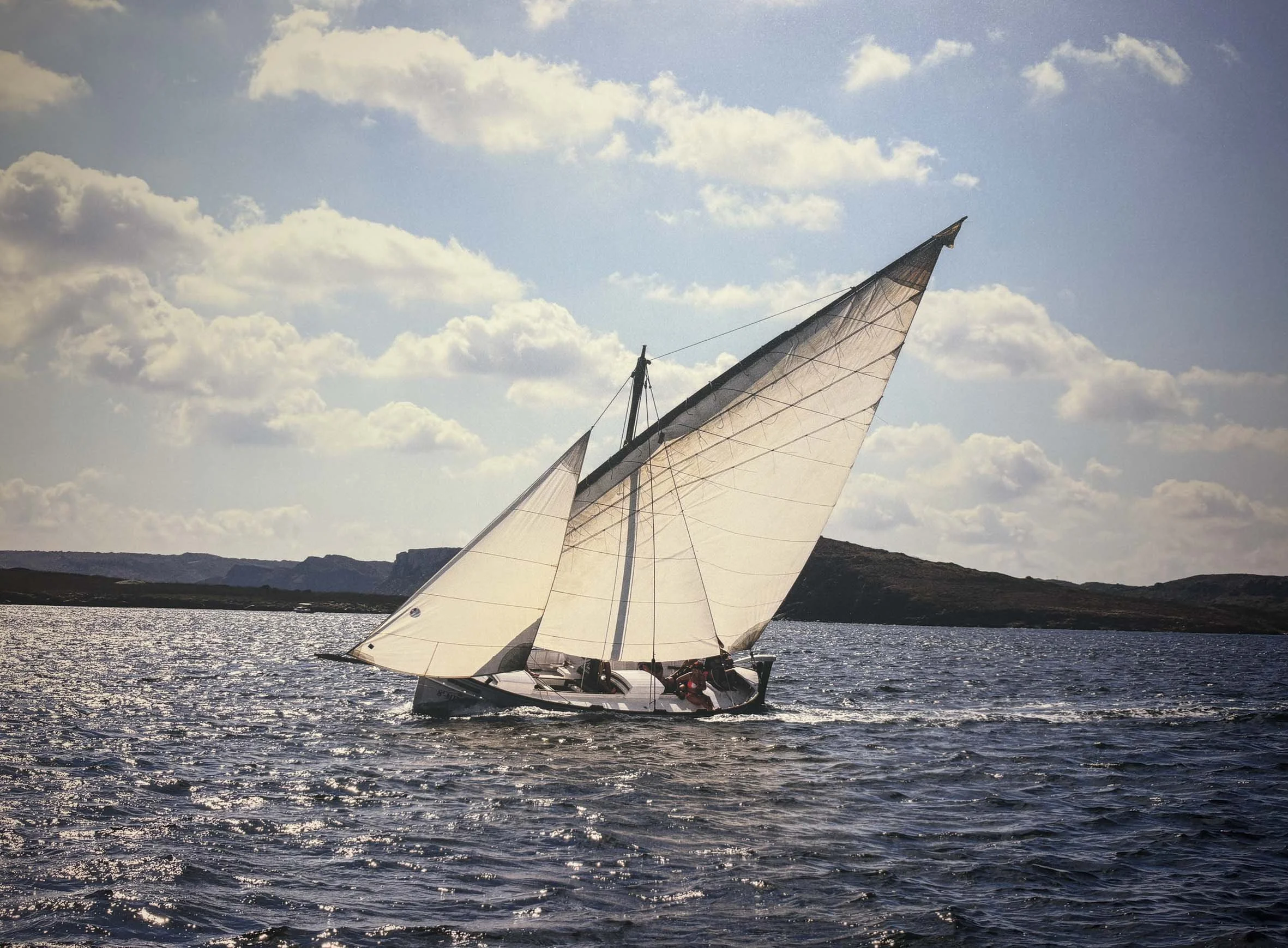
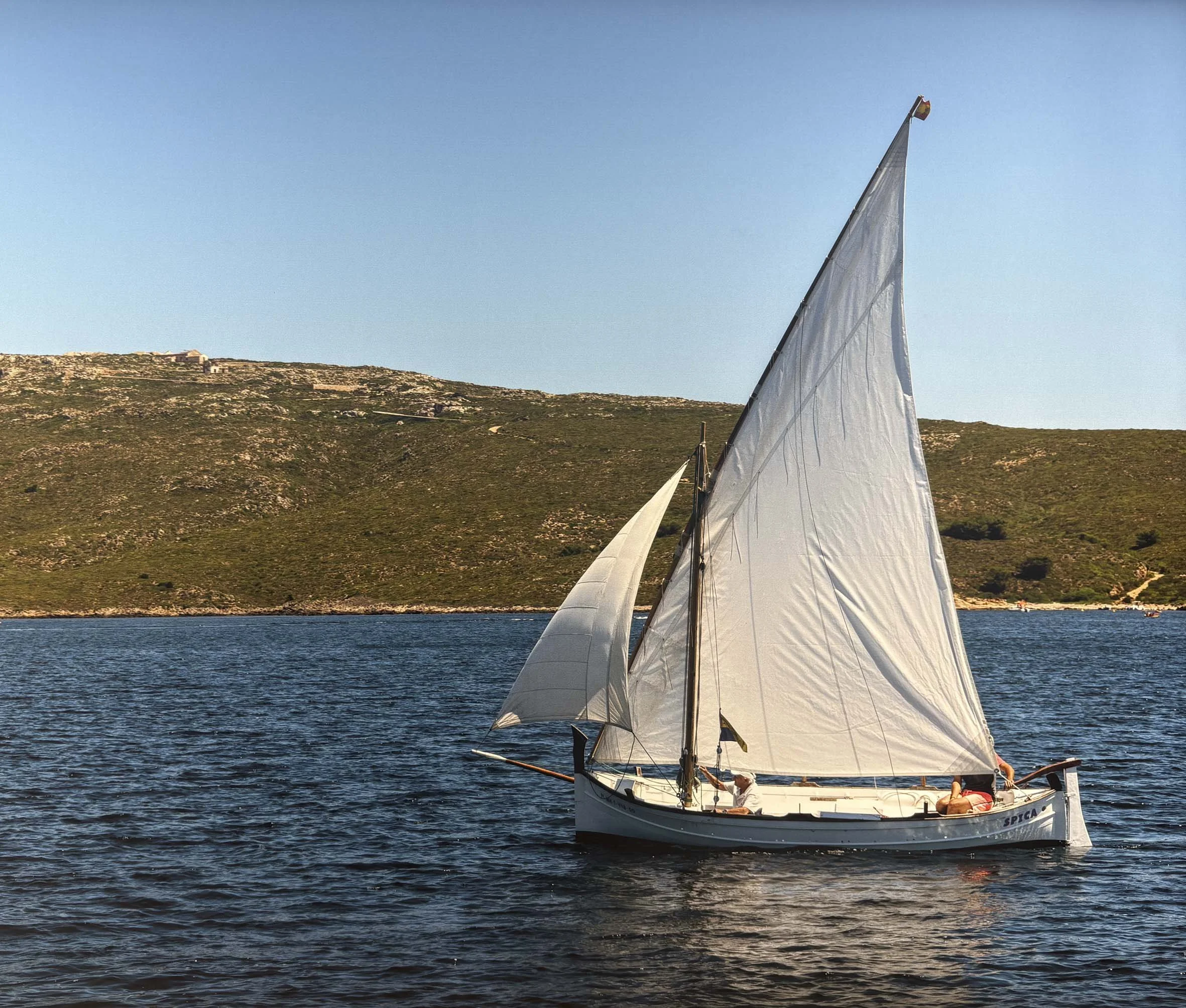
Top left-A flat bottomed Bot sailing off the coast of Na Macaret, Es Mercadal. Top & bottom Right. Llaut sailing in Badia de Fornells, Es Mercadal. Bottom Left Another Llaut under full lateen and foresail of the coast near El Grau
The museum also traces the island's coastal defences, lighthouses, and the small seaside huts used by fishermen for shelter and storage — around two hundred of which still dot the coastline today.
As a photographer perhaps my favourite part was the dedicated gallery honouring photographer Toni Vidal, born in Es Castell in 1934, whose extraordinary images of sea life in the 1960s and 70s documented the fast vanishing world with both artistic sensitivity and historical precision.
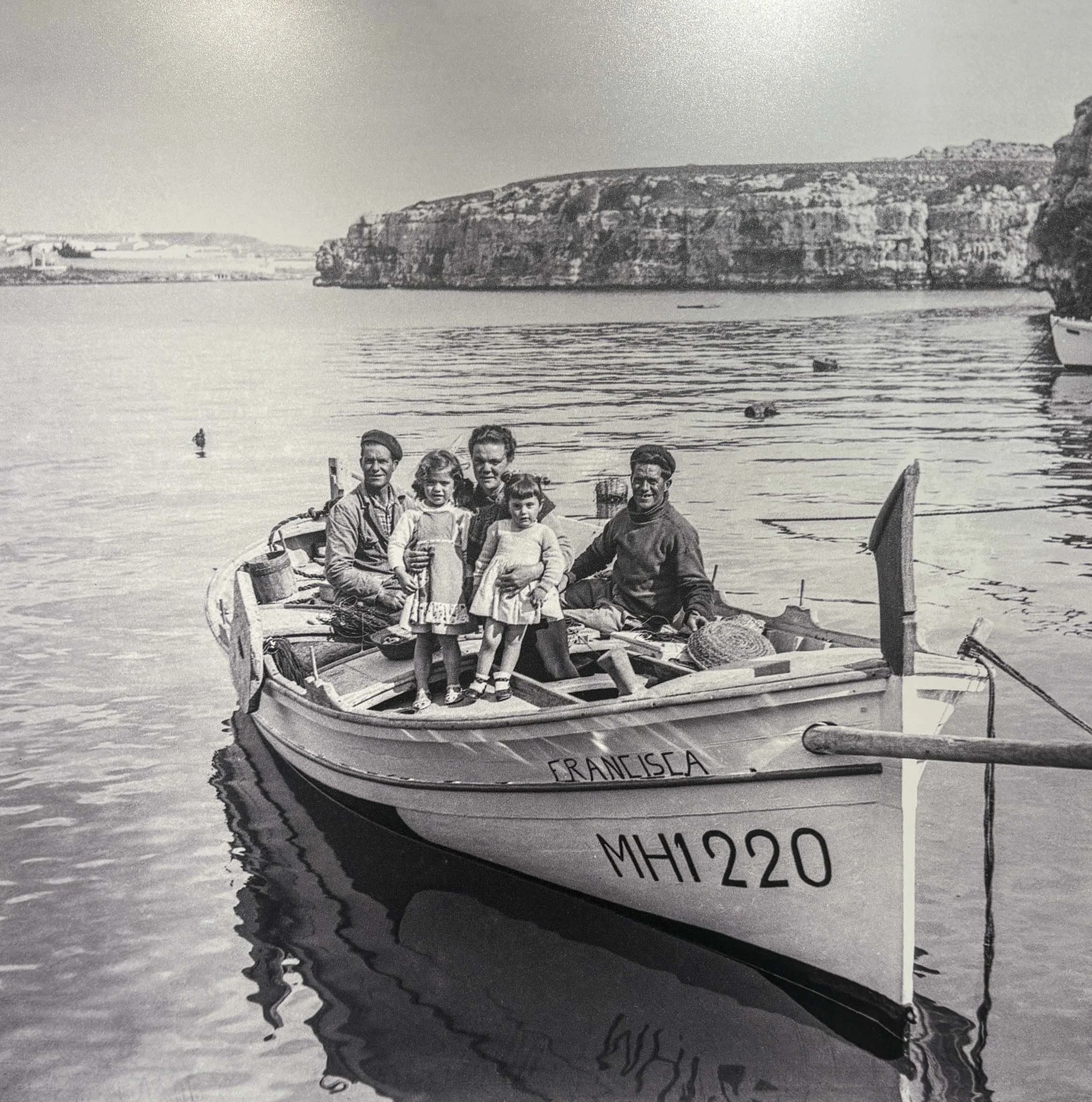
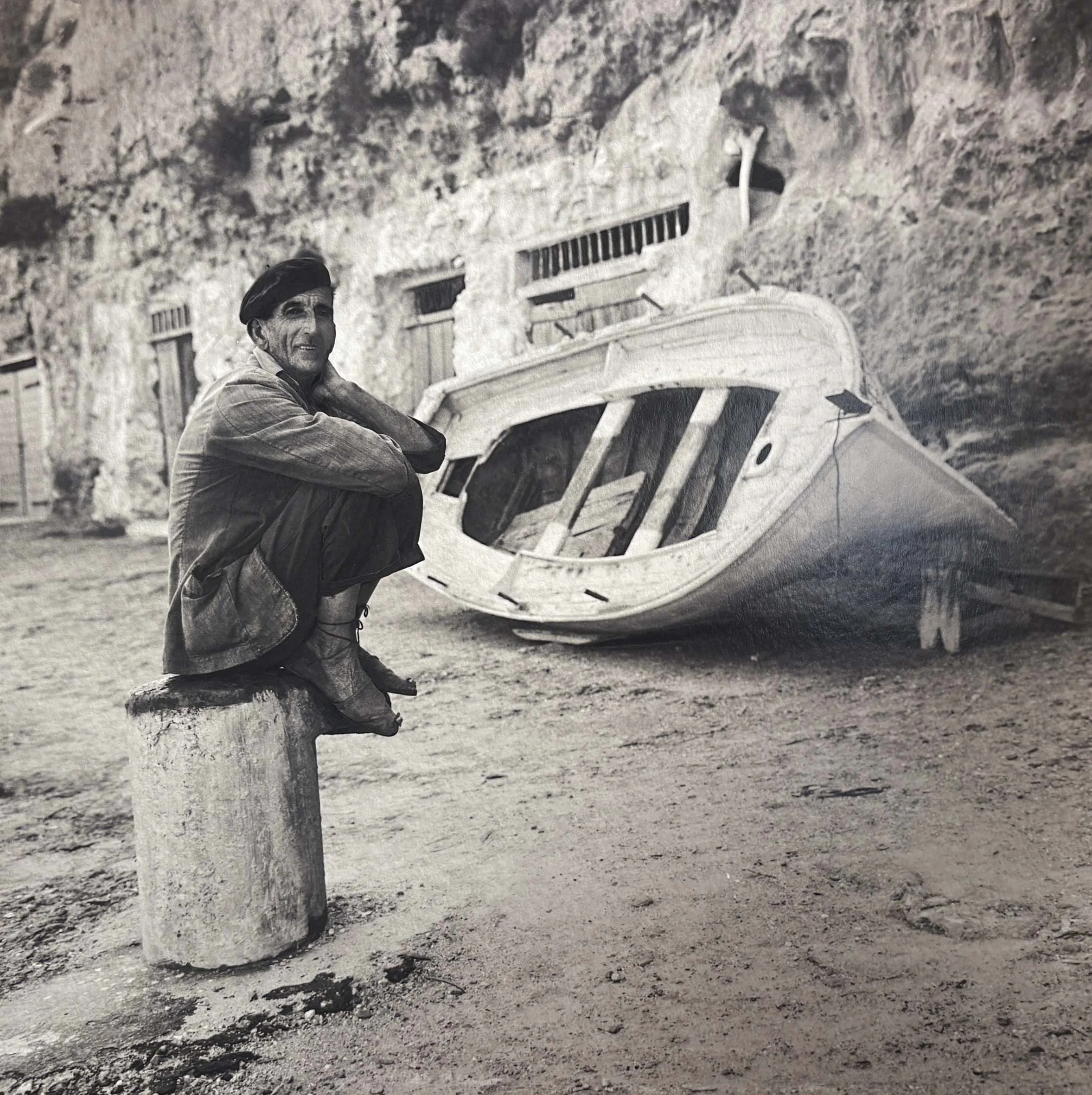
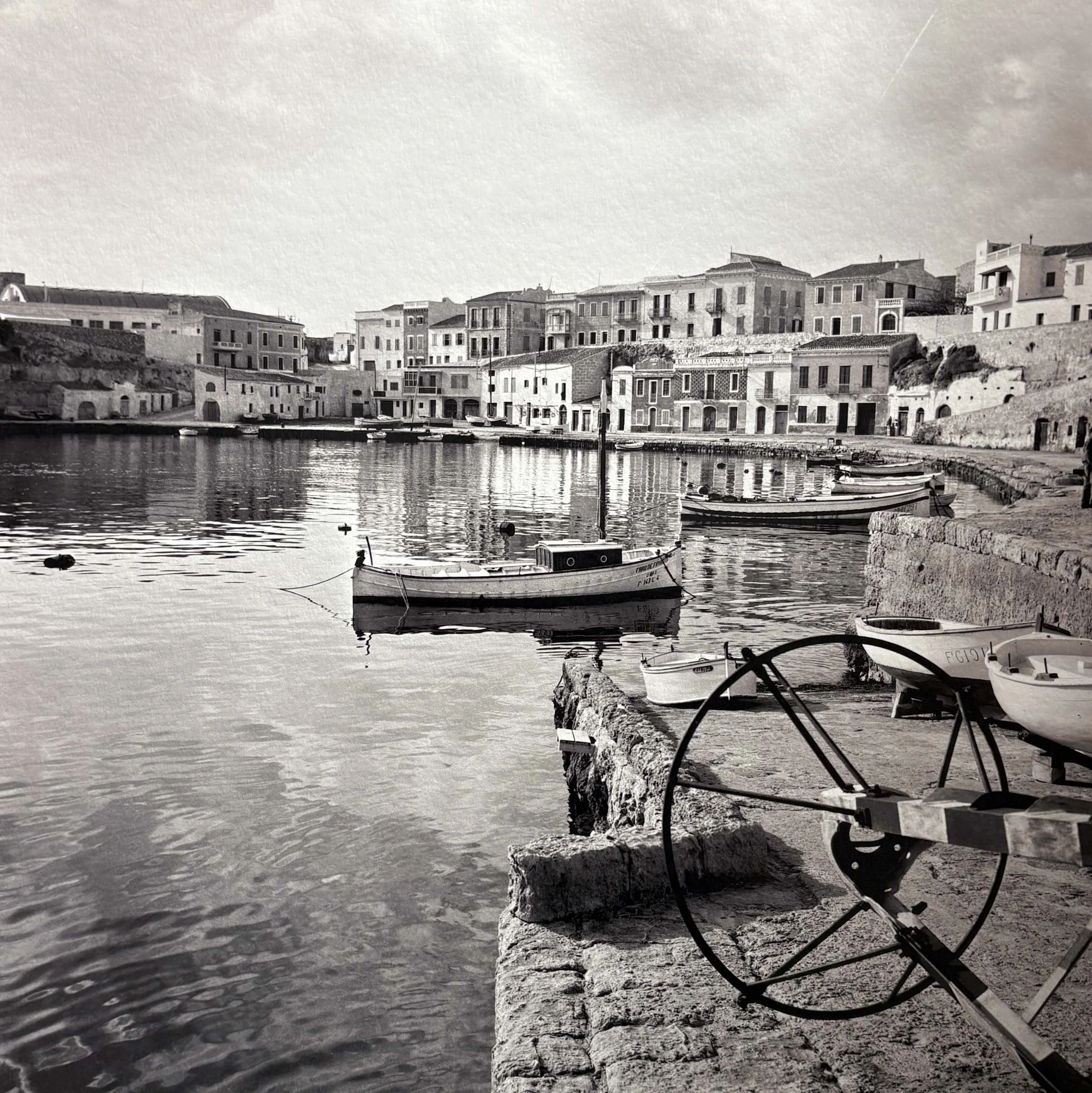
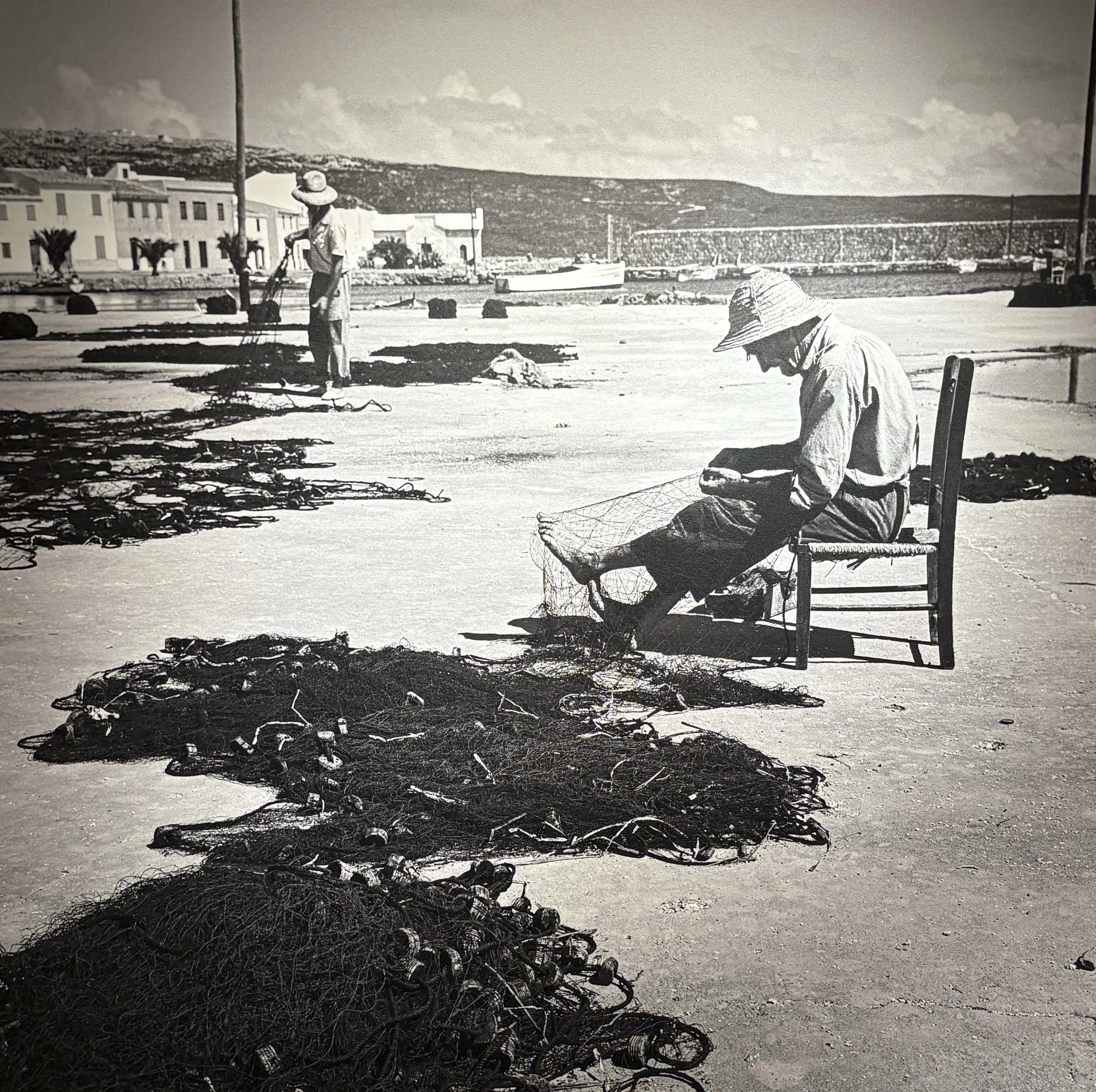
Some examples of the beautiful work of Photographer Toni Vidal, born in Es Castell in 1934 (click to enlarge)
An hour is enough in a place like this. The displays are simple and well thought out. You walk away, not feeling overwhelmed by the things you might have missed out on, but enriched by the values of the sailors who created this history.
And the messaging is clear. Thalassa is a museum that understands its purpose well: knowing one's heritage is the first step toward protecting it for future generations.
How to trim a lateen sail!
Next time you are travelling and have a few hours to fill look up your local Maritime museum.
HERE’S A LIST of about 150 institutions affiliated with the International Congress of Maritime Museums.
And HERE’S A LIST of 40 Maritime Museums in Australia