
Flotsam & Jetsam 29.06.26
Mayonnaise may not be Mahonaise!
Ok… This has got nothing to do with wooden boats, but it’s correspondence like this from Mike Strong (LANDFALL S&S 1935) in response to last week’s editorial that brings a smile to my face.
“Personally, I've never bought this tale, if making a sauce using an emulsion ie whipping egg yolks and adding cream was what’s hoped for?
When you are doing this as a cook, you slightly cook the egg while dribbling in cream, and make a sweet custard or creme anglaise. This method is also used for extremely delicate warm lighter savoury sauces, but this happened, I think later and they were used on dishes that were utterly haute cuisine, early 1900s eg Ferdinand Point in Vienne
Using cream and an egg yolk with its fats and palate taste almost preclude it from use as a cold sauce
But in this example accredited to Mahon olive oil is substituted for cream in a cold sauce, it doesn't make sense to think they wanted cream but substituted olive oil
Possibly this sauce is something closer to aioli , this and fish sauce is attributed even as far back as Roman times in southern France and the Mediterranean, they didn't use egg yolk for this one but it is from the same general area. Maybe someone had the idea to use an egg yolk to expand this old recipe while it holding it in a creamy emulsion, which is impossible with the original idea (it relies on stale bread but none the worst for it)
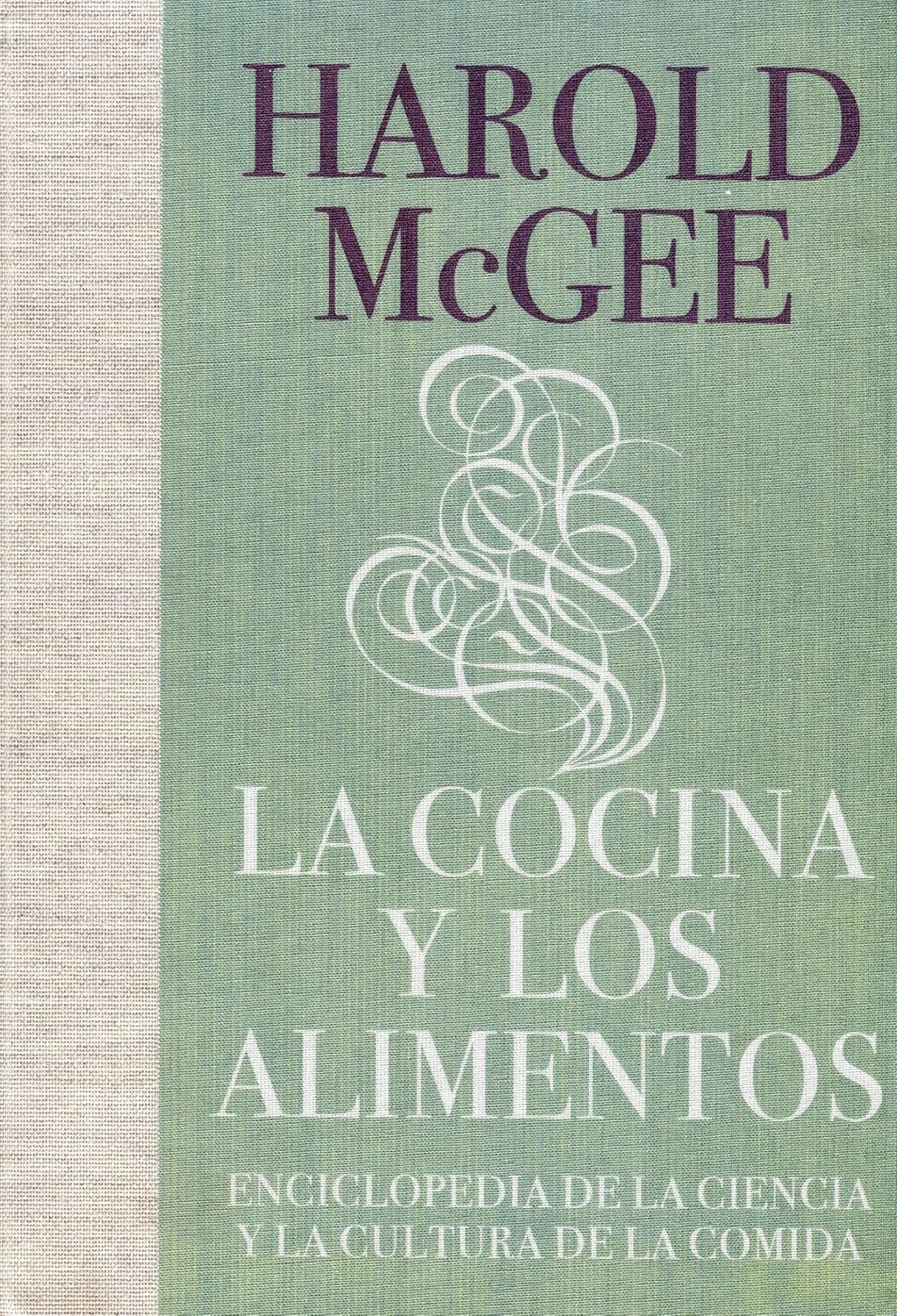
In the science of the kitchen by Harold Magee, and you can thank him for most serious modern chefs as he provided the science behind things, one egg yolk can hold an enormous volume of oil in suspension, ie a creamy sauce , mayonnaise
It's possible that cooks and housewives found that whipping an egg yolk then dribbling in what might have been stored salsa Verde or aioli that they could make something stable while also adding, lemon, garlic, anchovies, chilli, the texture might be cream like but it doesn't use dairy
It's common to add mustard now to the egg yolk before whisking in the oil when making mayo, the mustard is an emulsifier ,and does help to hold suspension
But what sort of army cook would have thought that in Port Mahon he was near Normandy cows anyway?
It's fascinating stuff none the less
Please post a photo of Matilda in Mahon it's a place I've only read about in the Patrick O'Brian books.
Mike”
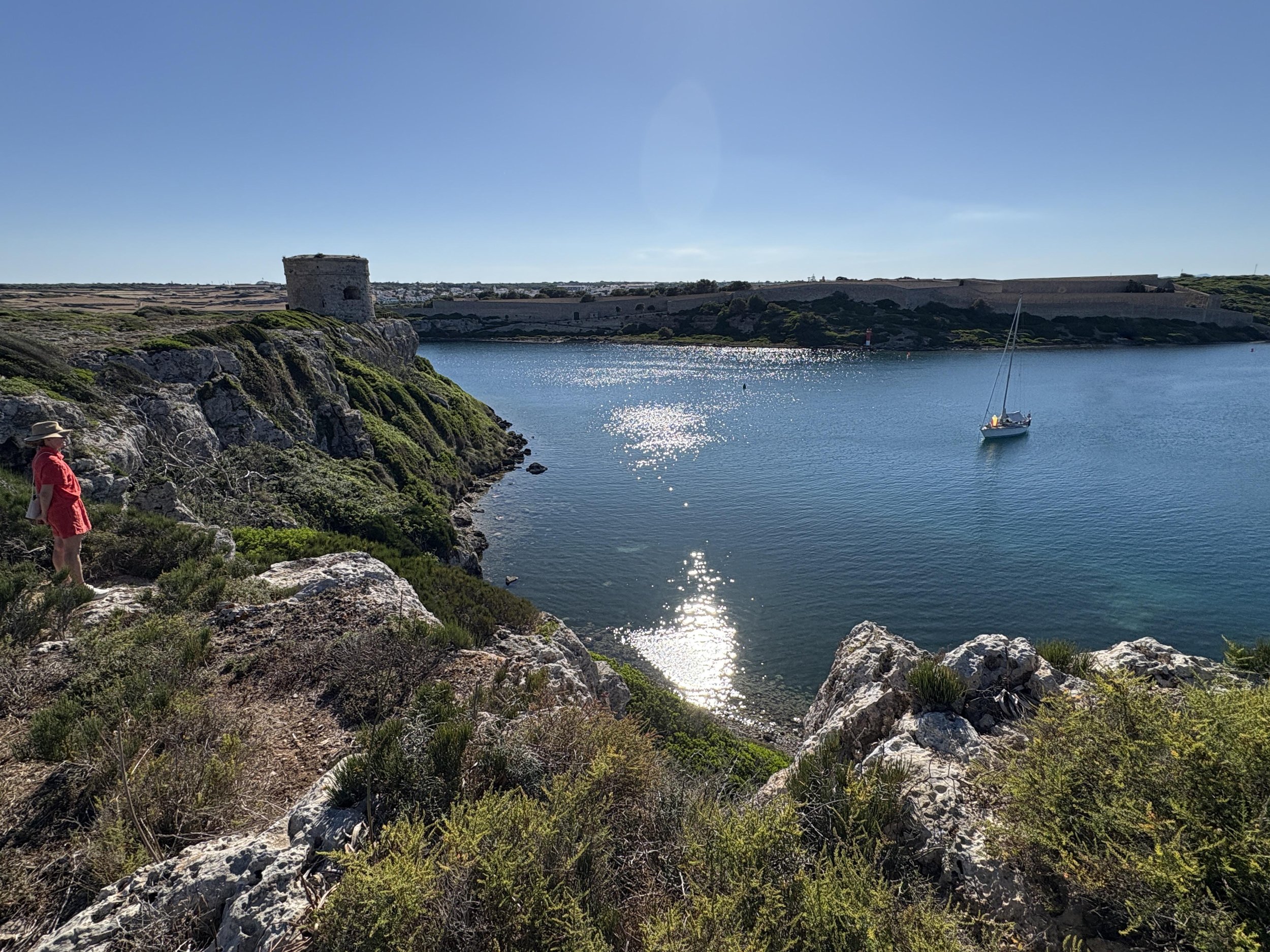
As requested…MATILDA in Port Mahon with her co-skipper looking on
ZEST History Please
Peter Owens a regular reader of SWS and custodian of the 1947 Herreshoff 34’ sloop ZEST is looking for more information to fill in the blank spaces around his boat’s history.
This is what he does know…
“ZEST may have been a ketch originally. Her rego papers list the manufacturer as unknown, but I have been told she was built in Fairlight by the Evens Brothers although this may be a Furphy! She is currently moored in Powderhulk bay.”
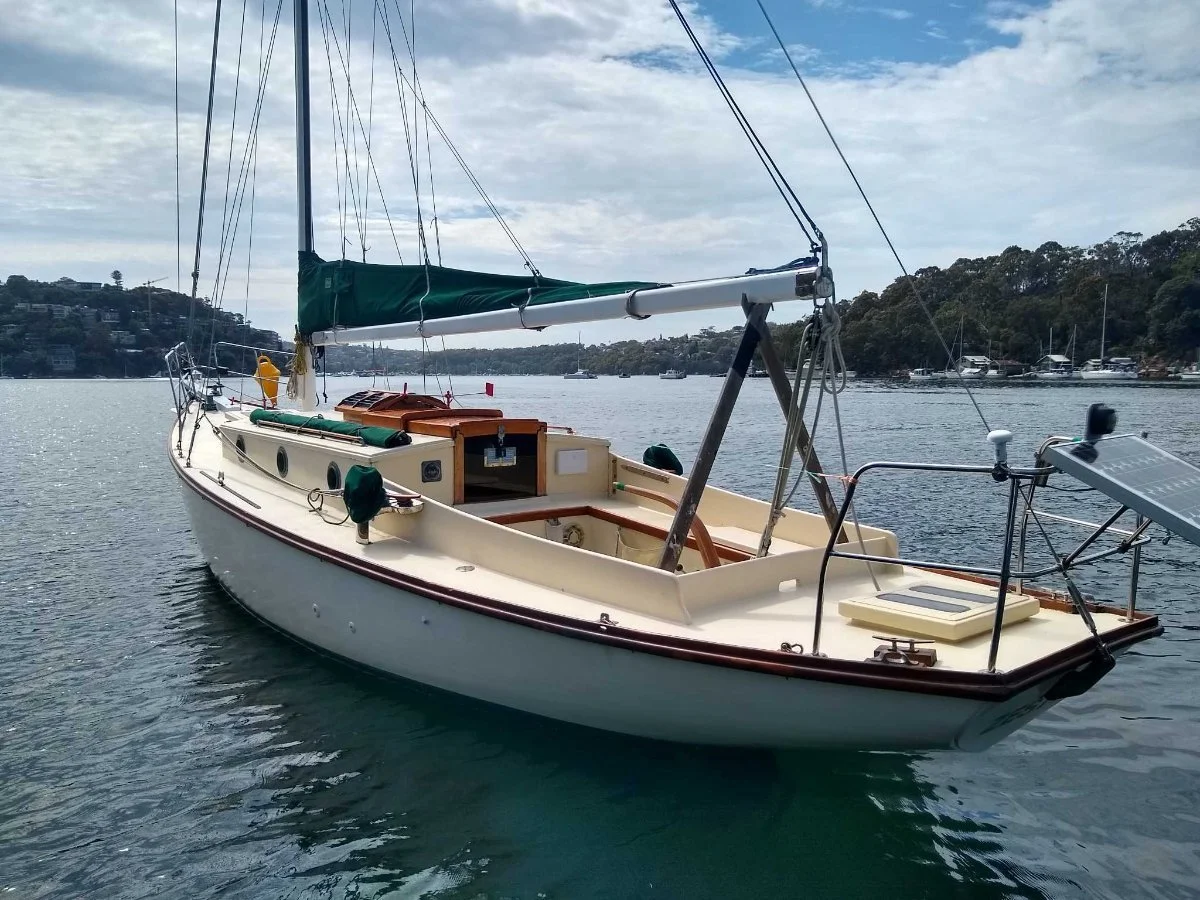
Surely SWS readers can flesh this out! Email us HERE
On Shore Applications
Although on water applications for next February’s Australian wooden Boat Festival have been open for a while, The on shore applications just opened this week. Having your boat on the hard at the festival, is an incredible way to spend time at the heart of Australia’s traditional Maritime community on the waterfront in Hobart.
If you want to know more about the breadth and richness of the Festival have a look at this video
More details HERE
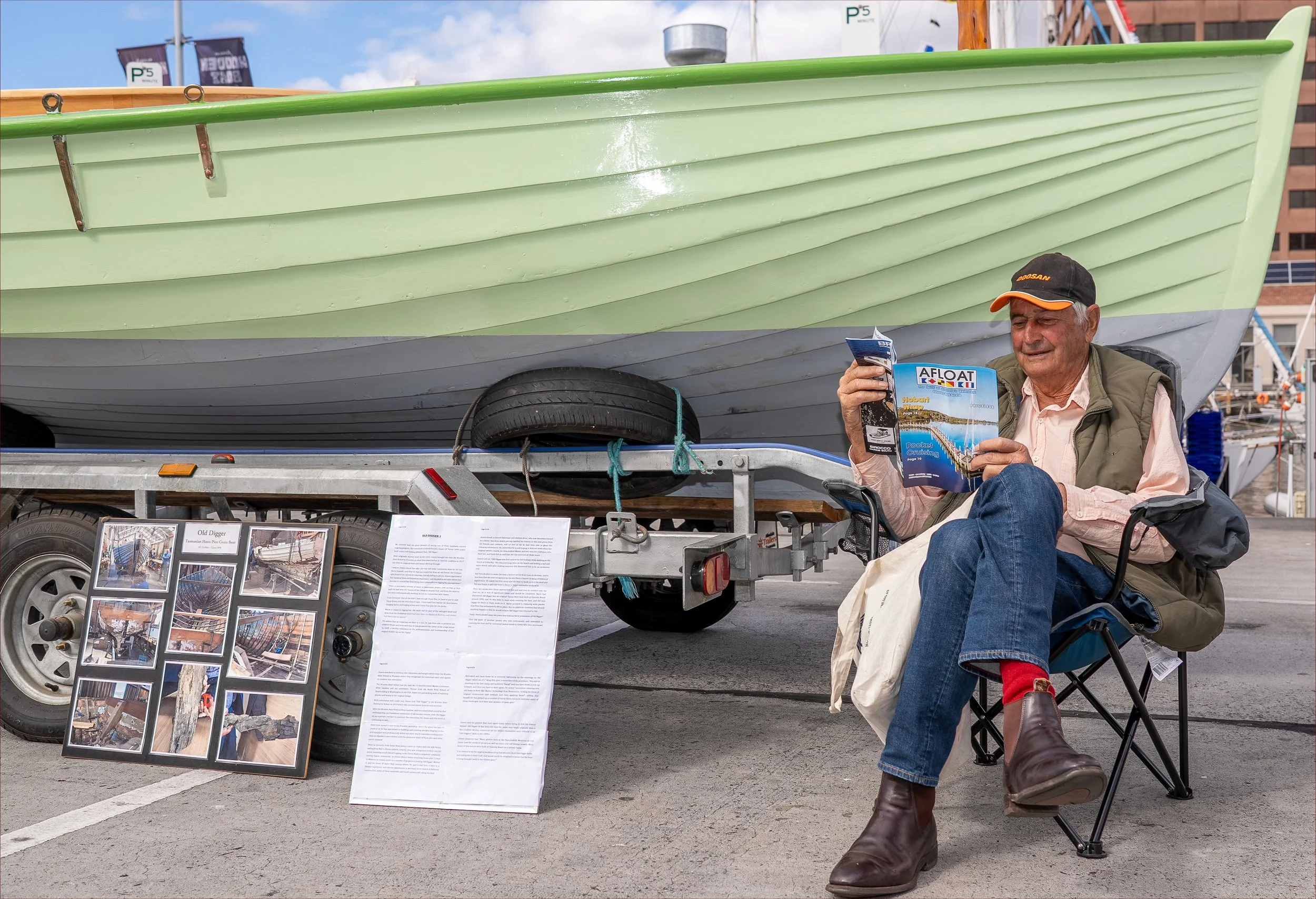
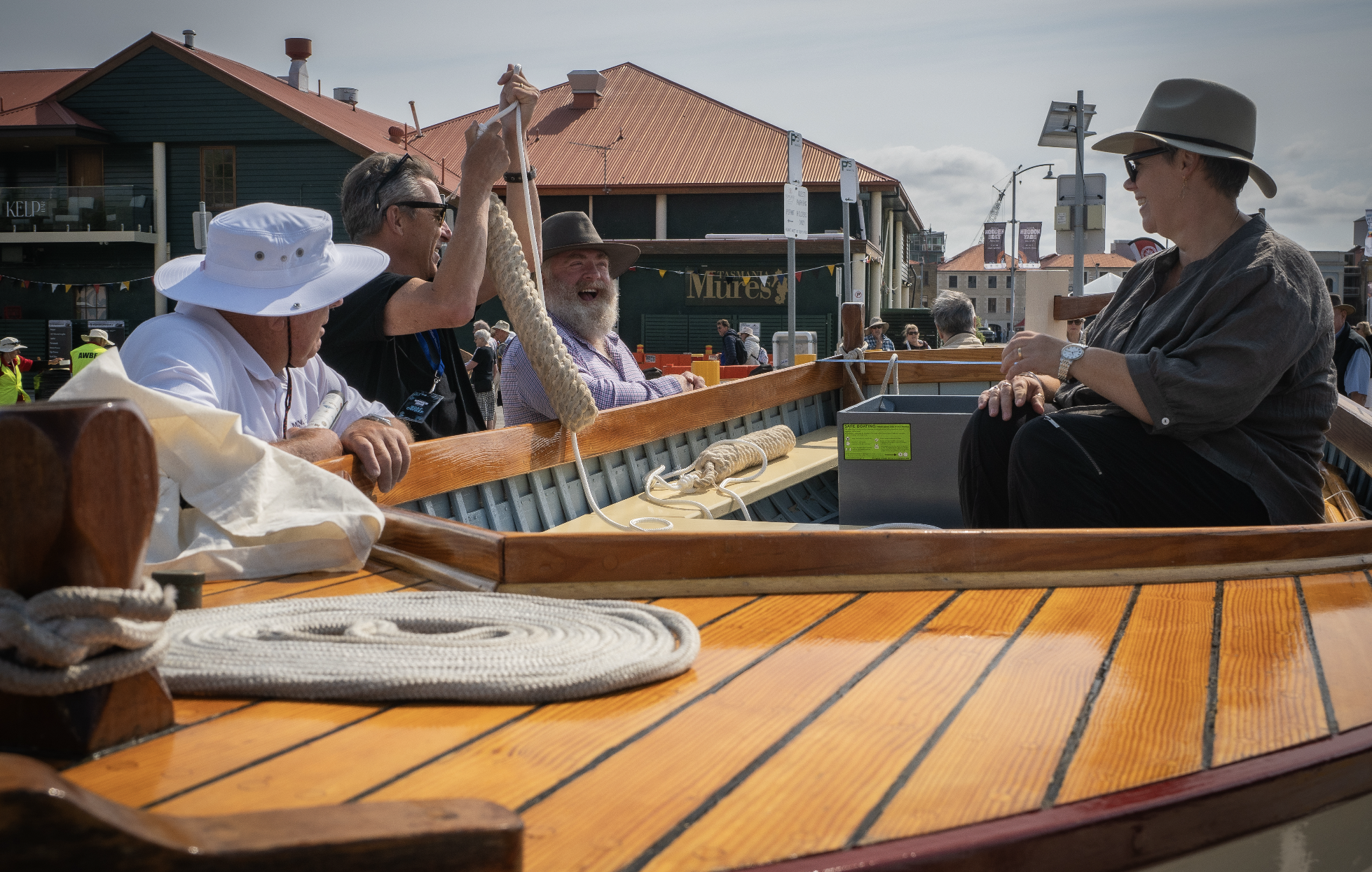
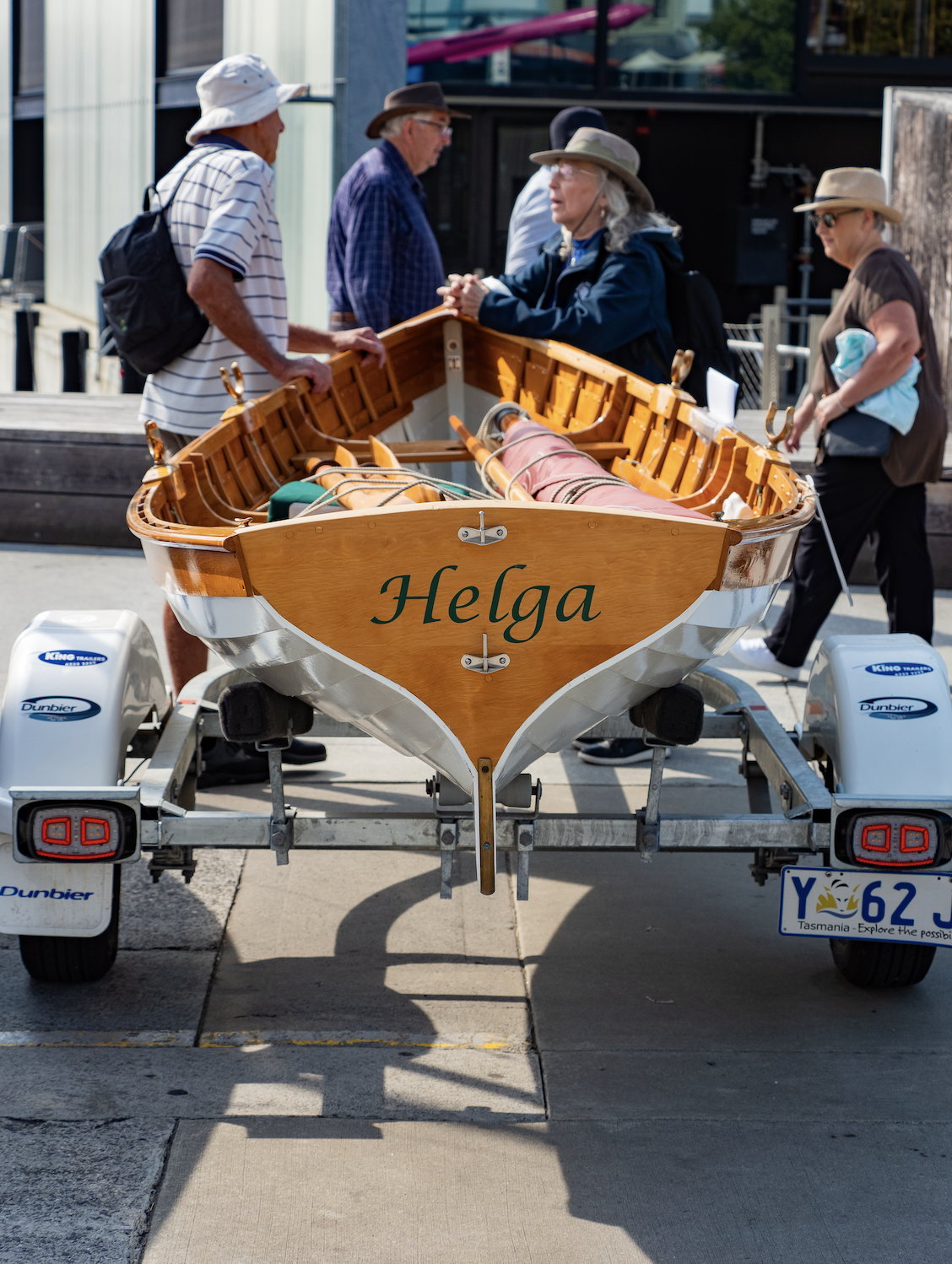
Ben Hawke - Pacific adventures on Kathleen Gillett and Maris
More great content from the AWBF Symposium 2025, has been going up online.
Have a watch of this talk by Jack Earl’s grandson, Ben Hawke, as he tells of Jack’s Pacific odyssey on Kathleen Gillett in 1948, and voyages on Maris in the 1960s and ‘70s.
Ben Hawke grew up with his grandfather Jack Earl close at hand. Having sailed many thousands of miles with Jack onboard Maris, he continued the next chapter of Maris’s South Sea adventures when ownership transferred to Ian Kiernan, including voyages to New Zealand and Tahiti.
In his professional life as a current affairs and documentary producer, Ben’s obsession with islands, especially in the Pacific, has forged many of the special projects he has helmed.
In this presentation Ben will take you on the adventures of his grandfather Jack Earl through photo’s and prints from his logbooks, as he voyages across the Pacific and the world. The prints show deeply personal stories and beatiful painted images of these adventures, presented by Ben Hawke during the 2025 AWBF Symposium.
I’m a Fan of this sort of Foiling!
Not Southern, not sailing, and not wooden…. But very cool. This is one type of foiling SWS could really get into!
(Thanks to North American reader Peter Smith for sharing.)
The churn of ferry travel disappears, and there is almost no wake, as Stockholm’s shoreline slips silently past.
“When we lift the boat, the drag from the water reduces 80 to 85 percent,” says the captain. “And we can charge this boat fully in approximately one hour.”
After initially developing high-speed electric leisure boats, Gustav Hasselskog is betting on the global commuter passenger market.
“We reduce energy consumption by about 80%, which take out a lot of the fuel costs; it’s much cheaper than operating traditional diesel ferries”, he says.
The P12 is the first electric hydrofoiling vessel of its size in the world, we are the only company delivering these types of vessels.”
An achievement that needed solving complex engineering issues.
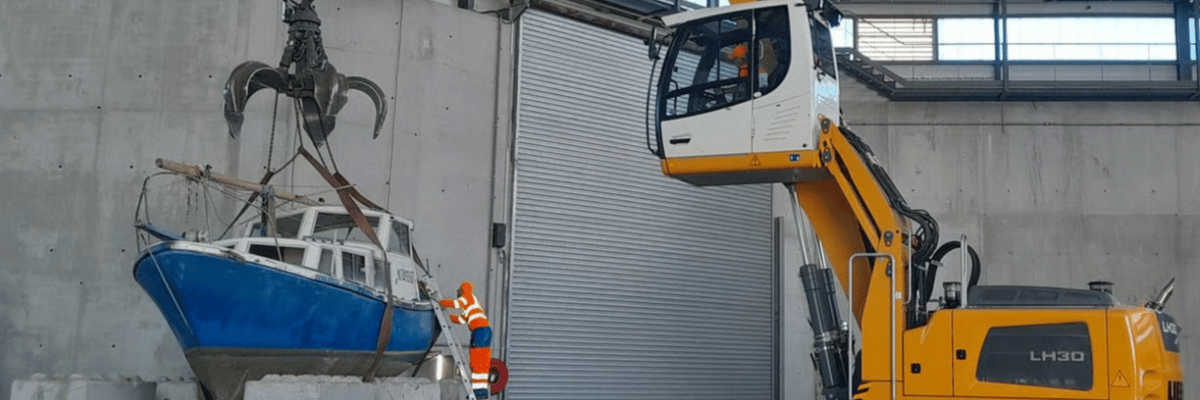
End-of-life boat collection to become a continent-wide effort
From Metstrade the leading European Marine leisure industry body
Dismantling boats and recycling the materials that remain, is a cost factor. The value of equipment and raw materials that can be reclaimed, is lower than the cost of collecting and treating the boats. Positive examples of the collection, dismantling and recycling of end-of-life boats do exist, but it is the cost factor that has prevented widespread adaptation of boat recycling. In France, boat registration is mandatory. In many other countries, including EU countries, it is not. There is no formal knowledge of the number of boats and their ownership. It is very hard to confirm ownership of an abandoned boat. With no registered ownership, no taxes can be raised. And the cost of recycling still isn’t covered by the revenues of sales of parts and reclaimed materials.
Read the full article HERE
Giant squid discovery uncovers a hidden deep-sea world off Australia
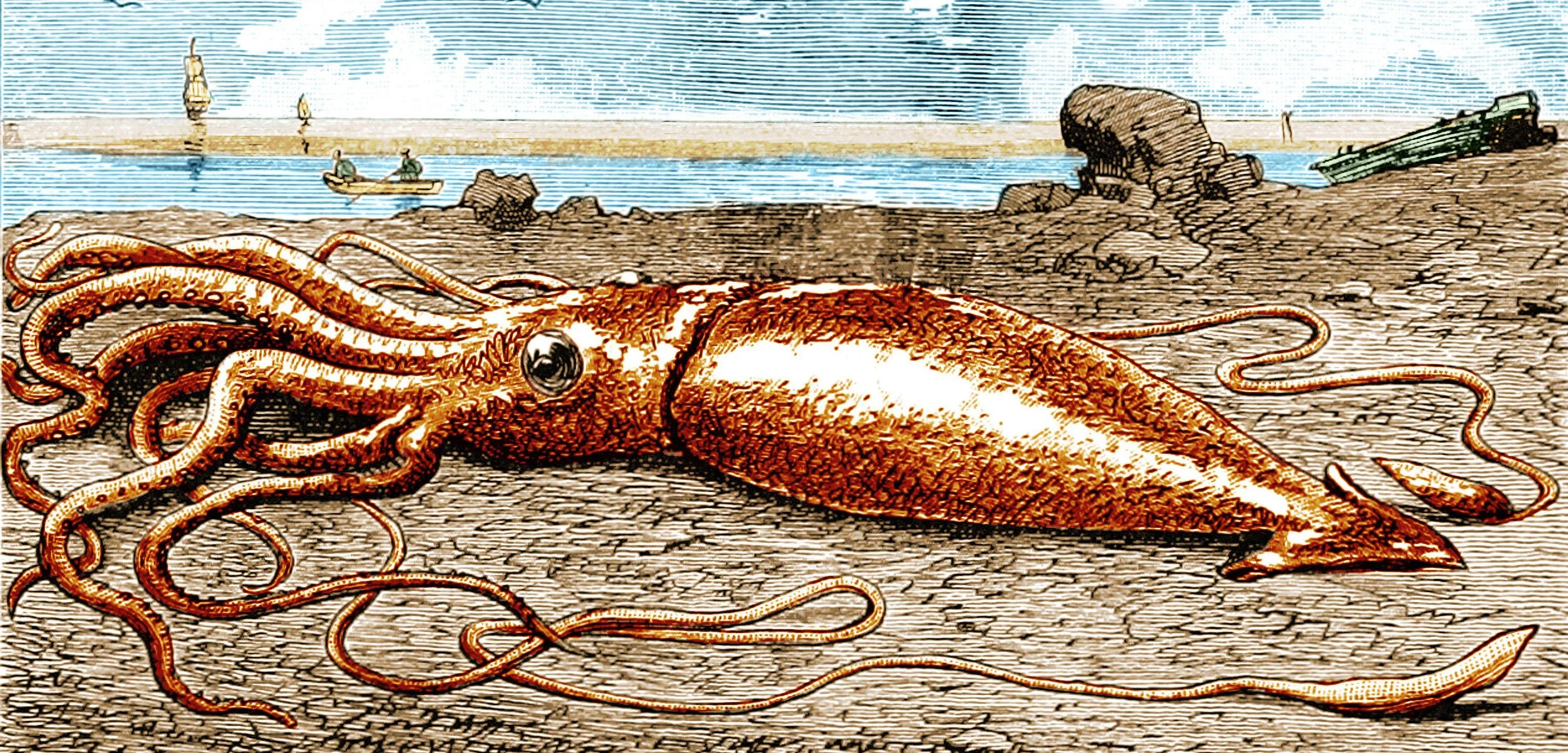
Scientists have uncovered a remarkable variety of marine life hidden deep beneath the waters off Western Australia's Nyinggulu (Ningaloo) coast, including evidence of giant squid and several species that may be unknown to science.
The discovery comes from a Curtin University-led study that explored the Cape Range and Cloates submarine canyons, located about 1200 kilometers north of Perth. During the expedition, led by the Western Australian Museum aboard the Schmidt Ocean Institute's research vessel R/V Falkor, researchers collected more than 1,000 samples from depths reaching 4510 meters.
Among the most notable findings was evidence of the giant squid (Architeuthis dux), detected in six separate samples collected from both submarine canyons. Researchers also identified deep-diving whale species, including the Pygmy sperm whale (Kogia breviceps) and Cuvier's beaked whale (Ziphius cavirostris).
Giant squid are among the ocean's most mysterious animals. They can grow longer than a school bus (10 to 13 meters), weigh between 150 and 275 kilograms, and possess the largest eyes in the animal kingdom, reaching up to 30 centimeters across, roughly the size of a large pizza.
MV Steve Irwin
From Our Friends at The Melbourne Maritime Heritage Network
Having lost the Heritage Fleet from Victoria Harbour, MMHN is delighted to welcome the newly painted and resplendent MV Steve Irwin back to New Quay, where it is currently berthed at the City of Melbourne Marina after several years in Newcastle. While the ship is in our waters, don’t miss the opportunity to visit this remarkable vessel.
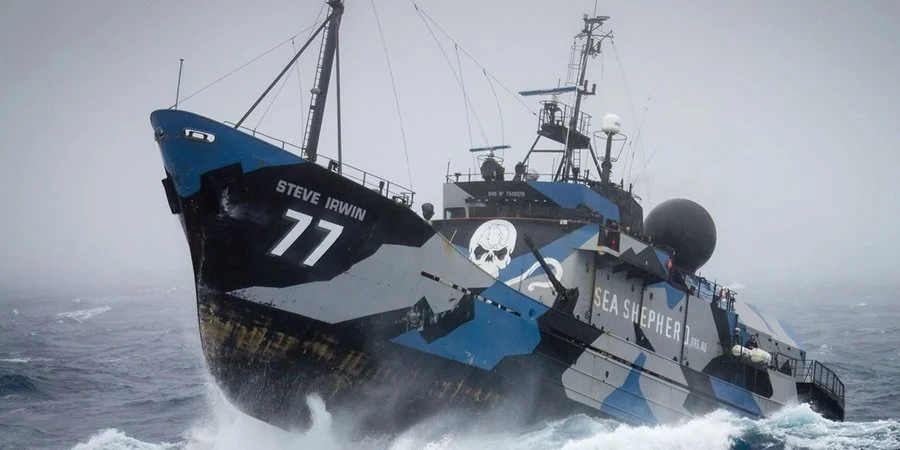
From 14 June, visitors can enjoy guided ship tours, the weekly light show “Seaing is Believing” each Saturday evening, and live music performances on Sundays.
The vessel carries a rich and extraordinary history of adventure and environmental activism, much of it involving determined yet non-violent direct conservation action. The ship became internationally recognised as a frontline vessel in the ecological campaign against illegal whaling in the Australian Marine Sanctuary and Antarctic waters, participating in 18 anti-whaling campaigns. Over the course of a decade, the ship and its volunteer crew fought valiantly, directly helping to save more than 6,000 whales, as documented in the acclaimed television series Whale Wars.
Originally built in 1975 as the Scottish fisheries patrol vessel Westra, the ship was renamed Robert Hunter in 2006 in honour of the Greenpeace co-founder, before later being renamed MV Steve Irwin in tribute to the celebrated Australian naturalist and conservationist Steve Irwin.
Details of upcoming events can be found at Ship4Good
To find the ship, take the Waterfront City Tram to Docklands, Tram 86, cross the road and walk towards New Quary and Harbour water.
A Simple Idea, Working Well
Marine Conservation Cambodia has now deployed 1,250 FPS structures across southern Cambodia. The figure represents 25% of the project’s overall target, a milestone that marks years of sustained work in often demanding conditions across the coastal provinces of Kampot, Kep, Koh Kong and Preah Sihanouk.
The original design of the Habitat Restoration and Anti-Trawling Structures, was to passively stop and hinder the encroachment of illegal trawlers within the MFMA.
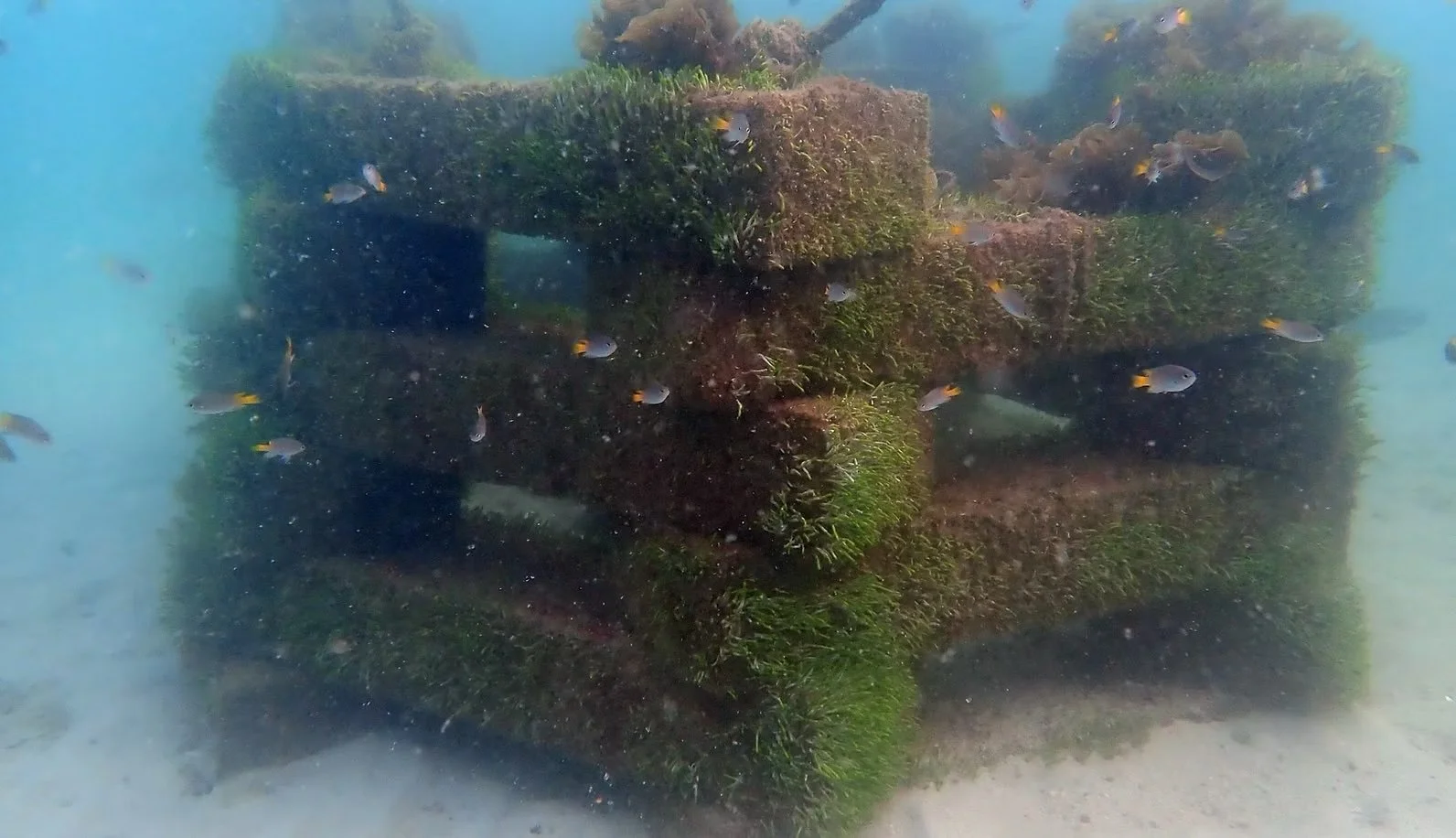
Bottom trawling is the number one cause of both habitat destruction and the current collapse of Cambodias inshore fisheries. It has been the most significant factor in the devastation marine life specifically within the Kep Archipelago.
TROPIC STAR
Not wanting to do the broker’s job for them but this beautiful Alan Payne designed 1960’s motorsailer deserves a new and loving owner! She looks like she should be a Sydney day boat, but she’s based at the South end of Port Phillip.
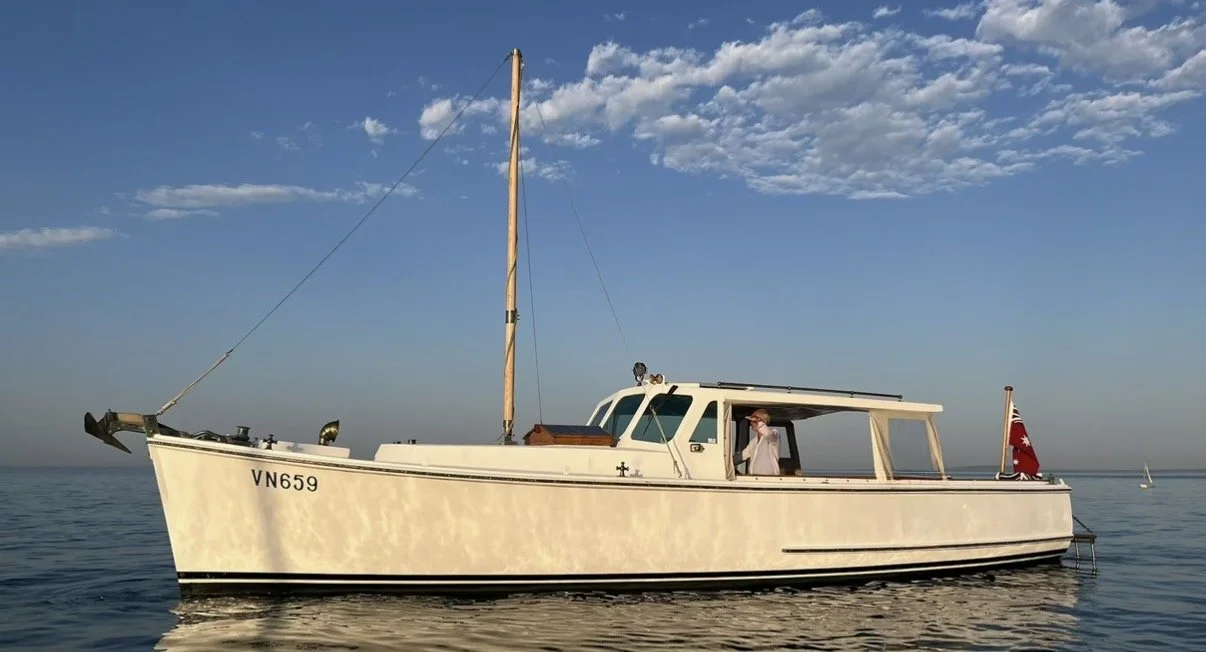
She’s rich with provenance and history, and her design heritage is woven into the very fabric of Australian Maritime legend. It’s a pity they took the stick out of her… But nothing is irreversible!
No need to hurry… she won’t be selling fast at that price! More details HERE
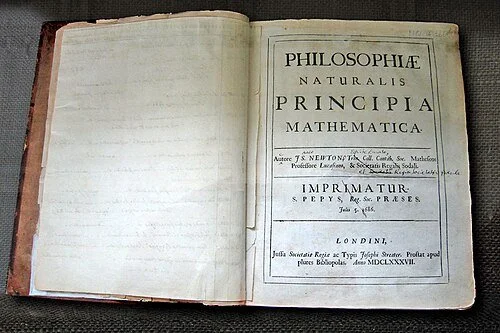
The Book about Fish that Almost Sank Newton
From Ageless Literature
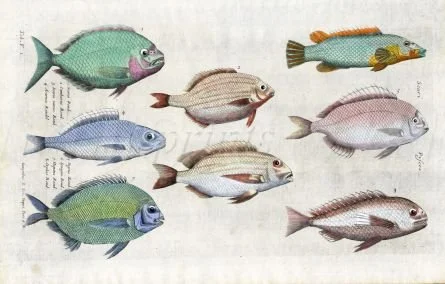
The most important book in the history of science was almost never printed, because the Royal Society had spent its money on fish.
In 1686 the Society poured its publishing budget into The History of Fishes, a lavishly illustrated volume that almost nobody bought. The warehouse filled with unsold copies.
A year later, Isaac Newton's Principia Mathematica was ready, but there was no money left to print it.
Edmond Halley, the astronomer who had pushed Newton to write it in the first place, paid for the printing himself, out of his own pocket.
The Society was so short on cash that it paid Halley part of his own salary in unsold copies of the fish book. The History of Fishes is forgotten… the book Halley rescued became the foundation of modern physics.
Sometimes a Story Finds You
From the Port Townsend Wooden Boat Festival Director, Barb Trailer
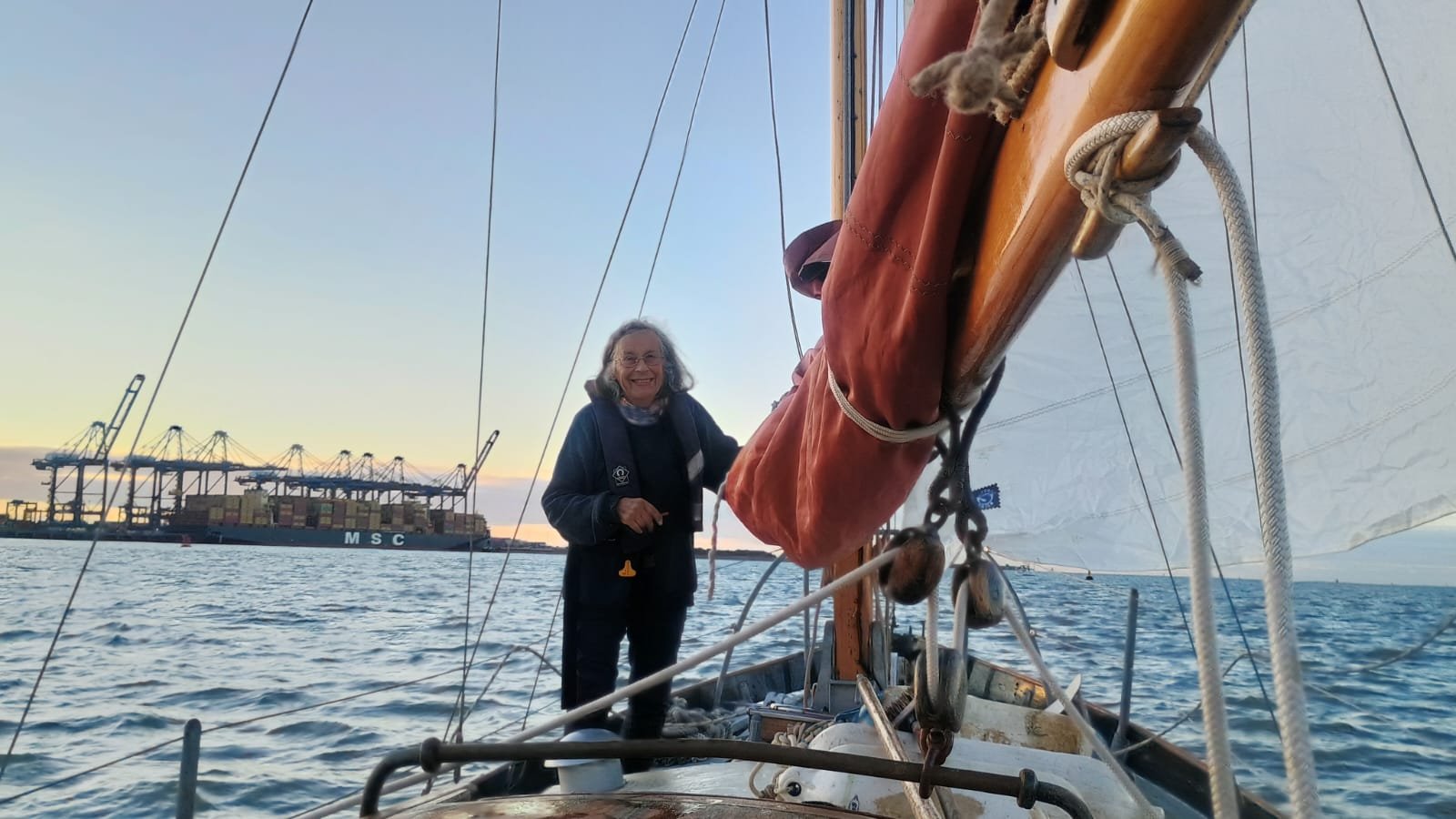
Every year, I come across hundreds of boats, books, and stories that could be part of the Wooden Boat Festival. All are interesting. Some are inspiring.
And then every once in a while, something lands in my inbox that really fires me up.
At first, it was the boat that caught my attention. Julia Jones sails Peter Duck, a 1946 wooden ketch built for Arthur Ransome, author of the beloved children’s books Swallows and Amazons. Named after one of Ransome’s most memorable characters, Peter Duck is a floating piece of literary and maritime history.
But the deeper I dug, the more fascinated I became with Julia herself.
Lloyd’s Register: Shaping Global Shipping For Four Centuries
If you are in Melbourne on 28th July this sounds interesting…
Dr Liz Rushen AM will be speaking on the evolution of Lloyd’s Register. Widely regarded as foundational to maritime history, the Register originated in Edward Lloyd’s London coffee house in 1760 and was substantially revised in 1834. Through the formalisation of ship classification, it supplied shipowners, underwriters, and mariners with authoritative evaluations of vessel condition. By standardising technical knowledge and risk assessment, it reshaped commercial practice, strengthened maritime governance, and contributed significantly to the safety of seafarers. Its legacy endures as a central instrument in the development of modern global shipping.
The event is presented as part of the Rare Book Week 2026 Program.
When: 6.30pm, Tuesday July 28, 2026
Where: The Athenaeum Library, Level 1, 188 Collins St, Melbourne
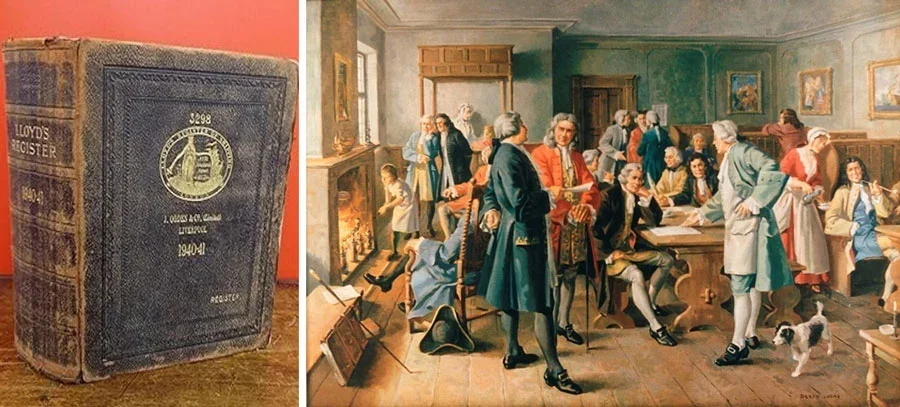
Images: The Register; Register’s genesis in a London Coffee house