Talking Boats
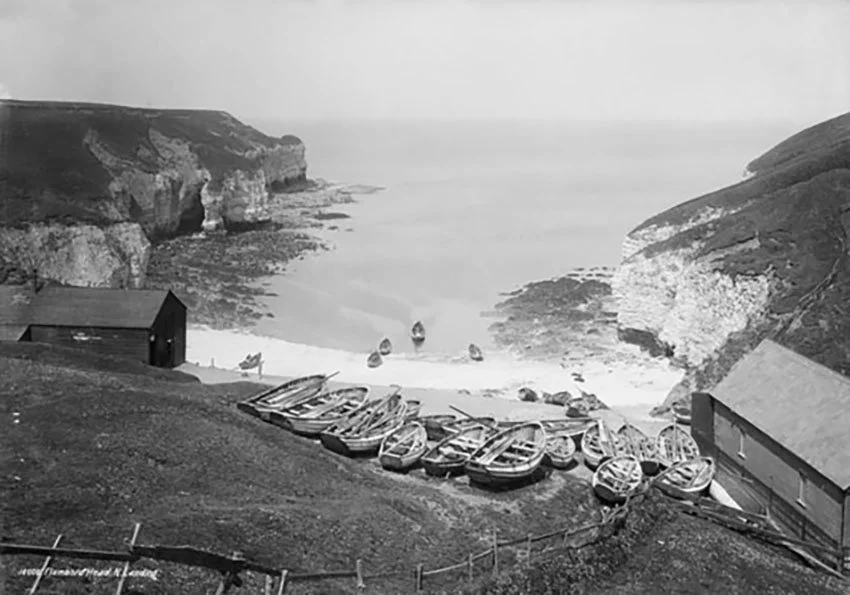
North Landing, Flamborough Head, c. 1880.
If you read the piece in SWS last week about how how nautical terminology can move ashore, before dying at sea, then you will know of our fascination with maritime language. So it’s apt that the BBC chose to re-release this charmingly uncomplicated short documentary this week , exactly 50 years after in was first put to air.
It’s one of six programs in a series called “Word of Mouth” in which a young Melvyn Bragg traces patterns of speech in the Britain of the 1970’s
The language of work provides a vocabulary which often spills outside the narrow confines of an industry. Nowhere is this more true than in fishing. The coble fishermen of Flamborough on the Yorkshire coast and the deep-sea trawlermen of Hull have provided names for sea and land alike. Their language steers between words which reflect their Scandinavian past and those drawn from the new technological hardware of their industry.
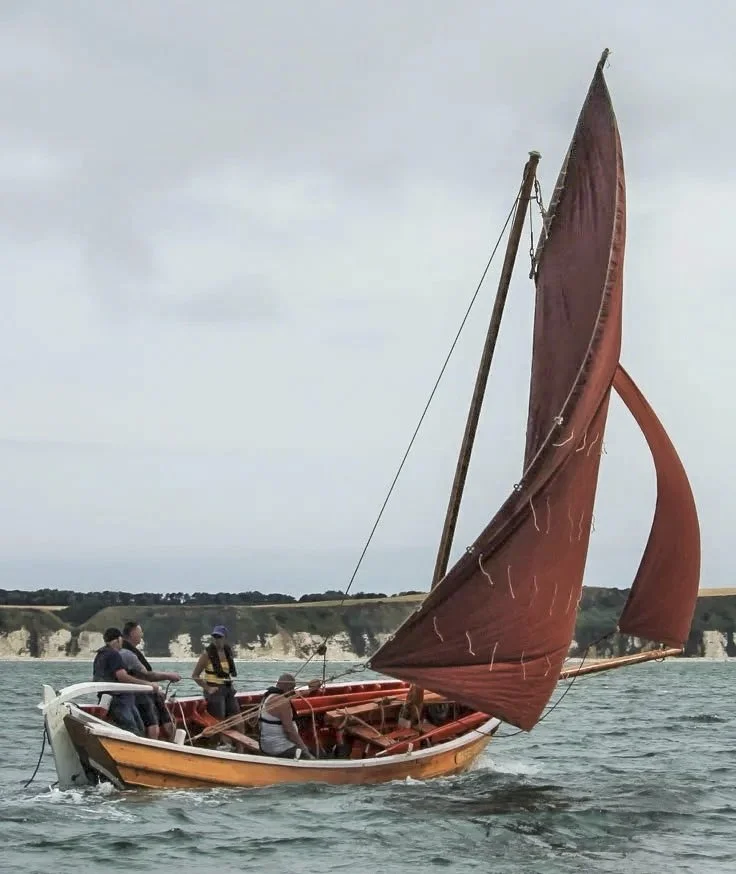
The coble itself has distinctive shape, flat-bottomed and high-bowed. It arose to cope with the particular conditions prevalent in this area. Flat bottoms allowed launching from and landing upon shallow, sandy beaches; an advantage in this part of the coast where the wide bays and inlets provided little shelter from stormy weather. However, fishermen required high bows to sail in the dangerous North Sea and in particular to launch into the surf and to land on the beaches. The design contains relics of Norse influence, though in the main it shows Dutch origin.