
The News, Culture and Practice of Sailing woodenboats
in Australia, New Zealand & The South Pacific.
SWS is a not-for-profit enterprise, created for and by the traditional maritime community. If you read and enjoy it, consider supporting us financially.
Click Here to Donate
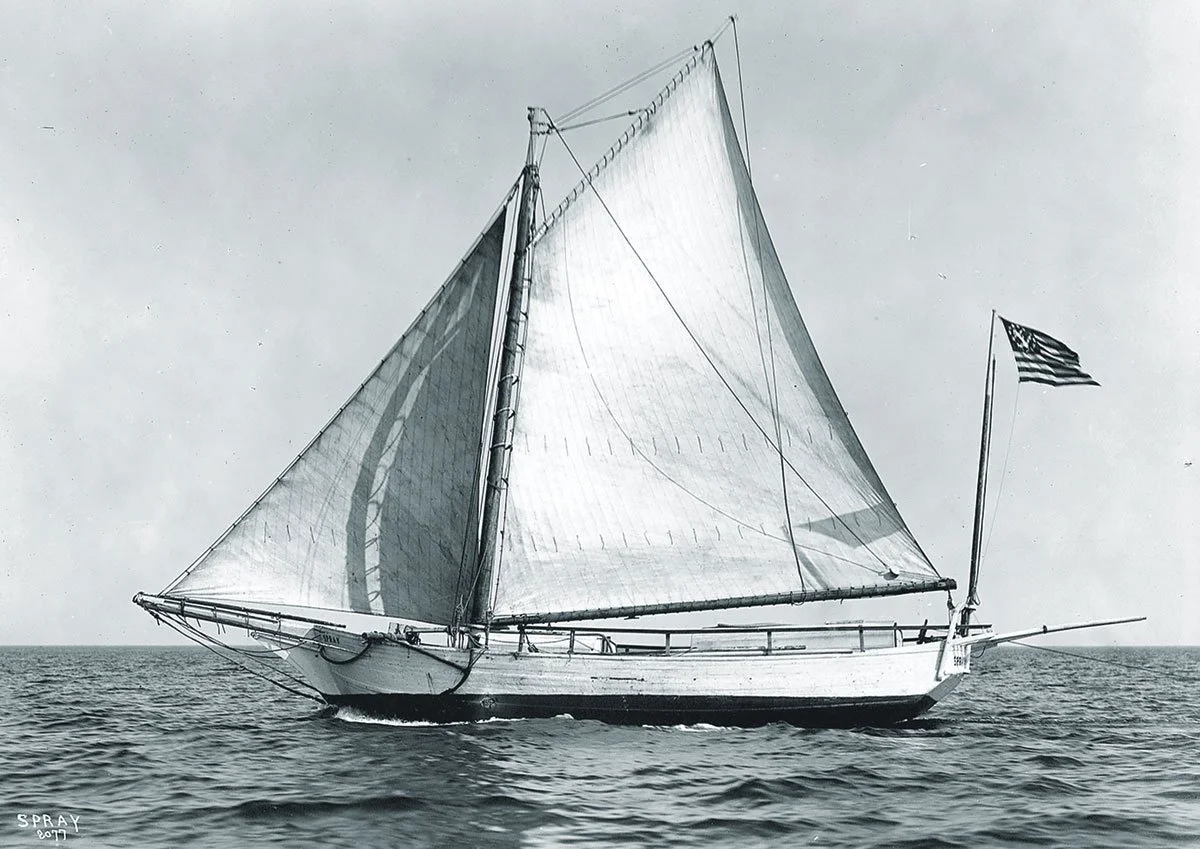
All on Your Own
Rule 5 presents another problem for the single-handed boater: “Every vessel must at all times keep a proper lookout by sight, hearing and all available means in order to judge if risk of collision exists.” The single-handed skippers I know seem to get away with their best attempts to manage these issues. But if there is an accident, the solo boater is exposed to significant liability. If the master of a vessel is found to have violated one or more of the COLREGS, he or she may be found liable for costs of rescue efforts, property damages, loss of income, salvage costs and environmental cleanup. In the event of a death, even criminal gross negligence charges are not out of the realm.
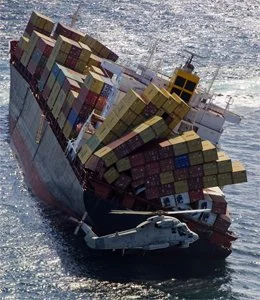
Container Lost at Sea Report - 2025 Update
Container losses in 2024 were influenced by ongoing disruption in the Red Sea region, which led to a significant shift in global trade routes. Vessel transits around the Cape of Good Hope increased by 191% compared to 2023. This area is well-known for hazardous maritime conditions, which contributed to a concentration of losses. The South African Maritime Safety Authority says around 200 containers were lost in this region alone.

More Wooden Shorts
Some of this week’s news and stories from around the wooden boat world.

Slow and Dangerous
There is a difference of opinion as to where to attach the preventer to the boom. Many cruising manuals say to attach it as near the aft end as possible. I disagree. The sweet spot in terms of load, according to my shipmate of 35 years and practising civil engineer, is two thirds of the way along. He produced some complicated formulas involving cantilever effects and bending moments, but for a non-physicist’s gut feel, this seems to be about right

A Safety Chain-(of Correspondence)
Too many sailors are reliant only on training regulation set forth by authorities. They are educated that if they tick a bunch of boxes, they are safe. They think because a boat has an EPIRB, they are wearing their PLB in their lifejacket, and have ponied up cash for the best gear, that they are safe. Hardly!

Are safety standards achieving the goal?
Modern safety technology is brilliant, and training programs are essential, but neither are really effective without time on the water in real life circumstance, experiencing what works, and what doesn’t. Rules that limit this are dangerous.
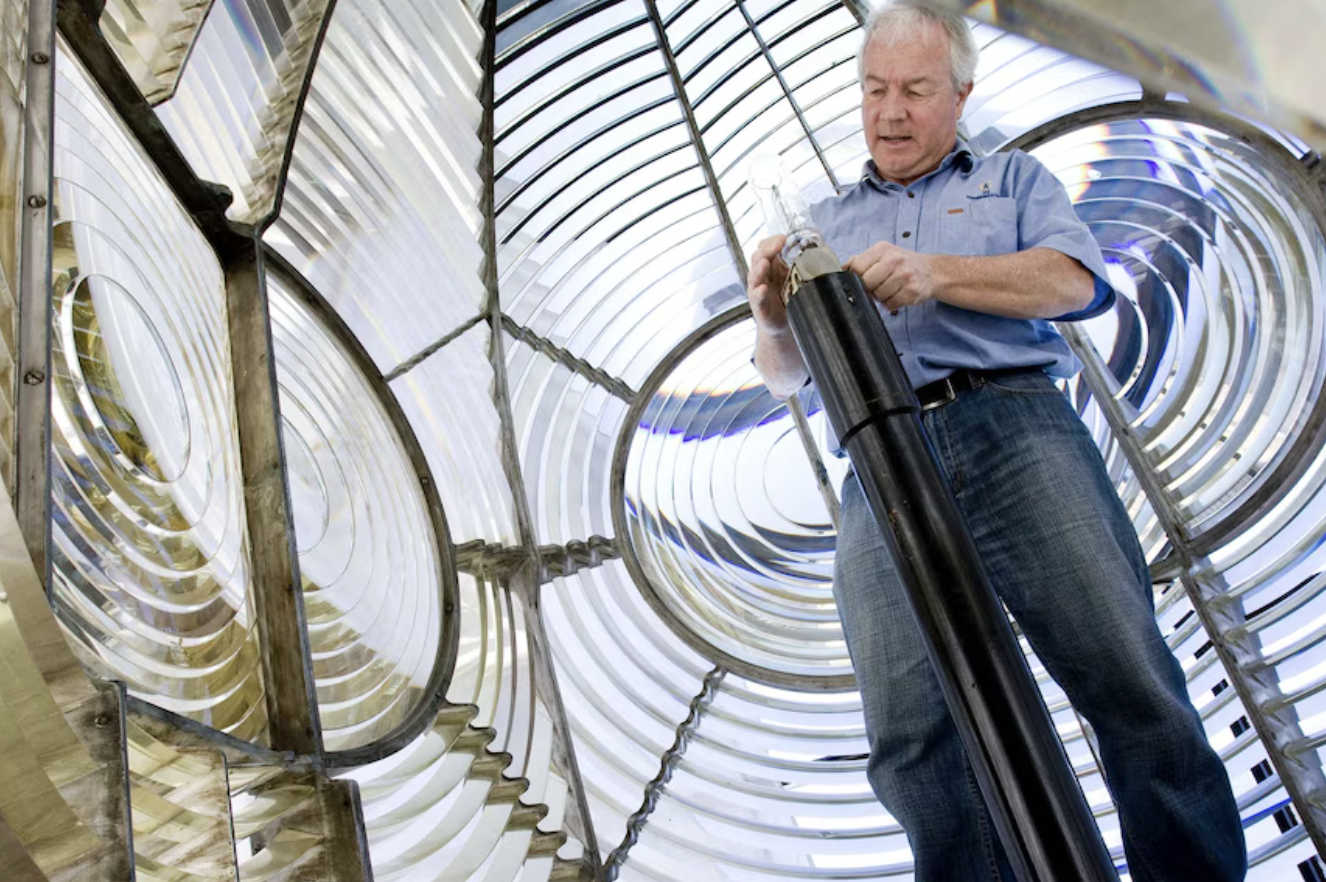
still watching over treacherous coastlines
"When you are out at sea for months on end and you don't get to see your family, it's also like a nice warm beacon that reminds you that civilisation is just on the coast right there. It gives them a feeling we are there to look after them and help them get on with their journey safely.