
Eight Principles
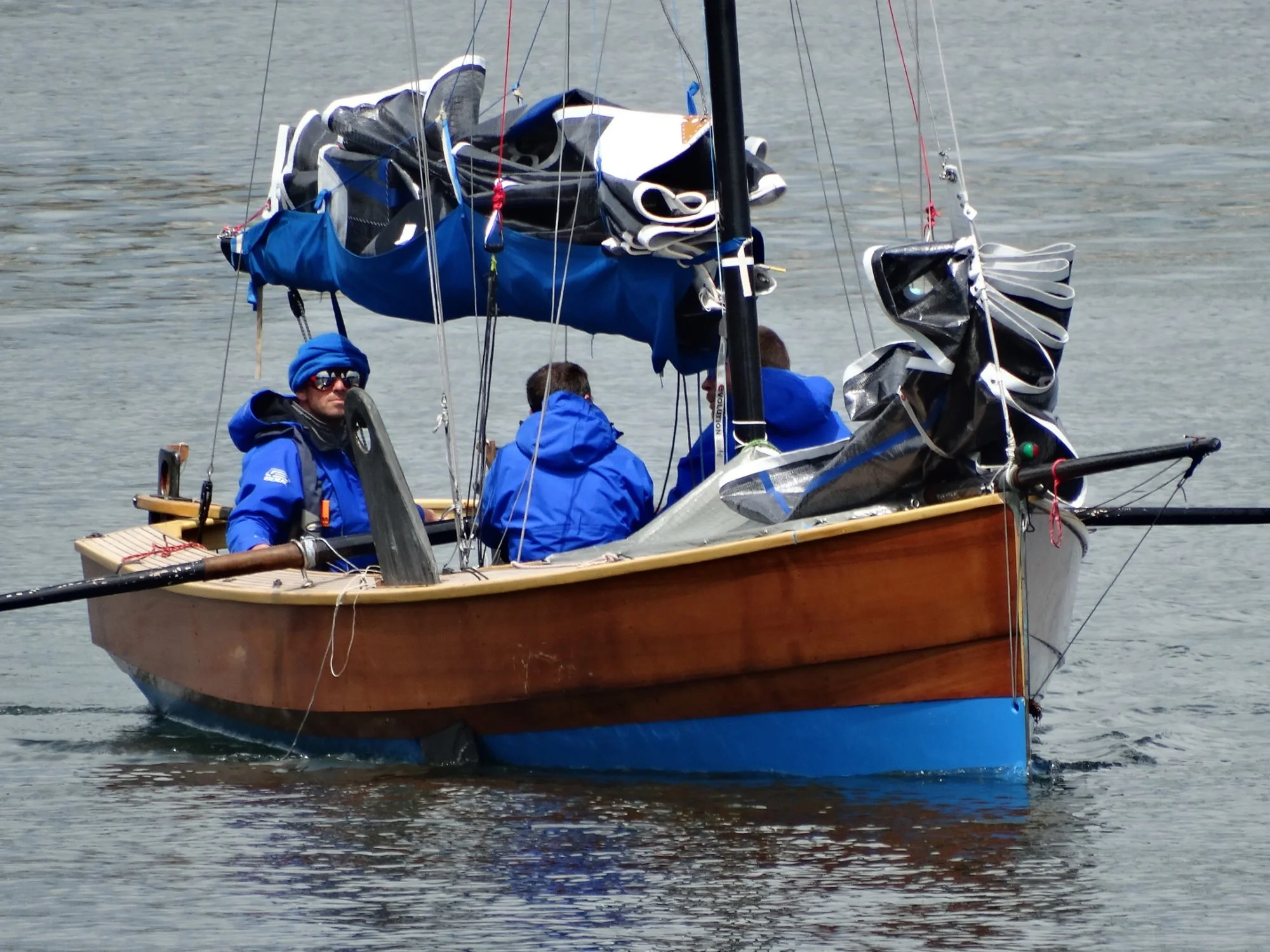
A Barefoot 5.8, designed by Tad Roberts
It’s phenomena worth noting. All around the sailing world there are events lamenting the decline in keel boat fleets. Geelong’s famous Festival of Sails, once touted as the biggest sailing event in the southern hemisphere, was rumoured to be down 25% this year. The long running West Coaster from Melbourne to Hobart organised by the ORCV had five entries in 2025.
At Antigua Sailing Week, once a marquee Caribbean regatta drawing hundreds of yachts, participation has dropped sharply over recent years to around 40–50 boats in 2025, down from 300+ in its heyday. The Bay of Islands Sailing Week New Zealand reported particularly low entry numbers in key competitive divisions in the lead-up to recent editions, with some divisions having to be cancelled.
Every month editorials in respected magazines carry headlines like “What Works to Activate Participation?” and “New ideas to increase entry Numbers”, so the problem is obviously real.
But this isn’t the full story. Scratch a little deeper and you realise it’s not the same across the board. Take last years Fastnet Race for example, where shortly after entries opened, Race Director Steve Cole observed:
“From the moment the flood gates opened the RORC's entry portal SailRaceHQ was already running red hot. With duplicate entries removed by 1100, 435 registrations had been received. This morning 217 yachts had registered in the first minute compared to 178 last time. 420 had entered in the first five minutes which took two hours last time."
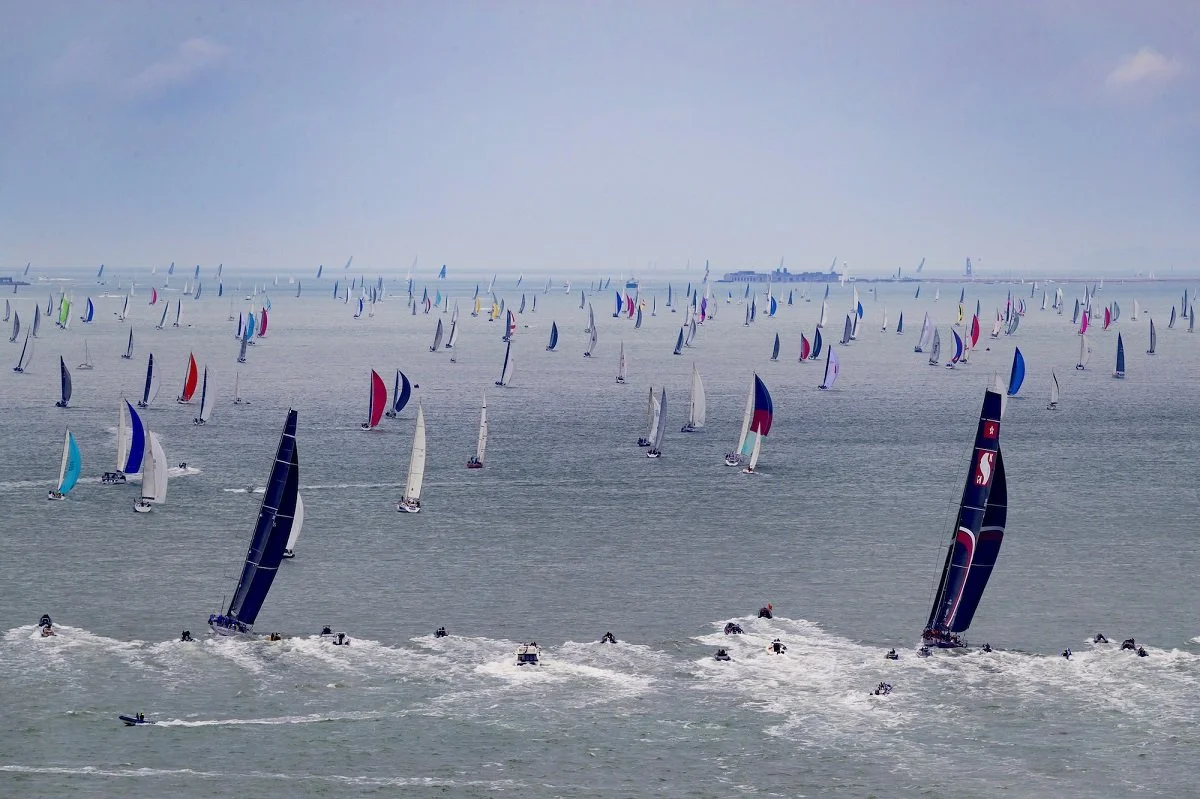
The 2025 Fastnet start
And there’s other examples of more boats than places.
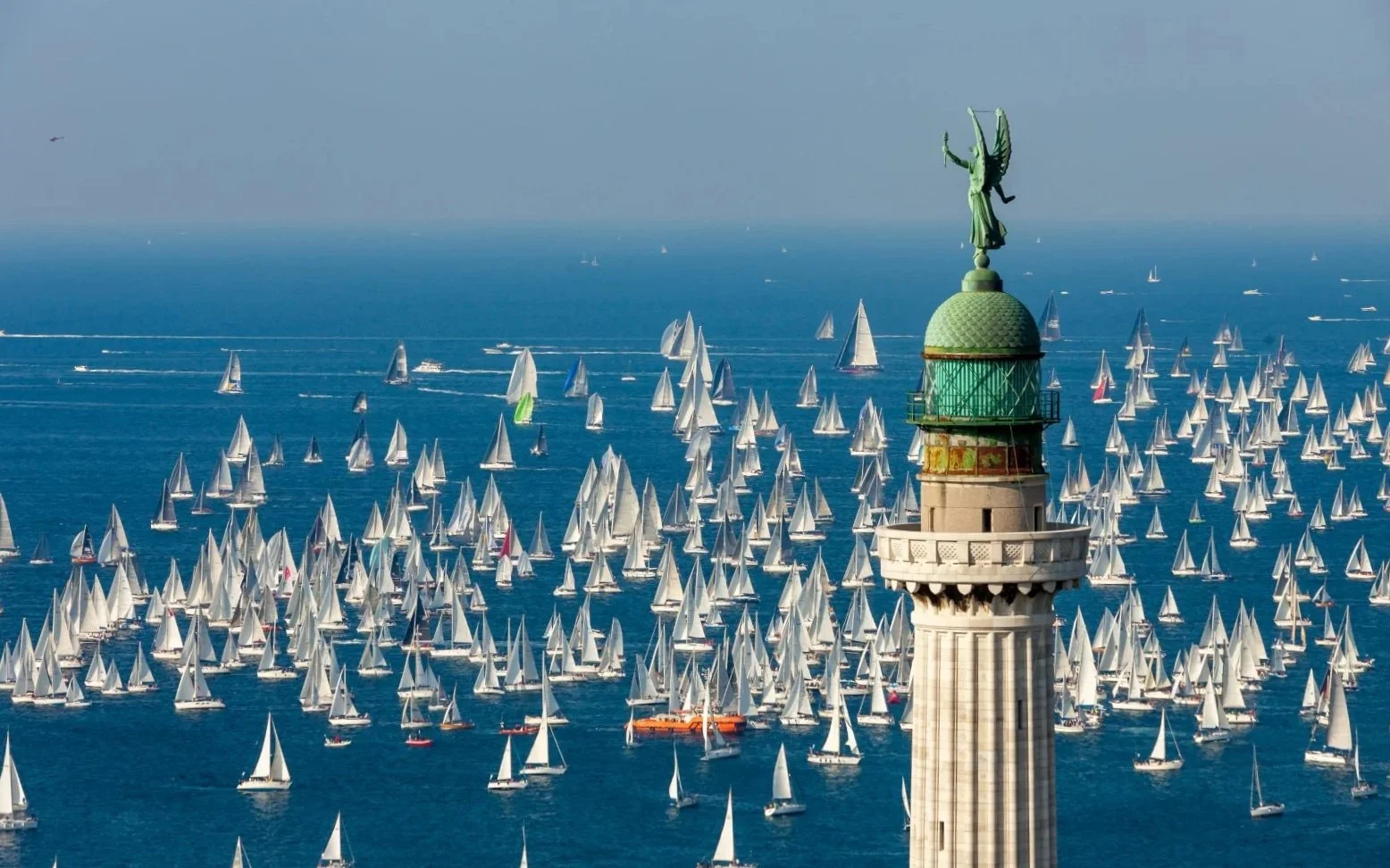
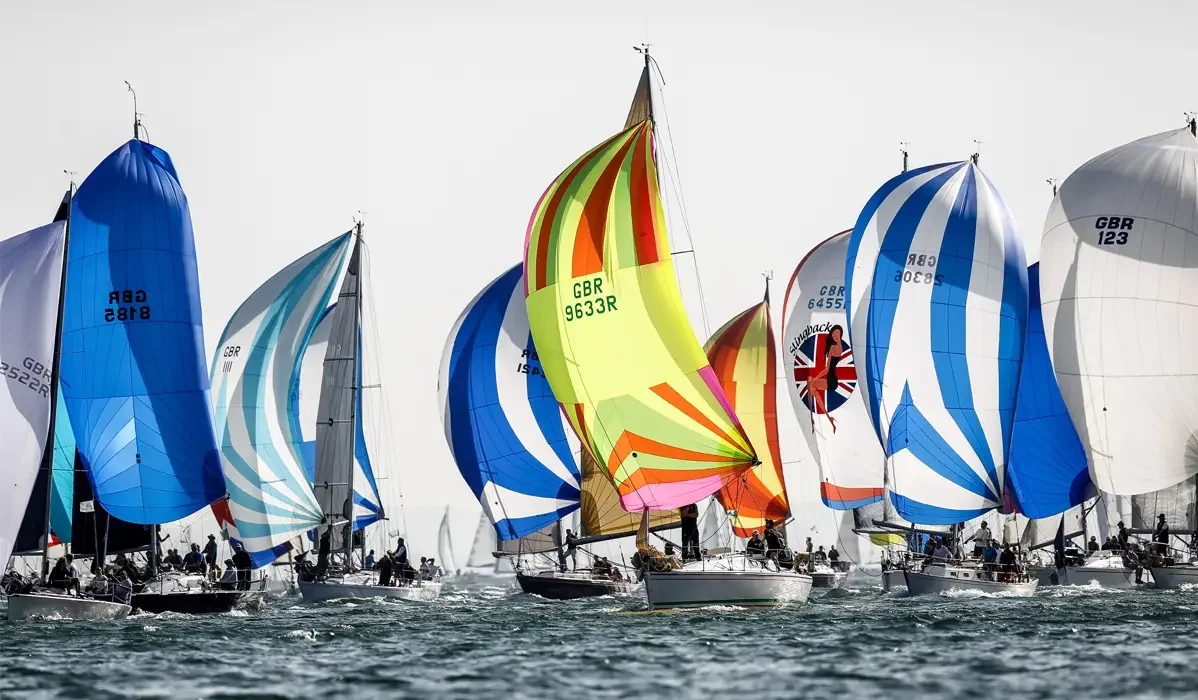
The Barcolana, first sailed in 1969 and held annually in Trieste, Italy, is known as the largest sailing race in the world, regularly getting fleets of over 2000 boats. For The UK’s Round the Island Race reaches the cap of around 1400 boats every event.
And then this week in my inbox I received this email.
Smash Subscribe Like It’s 40,000 BC
February 13, 2026
Long before phones, comments sections, or anyone got mad about a halftime show, Race to Alaska’s troglodyte origins were born, a couple poorly-prepared Homo erectus maniacs chasing the same mammoth. No rules. No help. Just a pointy stick and a very large dinner on the line. The first one to get there eats. Second place ends up with an empty steak knife and malnutrition. No prize for effort. No participation trophy. Just hunger, cold, and the knowledge that Ugg was faster and probably a better person.
Later that night, someone with fewer hunting skills but stronger branding instincts smeared it all over a cave wall with mud and blood: Mammoth, spear, glory.
Everybody else slapped up a handprint. Like and Subscribe was born.
Social media isn’t new. We’ve collectively been chasing social clout since we figured out how to not die in the winter. Favorite human pastime: watching other people do wild things while you chew on snacks and feel things.
THE RACE TO ALASKA PODCAST is for the caveman in all of us. The latest chapter in humanity’s favorite genre: “Get a load of these maniacs.”
It’s 2026, and the next crop of R2AK racers is prepping to launch themselves into 750 miles of bad weather and watery doom. Some will make it to Ketchikan. Some will end up broken, beached, or emotionally undone by a bag of wet trail mix.
Its always been one of my favourite events to follow, so drawn in by the irreverent tone of the writing and their interesting take on social media, I dig a little deeper
Applications Closed Early.
All the literature said teams could apply until April. Then the doors closed in January.
You’re surprised. Maybe pissed. We get that.2026 Race to Alaska Applications tsunamied themselves at the Vetting Team four times faster than in any other year of Race to Alaska. And at some point, we had to dust off a long-theoretical fleet-size limit that’s mostly lived in the bottom of a desk drawer since around 2015. This year, it stopped being theoretical.
We put out word that applications would be closing early, thinking there was still runway. Turns out crystal balls are unreliable. Just as things looked like they might be leveling off, another surge came roaring through the pipes. Time to close up shop. And yeah – it’s really closed.
For the record: we don’t curate teams for this race. We don’t hand out golden tickets. The Vetting Team filters out folks we think might shuffle off their mortal coils out there, and it’s first come, first vetted. No back doors to the chocolate factory.
There’s a waitlist. You’re welcome to put your name on it, but we want to be straight with you: it might not amount to much.
It turns out R2AK doesn’t own the ocean – so you should go out there this summer anyway and break stuff. And then, we hope, we’ll see you in 2028.
If you have reached this far in the article, I expect your wondering “what’s his point?”
I suppose what I’m trying to say is there is plenty of appetite for participation if you get your offer right and are a few common denominators that seem to crop up in the events that do well.
This is my personal list of EIGHT PRINCIPLES to make your event a success. I don’t think you need them all but the more the better.
RULE 1 - Be Inclusive at Every Opportunity.
Too often potential competitors feel unwelcome. They don’t know how the system works, they don’t feel part of “the club” and they are afraid of looking foolish. In every engagement throw a metaphorical arm around their shoulders and welcome them in.
RULE 2 - Take it Seriously (and don’t)
Confusing I know, but run the event well. Get back to people when they contact you, make the guidelines and expectations clear. Encourage people to try hard. Work on safety. But don’t make winning the only goal. At the end of the day it’s just a boat race.
RULE 3 - Build a History
This is easier said than done, but always run events remembering that you are creating a legacy. Celebrate the eccentricities and make them into maker points for next year. And be persistent. As Steve Jobs observed… “If you really look closely, most overnight successes took a long time.”
RULE 4 - Simplify the Format
I’ll give you two words. America’s Cup. No one outside the inner coterie understands the way the boats work. No one really wants to understand the way the competition is structured. And fewer and fewer people care. So keep the rules simple, keep the format understandable, and don’t obsess about “fairness”
RULE 5 - Celebrate Participation as much as Victory
Most people don’t win, (that’s the nature of winning), but you want them to come back next year. So congratulate the participants more than the place getters.
RULE 6 - Make the Event Hard (but not too hard)
One of the overly simplistic mantras that I refer back to regularly, is “happiness comes from achievement”. So it follows that the bigger the achievement, the more the happiness. The event needs to be a big enough challenge, that crossing the finish line delivers a sense of accomplishment, and acknowledge that this challenge will be different for everyone.
RULE 7 - Avoid Technology Where Possible.
At its core, sailing is an analogue activity. It’s about wind on the face and judgement calls made from intuition. The moment we start degrading this, by allowing machines and algorithms to make the decisions for us, we are forgetting why we stepped aboard in the first place
RULE 8 - Communicate with Clarity and Humour.
Have another read of the advise from the Race to Alaska team above. It’s clear, informative, blunt and funny. It makes me want to be involved. Avoid the po-faced jargon coming out of Yacht Clubs (mostly with an R in their acronym) and say it like you mean it.