
Flotsam & Jetsam 24.07.26
Is RGYC no longer interested in Wooden Boats?
It’s not that long ago the the Royal Geelong Yacht Club was the leader on Port Phillip in promoting the activities of Wooden Boats with their biennial Geelong Wooden Boat Festival. Well, it seems that their loss of interest in this area has been swift and is now almost complete.
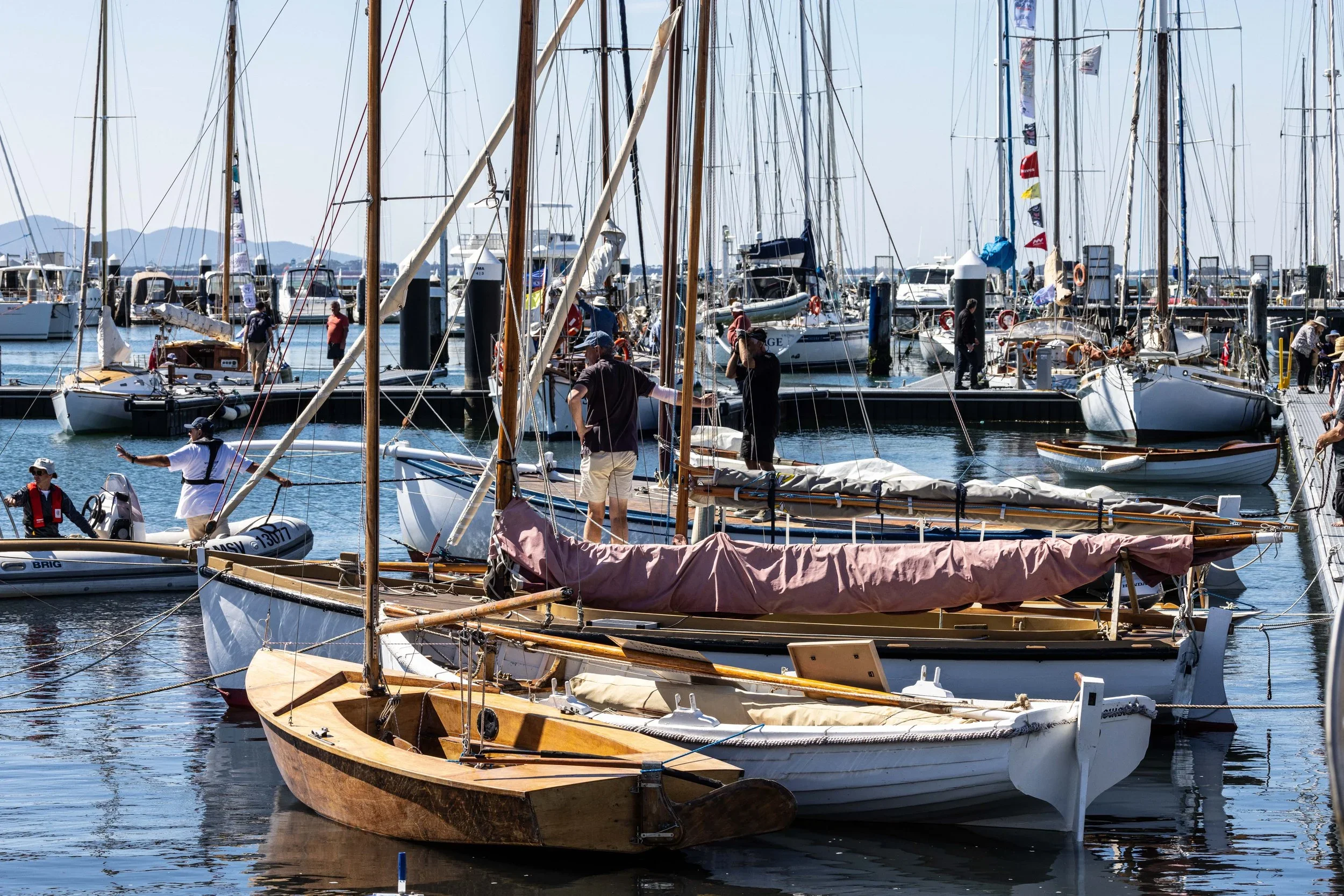
A quick timeline…
The event began with a bang in 2005 with over 60 boats participating.
In March 2022 it was a thriving with a refreshingly grassroots participation, as explained in THIS ARTICLE
The 2024 event was unluckily hit by extreme hot weather and difficult winds but still took place. The Festival now obviously needed energy put into it, but it wasn’t yet on the critical list. Read about it HERE
Following this Festival RGYC announced a name change from The Geelong Wooden Boat Festival to the Victorian Wooden Boat Festival. Despite the potential to upset their friends in Paynesville (who run a far bigger and more community based event), it sounded like their was going to be some necessary revitalisation (and money) put into the program. Things were looking up.
And then in July last year there was this letter
“Thank you for your ongoing support, ideas and advocacy for the Victorian Wooden Boat Festival. Your passion for the event and the wooden boat community continues to be invaluable.We’re writing to inform you that, following careful consideration and consultation with RGYC Management, we’ve made the difficult decision to defer the planned 2026 event to 2028.
This decision has been made due to continued uncertainty around securing the funding required to deliver the event at the standard it deserves. Rather than proceed with an event that compromises on quality or financial sustainability, we believe it’s in the best long-term interest of the Festival to pause and plan for a strong return in 2028.
That said, we’re excited to share an opportunity to keep the wooden boat community connected and celebrated in 2026.
As part of the Festival of Sails 2026 we will be delivering a special Classic and Wooden Boat Feature, and we’d love for our Victorian Wooden Boat Festival community to be at the heart of it.
We would welcome your feedback on the following proposed opportunities:
• Dedicated on-land and on-water display spaces for classic and wooden boats
• The return of the much-loved Portarlington to Geelong Passage Race, exclusively for wooden boats
• A space to showcase the artistry and craftsmanship of wooden boatbuilding and associated trades
• Display of Tall Ships on Wangim Walk
The Festival of Sails will also host popular crowd favourites including the Rough and Ready Boat Building and Racing, as well as a rich program of artisans and skilled trade activations.
We see this as a meaningful way to maintain momentum, celebrate the spirit of the Wooden Boat Festival, and keep our community engaged and visible.”
Needless to say, none of this happened… There was a “Classic Division” at FOS in 2025 (an event whose values are often diametrically opposed to those of the wooden boat world) with four boats entered but the results weren’t deemed worthy of making it onto the FOS results page!
Perhaps this was the nadir?
But no! This year’s NOR for the Festival of Sails doesn’t even include a Classic Division. There is one mention of the word “classic” in the Notice… Item 20.4.8. States that “The Classic Yacht Trophy will be awarded to the best performed yacht designed and built before 1980. Boats shall nominate their eligibility on the entry form”.
Of course this could be won by an Adams 10 or the like.
It’s a classic example of how yacht clubs the world over talk the talk about respect for history and craftsmanship in old boats and further, happy to use their imagery and authenticity in promoting the club or events, but are unwilling to walk the walk when actual support is required.
There are a few clubs around where this isn’t the case, but it seems that RGYC is now not one of them. Let’s hope they prove me wrong.
New Zealand names ferry “Captain Cook” in defiance of ‘snivelling wokesters’
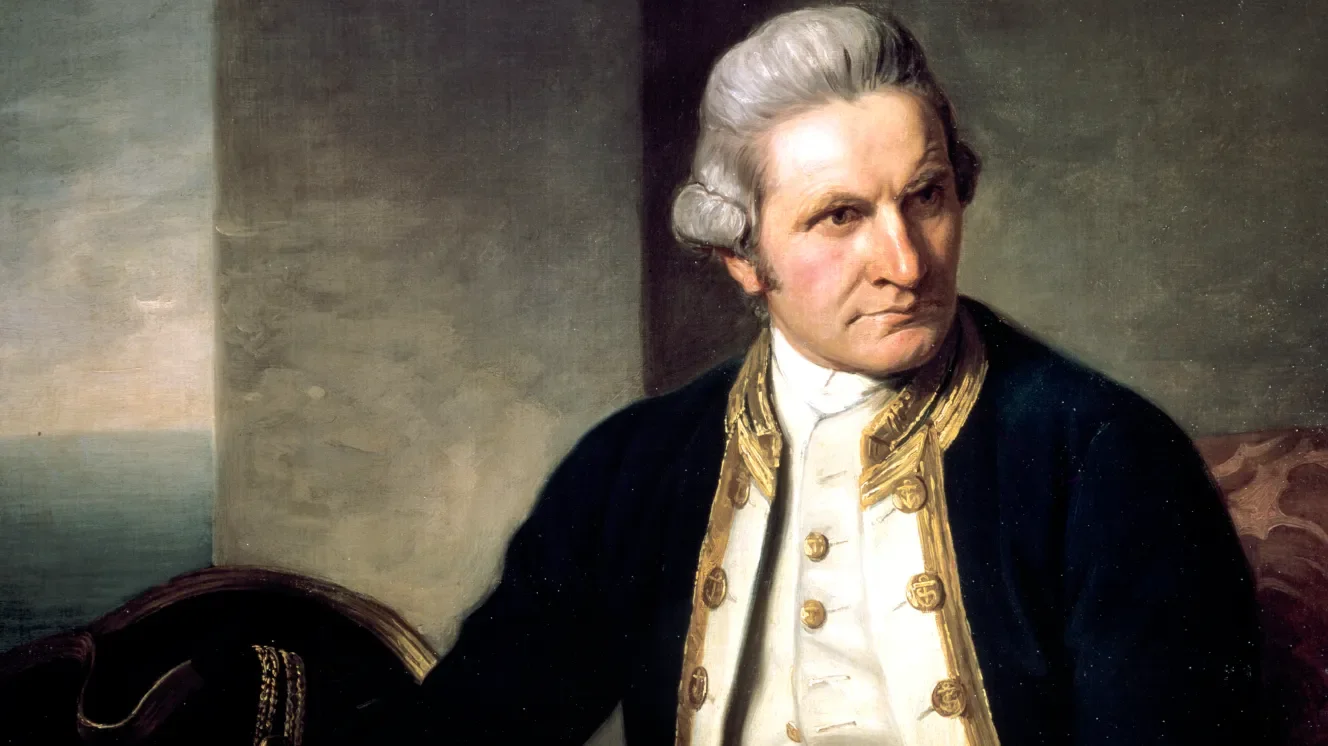
Captain James Cook, who charted the coasts of New Zealand and eastern Australia, claiming them for Britain
From The Times of London
One of two new inter-island vessels will honour the British explorer despite critics saying the colonial-era explorer should not be celebrated. New Zealand has named a new ferry linking its main islands after Captain Cook — and told “snivelling wokesters” to accept the decision.
Winston Peters, the foreign minister, said those who considered the British Royal Navy officer and explorer to be a “harbinger of colonisation” should be more aware of the country’s past.
“A mature country does not run from its history. A serious country does not vandalise its memory to satisfy the latest fashion in whinger politics,” Peters told parliament in Wellington.
Vikings in the Med?
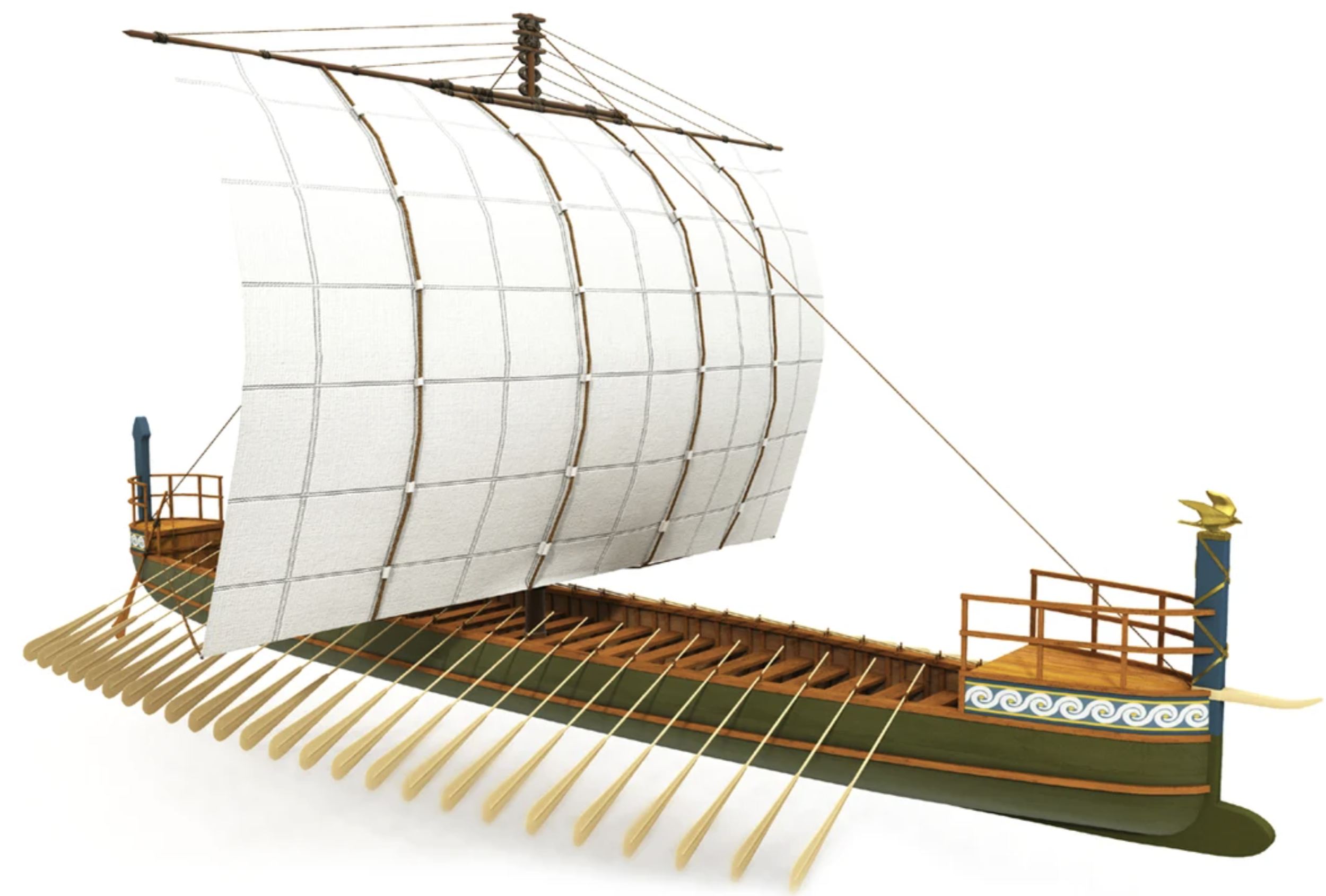
Christopher Nolan’s The Odyssey has finally been released. SWS readers might enjoy watching the enormous Viking ship featured in the film called the Draken Harald Hårfagre. Its a , a genuine, ocean-going Norse longship that’s fully operational and still making voyages today. I know its a narrative not a documentary… But Odysseus's boat was likely a penteconter, a long, open ancient Greek warship featuring 50 oars and a single square sail like this
But all this technical stuff shouldn’t stop you enjoying the film!
But in breaking news…
The Swedish owners of a Viking longship replica that features in the Hollywood blockbuster The Odyssey, say they feel “forgotten” after film-makers allegedly returned the vessel damaged and failed to foot the bill for repairs.
In nearly three decades at sea, the warship Glad av Gillberga – based on a wreck from around 1040 found in Denmark’s Roskilde fjord – has successfully sailed the North Sea, the Baltic and even voyaged to Canada.
But after six months in the hands of Universal, which according to its owners promised to cover the cost of any repairs, it allegedly sustained considerable damage including to the stern and the mast.
Vikingaleden, a nonprofit Viking centre in Värmland, western Sweden, said that when it invoiced Universal for the materials used to repair their ship (they did not charge for their volunteer labour), no payment arrived.
BRITISH CLASSIC WEEK GETS OFF TO A LIGHT START
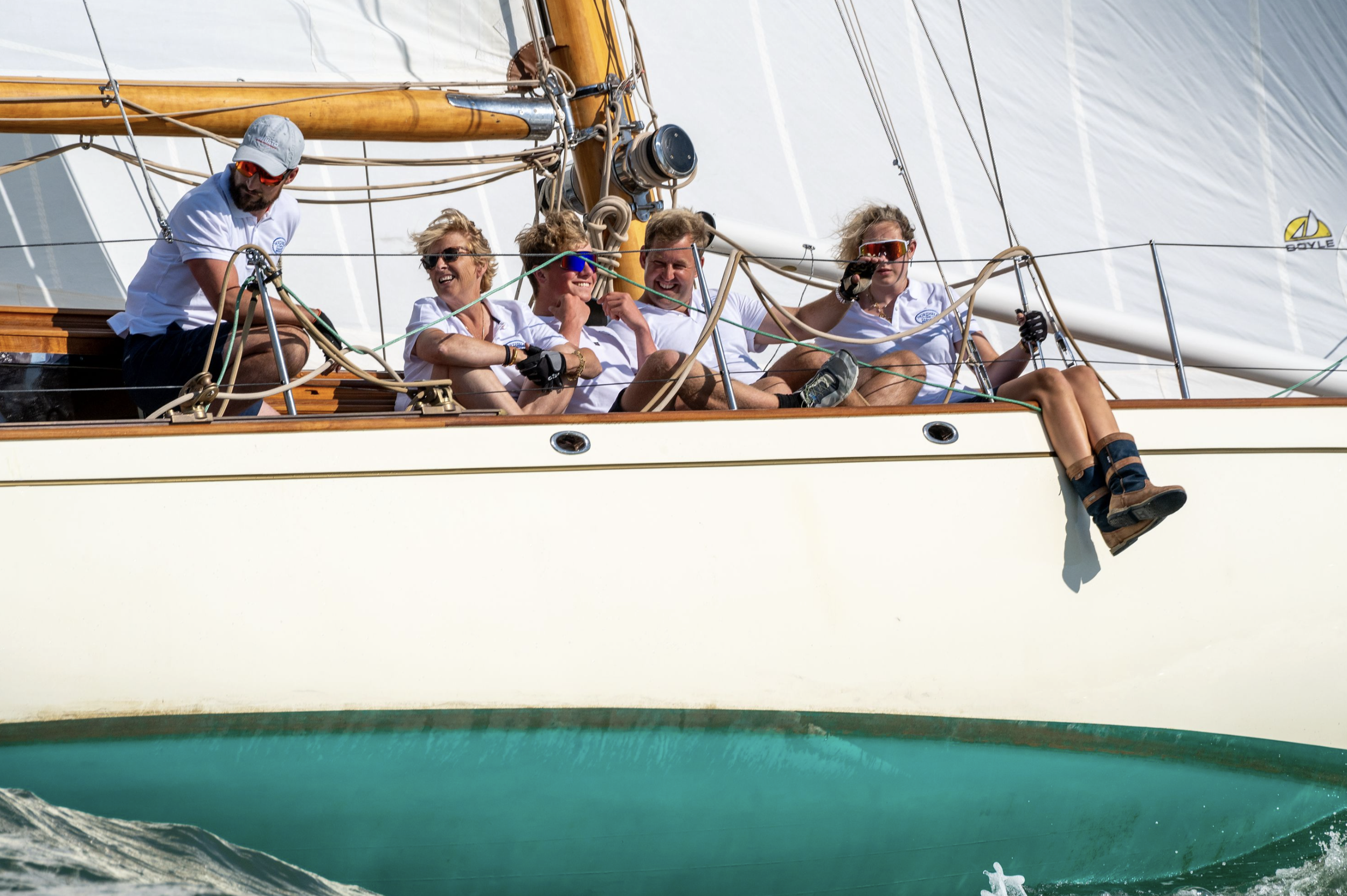
Image- Chris Brown Photography
Due to the meek forecast, proceedings for the opening day of the British Classic Yacht Club’s British Classic Week - a Concours d’Elegance and a short inshore race, sponsored by Spirit Yachts - were delayed by two hours.
At 13.15 the 42 sailing and six motor classics paraded past the Royal Yacht Squadron, from where Jamie Matheson took the salutes from each British Classic Week vessel. Racing got away off Hill Head at 1450 in a light southeasterly, with the five classes setting off in ascending order, on multi-leg courses, Classes 4 and 5 sailing a shorter course than the bigger classes. Eventually with the prospect of new breeze arriving from the southwest, Race Officer Peter Saxton and his team from the RYS shortened course at the leeward mark.
One of today’s more remarkable performances was that of the oldest competitor at British Classic Week, Ossie Stewart and Damon Roberts’ Dorothy, a gaff-rigged Thames One Rater built in Chatham in 1894, comfortably winning Class 5. Her time corrected out to 1 minute 42 seconds ahead of Andrew Gilmour’s Kim Holman-designed Stella Timea and the Richardson’s SHE 31 Arctic Skua, the first boat fitted out by the Elephant Boatyard in 1969 (and kept in the family ever since).
“We're in quite a heavy old boat and our overall game plan was just to get a clean start and go fast off the start line and tack as few times as possible, which is what we did,” explained Stewart, the 1992 Soling Olympic bronze medallist. “Fortunately, a lot of the boats in our fleet were a bit tied up with each other at the start while we got away cleanly. Then we got into a little bit of breeze and basically pulled away. There was a big shift at the end of the beat, which halved our lead - Arctic Skua got around in front of us, due to that, but we overtook him at a gybe mark and then, because we're longer, we were a bit quicker downwind. The rest of our fleet didn't quite get round the mark before the tide started running, which gave us quite a big gain…”
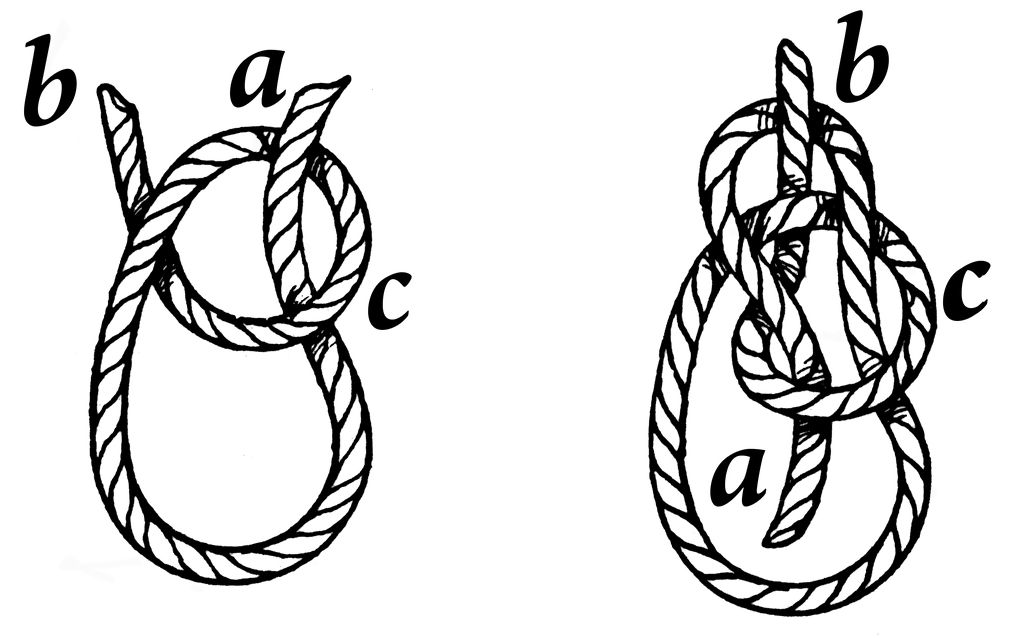
The bowline: is it losing its grip?
From Stuart Greenfield on his firstshiftsailing Substack site
I learned the bowline before I learned the reef knot. Most of us did. It is the first knot a sailing instructor puts in your hands because it does the one thing a rope user needs more than any other, which is to make a fixed loop that holds under load and shakes free the moment you want it too. Forty-seven years later I still tie it a hundred times a season without thinking, and that unthinking familiarity is worth interrogating, because the rope running through my hands today is not the rope the knot was designed for. The question I want to put down here is simple and slightly uncomfortable. Is the king of knots still the right answer, or have we kept a medieval solution alive out of habit while the material underneath it changed completely?
Start with the name, because the name tells you where the knot comes from and what it was for….
A Fleet of New and Restored J-Class Sailing Yachts Is Taking Over the Mediterranean This Year
When the J-Class yachts unfurl their sails—up to 7,500 square feet of them—the already striking vessels become impossible to ignore. Those towering spinnakers, genoas, and mainsails billow above sleek, curved hulls—introduced nearly a century ago—as each craft’s 25-person crew moves in the choreographed precision required during a race.
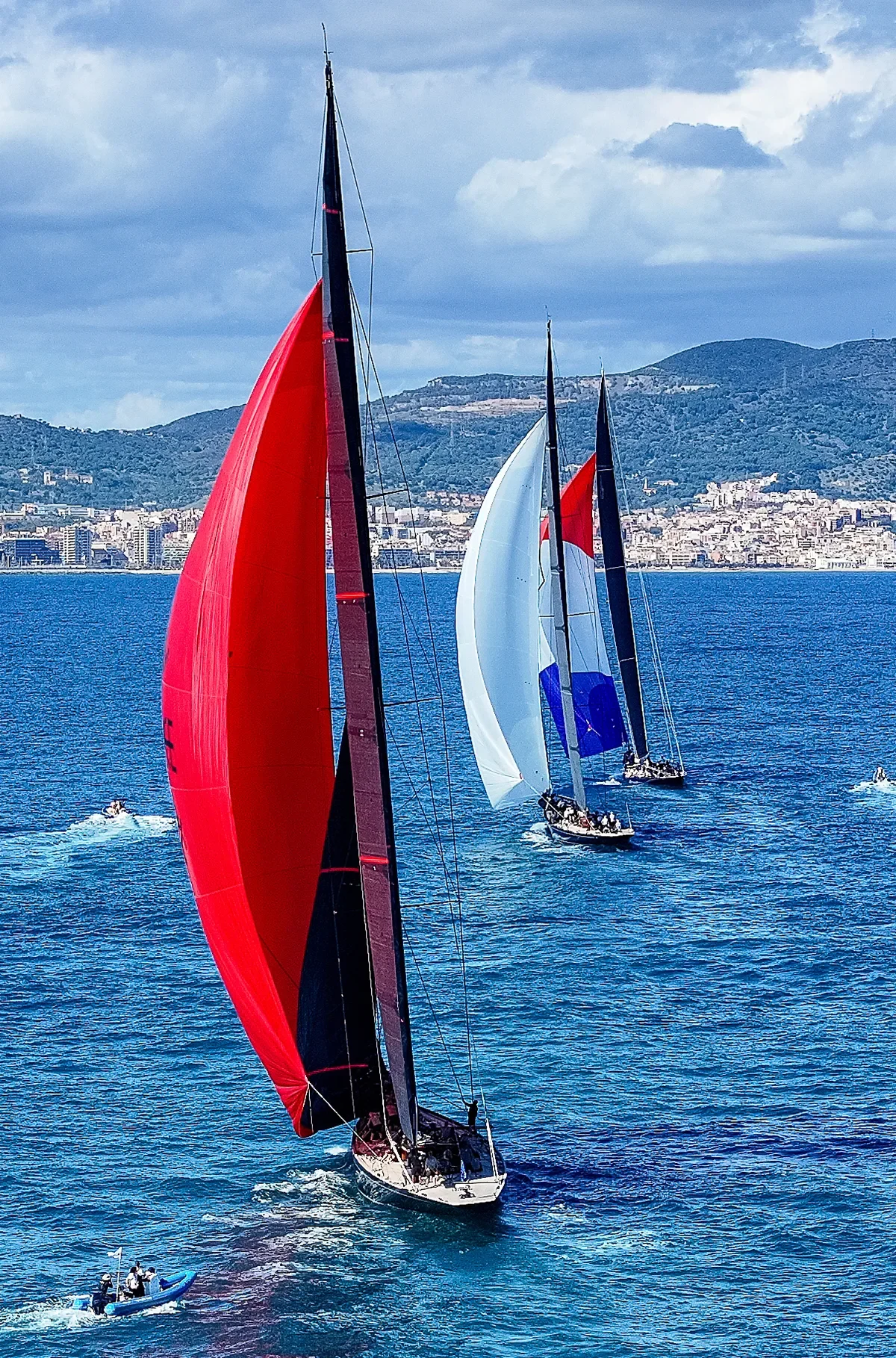
Image-Sailing Energy
“To see four, five, or seven yachts racing is simply so beautiful it takes your breath away,” says Louise Morton, class secretary of the J-Class Association. That sight was more common in the 1930s, when these fast, vast yachts, ranging from 119 to 140 feet, competed in the America’s Cup and other regattas and were owned by some of the world’s wealthiest sailing enthusiasts of the time.
News in the Vertue World from the Northern Summer.
It’s always a pleasure when Roger Robinson’s newsletter pops up in the inbox. It’s an example of how an individual with a passion can galvanise a small community…. and it’s a quality that will get rarer and rarer as the algorithms take over. If you have a connection to, or a love of, the legendary VERTUEs, then be part of it.
Here’s a rare and happy example from the latest edition, of a boat in the USA that’s been successfully given away for restoration. She would be high up on the mile long scroll of boats that deserve to be saved.
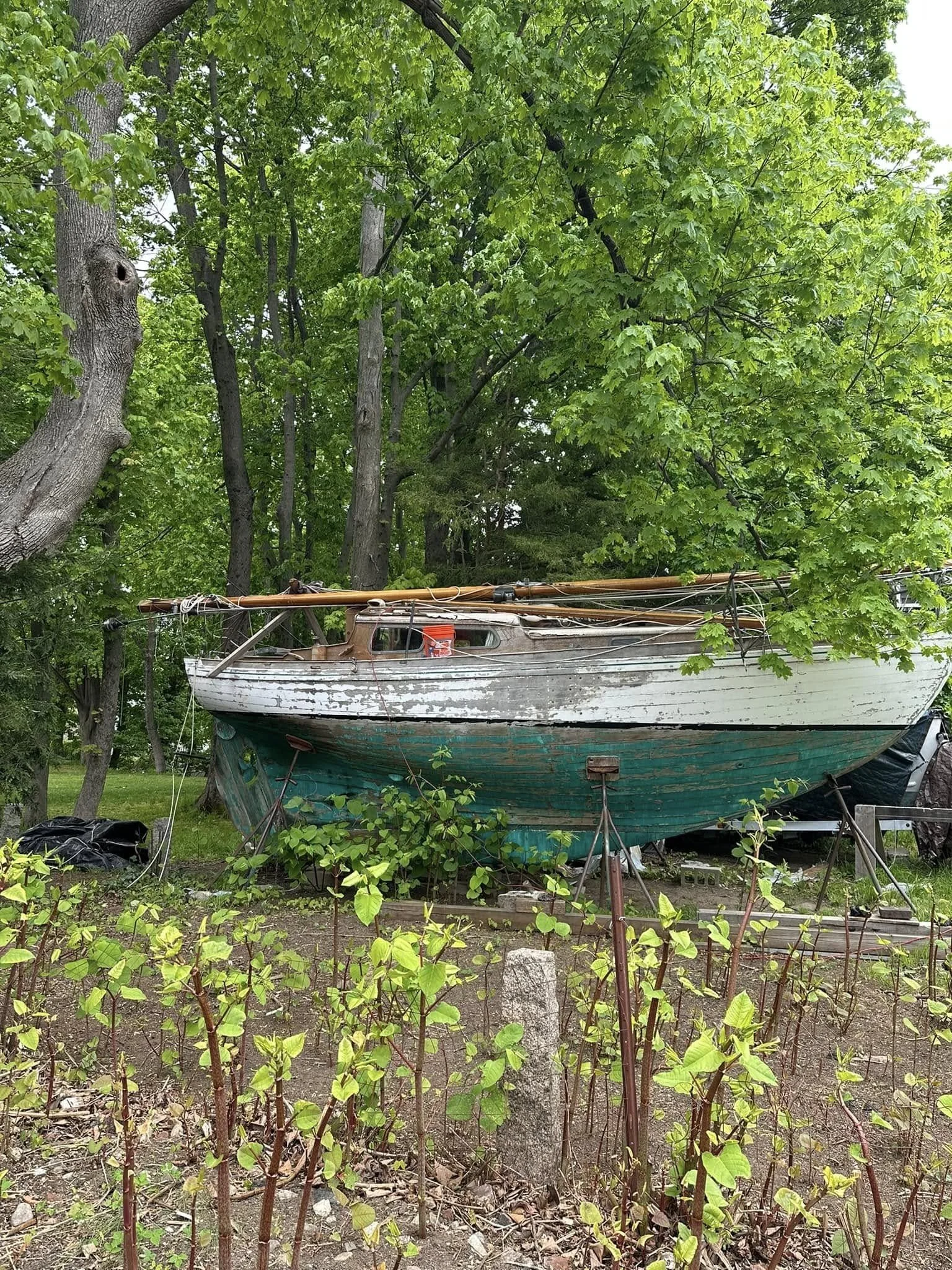
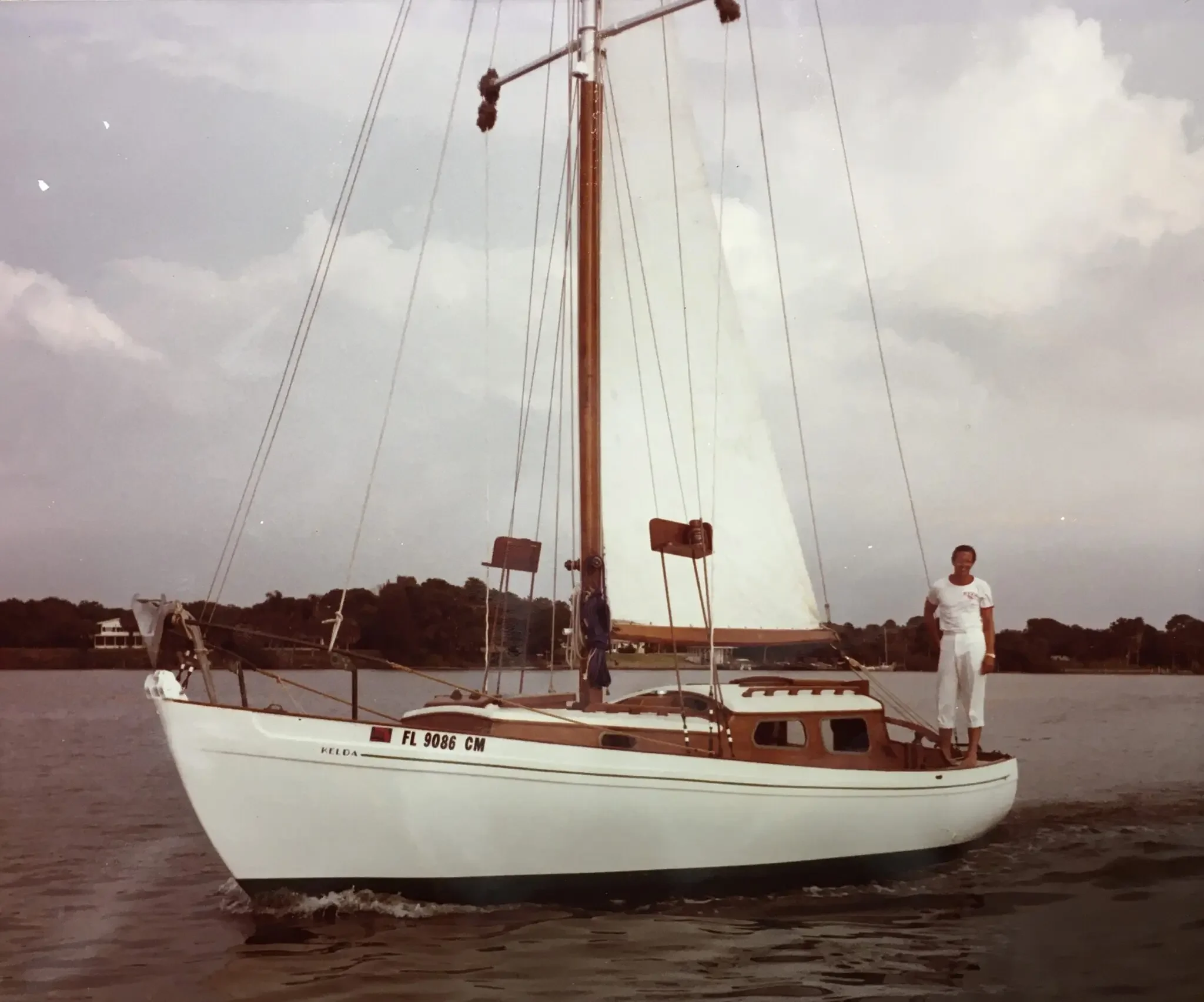
KELDA as she is now and on the right in happier times.
I sail the world in a replica 10th-century Viking longboat
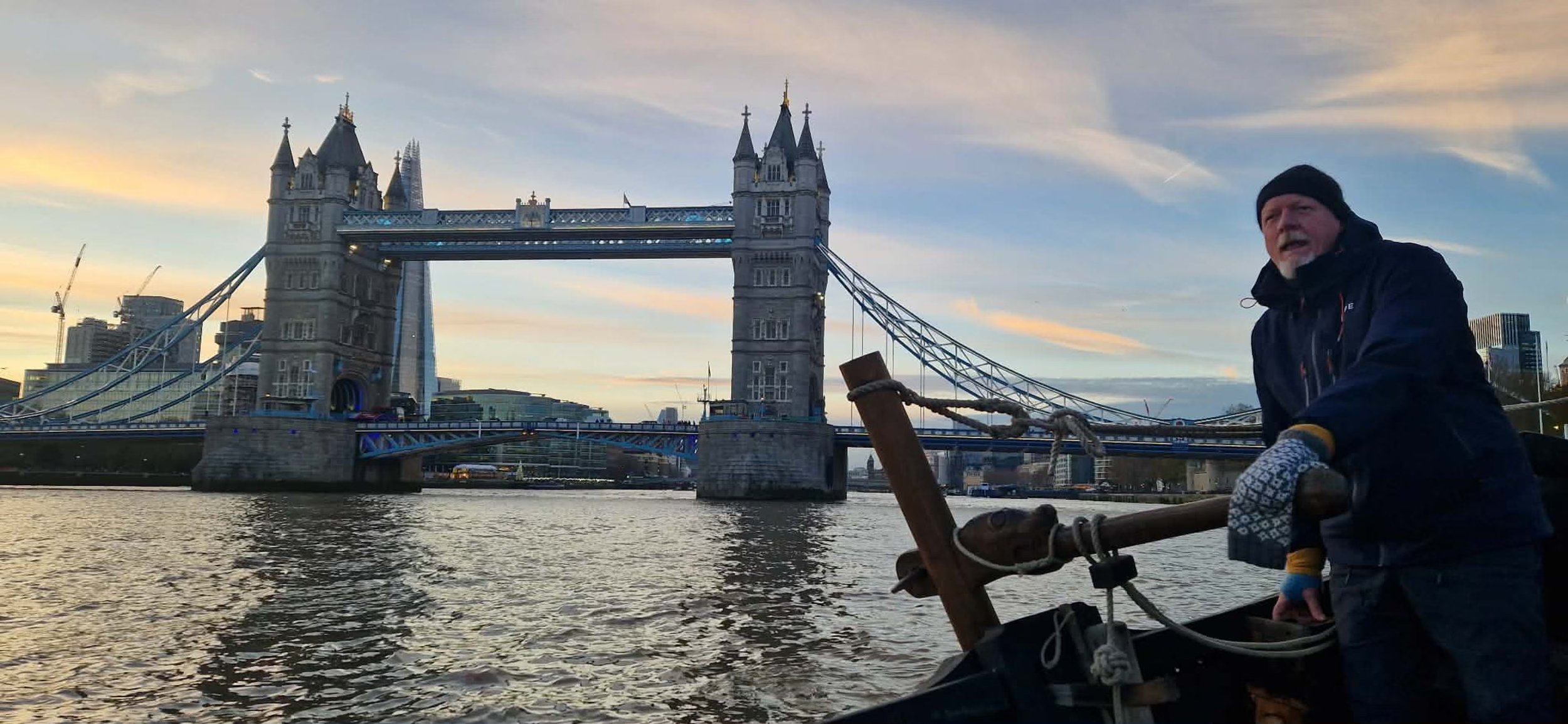
Photograph: courtesy of Lars Bill
By Lars Bill
With help from volunteers, the foundation started building the Saga Farmann ship in 2014: it’s a 20-metre-long replica of the Viking Klåstad ship, excavated in 1970 from a farmer’s field. Archaeologists figured out it was a trading ship from AD998.
To build the ship, we used traditional Viking methods: chopping wood from the forest with axes, and building with replica tools. Our blacksmith made thousands of rivets, one-by-one. It’s hard and slow, but we wanted to showcase how they did it.
Because it was a cargo ship, we decided to sail a Viking trading route, from Tønsberg to Istanbul, which they called Miklagard – “the great city” in Old Norse. It set off in April 2023; I joined two weeks in and was on board for around half of the 16-week voyage. Comfort is nonexistent on the ship. The crew of about 12 volunteers sleep on the deck, often in a tent to avoid getting wet. There is a cabin but it gets smelly quickly because seawater bilge causes rot. They join for a two-week stint – most have never seen the ship before. They start out as strangers then quickly become close.