
Flotsam & Jetsam 19.06.26
Draughts or Chess?
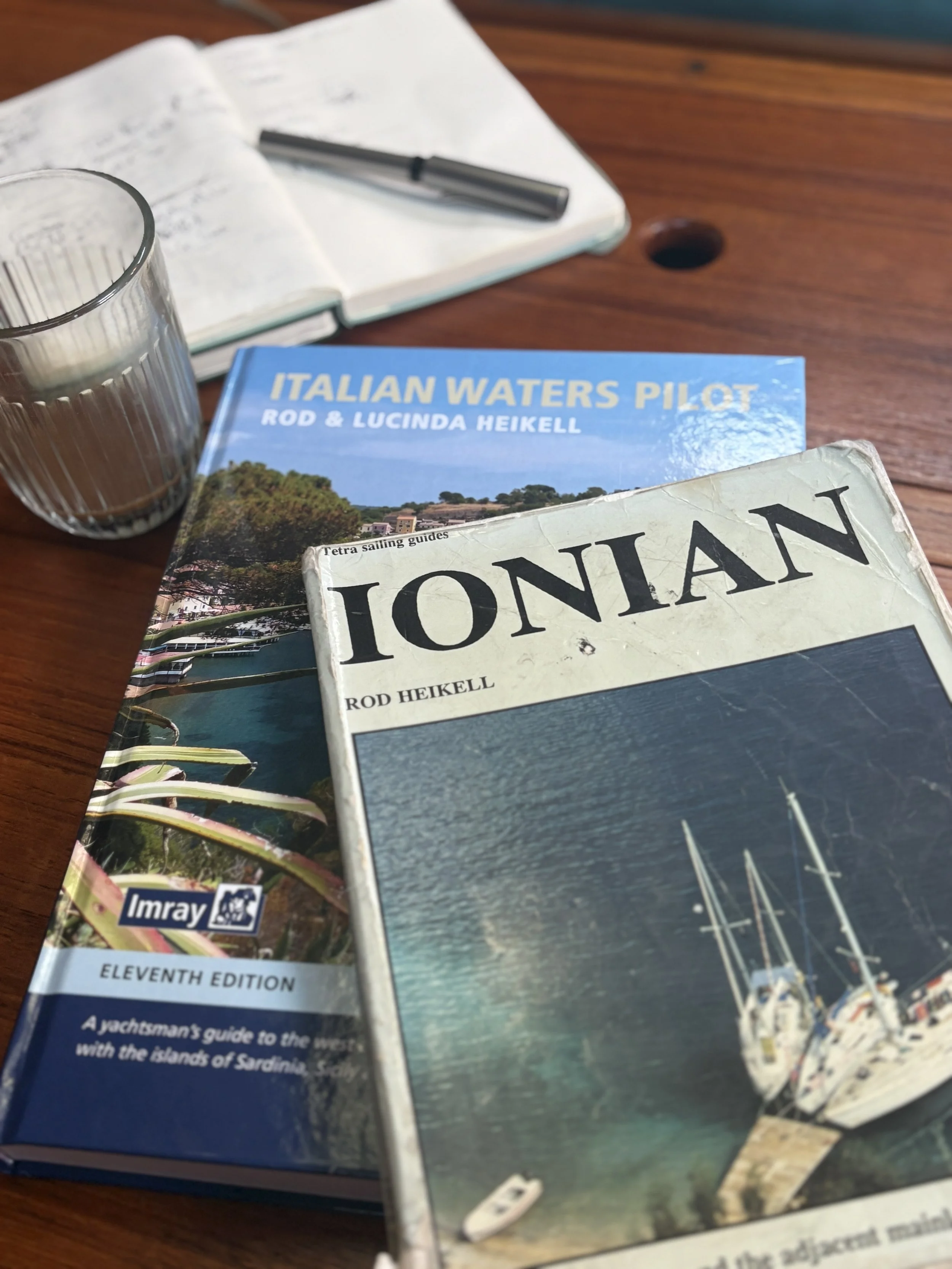
Sitting at the saloon table here on MATILDA I have my laptop, a cup of coffee, and the local pilot guide “Italian Waters Pilot” by Rod and Lucinda Heikell by my side. Working on flotillas, 35 years ago in Greece, our bible was simply called “Ionian” and it was also by Rod Heikell. And that was in the days when the printed word was pretty much all you had!
So I was delighted to see an article in the latest Yachting Monthly by Lu, which pretty much sums up my feelings, often expressed in this publication, about the future of competitive sailing. She concludes…
“My type of sailing doesn’t require body armour, and I like it that way. I value nuance and patience over absolute power and speed. For me, this SailGP version of sailing looks more like draughts, rather than chess.”
It’s reassuring to know that I’m not the only one!
Read the full article HERE
Follow the leader - Has it ruined offshore racing?
And while I’m having a grumble about technology, here’s a great article by Stuart Greenfield about the way that high tech weather routing is influencing offshore racing.
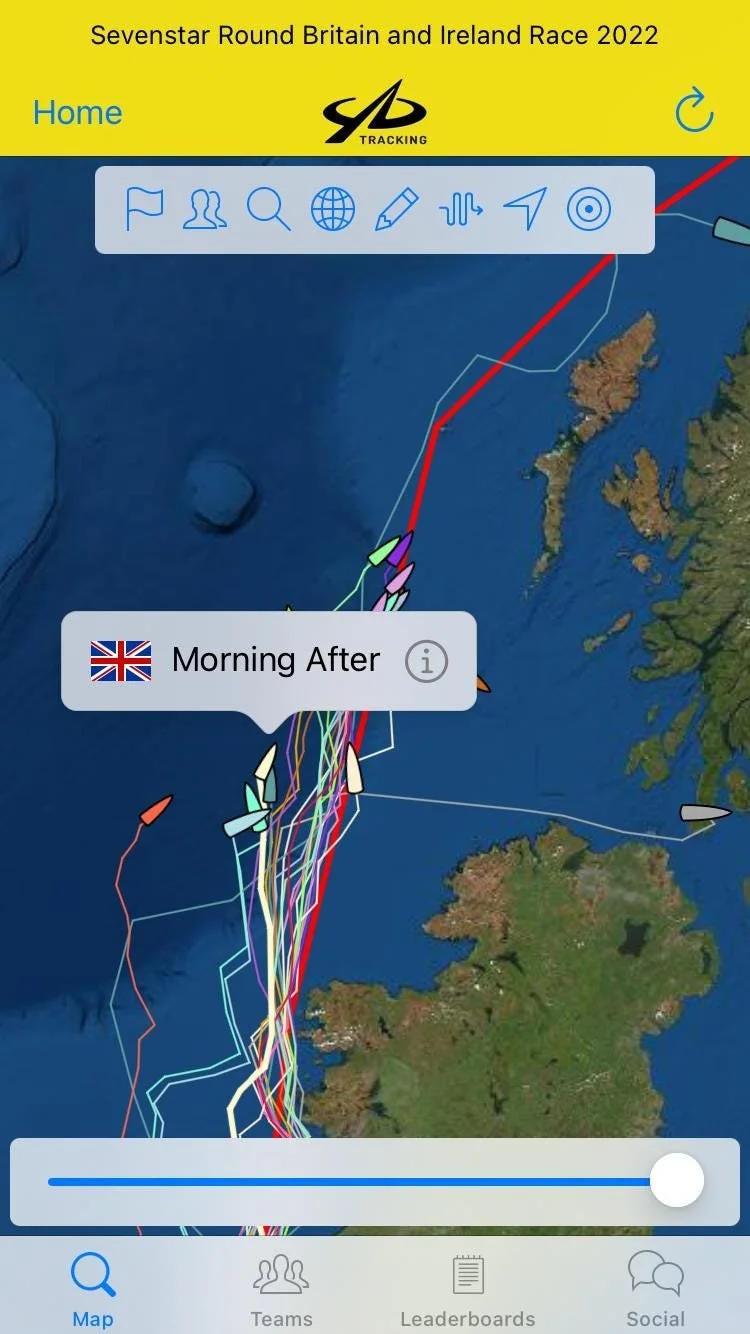
It was off the Outer Hebrides, August 2022, during the Sevenstar Round Britain and Ireland Race. We were on Morning After, my rebuilt S&S 34 from 1967, working our way around the top of Scotland, and the next big decision was at the Butt of Lewis before making course towards Muckle Flugga, up at the northern edge of Shetland. It is the sort of place that concentrates the mind. The land is running out. The sea feels bigger. The weather has room to do what it wants, and the decision is no longer theoretical — get it wrong there and you can spend a long time paying for it.
The Falcon Study Produces it’s First Q-Class Yacht
This high-profile project led by Q7 Yacht Designs in collaboration with Dykstra and Spirit Yachts, has hit the water and exceeded all expectations.
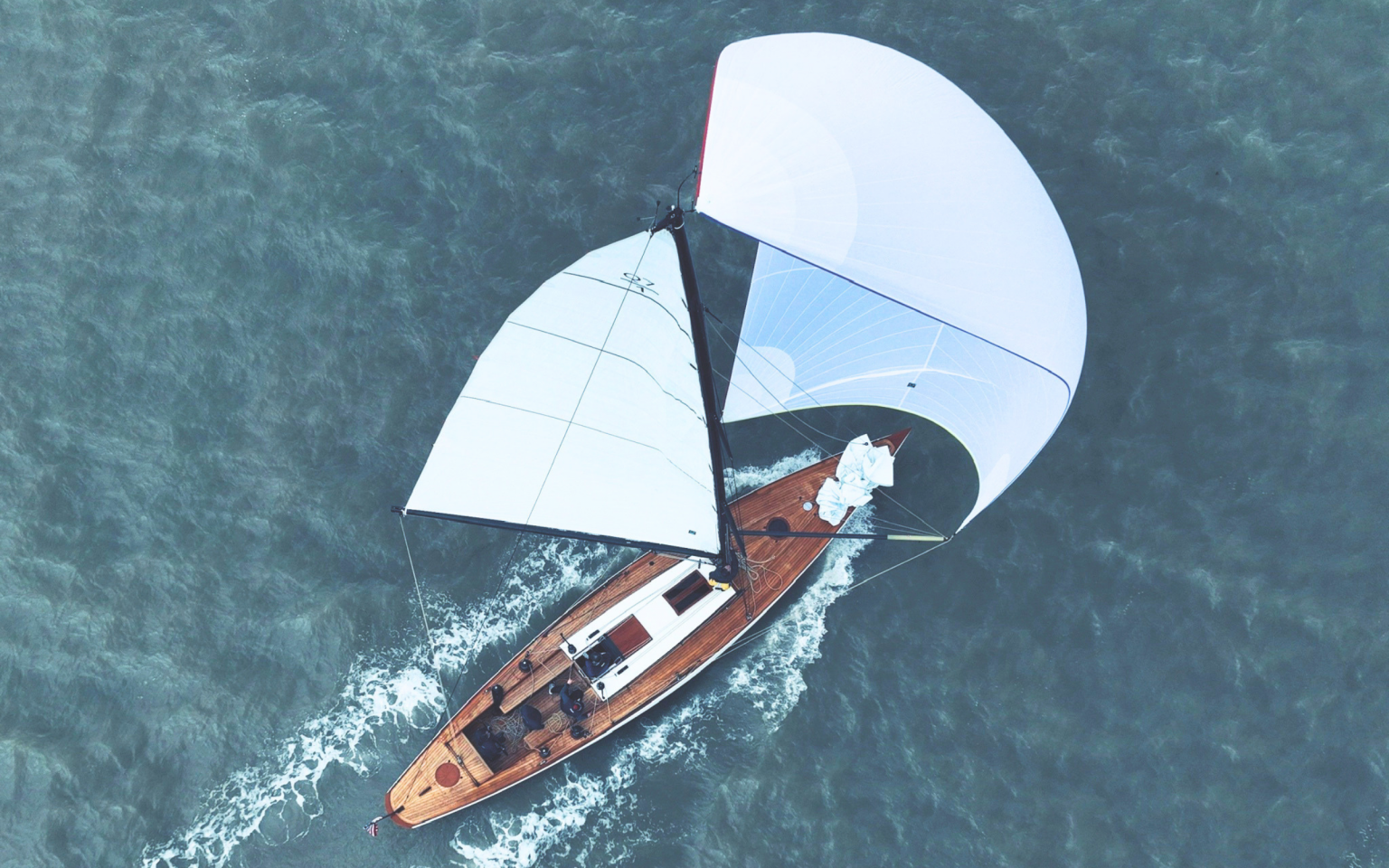
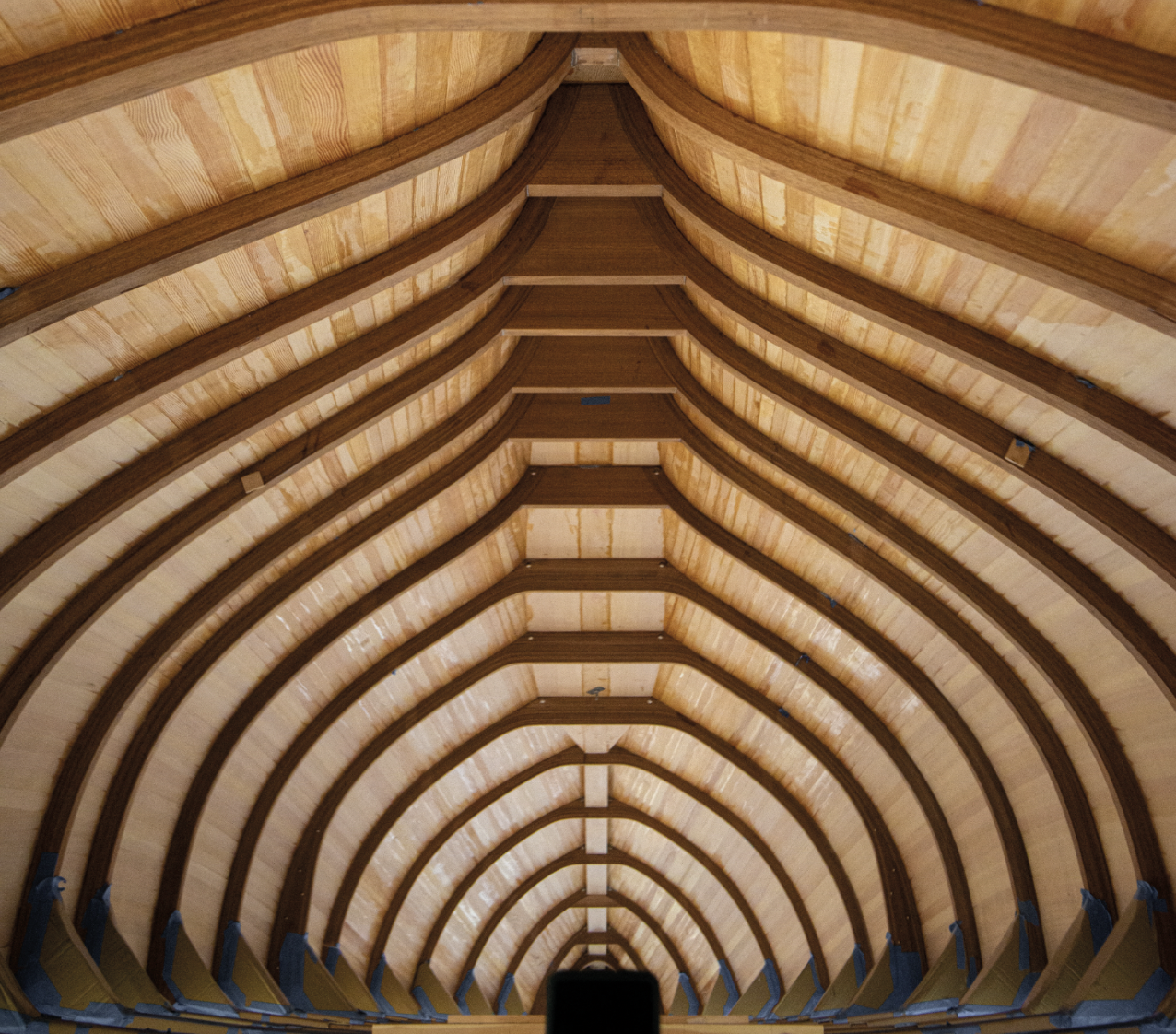
The owner of Falcon, the 1926 Q Class, has a wonderful plan named the Q7 project (Falcon Study) and it has just rolled out of the yard at Spirit Yachts.The sleek, strikingly fast Q class boats were often referred to as mini J’s, delivering a similar performance without the need for a large crew and they are now being revived.The Q7 project, known as the Falcon Study, is many things. Certainly it is a homage to the antique Herreshoff-and Burgess-designed Q Class racers that helped write the Universal Rule, Q7 being the race number of Falcon. But it is also a serious attempt to create something new.
ZEPHYR 1873-Project status report from Ferdi Darley
The mission of the Zephyr project is to return this 154 year old representative of Australia’s Maritime Heritage and 19th century craftsmanship to sailing condition and to be the focal point of the Ferdi Darley shipwright training scheme.
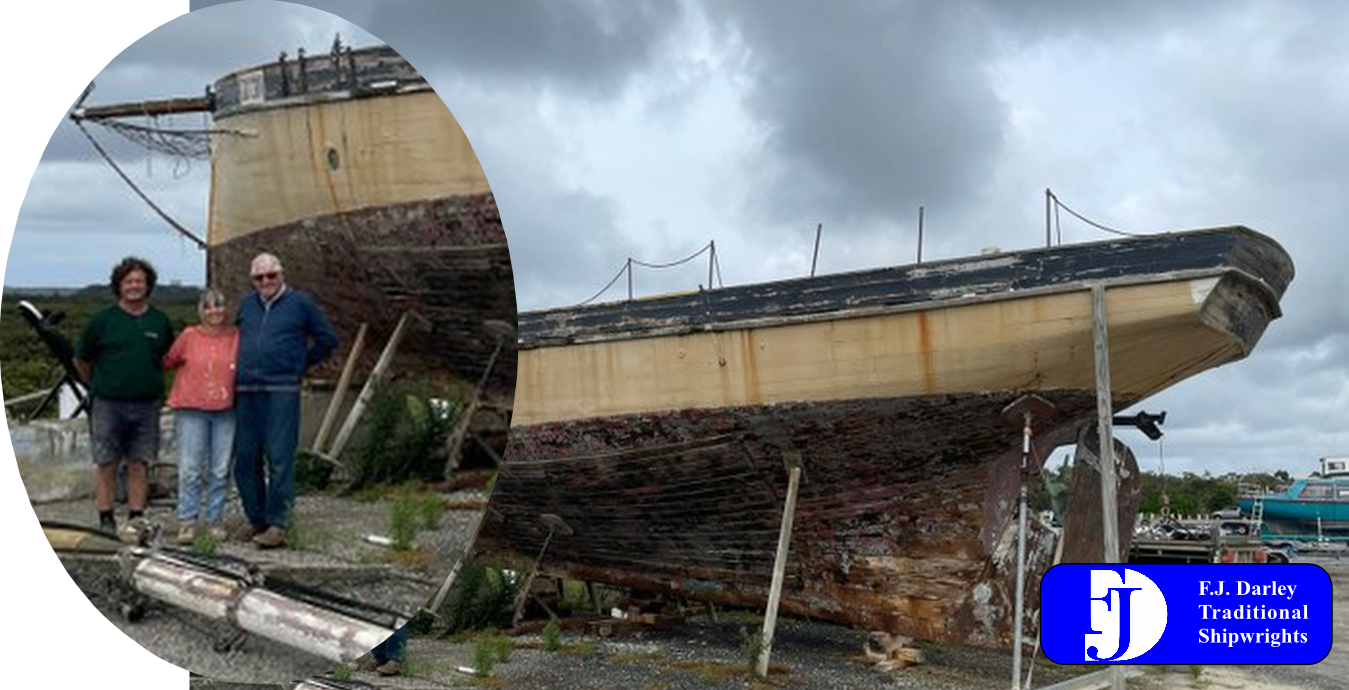
Shown above are the owners and saviours of the Zephyr, Ferdi and Wendy Darley and Peter Lloyd alongside Zephyr’s de-rigged mast and boom.
Read the full report on ZEPHYR and much else in the CYAA Newsletter HERE
R2AK Stage One Started
From the website of one of our favourite events… The Race to Alaska
Race to Alaska started this morning under suspiciously cooperative skies. Warm. Calm. A formal sendoff from a plane overhead. The vessels slipping out of Port Townsend into water so flat it was almost an insult. This is the Proving Grounds. Victoria, BC in 36 hours or go home. The inside passage doesn’t care how nice it looks right now.
Trackers are live. See you in Canada.
Restoring PETREL- Episode 16
Larry Eastwood crafts a custom sliding hatch for the PETREL using traditional methods and teak timber. After demonstrating the intricate joinery and assembly process, Larry Eastwood shares plans for finding project partners and launching the finished vessel by 2027.
Scientists discover 5 million-year-old whale graveyard stretching for hundreds of miles in the Indian Ocean
Scientists have discovered a vast whale graveyard stretching for hundreds of miles in the Indian Ocean, with some fossil bones dating back over 5 million years.
The deep-sea "megasite," which the researchers have named the Diamantina Zone necropolis, is the most extensive accumulation of whale carcasses and fossils ever found, the researchers reported in a new study published Wednesday (June 10) in the journal Nature.
"It covers over 1,200 kilometers [750 miles], which just defies belief," Nick Pyenson, a curator of fossil marine mammals at the Smithsonian National Museum of Natural History in Washington, D.C., who wasn't involved in the study, told Live Science. "'Megasite' is a totally appropriate term. I think they've uncovered something really special."
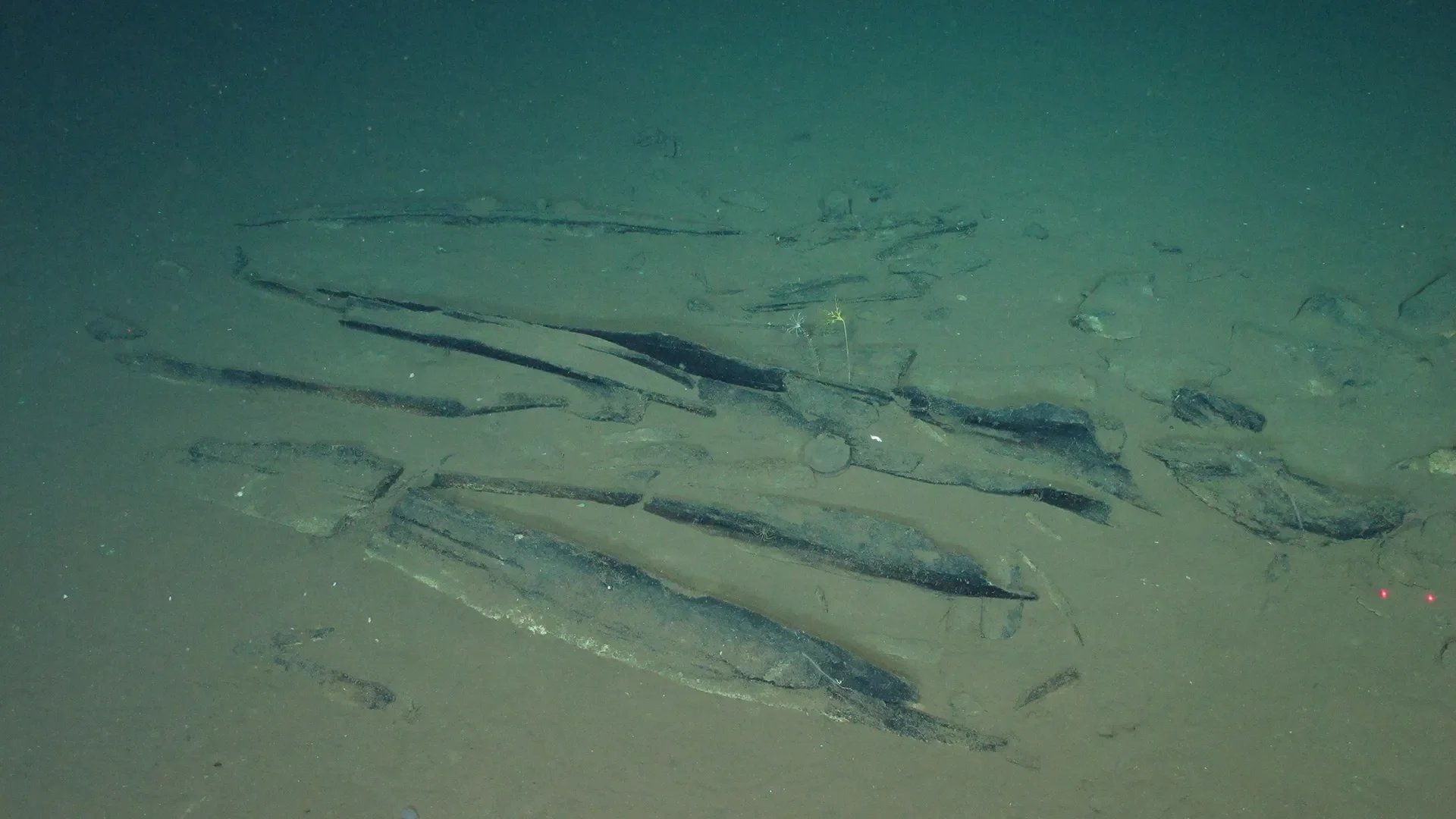
Fossils of possible baleen whale ribs at a water depth of 3.5 miles (5,656 meters) in the Indian Ocean.(Image credit: Global TREnD, IDSSE)