
A Democratising Impulse
Hoyle Schweitzer, 1932–2026
The invention of the Windsurfer was one of the most remarkable democratisations in the history of water sports.  People who would never have set foot on a yacht were suddenly harnessing the wind, particularly in Europe and coastal America, with millions of boards sold annually by the early 1980s. An entire generation’s first encounter with sail power came not through tacking lessons in a harbour, but through falling off a board in a lake and getting back on. Schweitzer gave sailing to the masses, and he did it from a garage in California.
The idea arrived, as the best ones often do, at a cocktail party. It was January 1967, Pacific Palisades, California, when surfer Hoyle Schweitzer and sailor Jim Drake fell into conversation about combining their two favourite sports. Most men would have left the idea where they found it, somewhere between the second and third drink. Not Schweitzer.
Within a year, the two had figured out how to mount a sail on a surfboard and steer the device without a rudder — a thing that, by all reasonable logic, should not have worked. In concept, sailing a surfboard seems as unlikely as rowing a dining-room table. Schweitzer understood this and did it anyway. The prototype failed. Eight months after the original idea took shape, Diane Schweitzer — Hoyle's wife, and the one who had challenged both men to stop talking and actually build something — set up a launch party to present the new prototype. It failed too. A lesser entrepreneur packs up and goes home. Schweitzer went back to the garage.
When they finally had something worth selling, Schweitzer and Diane mortgaged their home to launch Windsurfing International and mass-produce the boards. When the couple first introduced the Windsurfer at boat shows in the early 1970s, some practical jokers outfitted the sailboard with a huge steering wheel and a portable toilet. He laughed, kept going, and watched the world follow.
And follow it did. In Europe alone, by the end of 1981 nearly one million boards had been sold, making the sport second only to skiing in number of participants. Global sales reached their worldwide zenith between 1983 and 1985. The windsurfer had reinvented the concept sailing entirely, stripping away the exclusivity of yachts and marinas and putting the wind within reach of anyone who could stand on a board.
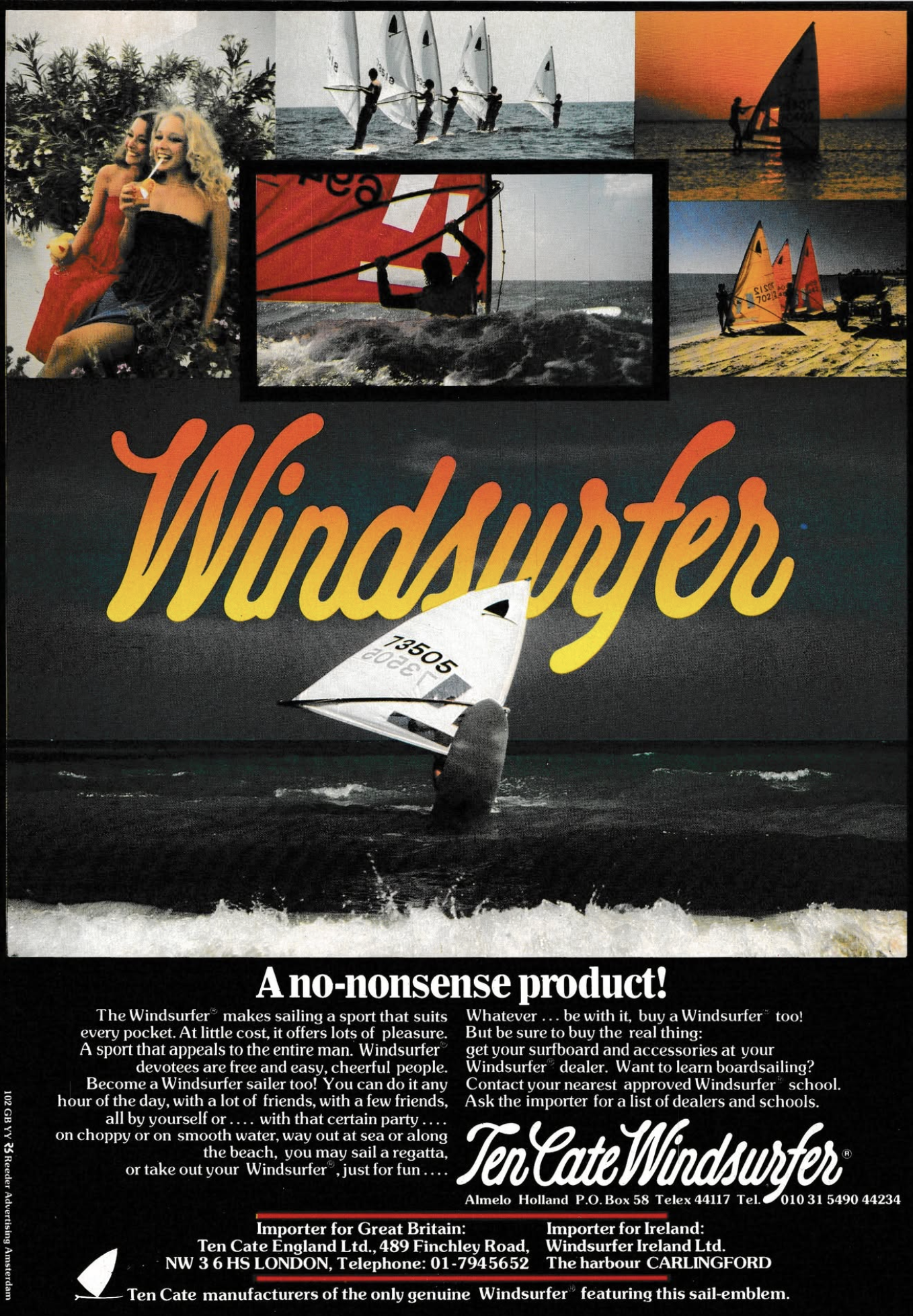
That democratising impulse is Schweitzer's legacy. Windsurfing's relationships — cultural and industrial — with subsequent board sports like kitesurfing, stand-up paddleboarding, wing surfing, and foiling can all be traced to the world he helped build.
In later years, Schweitzer sailed away — literally. He and Diane motored around the world aboard their yacht Pailolo, a Hawaiian word meaning "to rise above turbulent waters." A fitting name for a man who had spent his life doing exactly that. He is survived by Diane, three children, five grandchildren, and eight great-grandchildren.
Hoyle Schweitzer was 93.