
Flotsam & Jetsam 03.04.26
Stand Alone Calendar
After Launching our Calendar of Maritime events last week, (on and off water), we have created a seperate and permanent page HERE. Bookmark it! We have also added a few more events suggested to us by the readership. Keep them coming!
Honoured to Correct
If you haven’t watched the video we posted two weeks ago on MJOJO, built on the beach in Lamu in the 1960’s, then you should ! Well, I felt honoured this week to get an email from Di Beach, surely one of the most underrated and interesting female adventure sailors in the post war era.
Greetings to Southern Wooden Boat Sailing from Di Beach in Spain.
I came across this article about the Mjojo and write, with the greatest respect, to correct a couple of inaccuracies.
Firstly, the mover and shaker of this adventure was my husband, Rod Pickering who was a very experienced and talented young man. It was his idea to build this boat and his inspiration and energy that saw it through to completion. It was the Pickering family - not the Beach family.
Mjojo, whilst built by the dhowbuilders of Lamu, was designed by Rod using the local heavy construction methods but applied to a deep water hull (not a dhow shape at all) and with a fore and aft rig rather than the local lateen. Our plan was to sail the unpredicatble oceans not just stick to the predictable monsoonal winds of the Indian Ocean.
I regret that we appeared colonialistic as we were anything but. We had arrived in Uganda post independence and were appalled by the attitudes we encountered of our fellow countrymen toward the local population.
Love your site with all its fascinating stories and I hope you forgive my mild criticism!
Vertually Springtime
It’s always a pleasure when Roger Robinson’s quarterly Newsletter about all things VERTUE, lands in my inbox. This (northern) spring edition is no exception. His own article entitled SHEERSTRAKES begins like this…
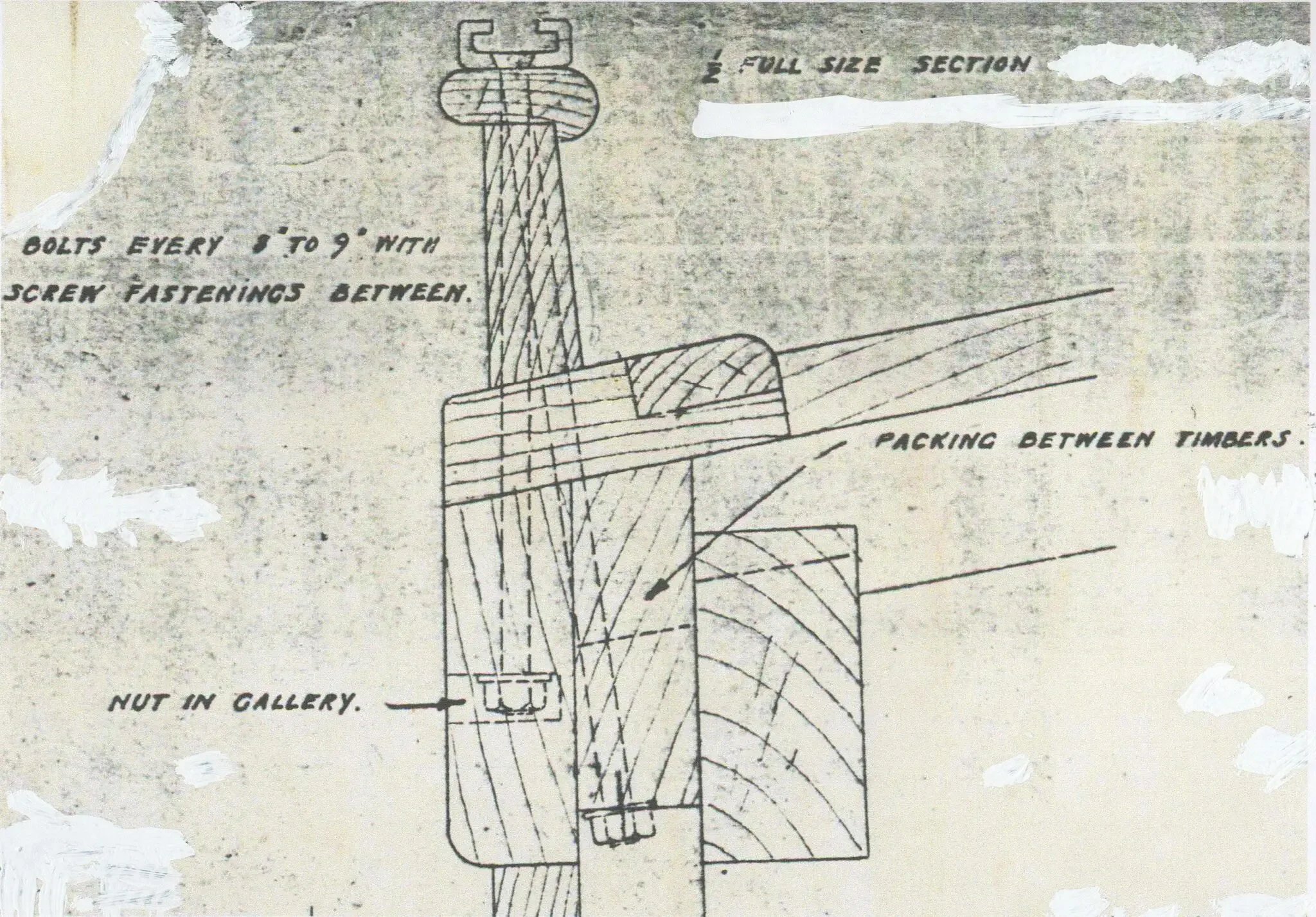
The design characteristics of the old sailing pilot cutters were acknowledged by Jack Laurent Giles to have influenced his thinking during the creation of what eventually became the Vertue class. One of the most visually striking features of the pilot cutters that ranged the Bristol and English Channels, was the thickening of their massive oak-planked topsides for up to three or even five strakes below the covering boards. These were working boats and had to withstand the rough and tumble of their hard lives, boarding pilots both by dinghy and actually alongside much larger ships at sea in all weathers, and even being towed alongside at speeds of up to twelve knots.
Extraordinary Everyday: Surfboards
Nice little segment on ABC Radio National this week in which Andrew McKinnon talks about how Australia’s surfing story has been influenced from far beyond our shores, from ancient Peruvian reed boards to Hawaiian royalty and the design revolutions that shaped the modern surfboard. So how did we get from the earliest surf boards of heavy wooden planks to the sleek, high‑performance boards ridden today?
Click on the picture below to find out!

Gordon Ingate celebrates 100th birthday
By Simon Smale at our ABC
Australia's oldest living Olympian, legendary sailor Gordon Ingate, has turned 100 years old.
But getting to the Olympics almost didn't happen for the New South Welshman, despite qualifying on three separate occasions.
Ingate, affectionately known as "Wingnut" competed at the 1972 Munich Games at the age of 46, lining up in the Tempest Class event alongside crewmate Robert Thornton, placing 19th.
Theirs was the lowest finishing position of any Australian sailors at that Games — the Aussies won two gold medals at Kiel-Schilksee Olympiazentrum in the Firth of Kiel to top the medal table.
However, as Ingate pointed out in an interview two years ago, the guy he beat in his event was the Prince of Thailand, Prinz Bhanubanda Bira.
Incredibly, Bira was one of three royals to compete in those Games alongside Crown Prince Harald, the future Harald V of Norway (10th in the Soling Class) and the then-exiled King of Spain, Juan Carlos I (15th in the Dragon Class). Future International Olympic Committee president Jacques Rogge, also took part, finishing 14th in the Finn Class.
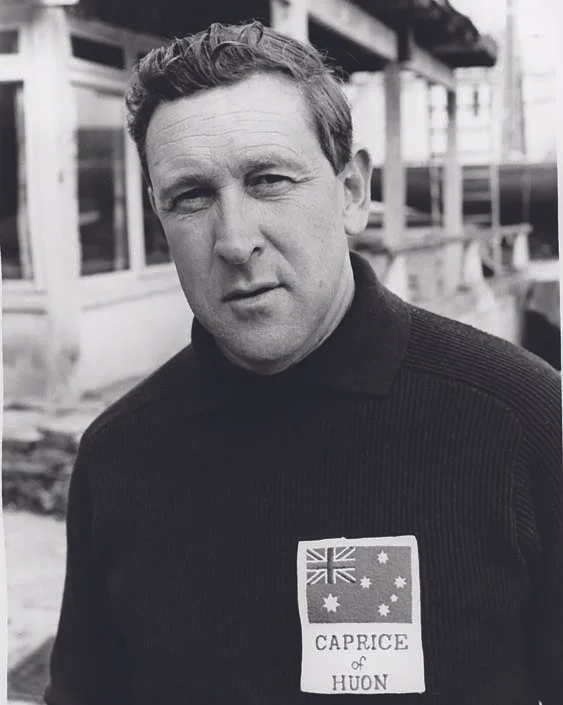
That was the third time Ingate had qualified for the Games. However, on the other two occasions he made the cut, in 1948 and 1952, he was denied the time off from his work at the company that made the gearboxes for the first Holden motor cars.
"I won the right to represent Australia in the London Olympics, and back then you had to get a ship so I needed up to six months off work to get to England, compete and return home," Ingate said in a 2024 interview with the Australian Olympic Committee (AOC).
"What do you want, son?" his Swedish boss belted back.
"I'd like to go to England and have time off, I've got to go by ship, I'll need six months," he asked.
"No way, son, get back to work!" was the unsympathetic response, ending the then 22-year-old's Olympic hopes.
Another View of Paynesville
We published this account a couple of weeks ago by Chris Palmer, and now here’s another view of the celebrations by Tasmanian Boat Guru Roscoe Barnett, thanks to the AWBF Newsletter
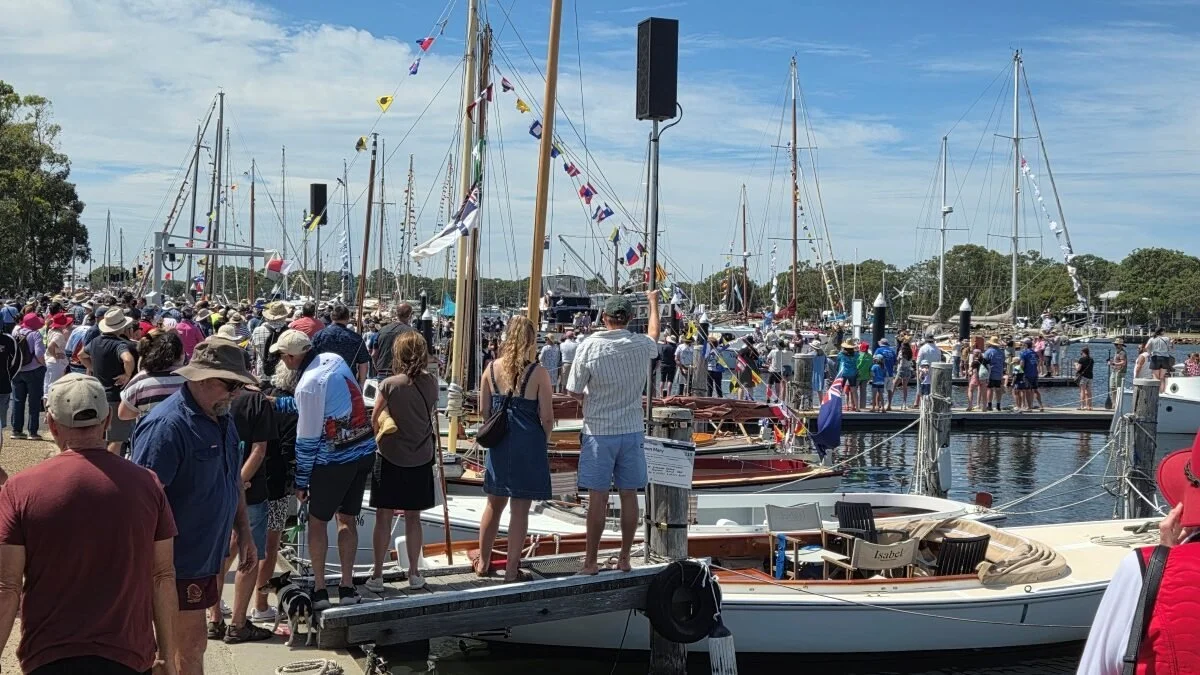
Image- Roscoe Barnett
The Rally occurs every two years, the off year to the AWBF, and I think this one was the fifth one. What a cracker! On the previous occasions I’ve been there I have officially represented the AWBF and towed over a dinghy of some sort to display in their hard stand area, however, this time I was just there along with other Taswegians and hundreds of others. Six vessels had made the voyage from Hobart and one trailered vessel from Launceston. Remember, it’s a Classic rally so there are some of the “other” styles of vessels entered, not all wooden boats.
Paynesville has a population of 3,649 (as per the 2021 census) and is situated on the Gippsland Lakes about a four-hour drive from Melbourne. It is separated from Raymond Island by a waterway, the McMillan Straight, not very wide, however the island is only accessible by boat or a five-minute car ferry ride.
The Rally is organised by a small volunteer committee, with bugger all budget (with the original concept being hatched in the beer tent at an AWBF) and there are about eighty volunteers doing everything before, during and after the Rally….organised mayhem, just like the AWBF. As far as boats go, there were about 250 vessels attending the Rally, that includes vessels afloat and vessels ashore. There were numerous food stalls and other displays and retailers, you know, the engine salespeople and the boat bits and pieces people. All adding to the colour, fun and excitement.
To add even more to the weekend mix was the inaugural Gippsland Lakes Boat Show put on by the Boating Industry Association of Victoria (BIAV). There were what seemed like hundreds of fibreglass and aluminium runabouts and cruisers (in a separate area from the Rally)…and…a fishing competition to boot. But wait, there’s more, there was a community market on Saturday as well. I must say, the people of Paynesville know how to put on a weekend.
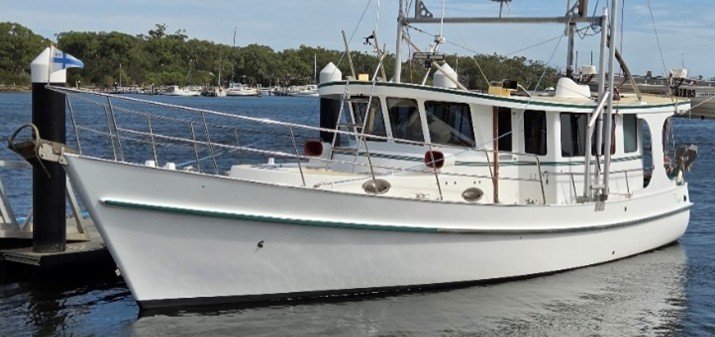
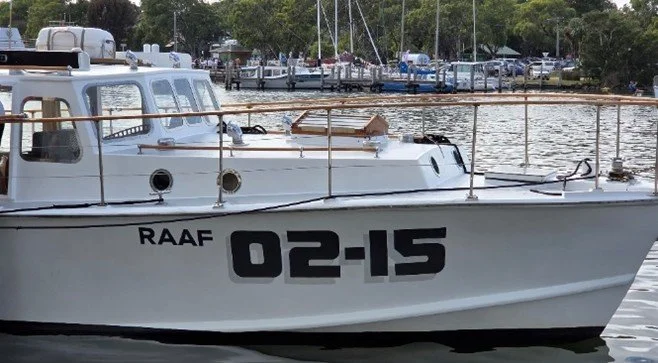
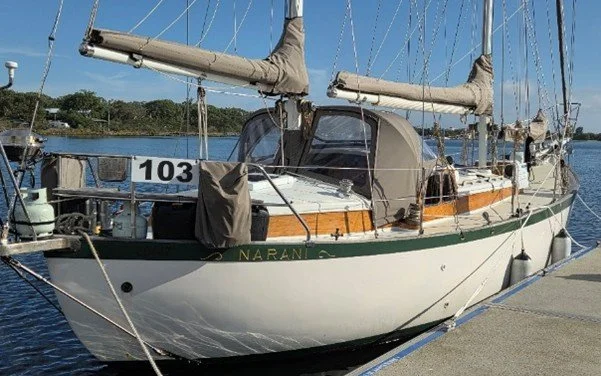
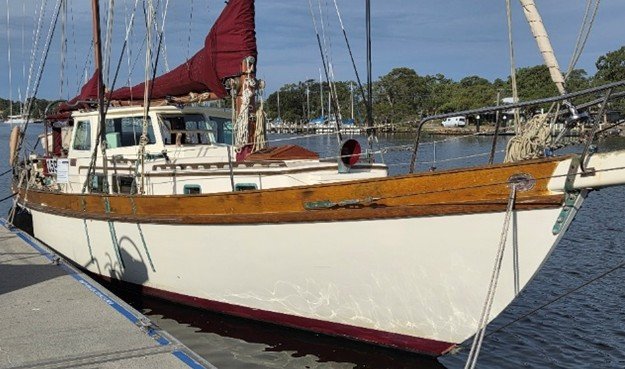
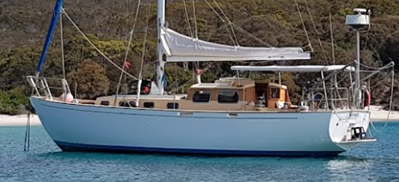
Back to the Rally. As well as the Tasmanian boats there were of course Victorian boats (no, no, not boats from the 1800’s, but boats from Victoria), vessels from New south Wales and a very smart little half cabin number representing the South Australian Wooden Boat Association.
One of the feature events on the Saturday is the Grand Parade (very similar to the AWBF Parade of Sail) where the vessels all follow a nominated one, in this case it was the Enterprize from Melbourne (with a Kettering volunteer engineer on board), down the McMillan Straight past the crowds on the shoreline with a running commentary from the old floating tin shed (which, if you were there, visited AWBF some years ago). Very spectacular I must say. There is also a Sail Past on Sunday morning just for sailing vessels.
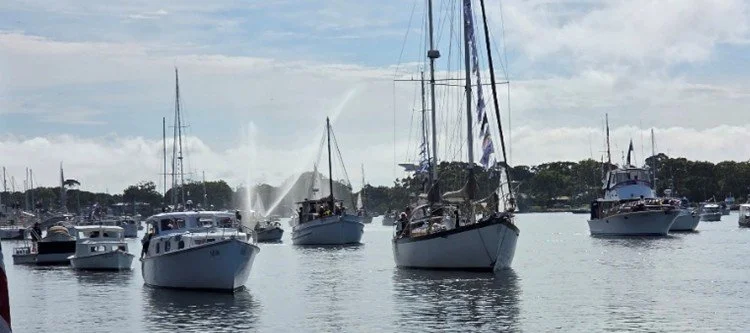
Image- Roscoe Barnett
One of the other crowd pleasers is the goood old Quick and Dirty, which never fails to draw a crowd. The kids love it and the spectators always enjoy the mayhem. When the craft were launched on Sunday afternoon, if memory serves me correctly, they all floated and surprise, surprise, they all managed to complete the designated course without sinking. Mind you, after the race there were some shenanigans!
As can be seen by the pictures the weather was absolutly fantastic for a Classic Boat weekend, you would never have known that on the Friday bump-in it lightly rained most of the day and on Monday for the bump-out, that’s right, you guessed it in one….it rained again, so all I can say is that God (or Hughie if you prefer) must have owned a wooden boat!
So, on Monday morning it was time to head back to Hobart. Quite an adventure when you're not driving your own vehicle. A very early start, a lift to the train station, four hours on the train to Melbourne, half an hour on the bus to Tullamarine, then an hour and a bit flight back to Hobart. A long day to complete a wonderful weekend of boat admiration. Thank you Paynesville Classic Boat Rally. And a special thank you to my hosts.
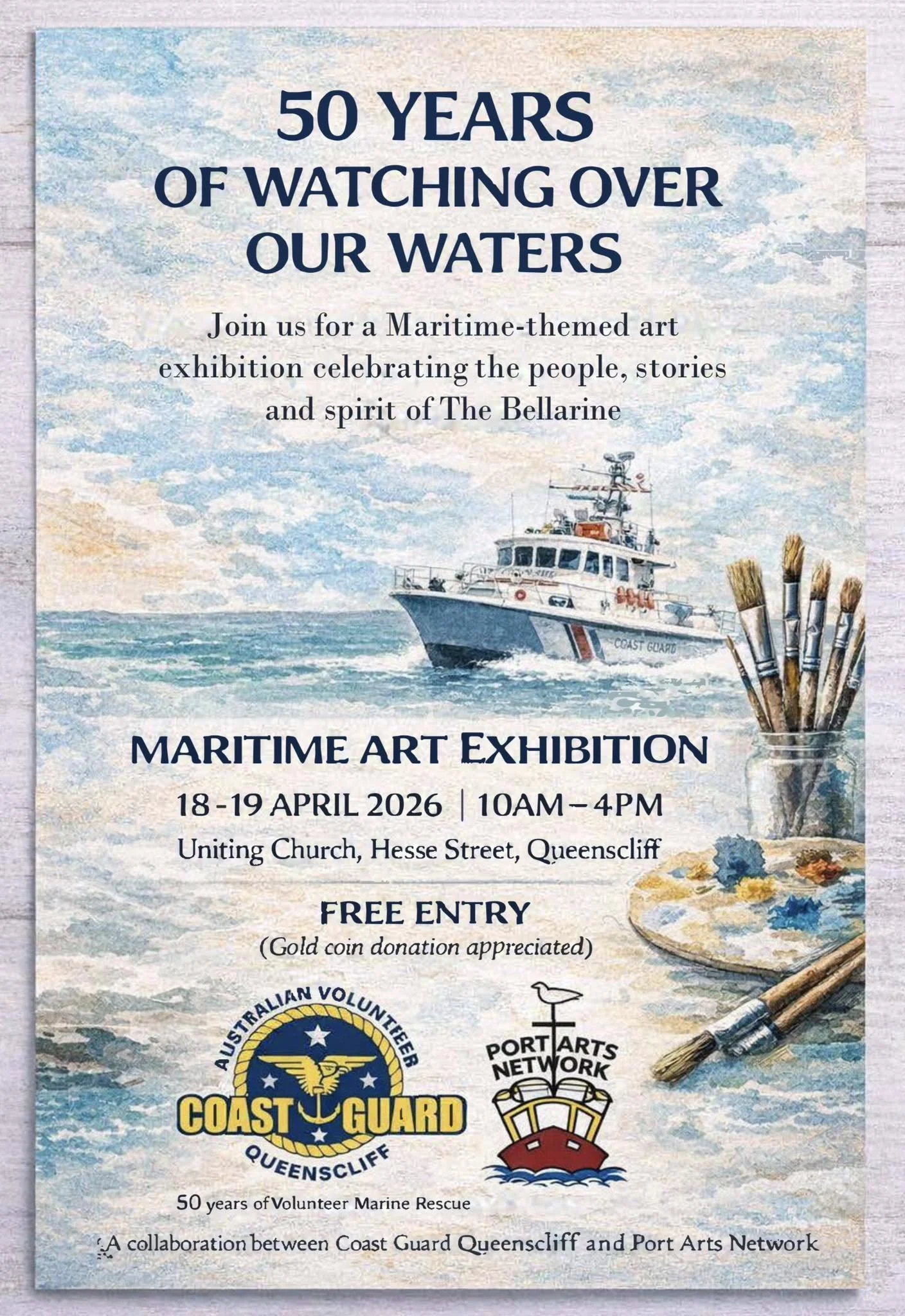
Art & 50 Years of Volunteer Marine Rescue
2026 National Historic Ships Photography Competition theme announced
I thought it worth including this here because the competition is for photographs of ….”historic craft, big and small, afloat and ashore, in UK waters and beyond”…. Well, we are well and truely “beyond”!
The always popular NHS-UK Photography Competition is back for a 17th year. To celebrate our 20th anniversary in 2026, this year’s theme is ‘Time’!
Fantastic prizes and trophies to be won, as well as the chance to be included in our 2027 Calendar, an exhibition at the Historic Dockyard Chatham, and a spread in Classic Boat magazine.
Entries for the category of “Time” should reflect the wide variety of historic craft, big and small, afloat and ashore, in UK waters and beyond.
Photographers are welcome to interpret the theme in any way they choose, but here are some ideas from us: families and friends spending time together enjoying our maritime heritage, a sailor keeping watch, different generations of vessels or people pictured together, summertime on a classic sailing vessel, someone taking the time to do a good job repairing their boat, the effects of time on the fabric of a historic vessel, a classic motor boat speeding through the waves, boats pictured in different seasons, changing light throughout the day, a race against time, the time of your life, a still moment in time, day time, night time, any time!
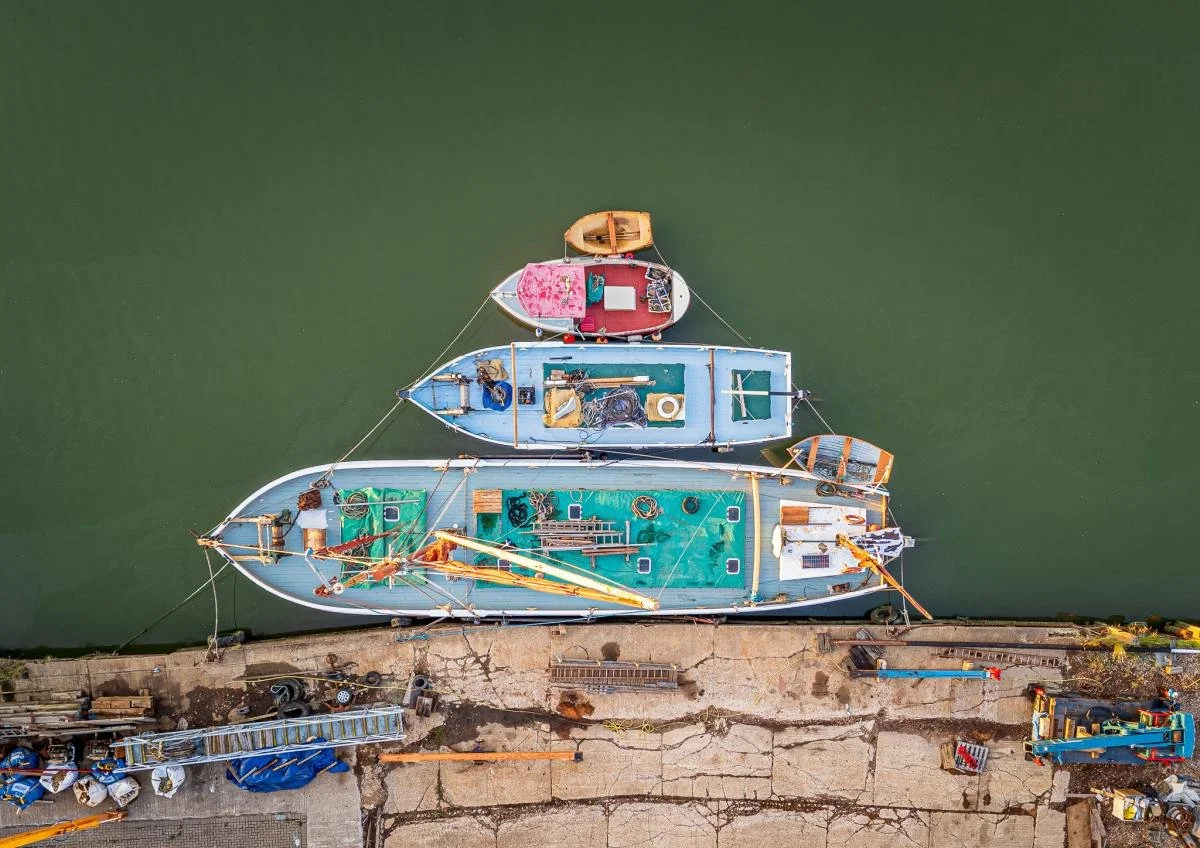
Last year’s overall winner by James Crisp
And don’t forget to have a browse of their vessels for sale. Its always fun!
No code, no permits: ISA deep-sea mining talks end in stalemate
I’m pretty sure this a good news story but have a read for yourself. From Oceanographic Magazine
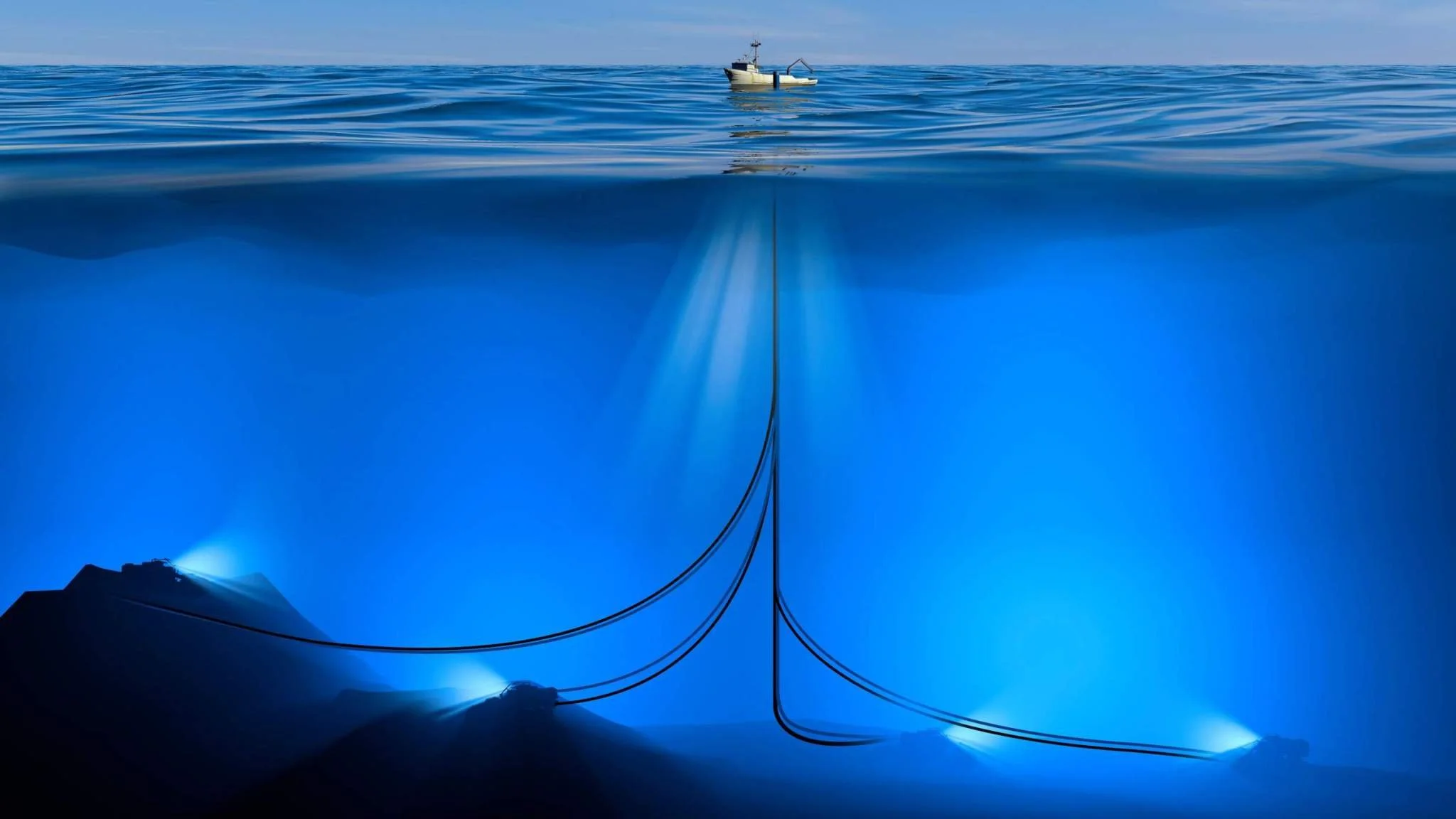
The latest session of the International Seabed Authority (ISA) Council has drawn to a close with none of the outcomes the deep-sea mining industry had hoped for. No mining was approved, and the long-delayed Mining Code – the regulatory rulebook that would need to be in place before any commercial extraction could legally proceed – remains both unfinished and deeply contested.
The two-week negotiations exposed unresolved disagreements across a range of issues, from environmental safeguards and liability frameworks, to inspection protocols, compliance mechanisms, and benefit-sharing arrangements. France, Germany, Brazil, Mexico, Costa Rica, Palau, and South Africa (speaking on behalf of the Africa Group) all raised what they described as fundamental scientific, environmental, and governance gaps.
Several governments went further, insisting that all outstanding issues must be fully resolved before any mining could even be considered.
Victoria’s First Sea Pilot
Thanks to the wonderful Melbourne Maritime Heritage Network for this story and opportunity.
When Master Mariner George Tobin applied to the governor for the position of Port Phillip’s first pilot in January 1839, he had nearly twenty years’ experience as a seaman and shipmaster. In early 1834, he had captained the 160-ton brig Elizabeth to the West Indies, trading to Africa and Russia. The Elizabeth was owned by Manx slaver and privateer Sir John Tobin. In October that year George Tobin was master of the first-class ship Laura bound for Demerara with goods for Joseph Jones of Liverpool. George Tobin arrived at Sydney in December 1836 as a steerage passenger in the William Bryant. By March the following year he was master of James Simpson’s 18-ton sloop Childe Harolde.
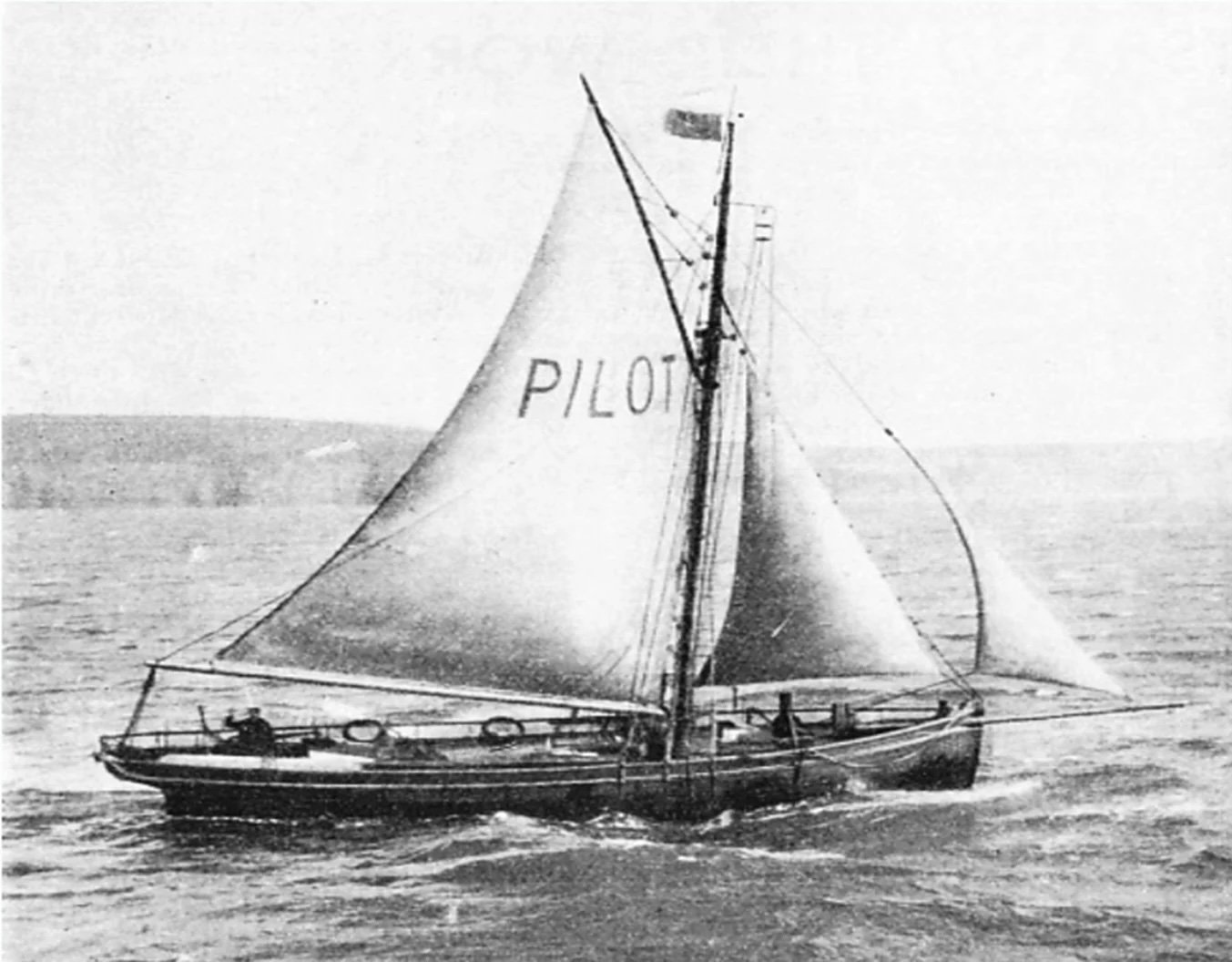
Captain Tobin was first engaged as a sea pilot to bring in the schooner Industry from Launceston before his employment as the first government pilot. Licensed to operate the service out of Queenscliff, Captain Tobin’s base was a sheltered beach at Whale Head, now Shortland’s Bluff, the first headland inside the bay after Point Lonsdale, where he and his crew lived. He was rowed out to ships in whaleboats which were often crewed by convicts.
In 1852 the Isabella Watson, a Geelong bound 434-ton emigrant ship, struck Corsair Rock and was swept onto the nearby Nepean Reef. Pilots Tobin, Toby, Taylor and Caught went to the rescue in a whaleboat. Captain Tobin ‘divested himself of his apparel, and fastened a warp round his body, made fast to the shore, and by dint of extraordinary exertion, reached the ship in safety’. He was responsible for saving the sixty passengers and all except eight of the crew. His bravery was recognised when he was presented with an inscribed chronometer watch on behalf of the survivors.
Captain Tobin is featured in a new exhibition curated by MMHN Board Member, Dr Liz Rushen. Titled ‘Hoddle Grid: The Great Land Grab’, the exhibition features 29 people who purchased land in Melbourne’s first sales.
‘Hoddle Grid: The Great Land Grab’ at the Royal Historical Society of Victoria, 239 A’Beckett Street, Melbourne, corner William and A’Beckett Streets, 26 March-11 November 2026, 10am - 5pm weekdays, free entry.