Eight Bells- John Rousmaniere
When we think of the most famous writers, whose primary subject is sailing, we tend to recall adventurers who, once their adventure was over, told a good story . Think Joshua Slocum, Bernard Moitessier, Francis Chichester and Webb Chiles. They are all primarily sailors who managed to convey with varying degrees of success, the spirit and substance of their journeys.
.
John Rousmaniere who died at 82, earlier this month is a little different. Despite being an accomplished sailor, he will be remembered primarily as a talented and explanatory writer who happened to make the sea and small boats his subject.
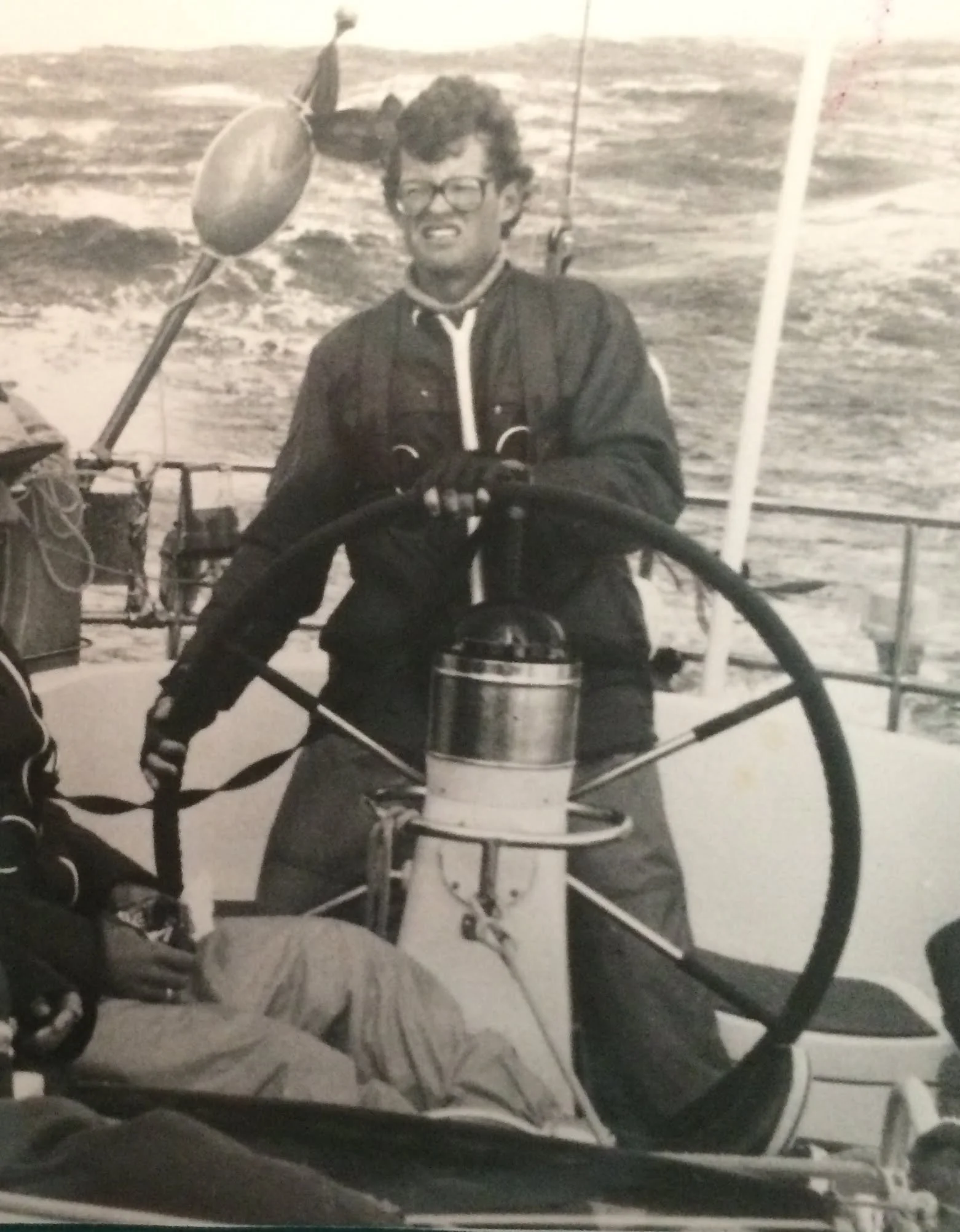
John was born in Louisville, Kentucky, the eldest of eight kids, and spent his early years in Cincinnati before the family landed in Oyster Bay, Long Island, when he was eleven — which is basically where the whole sailing thing took root. He went on to St. Paul's School in New Hampshire and then Columbia, picking up a B.S. and an M.A. along the way (his master's thesis, oddly enough, was on the history of settlement houses — not a hint of what was coming). He was drafted during the Vietnam War, which somehow led to a a life spent almost entirely on or writing about the water.
Over four decades, he wrote or edited somewhere between 30 and nearly 40 books, depending how you count the editions, and a few of which became dog-eared, salt-stained volumes sitting beside the chart table on FAIR WINDS and now MATILDA
Here are few examples.
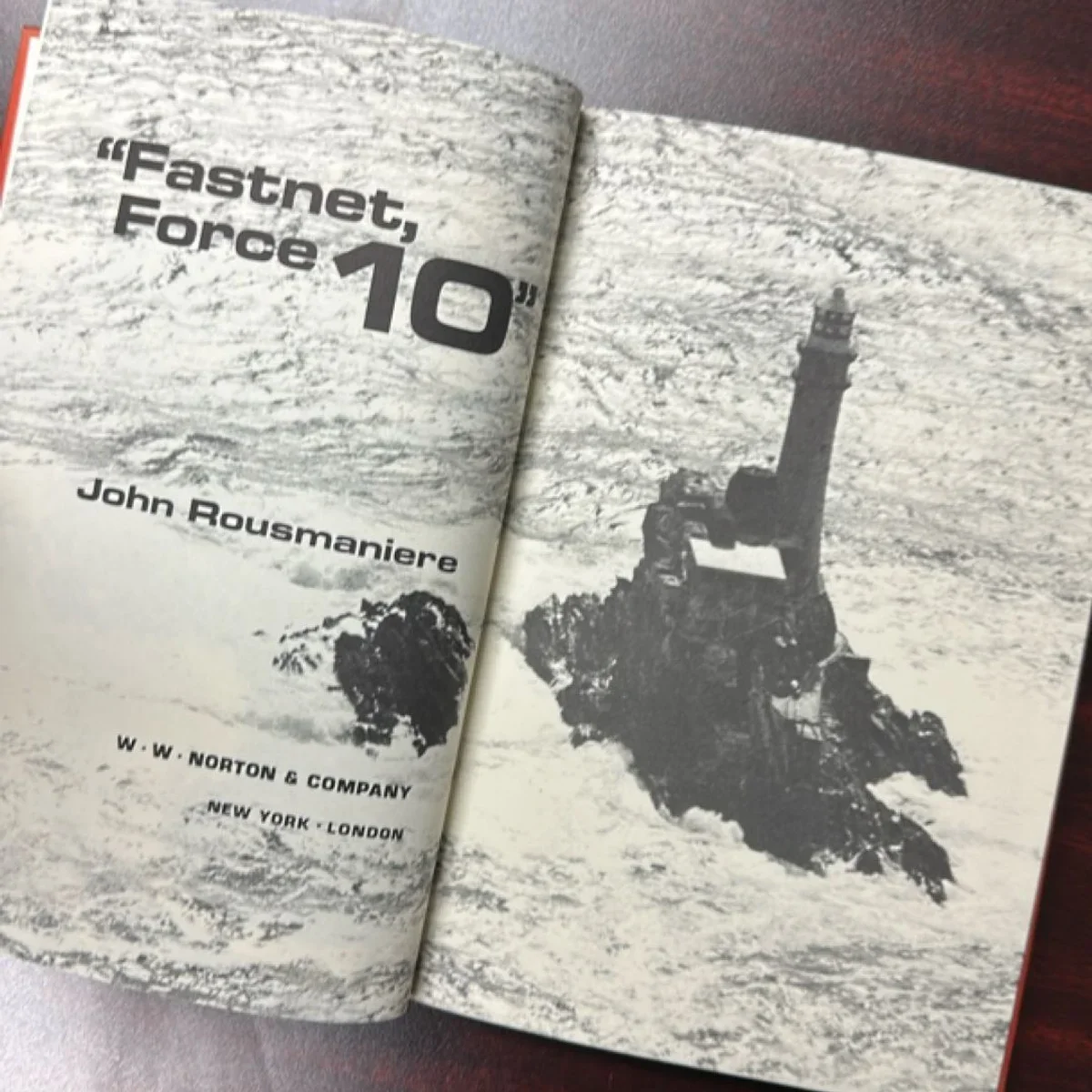
Fastnet, Force 10 (1980) — This is perhaps his most successful book, and is of special interest to me personally as he was second-in-command aboard the Swan 48 TOSCANA, a near sistership to MATILDA. It focuses on the 1979 Fastnet Race storm that killed 15 sailors and sank five boats.
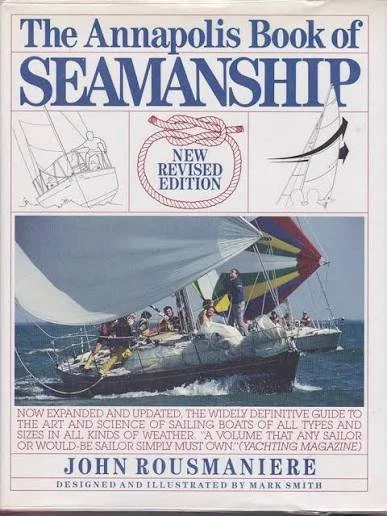
The Annapolis Book of Seamanship (1983) — In terms of technical excellence this book is perhaps his finest work, Its now in its fourth edition and standard reading at the Naval Academy.
After the Storm — a follow-up of sorts to Fastnet, Force 10 — but broader in scope. Where Fastnet was one storm, one race, told from the inside, After the Storm is a chronological collection of a dozen sea disasters.
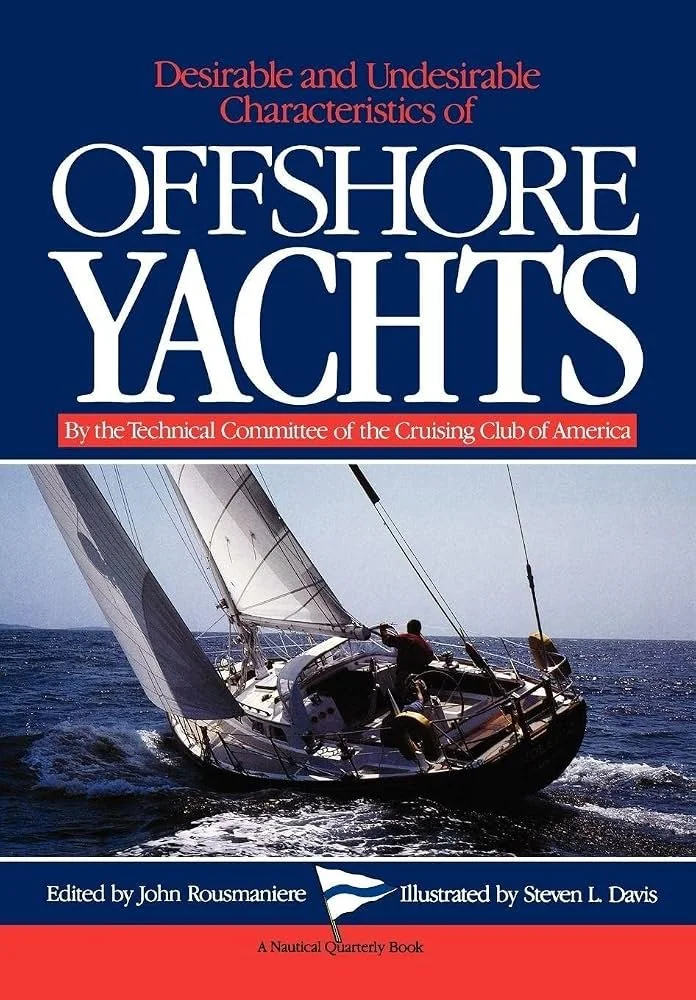
Desirable and Undesirable Characteristics of Offshore Yachts — a technical compendium he edited, fittingly, while sailing from Connecticut to the Azores.
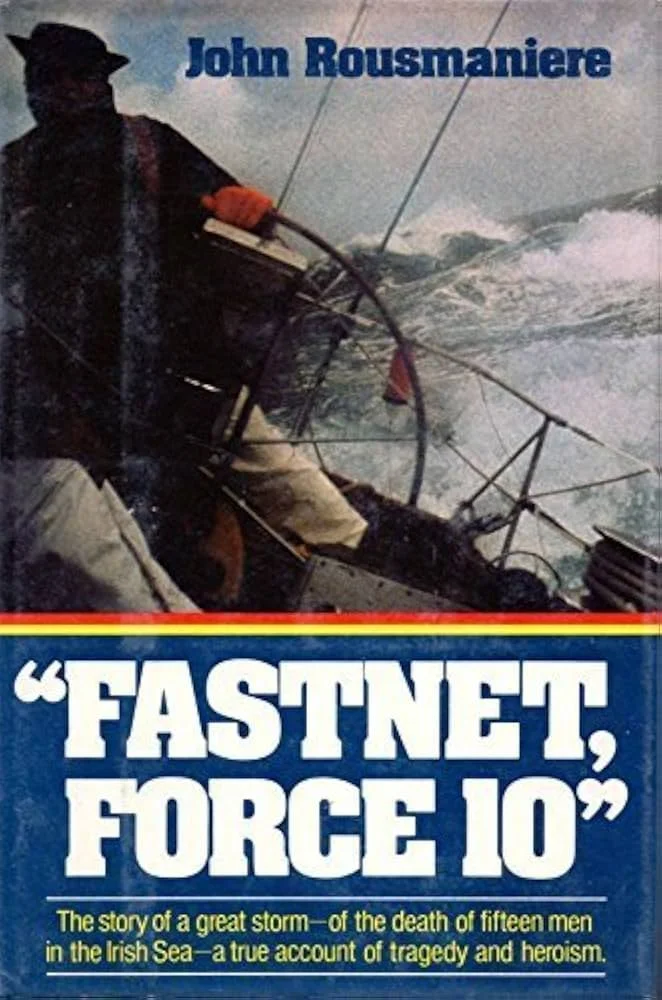
Most people would've hung up their wet weather gear after the Fastnet. Instead, John wrote a bestseller about it and then spent the rest of his life trying to make sure nobody had to live through it again — co-founding US Sailing's Safety at Sea Seminar and personally running or joining more than 100 of the courses, plus sitting on review panels that investigated fatal sailing accidents.
He logged over 40,000 offshore miles, including nine Newport Bermuda Races, two Fastnet Races, and three transatlantic crossings. The honors piled up accordingly: the Cruising Club of America's Nye Trophy, US Sailing's Timothea Larr Award, Mystic Seaport's W.P. Stephens Award, the NYYC's inaugural Commodore Anderson Award, induction into the National Sailing Hall of Fame in 2020, and the Bermuda Race Roll of Honour in 2024.
He also knew when to quit — in 2018, he wrote a piece explaining why he was giving up offshore sailing, ending with a line typical of his writing style: "I wouldn't want me on the foredeck. It wouldn't be fair to the rest of the crew."
At home, he gave his wife Leah duplicate copies of big books — War and Peace, the Iliad and the Odyssey — so they could read them side by side. Their son Dana once tried counting the books in their New York apartment and gave up at 3,000.
John is survived by Leah; sons Will and Dana; five grandchildren; four brothers and a sister; and a fleet of sailors who are better and safer because of him.