
Flotsam & Jetsam 27.03.26
Ticking Boxes
Following my recent rant about safety becoming an administrative rather than practical task, I was amused to receive an email from the Boating Manager of the (Royal!) Yacht Club of which I’m a member.
It began
“Hi all,
As our Winter season approaches, we’d like to help you to get all the boxes ticked so you can get out and enjoy your time on the water….”
Quod erat demonstrandum

Good news items can seems few and far between these days, so here’s a couple of conservation stories, reminding us that all is not lost!
The Beach & Maya Bay
If like me, in the 2000s you read Alex Garland’s book “The Beach” you might be interested to know what happened to the place since that not very good, but disturbingly compulsive book, hit the shelves world wide.
The novel tells the story of a young British backpacker who discovers a secret paradise community on a hidden Thai island. It was a best selling phenomena and was adapted into a film in 2000, directed by Danny Boyle and starring Leonardo DiCaprio — with Maya Bay on Phi Phi Leh island serving as the filming location.
The film is largely responsible for the mass tourism that devastated the bay, as it transformed the previously little-known location into one of the most visited spots in Southeast Asia.
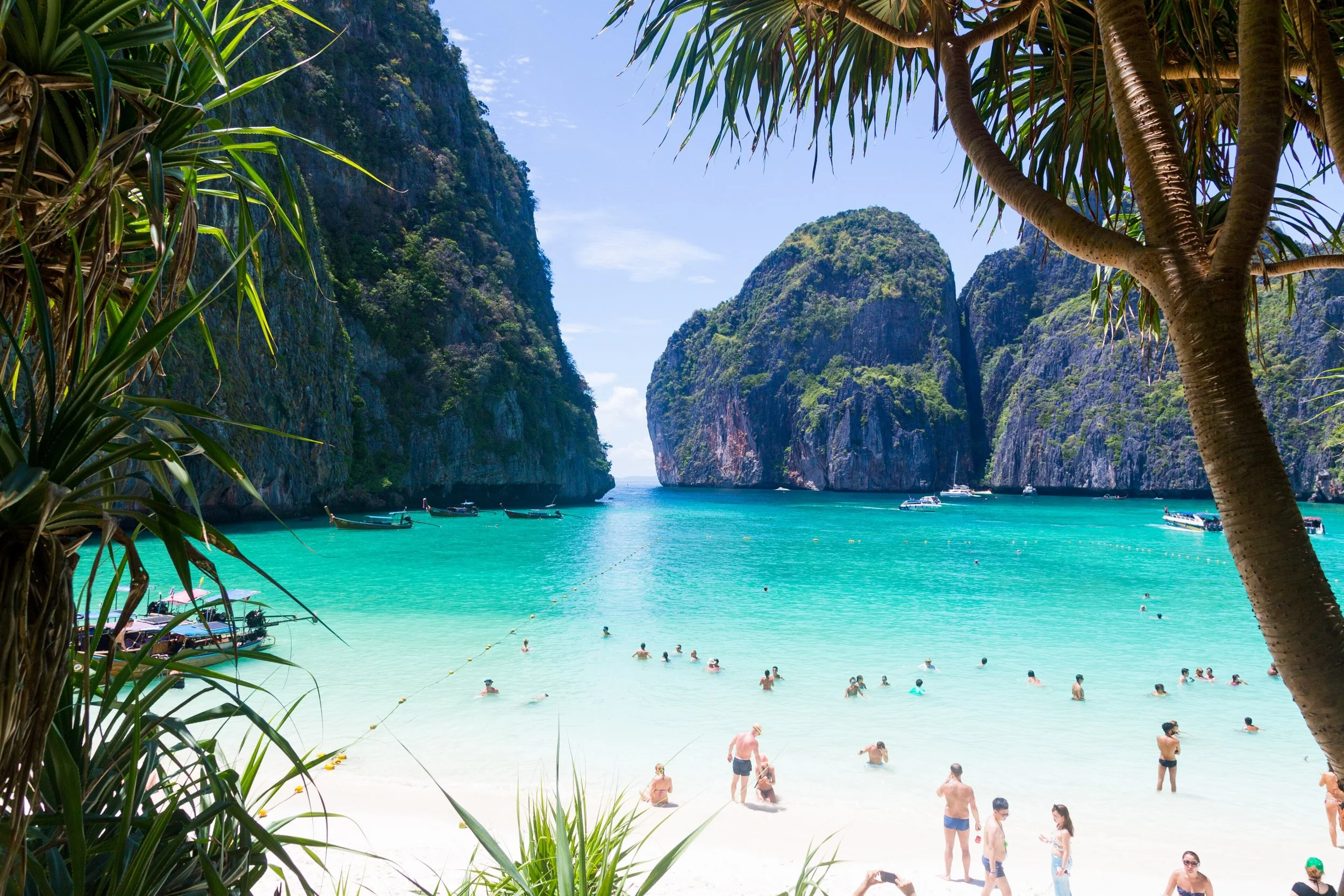
Maya Bay beach, Thailand 2015
However, conservation efforts at Maya Bay have produced a remarkable ecological turnaround. After the bay was closed in 2018 — when it was receiving as many as 1.73 million visitors annually, causing severe damage to its reefs and marine life — coral restoration projects flourished, with over 30,000 coral fragments successfully transplanted. Most strikingly, before the closure there were no sharks, but today there are about 60 blacktip reef sharks in the Maya Bay area a significant symbol of the ecosystem's recovery. Clownfish, lobsters, and other species have also returned in numbers not seen in years.
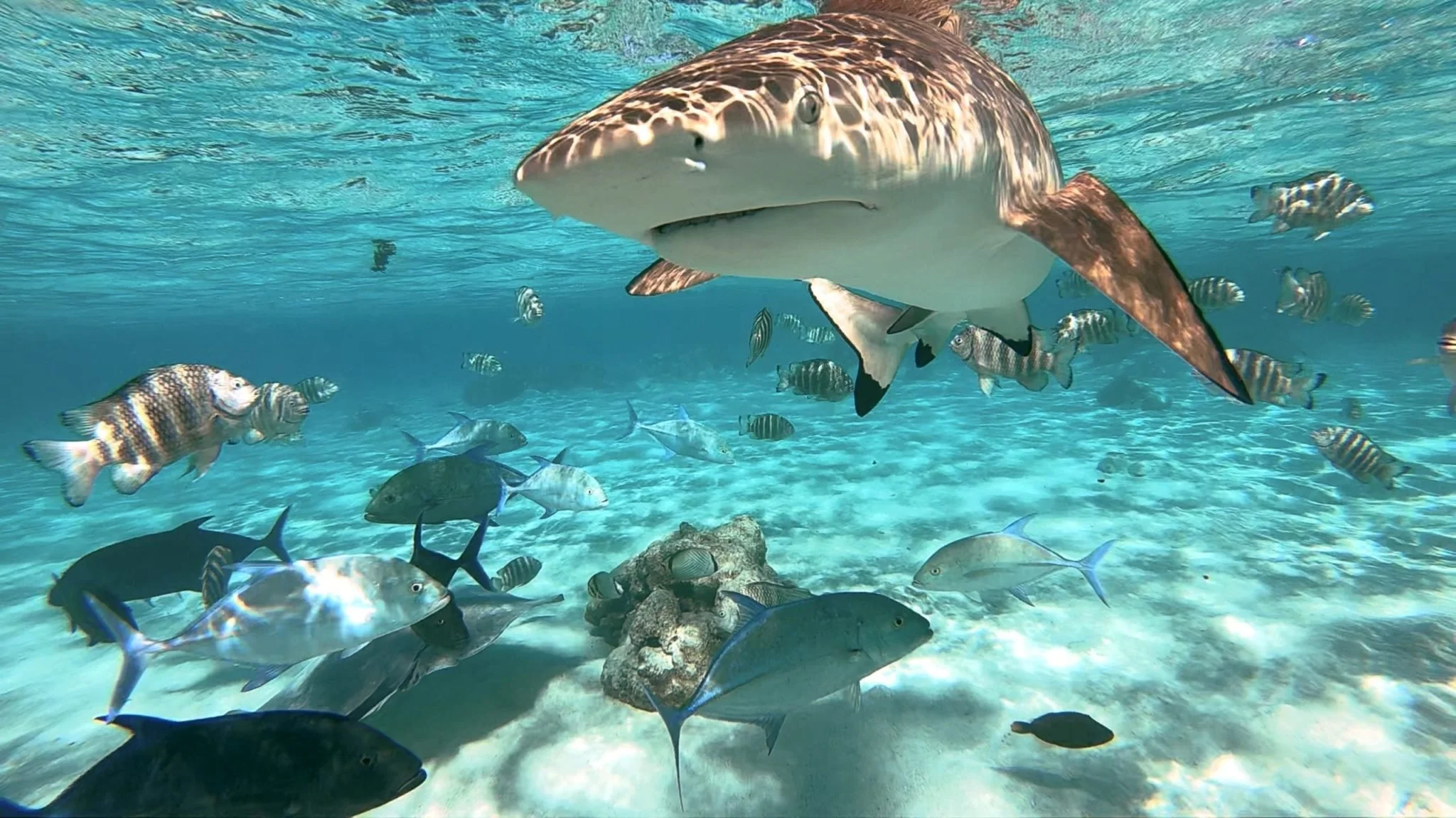
Grey tipped reef sharks in Maya Bay
When Maya Bay reopened in January 2022, it did so under strict new rules designed to prevent history repeating itself. Boats are forbidden from entering the bay, daily visitor numbers are capped, and tourists are no longer permitted to swim — measures intended to protect the recovering coral and marine life. Annual two-month closures have since become a regular fixture each August and September as part of ongoing rehabilitation. The bay is now widely regarded as a global model for sustainable tourism. So now we know that with authentic and passionate political will and strict management, even heavily degraded natural environments can recover significantly.
One Million Square Kilometres of Ocean Gains Full Protection in Chile
The remote islands of the Juan Fernández Archipelago are celebrating a landmark moment for ocean conservation after Gabriel Boric, President of Chile, signed a decree granting full protection to 360,000km² of waters surrounding the archipelago and the Nazca-Desventuradas Marine Park.
Once fully implemented, the designation will bring the total fully protected area in the region to 946,571km², making it the third largest fully protected marine area in the world, behind the Ross Sea and the Papahānaumokuākea Marine National Monument.
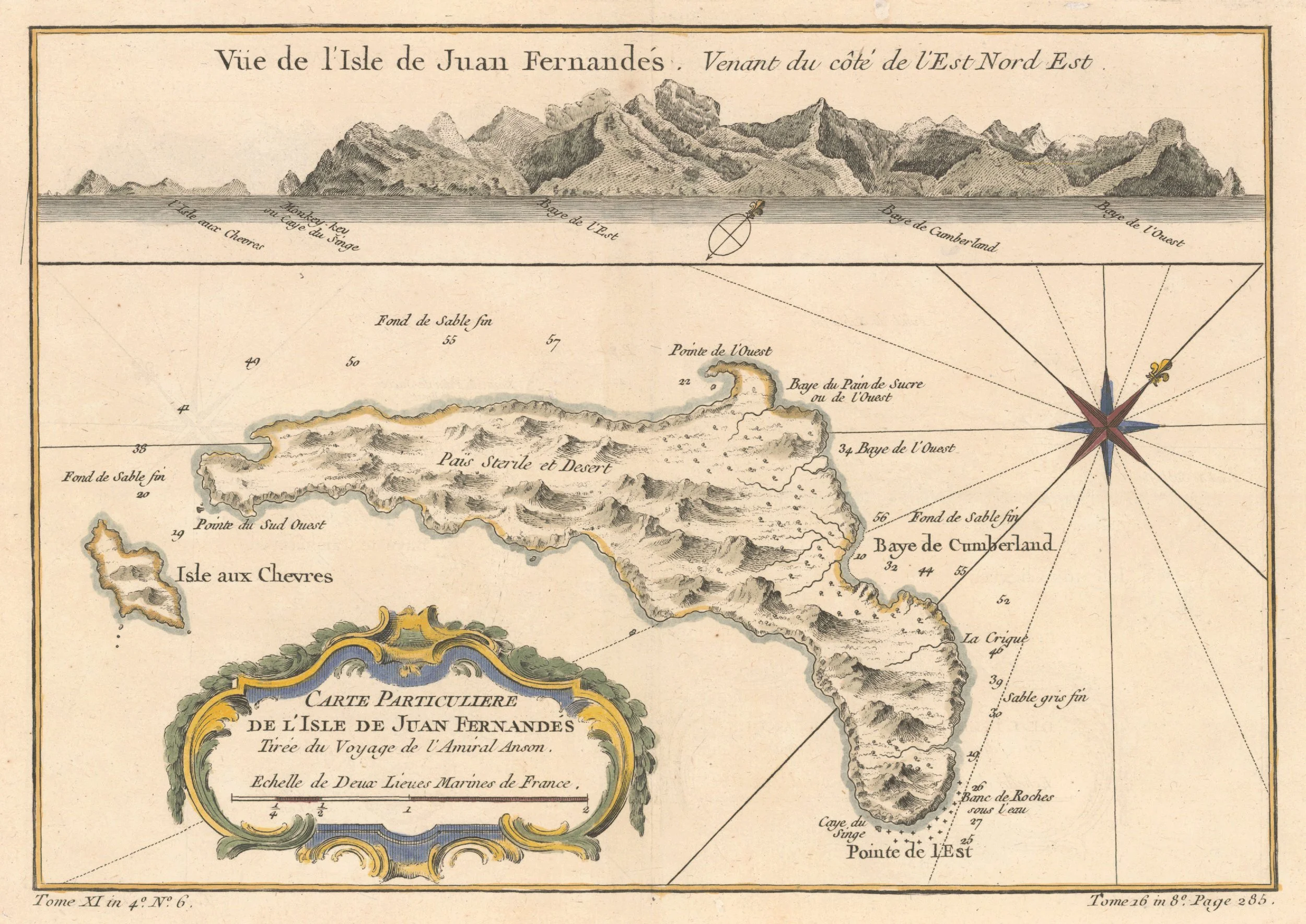
Bellin, Jacques Nicolas Bellin’s, 1753 “Carte particuliere de l’Isle de Juan Fernandés. . . .” This is Isla Más a Tierra (known today as Robinson Crusoe), the largest of the three islands that constitute the Juan Fernández group. When explorers’ narratives mention stops at Juan Fernández, they usually are referring to this island.
The move also means Chile will surpass 50% protection of its exclusive economic zone, placing it alongside global leaders including French Polynesia and Panama.
The milestone follows a proposal submitted last year by the islands’ residents, who have managed their iconic lobster fishery sustainably since 1890. Their plan called for expanding conservation areas around the Juan Fernández and Desventuradas archipelagos, which form part of a vast underwater mountain chain that supports remarkable levels of endemism. Read on HERE in Oceanographic Magazine
Very Stable Upside Down
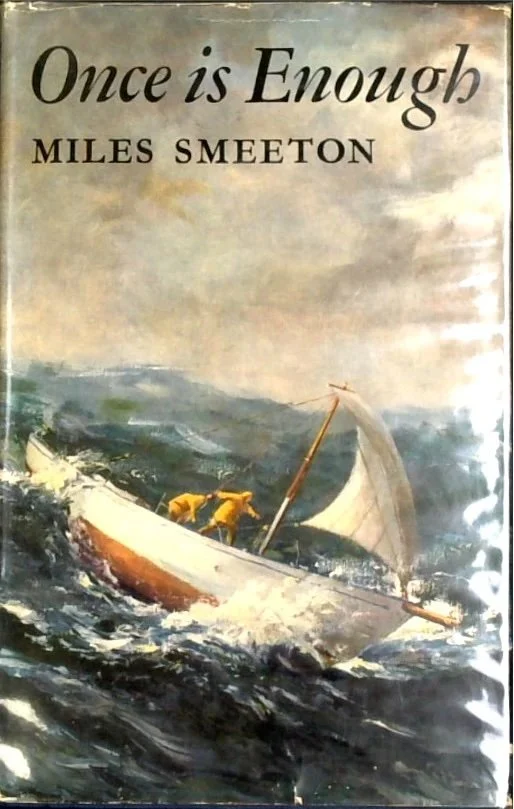
Beryl and Miles Smeeton were a couple of eccentric English aristocrats who achieved amazing things. While they were not without their faults, I would recommend their book “Once is Enough” to anyone interested in adventure, independence and self reliance. Despite their world girdling adventures, they refused to carry either a radio or a life-raft on board, because they felt that they themselves should be the only ones responsible if things went wrong… and they did. Having to be rescued would not only inconvenience others, it would also be embarrassing!
Compare this to last week’s incident in the Pacific. From Boatnews
In the middle of the night on March 11, a 44-foot catamaran with three crew members capsized more than 400 miles from Tahiti. The crew was fine, but the liferaft could not withstand the pressure. In this remote area, beyond the reach of a helicopter, a vast rescue operation was set up. On Wednesday March 11, 2026, the French Polynesia Aero-Maritime Rescue Coordination Center received a distress beacon signal. The position indicated an area more than 260 nautical miles west of Maupiti, i.e. almost 480 kilometers, and around 420 miles from Tahiti.
In this part of the Pacific, distance makes rapid intervention difficult. Rescue operations have to cover several hundred miles before reaching the area. After checking the signal, JRCC Tahiti immediately launched a search mission. A Falcon 50 from the Armed Forces in French Polynesia, used for maritime surveillance, took off to locate the boat in difficulty.
The plane's crew quickly located the yacht in distress. The catamaran has capsized. Two people are standing on the overturned hull. A third is nearby in a deflated liferaft that is beginning to leak. Although the overturned hull remains the best shelter for waiting, the failure of the raft must have taken its toll on the crew's morale. The area is beyond the reach of helicopter resources. Winching is therefore not possible.
To extend the survivability of the shipwrecked crew, the Falcon crew jettisoned an emergency kit. The equipment includes a self-inflating liferaft, a protective tent, water, food and several items of signalling and safety equipment. In rescue operations at sea, coordination centers can request assistance from nearby vessels. This is the procedure initiated by JRCC Tahiti. The nearest vessel, a merchant ship flying the Bahamian flag, agreed to change course to reach the disaster zone. At the time of the call, it was still some thirteen hours away from the shipwrecked crew.
Meanwhile, the Falcon makes another pass over the area to relocate the drifting raft. This position update enables the ship to be guided to the exact area. The second overflight takes place at night. The aircraft crew also make visual signals to maintain contact with the shipwrecked crew and let them know that help is on the way. On Thursday morning, JRCC Tahiti requested another Falcon flight to accompany the arrival of the merchant ship. The aircraft acted as a relay, guiding the vessel to the raft's position.
Despite rough seas, the cargo ship's crew finally managed to recover the three shipwrecked men. This type of intervention is a reminder of an essential rule of maritime law. Every ship must render assistance to a person in danger at sea when it is in a position to do so.
Once the survivors were on board, the priority was to assess their state of health. JRCC Tahiti set up a remote medical consultation. The merchant ship is put in contact with the Maritime Medical Consultation Center, an organisation specialized in assisting sailors stranded at sea. Doctors analyze the condition of shipwrecked sailors and determine whether medical evacuation is necessary.
One of the survivors sustained an injury during the capsize. After assessment, the health of the three sailors is judged to be satisfactory. The vessel can now resume its journey to New Zealand, where the shipwrecked crew will be disembarked and cared for by the authorities. However, the overturned catamaran remains at sea. A drifting wreck is always a risk for ships in the area.
JRCC Tahiti is therefore issuing an urgent notice to mariners of the possible presence of this wreck floating between two waters. Under these conditions, precise localization becomes difficult. The authorities recommend that vessels transiting the area maintain a careful lookout.
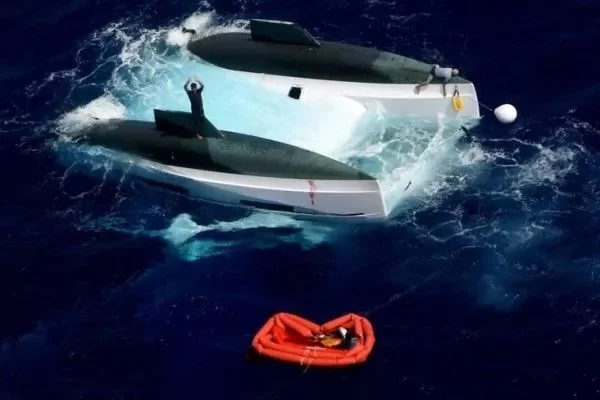
So in the end, this is also a good news story. The systems worked, and lives were saved… but I can’t help thinking a lot of bother would have been avoided if they had been sailing a boat that’s more stable when its the right way up.
Construction Questions
And while we are on the subject of boats nearly sinking, I can recommend for you a fascinating article published on the “Loose Cannon” Substack site by James Evenson, entitled “Born To Race, Built To Fail”
It reaches some quite damning conclusions about modern fibreglass construction techniques. I can’t help wondering if the lawyers down at Groupe Bénéteau, will be reading with interest!
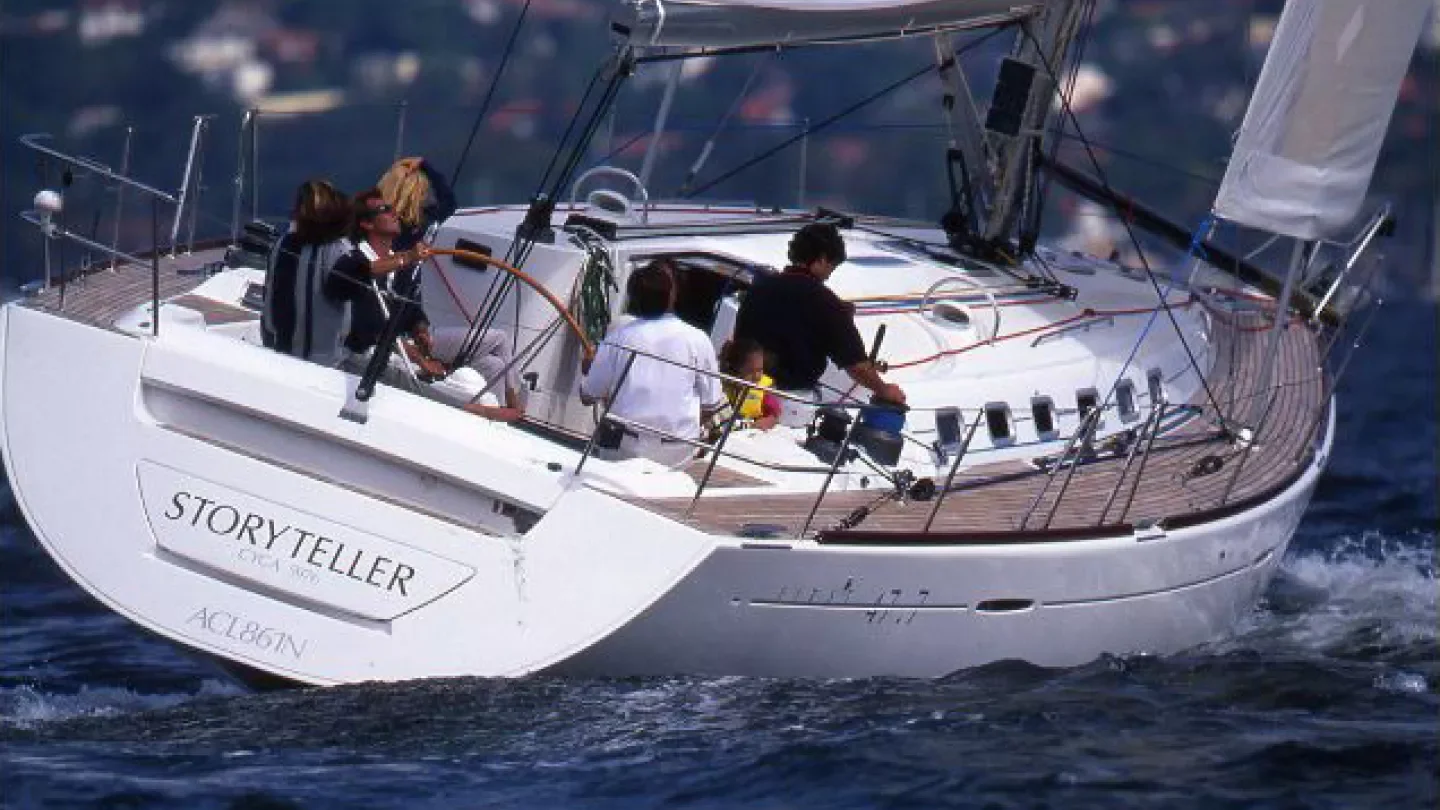
An example of a Beneteau First 47.7 (Not the one in the story!)
“The bilge pump started coming on somewhere off Haiti. The first time, the skipper checked the obvious things, found nothing, and kept sailing. The wind was building. Thirty-five knots, gusting 45. Gale conditions on a boat designed to go fast, not far.
They were triple reefed on the main and jib. By the time the crew was 150 miles from land, the pump was cycling every fifteen seconds. This was a Beneteau First 47.7. Farr-designed. High rig, nine-foot fin keel. A performance boat, beautiful to sail, the kind of thing that wins races and looks good doing it.”
Read on HERE
The End of Another Four Wooden Working Boats.
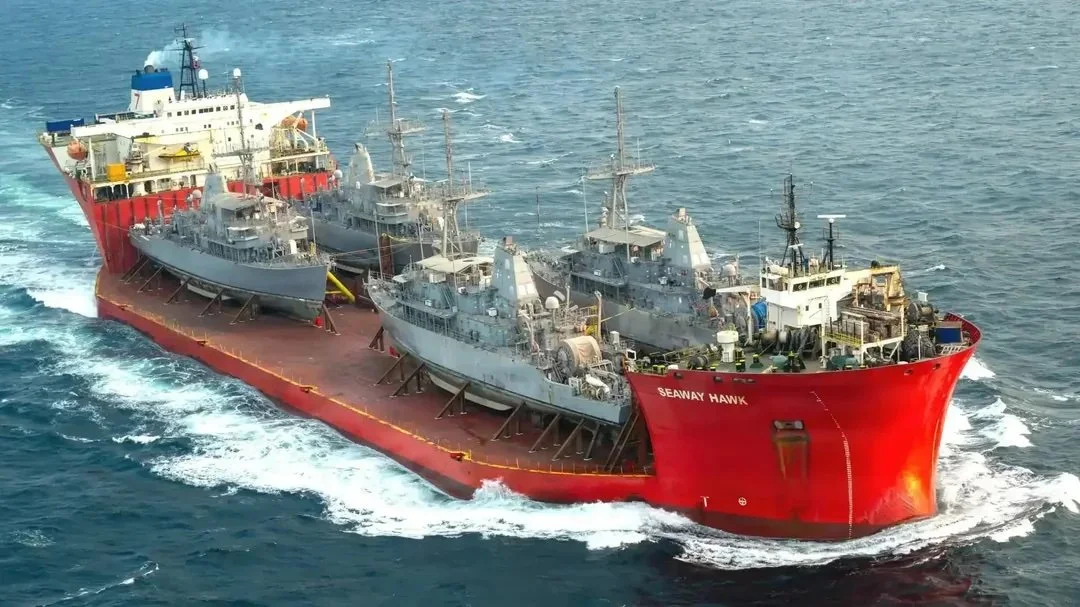
Four Avenger Class minesweepers depart Bahrain for disposal. USS Devastator, USS Dextrous, USS Gladiator, and USS Sentry.
The White House is urging allied navies to commit to a mission to reopen the Strait of Hormuz and bring Iran's blockade to an end, even threatening consequences for NATO allies who do not contribute. But at the same time as the administration asks allies to send assets, it appears that two specialized U.S. Navy mine countermeasures vessels have departed for Malaysia, 3,000 nautical miles away.
The two hulls in question are the Independence-class Littoral Combat Ships USS Tulsa and USS Santa Barbara, both homeported in Bahrain. Along with USS Canberra, USS Tulsa and Santa Barbara account for all of Central Command's mine countermeasures surface assets. Like other vessels at the U.S. Fifth Fleet's base in Manama, they headed out to sea in advance of the U.S. strike on Iran on February 28. On Sunday, Tulsa and Santa Barbara were spotted by a local photographer at the North Butterworth Container Terminal in Penang, Malaysia, on the opposite side of the Indian Ocean from Bahrain.
Last year, the U.S. Navy dispatched three Independence-class Littoral Combat Ships to its base at Bahrain with a specific mission in mind. The aluminum-hulled, high-speed trimarans would take over the mine countermeasures mission from the aging Avenger-class minesweeper fleet, which would retire from service. The Avengers were purpose-built minesweepers with wooden hulls and traditional design, and while lacking the modern sophistication of the LCS' robotics-heavy MCM equipment package, they were proven in field use in the Gulf.
The four outmoded boats were loaded on a heavy lift ship in January and dispatched to Philadelphia for demolition, arriving without fanfare earlier this month. Four hulls remain in commission in Japan, but there are no more Avengers in the Mideast. (Likewise, the Royal Navy decommissioned its last traditional minesweeper in Bahrain this year, and has fully converted over to a robotics-based system.)
HEADING UP THE HUME
You know the old Sydneysider’s joke…
“There are only two good things that come out of Melbourne… VB and the Hume Highway…” Well now we can add a third, the 8m FRANCES.
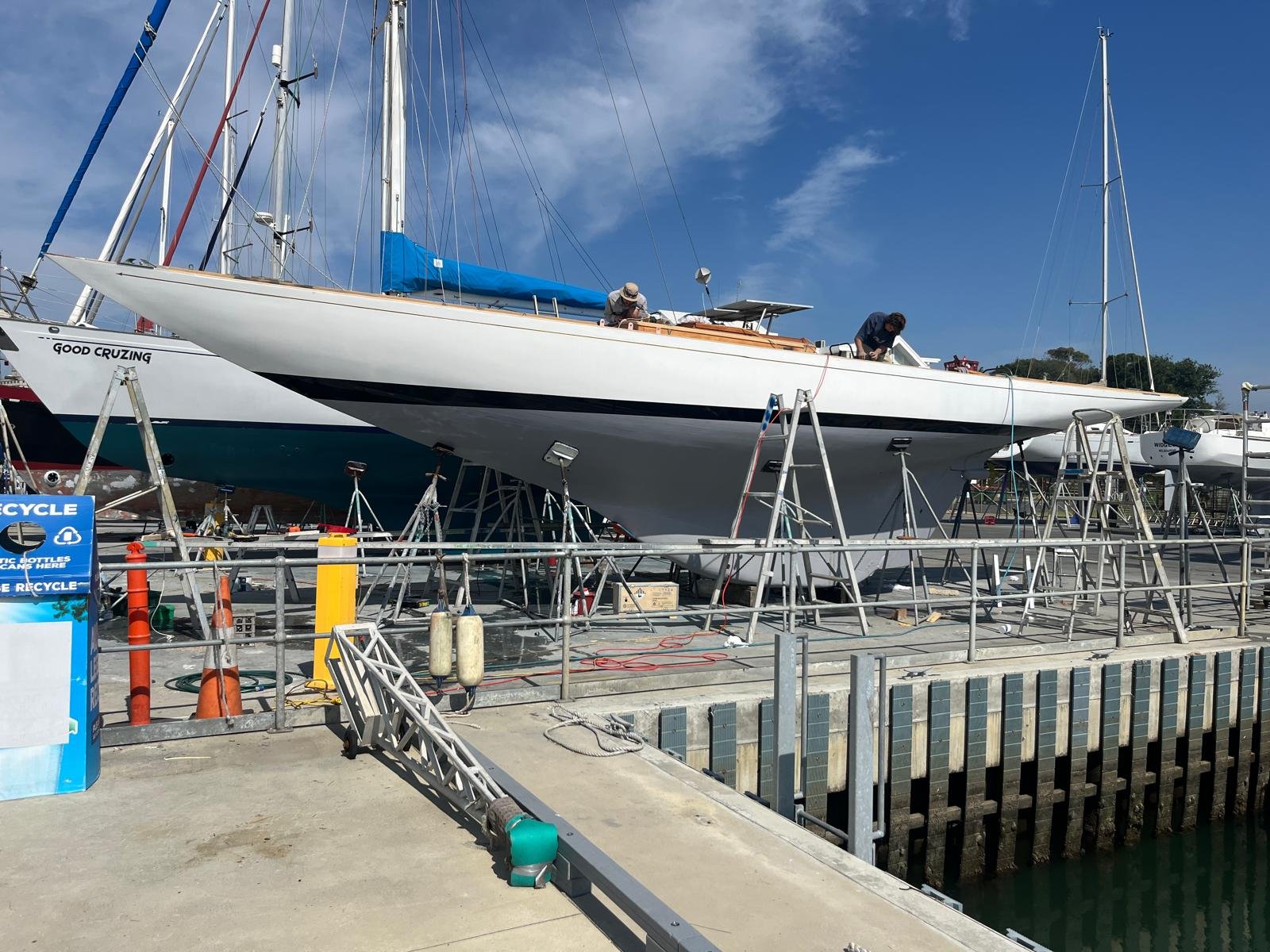
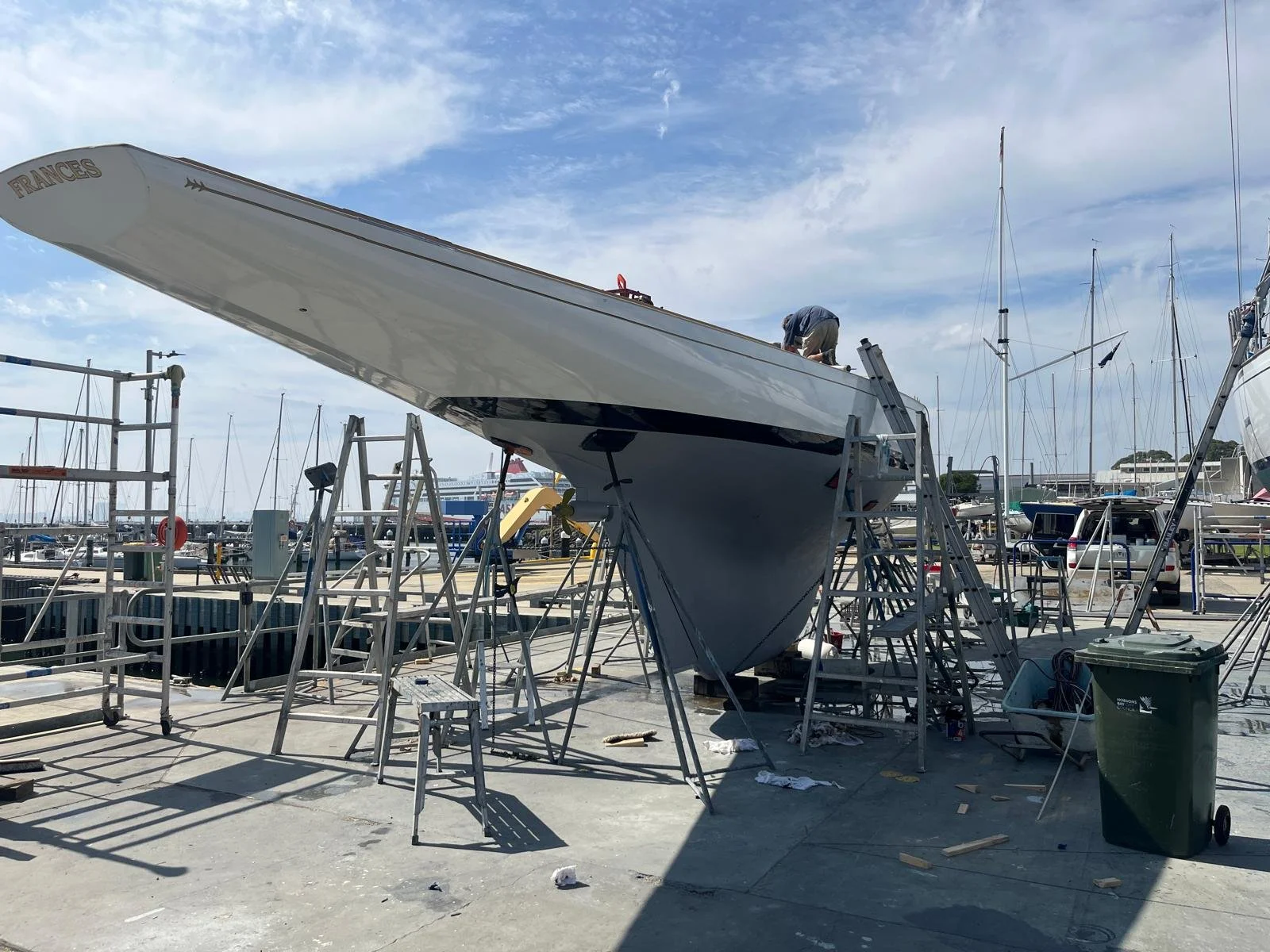
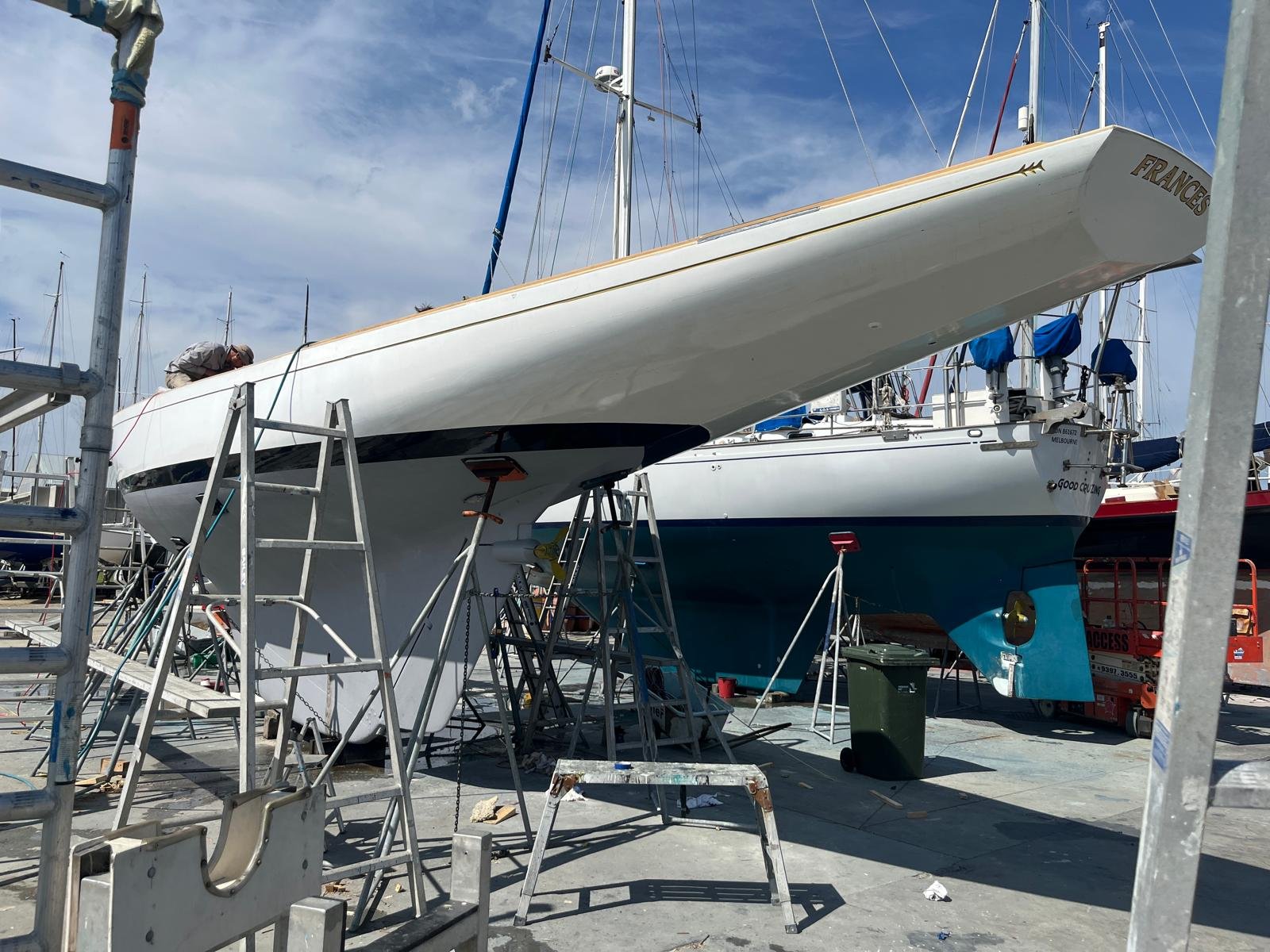
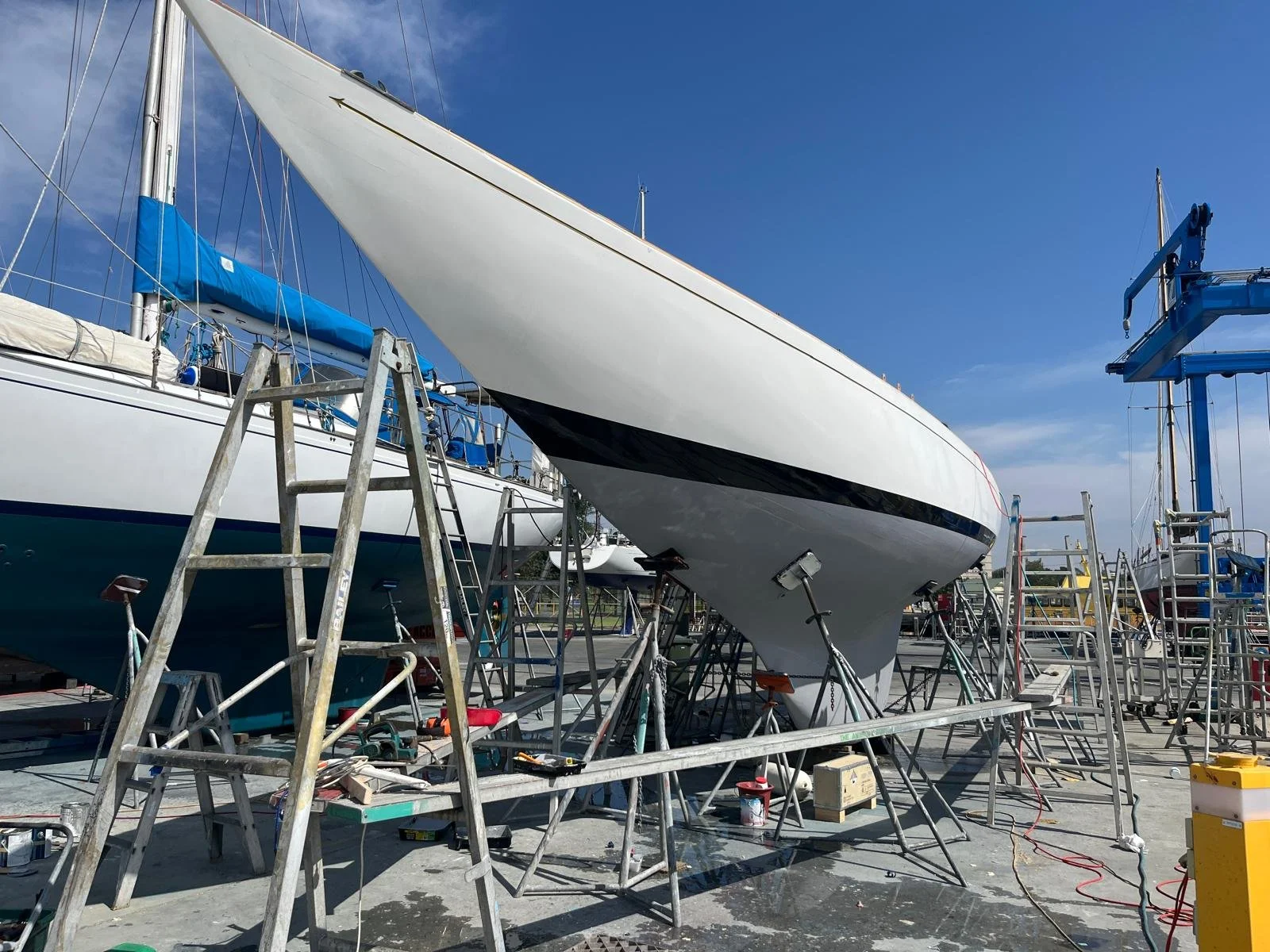
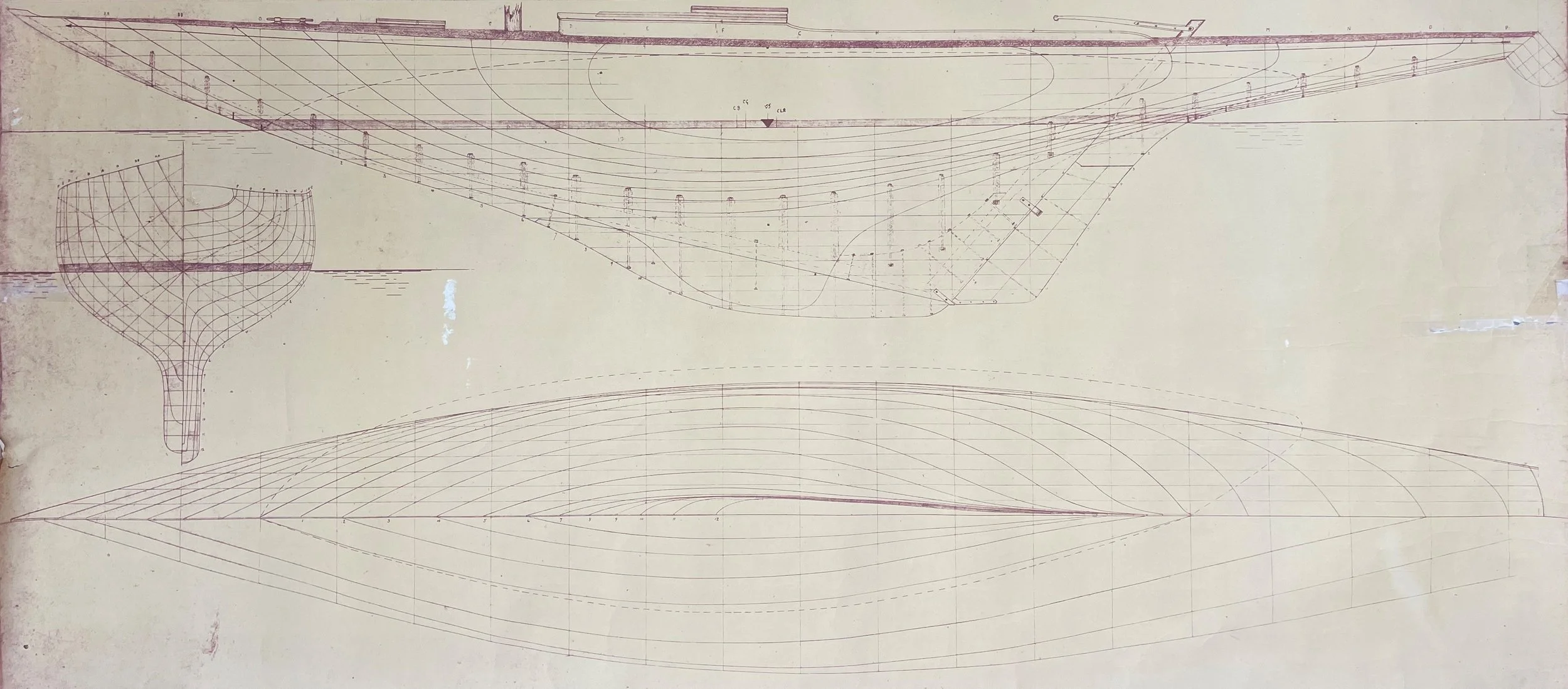
Thanks to our undercover reporters in Williamtown for these pictures of the 1948 E O Digby 8m FRANCES getting final touches this week, from FJ Darley before joining her older sister DEFIANCE in Sydney. She was trucked on the 24th and will go in the water at White Bay this week in preparation for rigging.
The 51ft carvel kauri planked sloop was the first Australian designed and built yacht to successfully defend the Sayonara Cup. She won the trophy three times in the 1950’s. The new Sydney owner is a member of RYCV so FRANCES retains her coveted R8 sail number.
The Raftsmen
This Friday evening there will be a special screening of a film about 12 men from 7 countries embarking on a seemingly impossible mission to cross the world's largest ocean, at the Australian National Maritime Museum in Sydney.
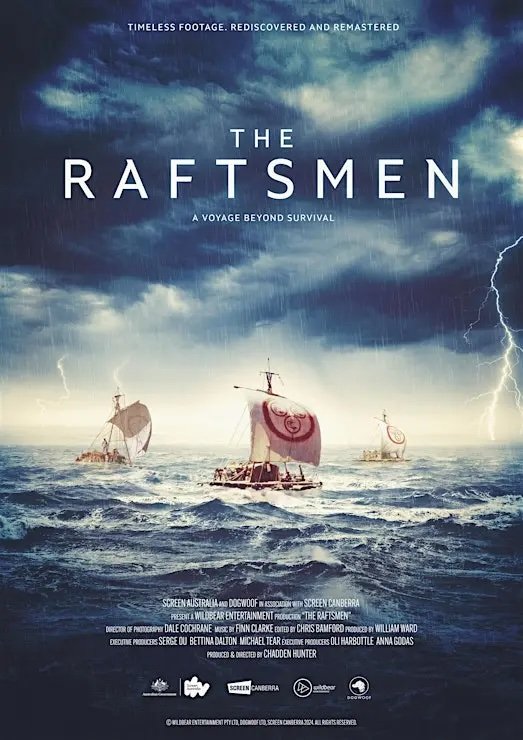
Twelve adventure-mad misfits set out to cross the world’s largest ocean... on three log rafts. Fifty years on, revisit this perilous and historic journey, beset by storms, sharks, and frayed nerves.
In 1973, 12 men gathered in Ecuador at the start of a seemingly impossible mission. At the helm was Captain Vital Aslar, a prophet-like leader with a Salvador Dali-inspired dream to cross the South Pacific – roughly 14,500 kilometres, non-stop. The largely inexperienced crew began by building their own vessels from trees they’d felled. Then they headed out into the blue: navigating by the sun and stars, they encounter myriad creatures, tempests and doldrums as they make their way from Ecuador towards Australia. Award-winning documentarian Chadden Hunter blends original 16mm footage with stories from the surviving rafters, vividly conjuring a dreamlike adventure in which each voyager is pushed to their limits.
This special screening of The Raftsmen, will be followed by a Q&A with the director Chadden Hunter.
More info HERE